
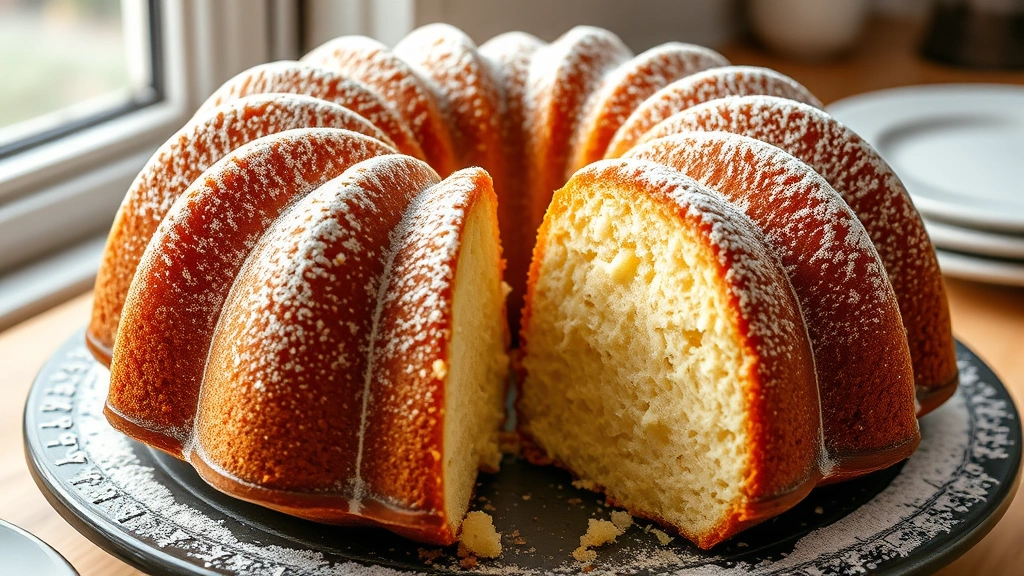
There’s nothing quite like a slice of homemade cream cheese pound cake – it’s elegant, moist, and absolutely irresistible. This recipe has been perfected over years of baking, and I’m thrilled to share it with you today. The secret to the best cream cheese pound cake lies in using quality ingredients and understanding the proper creaming technique. When you combine rich cream cheese with butter and eggs, you create a cake with an incredibly tender crumb and subtle tang that keeps people coming back for more.
Pound cake gets its name from the original recipe that called for a pound each of butter, sugar, eggs, and flour – a simple ratio that produces a dense, luxurious cake. By adding cream cheese to this classic formula, we’ve elevated it to something truly special. The cream cheese adds moisture, richness, and a delicate flavor that pairs beautifully with both simple glazes and elaborate frostings.
I first fell in love with cream cheese pound cake at a local bakery, but their version was always dry and somewhat bland. I became determined to create my own version that would be moist, flavorful, and absolutely foolproof. After countless experiments, I discovered that the key is in the temperature of your ingredients and the method you use to combine them. Room temperature ingredients blend together more smoothly, creating a better emulsion and a more tender final product.
This recipe is perfect for so many occasions – it’s elegant enough for a special dinner party, but casual enough for afternoon tea with friends. You can serve it plain with just a dusting of powdered sugar, or dress it up with a cream sauce or fresh berries. The cake also freezes beautifully, making it an excellent choice for advance preparation.
One of my favorite things about this cake is how it improves with time. While it’s delicious fresh from the oven, it actually tastes even better the next day after the flavors have had time to meld together. Store it wrapped in plastic wrap at room temperature for up to three days, or freeze it for up to three months.
The technique I’m sharing with you is the creaming method, which is the most reliable way to achieve a light, tender pound cake. Unlike some recipes that use the melting method or reverse creaming, this approach ensures that your cake rises properly and has the perfect texture. I’ve included detailed notes about what to look for at each stage, so even if this is your first time making pound cake, you’ll have success.
For best results, invest in quality cream cheese – avoid whipped cream cheese or cream cheese spreads, as these contain additives that can affect your final product. Similarly, use real butter, not margarine or butter substitutes. These small choices make a significant difference in both the flavor and texture of your cake.
I also highly recommend investing in an oven thermometer, as oven temperature is crucial for pound cake success. A cake that bakes in an oven that’s too hot will develop a dark crust before the inside is done, while one that bakes in an oven that’s too cool will be dry and dense. An accurate oven temperature ensures that your cake bakes evenly and comes out perfectly every time.
This cream cheese pound cake is also wonderfully versatile when it comes to serving suggestions. You might try pairing it with fresh accompaniments or creating a beautiful dessert board. It’s also fantastic crumbled and used as a base for trifles or layered desserts.
Whether you’re a seasoned baker or just starting your baking journey, this cream cheese pound cake recipe will become a favorite in your collection. The combination of cream cheese and butter creates a richness that’s simply unmatched, and the subtle tang of the cream cheese prevents the cake from feeling too heavy or overly sweet. I’m confident that once you try this recipe, you’ll understand why cream cheese pound cake is considered such a classic.
Learn more about perfecting your baking techniques by exploring other recipe foundations and don’t hesitate to check out expert tips from Bon Appétit’s baking guides. For scientific insights into why certain techniques work, Serious Eats offers excellent baking science articles. You can also find additional inspiration on the New York Times Cooking site.
As you embark on making this recipe, remember that baking is both an art and a science. Follow the measurements carefully, use room temperature ingredients, and don’t skip any steps. The result will be a stunning cream cheese pound cake that rivals any bakery version. I can’t wait for you to experience the joy of pulling this beautiful cake from the oven – the aroma alone will make your kitchen smell absolutely amazing. Enjoy every delicious bite!
Ingredients
- 3 cups all-purpose flour
- 1/2 teaspoon baking powder
- 1/2 teaspoon salt
- 1 cup unsalted butter, softened to room temperature
- 8 ounces cream cheese, softened to room temperature
- 3 cups granulated sugar
- 6 large eggs, room temperature
- 1 teaspoon vanilla extract
- 1/2 teaspoon almond extract (optional but recommended)
- 1/2 cup sour cream, room temperature
- Powdered sugar for dusting (optional)
Instructions
- Preheat your oven to 325°F (163°C). Grease a 10-inch bundt pan thoroughly with butter or cooking spray, making sure to coat all the ridges and crevices. Dust with flour and tap out any excess. Set aside.
- In a medium bowl, whisk together the flour, baking powder, and salt. Set aside.
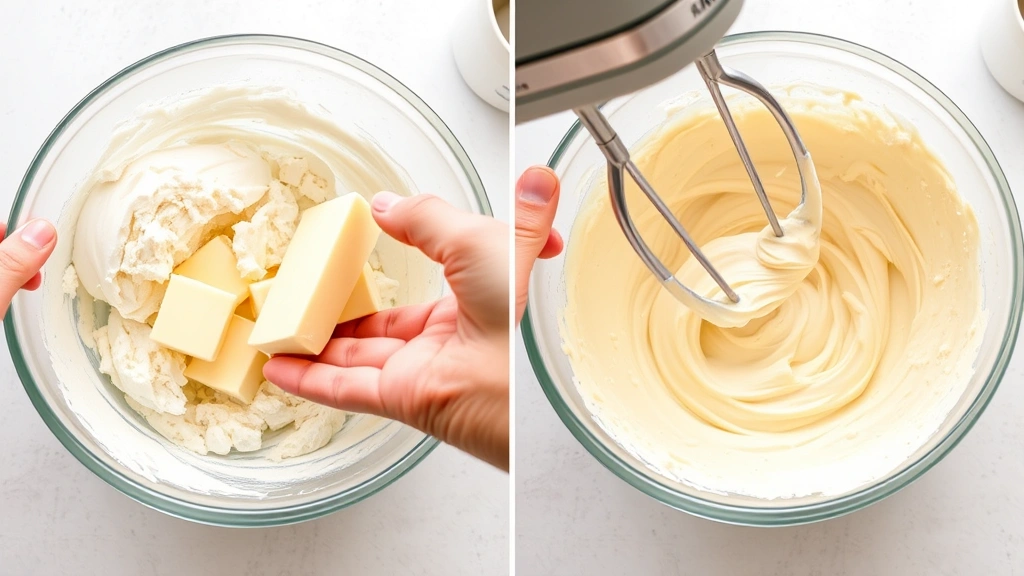
- In the bowl of an electric mixer, combine the softened butter and cream cheese. Beat on medium speed for about 3-4 minutes until the mixture is light, fluffy, and pale in color. This step is crucial as it incorporates air into the batter.
- Gradually add the granulated sugar to the butter and cream cheese mixture, about 1/3 cup at a time, beating well after each addition. This should take about 5-7 minutes total. The mixture should become very light and fluffy.
- Add the eggs one at a time, beating on low to medium speed after each addition and making sure each egg is fully incorporated before adding the next. This prevents overmixing and ensures a tender crumb.
- Add the vanilla extract and almond extract (if using) and beat to combine.
- Reduce the mixer speed to low. Add the flour mixture in three additions, alternating with the sour cream in two additions, beginning and ending with the flour mixture. Start with the flour, then sour cream, then flour, then sour cream, then flour. Mix on low speed just until combined after each addition – do not overmix.
- Pour the batter into the prepared bundt pan, smoothing the top with a spatula. Gently tap the pan on the counter a few times to release any air bubbles.
- Place the bundt pan on a baking sheet (this catches any potential drips) and transfer to the preheated 325°F oven.
- Bake for 65-75 minutes, until a toothpick inserted into the thickest part of the cake comes out clean or with just a few moist crumbs. The top should be golden brown and spring back when lightly touched.
- Remove the cake from the oven and let it cool in the pan for 15 minutes. During this time, the cake will continue to cook slightly from residual heat.
- Turn the cake out onto a wire cooling rack and let it cool completely, about 2-3 hours, before slicing or frosting.
- Once cooled, dust with powdered sugar if desired, or serve plain, or with your choice of frosting or glaze.
Pro Tips
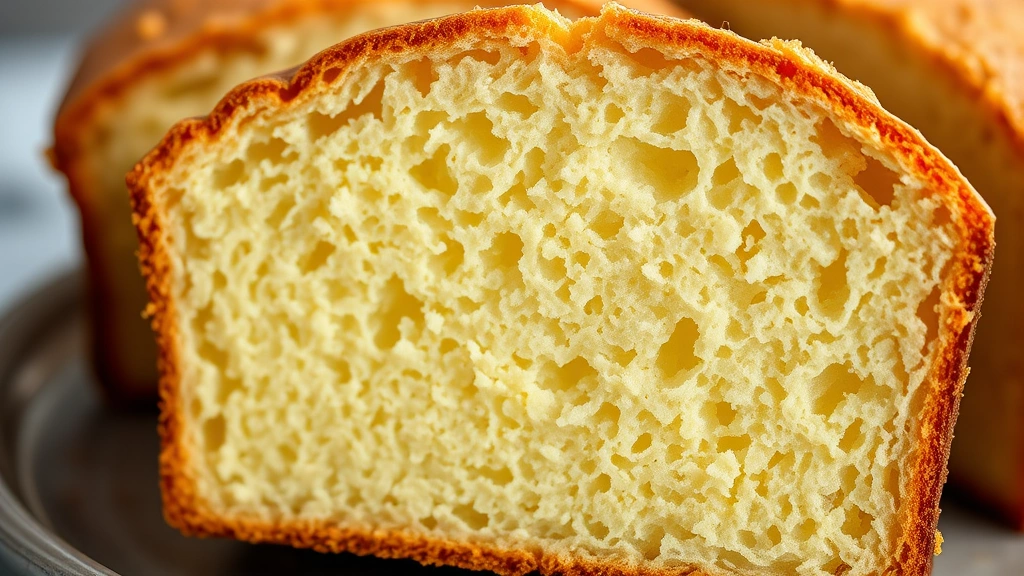
Don’t Overmix the Batter: Once you’ve added the flour mixture, mix on low speed just until the ingredients are combined. Overmixing develops too much gluten, which can make your cake tough and dense. It’s better to slightly undermix than to overmix.
Use a Bundt Pan: While you can use a regular loaf pan or round cake pans, a bundt pan is traditional for pound cake and allows for more even heat distribution. Make sure to grease it very well, including all the decorative ridges.
Oven Temperature Matters: An oven thermometer is truly invaluable for this recipe. Pound cakes bake at a lower temperature (325°F) than most cakes to ensure they cook through without browning too quickly on the outside. If your oven runs hot or cold, adjust accordingly.
Don’t Skip the Cooling Time: Pound cakes are delicate when warm. Allowing it to cool in the pan for 15 minutes helps it set enough to turn out without breaking. Then cooling completely on a rack ensures it doesn’t steam itself and become soggy.
Storage Tips: Store your cooled pound cake wrapped tightly in plastic wrap at room temperature for up to 3 days. You can also freeze the whole cake or individual slices for up to 3 months. Thaw at room temperature before serving.
Frosting Ideas: This cake pairs beautifully with a simple cream cheese frosting, lemon glaze, or even fresh berries and whipped cream. Some people prefer to serve it plain with just a dusting of powdered sugar.
Make-Ahead Option: You can prepare the dry ingredients the day before and store them in an airtight container. The cake itself is even better the next day after the flavors have melded together.
Almond Extract: While optional, the almond extract adds a subtle, sophisticated flavor that enhances the cream cheese without making the cake taste like almonds. Don’t skip it if you have it on hand.
Sour Cream Substitute: If you don’t have sour cream, you can substitute Greek yogurt or use a mixture of milk and lemon juice (let it sit for 5 minutes to curdle).
Pingback: How to make the BEST Low Carb Shrimp Recipe! – Simple Recipe Finder