
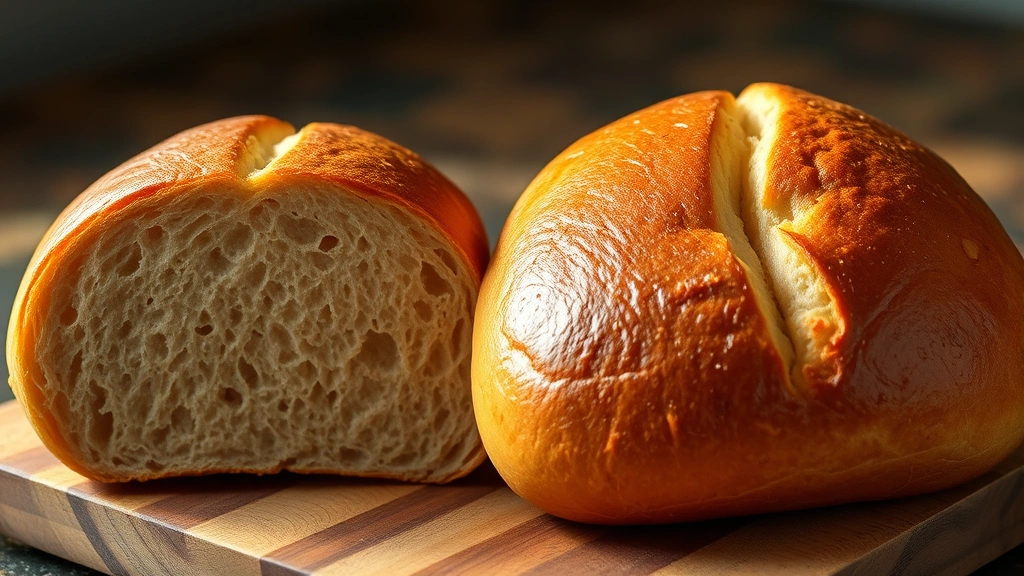
Cuban bread is a soft, pillowy white bread with a crispy exterior that’s absolutely essential for authentic Cuban sandwiches. This traditional recipe has been perfected over generations and brings that authentic taste of Havana right into your own kitchen. The key to achieving that perfect golden crust and tender crumb is understanding the proper fermentation and baking technique.
What makes Cuban bread so special is its simplicity—just a handful of basic ingredients transform into something truly magical. Unlike other sandwich breads, Cuban bread relies on a simple dough that develops incredible flavor through time and technique rather than added ingredients. The distinctive scoring pattern isn’t just for show; it creates those beautiful crispy edges while keeping the interior wonderfully soft.
I’ve been making Cuban bread for years, and I can tell you that the most common mistake home bakers make is rushing the process. This bread demands patience. The long fermentation allows the yeast to develop complex flavors, and the high heat in the oven creates that signature crispy crust that makes Cuban sandwiches so irresistible. Understanding bread-making fundamentals will help you master this recipe.
The beauty of homemade Cuban bread is that it’s far superior to anything you’ll find in most grocery stores. Commercial versions often contain dough conditioners and preservatives that affect the texture and taste. When you make it at home, you control every aspect of the process, from the fermentation time to the final bake. Learn more about bread baking techniques to elevate your skills.
This recipe yields two beautiful loaves that are perfect for feeding a family or bringing to a gathering. Each loaf has that distinctive split down the middle, crispy exterior, and pillowy soft interior that makes Cuban bread so beloved. Once you master this recipe, you’ll find yourself making it regularly. Try pairing it with an authentic Cuban sandwich for the complete experience.
The dough comes together quickly, but the magic happens during the overnight fermentation in the refrigerator. This cold fermentation develops flavor and makes the dough easier to handle. When you’re ready to bake, the high oven temperature creates steam that gives you that incredible crust. Master the art of bread scoring for professional-looking results.
Whether you’re a seasoned baker or just starting your bread-making journey, this Cuban bread recipe is approachable and rewarding. The satisfaction of pulling a perfectly baked loaf from the oven, with that characteristic crackle and aroma, is something special. I encourage you to follow each step carefully and don’t skip the fermentation time—it’s what separates good Cuban bread from truly exceptional Cuban bread. Understand fermentation for better results.
Ingredients
- 3 cups all-purpose flour, plus extra for dusting
- 1½ teaspoons instant yeast
- 1½ teaspoons salt
- 1½ teaspoons sugar
- 1½ tablespoons vegetable oil
- 1 cup warm water (110°F)
- 1 tablespoon water mixed with 1 tablespoon cornstarch for egg wash
Instructions
- In a large mixing bowl, whisk together 3 cups all-purpose flour, 1½ teaspoons instant yeast, 1½ teaspoons salt, and 1½ teaspoons sugar until well combined.
- Create a well in the center of the dry ingredients and add 1½ tablespoons vegetable oil and 1 cup warm water (110°F).
- Stir the mixture with a wooden spoon until a shaggy dough forms, making sure all flour is incorporated and no dry bits remain in the bottom of the bowl.
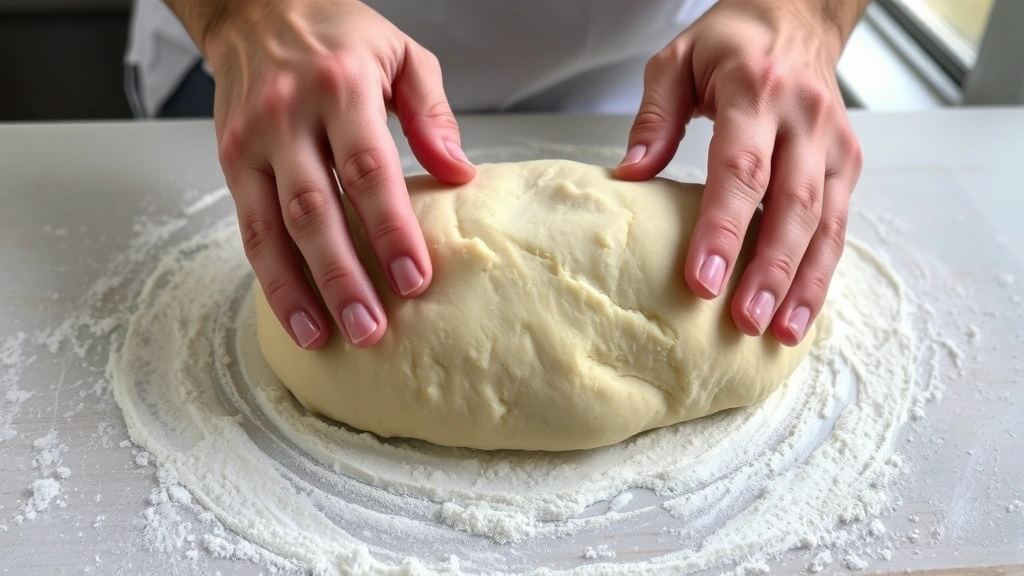
- Turn the dough out onto a lightly floured work surface and knead for 8-10 minutes until smooth and elastic, adding flour only if the dough is excessively sticky.
- Place the kneaded dough in a lightly oiled bowl, turning to coat all sides evenly with oil to prevent a skin from forming.
- Cover the bowl tightly with plastic wrap and let the dough rise at room temperature for 1-2 hours until it doubles in size.
- Gently punch down the dough to release excess gas, then divide it into two equal pieces using a bench scraper or sharp knife.
- Shape each piece into an oval loaf by rolling it gently into a log shape about 10-12 inches long, making sure the ends are tapered slightly.
- Place both loaves seam-side down on a baking sheet lined with parchment paper, leaving at least 3 inches between them for expansion.
- Cover the loaves loosely with plastic wrap and refrigerate overnight for at least 8 hours, or up to 16 hours for enhanced flavor development.
- The next morning, remove the baking sheet from the refrigerator and let the loaves come to room temperature for 30 minutes while preheating your oven.
- Preheat your oven to 425°F (220°C) for at least 20 minutes, placing a baking stone or empty baking sheet on the middle rack if available.
- Mix 1 tablespoon water with 1 tablespoon cornstarch in a small bowl to create the traditional Cuban bread wash (this creates the distinctive sheen).
- Using a very sharp knife or bread lame, score each loaf with a single diagonal slash down the center, cutting about ¼-inch deep at a 45-degree angle.
- Brush each loaf generously with the cornstarch wash, making sure to cover the entire surface including the scored area.
- Place the baking sheet with the loaves into the preheated oven on the middle rack.
- Bake for 25-30 minutes, rotating the baking sheet halfway through if you notice uneven browning, until the loaves are deep golden brown and sound hollow when tapped on the bottom.
- Remove the loaves from the oven and transfer them to a wire cooling rack.
- Allow the bread to cool for at least 15-20 minutes before slicing, as the interior continues to set during this cooling period.
- Serve the Cuban bread warm or at room temperature, sliced in half lengthwise for sandwiches or cut into individual portions for serving.
Pro Tips
- The cornstarch wash is traditional for Cuban bread and creates that beautiful satin finish and slight crackle. Don’t substitute egg wash, as it won’t give you the authentic appearance.
- Overnight fermentation in the refrigerator is crucial—it’s not optional. The cold fermentation develops flavor complexity that you simply cannot achieve with room temperature rising alone.
- Water temperature is important: if it’s too hot (above 120°F), it can kill the yeast; if it’s too cold, fermentation will be extremely slow. Use an instant-read thermometer to verify.
- When scoring the bread, use a very sharp knife or bread lame and make one confident cut rather than sawing back and forth, which can deflate the dough.
- If you don’t have access to a baking stone, a preheated baking sheet works perfectly fine. The goal is to have a hot surface to create steam and crispy crust.
- Cuban bread is best enjoyed fresh the day it’s baked, but it will keep in a paper bag at room temperature for 1-2 days. Never store it in plastic, which makes the crust soggy.
- For the classic Cuban sandwich (Cubano), slice the bread in half lengthwise, then fill with roasted pork, ham, Swiss cheese, dill pickle slices, and mustard. Press in a panini press until the cheese melts and the bread is crispy.
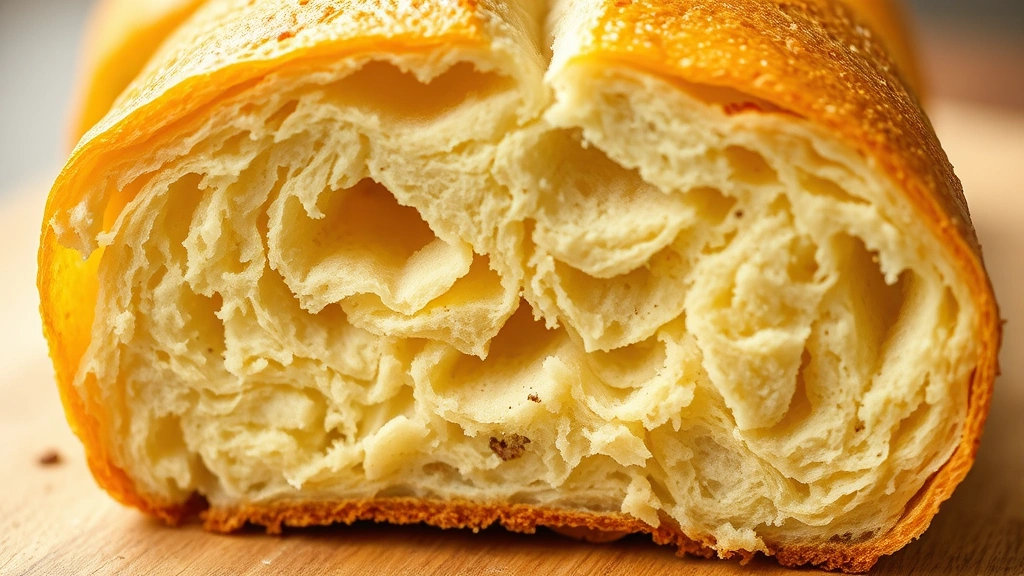
- The dough should be relatively soft and slightly sticky—this is what gives Cuban bread its characteristic tender crumb. Don’t add extra flour if it feels a bit damp.
- If your kitchen is very warm, the initial room temperature rise might take only 45 minutes to 1 hour instead of the full 2 hours. Look for the dough to approximately double, regardless of time.
- The distinctive split or ear that forms along the scored line is a sign of proper fermentation and baking. This is something to celebrate in your Cuban bread.
- Once cooled, you can refresh stale Cuban bread by wrapping it in a damp paper towel and microwaving for 15-20 seconds, or by placing it in a 300°F oven for about 5 minutes.