
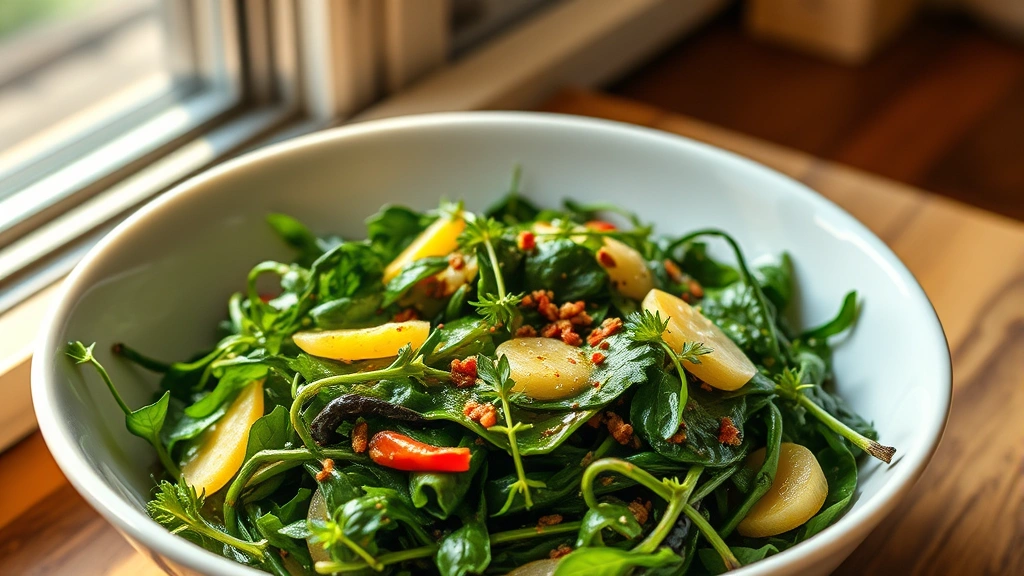
Dandelion greens are one of nature’s most underrated vegetables, and once you learn how to prepare them properly, you’ll wonder why you haven’t been using them in your kitchen all along! These slightly bitter, nutrient-packed leaves have been a staple in European and Mediterranean cooking for centuries, and they deserve a place on your table too. The key to making the best dandelion greens recipe is understanding how to balance their natural bitterness with complementary flavors—think garlic, lemon, quality olive oil, and perhaps a touch of heat.
What makes dandelion greens so special is their incredible nutritional profile. They’re loaded with vitamins A, C, and K, plus minerals like calcium, iron, and potassium. Unlike many trendy superfoods, dandelion greens are often foraged for free or available incredibly cheaply at farmers’ markets. They’re also wonderfully versatile—you can sauté them as a simple side dish, add them to soups, toss them into salads, or incorporate them into pasta dishes.
This recipe focuses on the classic Italian preparation: sautéed with garlic, red pepper flakes, and a generous pour of excellent olive oil. It’s simple, elegant, and lets the greens shine while taming their assertive flavor. The beauty of this preparation is that it takes just fifteen minutes from start to finish, making it perfect for weeknight dinners or as an elegant side for entertaining. Whether you’re a seasoned home cook or just beginning to explore beyond conventional vegetables, this dandelion greens recipe will become a reliable favorite in your cooking repertoire.
When shopping for dandelion greens, look for younger plants with smaller leaves—these tend to be less bitter than their mature counterparts. If you only have access to older, more bitter greens, blanching them briefly before sautéing can help mellow their intensity. Fresh dandelion greens will keep in your refrigerator for about a week when stored in a plastic bag with a damp paper towel. This recipe pairs beautifully with creamy alfredo sauce for a more indulgent meal, or serve it simply alongside grilled fish or roasted chicken for a lighter option.
The technique here is crucial: you want to cook the garlic slowly in olive oil until it’s fragrant and golden but not browned, as burnt garlic will add an unpleasant bitter note to your dish. Then add the greens gradually, allowing them to wilt down before adding more. This prevents them from steaming rather than sautéing, which would result in a mushy texture. A squeeze of fresh lemon juice at the end brightens everything and adds a sophisticated finishing touch. For an extra layer of flavor, consider adding a splash of balsamic vinegar or red wine vinegar, or even incorporating anchovy paste for depth—though this step is entirely optional and depends on your personal preferences.
For those looking to expand their dandelion green repertoire, consider trying them in pasta dishes or adding them to chicken alfredo for a nutritious twist on classic comfort food. You can also blanch and freeze dandelion greens when they’re abundant at the farmers’ market, allowing you to enjoy them year-round. This recipe is endlessly adaptable—add white beans for protein, toss with pasta, layer into lasagna, or even blend into soups.
For external inspiration and technique refinement, check out Serious Eats’ comprehensive guides on cooking bitter greens, or explore Bon Appétit’s seasonal recipes featuring dandelion greens. The New York Times Cooking section also offers excellent resources for vegetable preparation techniques. Learning from multiple sources will deepen your understanding of how different chefs approach this humble ingredient.
The beauty of this dandelion greens recipe is that it respects the ingredient while making it accessible and delicious. Whether you’re serving it to family who’s never tried dandelion greens before or adding it to your regular rotation, this preparation method is foolproof and absolutely delicious. Once you master this basic technique, you’ll find yourself experimenting with variations, adding different aromatics, or combining them with roasted peppers and other vegetables. Dandelion greens deserve a spot at your table—and this recipe will show you exactly why.
Ingredients
- 1 pound fresh dandelion greens, washed and roughly chopped
- 5 tablespoons extra virgin olive oil, divided
- 6 cloves garlic, thinly sliced
- 1/4 teaspoon red pepper flakes (adjust to taste)
- 1/2 teaspoon kosher salt, plus more to taste
- 1/4 teaspoon freshly ground black pepper
- Juice of 1 lemon (about 3 tablespoons)
- Optional: 2 tablespoons balsamic vinegar
- Optional: 1/4 teaspoon anchovy paste for depth of flavor
Instructions
- Prepare your dandelion greens by rinsing them thoroughly under cool water and patting dry with paper towels. Rough chop the greens into bite-sized pieces, discarding any yellowed or overly tough stems.
- Heat 3 tablespoons of olive oil in a large skillet over medium heat, allowing it to warm for about 1 minute.
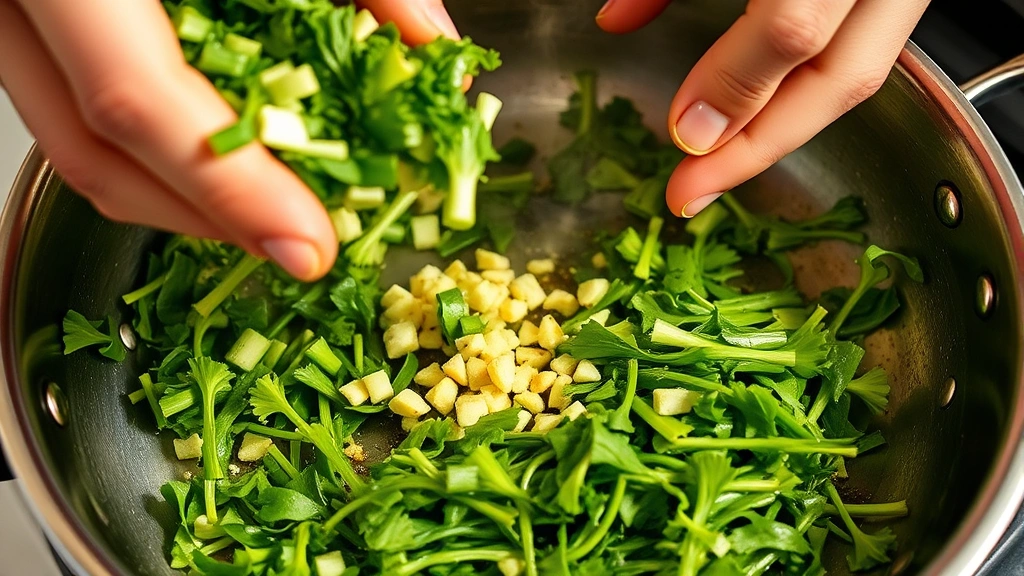
- Add the sliced garlic and red pepper flakes to the warm oil, stirring frequently. Cook for 2-3 minutes until the garlic becomes fragrant and turns light golden—do not let it brown or it will become bitter.
- Add half of the chopped dandelion greens to the skillet with the garlic oil, stirring to coat them evenly.
- Allow the first batch of greens to wilt down for about 2 minutes, stirring occasionally, then add the remaining dandelion greens to the pan.
- Continue stirring and cooking the greens for 5-7 minutes total, until they are completely wilted and tender but still maintain their vibrant color.
- Drizzle the remaining 2 tablespoons of olive oil over the greens and stir well to combine.
- Add the kosher salt and freshly ground black pepper, tasting and adjusting seasoning as needed.
- If using anchovy paste, mix it into 1 tablespoon of the lemon juice first to dissolve it, then add to the greens for deeper umami flavor.
- Remove the skillet from heat and squeeze fresh lemon juice over the greens, stirring to distribute evenly.
- If desired, add balsamic vinegar for a slightly sweet and tangy note that balances the bitterness beautifully.
- Taste one final time and adjust salt, pepper, or lemon juice as needed for your preference, then transfer to a serving dish immediately while still warm.
Pro Tips
- Dandelion greens are most tender and least bitter in spring and early summer; if using mature greens from later in the season, consider blanching them in salted boiling water for 3-4 minutes before sautéing to reduce bitterness
- When selecting dandelion greens at the market or when foraging, look for younger plants with smaller leaves, as these will have a milder flavor and more delicate texture than fully mature specimens
- This recipe works beautifully with other bitter greens such as mustard greens, turnip greens, or even Italian bitter chicory—the technique remains the same and cooking times are similar
- For extra texture and nutrition, consider adding toasted breadcrumbs or crispy pancetta to the finished dish for a more substantial side; pine nuts also pair wonderfully with dandelion greens
- Red pepper flakes can be adjusted based on your heat preference; start with 1/8 teaspoon if you’re sensitive to spice and build up from there
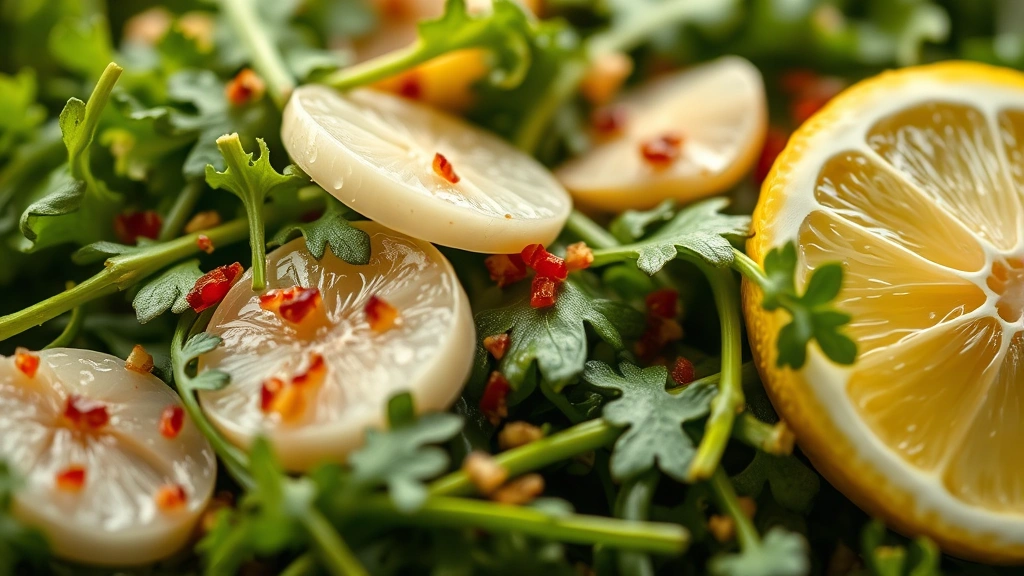
- The lemon juice is crucial for brightening the flavors and balancing the natural bitterness—don’t skip this step or use bottled lemon juice; fresh is significantly better
- Dandelion greens can be prepared up to 2 hours ahead and reheated gently in the skillet over low heat with a splash of additional olive oil; however, they’re best enjoyed immediately after cooking
- This recipe serves 4 as a side dish but can easily be doubled or halved depending on your needs; the cooking time remains approximately the same
- For meal prep, cook the dandelion greens and store in an airtight container in the refrigerator for up to 4 days; reheat gently before serving
- This dish complements fish, chicken, pork, and vegetarian dishes equally well; it’s particularly lovely alongside garlic-forward preparations or dishes with creamy sauces