
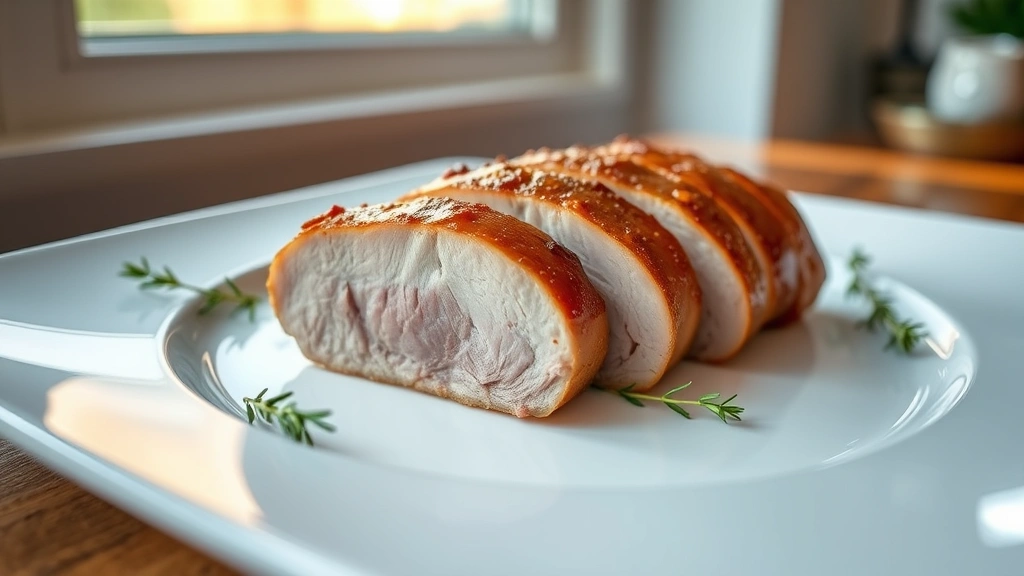
Duck breast is one of those proteins that seems intimidating but is actually quite simple to master at home. The key to achieving that perfectly crispy skin and tender, rosy meat is understanding the technique—it’s all about patience and proper temperature control. This recipe walks you through creating restaurant-quality duck breast that rivals anything you’d order at a fancy bistro, and honestly, it’s easier than you might think.
What makes duck breast so special is the beautiful layer of fat beneath the skin. When rendered properly, it creates this incredible crispy exterior while keeping the meat underneath incredibly juicy. Unlike chicken or turkey, duck meat is dark and rich, almost beef-like in flavor, which means it pairs beautifully with bold sauces and elegant sides. Whether you’re cooking for a special occasion or just want to impress your dinner guests, this recipe will become your go-to method.
The beauty of this approach is that it requires minimal ingredients and minimal fuss. You’ll score the skin, season generously, and let the duck do most of the work. I love serving this with creamy sauce or alongside roasted vegetables. For a lighter option, try pairing it with a fresh chickpea salad for contrast. The technique also works beautifully if you want to incorporate it into a composed plate with pickled red onions for brightness.
I’ve tested this method dozens of times, and the results are consistently perfect. The secret is the low-and-slow rendering of the fat followed by a quick high-heat sear. This two-temperature approach ensures that the skin crackles while the interior stays perfectly medium-rare. You’ll understand why duck has been a restaurant favorite for centuries.
For more protein inspiration, check out this bacon carbonara for another elegant dinner option. And if you’re looking to build an entire meal, this heavy cream pasta makes a stunning accompaniment. The richness of duck pairs wonderfully with creamy sauces, so don’t hesitate to go there.
Once you master this basic technique, you’ll find yourself making duck breast regularly. It’s the kind of recipe that makes you feel like a professional chef, but requires nothing more than a good pan, a meat thermometer, and about 20 minutes of hands-on time. Your dinner guests will be absolutely blown away.
For additional cooking techniques and inspiration, I recommend checking out Serious Eats’ guide to duck breast and Bon Appétit’s pan-roasted duck breast. The New York Times also has excellent duck breast recipes worth exploring to expand your repertoire.
Ingredients
- 2 duck breasts (about 6-8 ounces each), skin on
- 1 teaspoon kosher salt
- ½ teaspoon freshly ground black pepper
- ¼ teaspoon garlic powder
- ¼ teaspoon dried thyme or fresh thyme leaves
- 1 tablespoon honey (optional, for glaze)
- 2 tablespoons balsamic vinegar or red wine (optional, for pan sauce)
- 2 tablespoons unsalted butter (optional, for basting)
Instructions
- Remove the duck breasts from the refrigerator 15 minutes before cooking to bring them closer to room temperature. This ensures even cooking throughout.
- Pat the duck breasts completely dry with paper towels. Moisture is the enemy of crispy skin, so don’t skip this step.
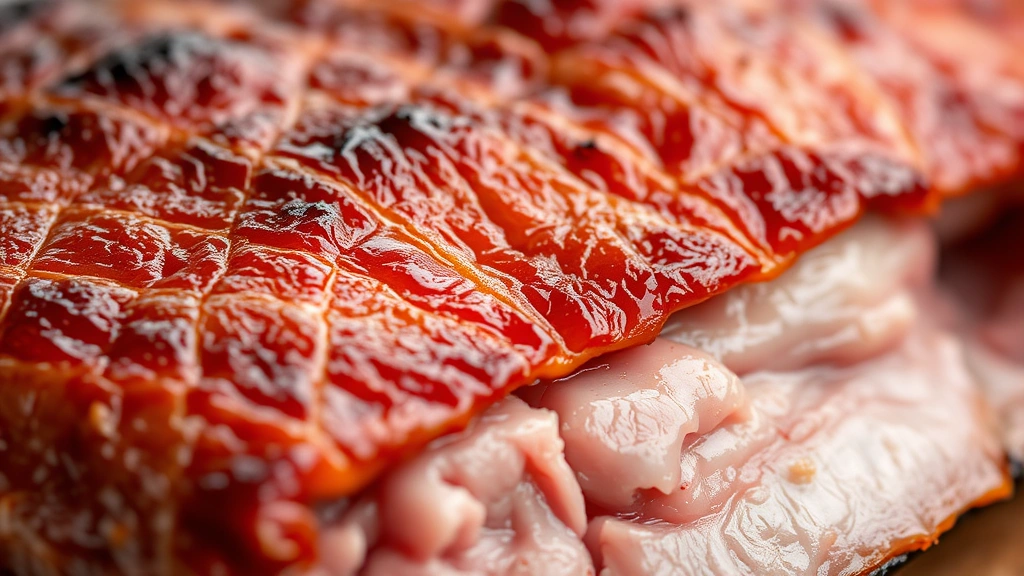
- Using a sharp knife, score the skin in a crosshatch pattern, being careful not to cut into the meat below. Make shallow cuts about ¼-inch apart in both directions. This allows the fat to render more efficiently.
- In a small bowl, combine the salt, pepper, garlic powder, and thyme. Rub this seasoning mixture evenly over both sides of the duck breasts, paying special attention to the skin side.
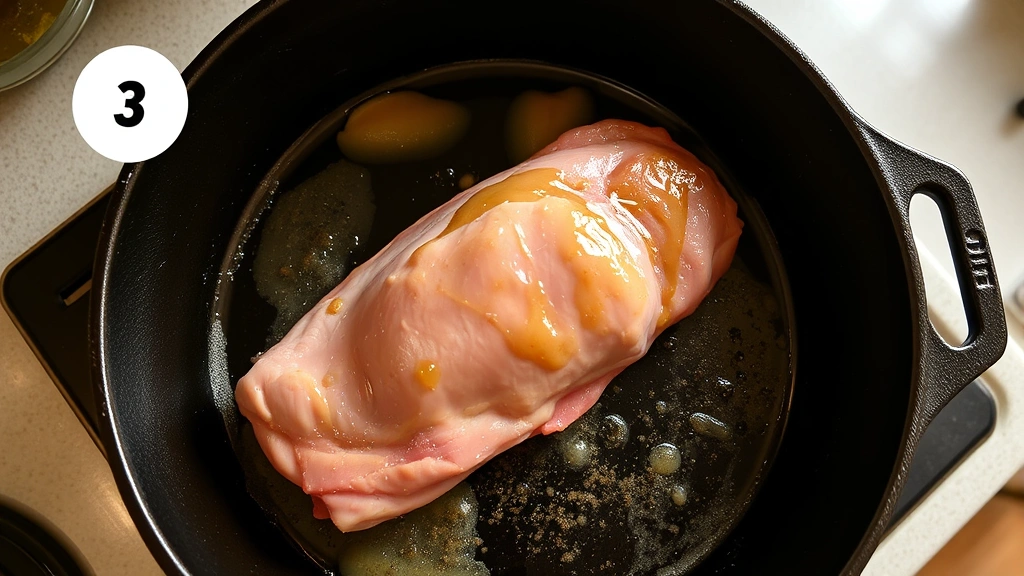
- Place a cast iron skillet or heavy-bottomed stainless steel pan over medium heat. Do not add oil—the duck will render its own fat.
- Once the pan is hot, place the duck breasts skin-side down in the pan. You should hear a gentle sizzle. Resist the urge to move them around.
- Reduce the heat to medium-low and cook skin-side down for 12-14 minutes. The skin will gradually turn golden brown and crispy as the fat renders out. You may need to pour off some of the rendered fat halfway through if it starts to pool too much (save this duck fat for cooking potatoes or roasting vegetables—it’s liquid gold).
- After 12-14 minutes, carefully flip the duck breasts over using tongs. The skin should be deep golden brown and crispy.
- Increase the heat to medium-high and cook the meat side for 3-4 minutes. At this point, you can add butter and fresh thyme sprigs to the pan if desired, tilting the pan to baste the duck.
- Use a meat thermometer to check the internal temperature. For medium-rare, you want 130-135°F. Remember the temperature will rise 5 degrees during resting, so don’t overcook.
- Transfer the duck breasts to a cutting board and tent loosely with foil. Let rest for 5 minutes. This resting period is crucial—it allows the juices to redistribute, ensuring moist, tender meat.
- While the duck rests, if making a pan sauce, add balsamic vinegar to the hot pan, scraping up any browned bits with a wooden spoon. Simmer for 1-2 minutes until slightly reduced. Strain if desired.
- Slice the duck breasts against the grain into ¼-inch strips. The meat should be rosy pink in the center with that beautiful crispy exterior.
- Arrange the sliced duck on serving plates, drizzle with pan sauce if making, and serve immediately while the skin is still crispy.
Pro Tips
- The most important step is rendering the fat properly. Don’t rush this process by cooking on high heat. Low and slow is how you achieve that coveted crispy skin without burning it.
- Duck breasts vary in size, so the cooking time may need slight adjustment. A thinner breast might only need 10 minutes on the skin side, while a thicker one might need up to 15. Use a meat thermometer to be certain.
- Save that rendered duck fat! It’s incredibly useful for roasting vegetables, making hash, or cooking potatoes. Store it in the refrigerator for up to 3 months or freeze for longer.
- If you can’t find duck breasts at your regular grocery store, check specialty markets, high-end supermarkets, or order online from reputable sources. Quality matters here—look for breasts that are plump and have a good layer of fat.
- Don’t skip the resting period. I know it’s tempting to dive right in, but those 5 minutes make a significant difference in the final texture and juiciness of the meat.
- For the pan sauce, you can get creative. Red wine, balsamic vinegar, orange juice, or even a touch of honey all work beautifully with duck. Some people make a quick cherry gastrique by reducing cherry juice with a bit of vinegar—absolutely delicious.
- This recipe easily doubles for a dinner party. Just use a larger pan or cook the breasts in batches. They’ll rest while you cook the second batch.
- Leftovers are wonderful shredded into salads, tucked into sandwiches, or warmed and served over rice. Store in an airtight container for up to 3 days.
- If you’re nervous about cooking duck, start with one breast to practice the technique. Once you nail it, you’ll be making this all the time.