
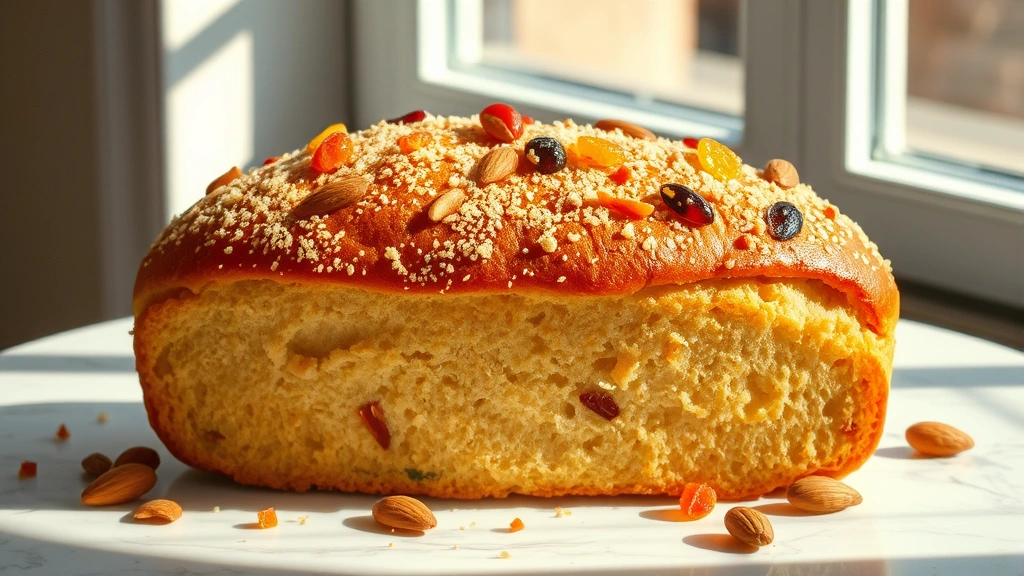
Easter bread, or Pane di Pasqua, is a stunning Italian yeast bread that’s traditionally served during the Easter season. This beautiful loaf is studded with colorful candied fruits and warm spices, making it the perfect centerpiece for your holiday table. The dough is enriched with butter and eggs, creating a tender, almost cake-like crumb that’s absolutely irresistible.
While this recipe may seem intimidating at first, I promise it’s easier than you think! The key is patience—allowing the dough to rise properly ensures that light, fluffy texture everyone loves. I’ve been making this Easter bread for years, and it never fails to impress my family and guests. The aroma alone while it’s baking will have everyone gathered in the kitchen!
This recipe is perfect for serving alongside brunch, gifting to neighbors, or simply enjoying with your morning coffee. You can prepare the dough the night before, which makes this an excellent make-ahead option for busy holiday schedules. The finished bread keeps well for several days when stored in an airtight container, though honestly, it rarely lasts that long in our house!
If you’re looking for other delicious bread recipes, check out our Best Heavy Cream Alfredo Sauce Recipe for a savory pairing option. For side dishes, our Best Shishito Peppers Recipe and Best Chickpea Salad Recipe make excellent Easter menu additions. For more baking inspiration, check out Bon Appétit’s Easter Bread Guide and Serious Eats’ Easter Bread Tutorial.
Ingredients
- 1 cup whole milk, warmed
- 2¼ teaspoons (1 packet) active dry yeast
- ½ cup granulated sugar
- ½ teaspoon salt
- 4 tablespoons unsalted butter, melted
- 3 large eggs, room temperature
- 1 teaspoon vanilla extract
- ½ teaspoon ground anise seeds
- ¼ teaspoon saffron threads, steeped in 1 tablespoon warm water
- 3 cups all-purpose flour
- ¾ cup candied orange peel, chopped
- ¾ cup candied citron, chopped
- ½ cup golden raisins
- ¼ cup sliced almonds
- 1 egg yolk mixed with 1 tablespoon water (for egg wash)
- 2 tablespoons coarse sugar for topping
Instructions
- In a small bowl, combine the warm milk with the yeast and let sit for 5 minutes until foamy. This activates the yeast and ensures your bread will rise beautifully.
- In a large mixing bowl (or the bowl of a stand mixer), whisk together the sugar and salt. Add the melted butter, eggs, vanilla extract, ground anise seeds, and the saffron with its steeping water. Mix until well combined.
- Pour the yeast mixture into the egg mixture and stir gently to combine.
- Add the flour 1 cup at a time, stirring after each addition. The dough will be soft and slightly sticky—this is exactly what you want.
- If using a stand mixer with a dough hook, knead on medium speed for 8-10 minutes. If kneading by hand, transfer to a floured surface and knead for 10-12 minutes until smooth and elastic.
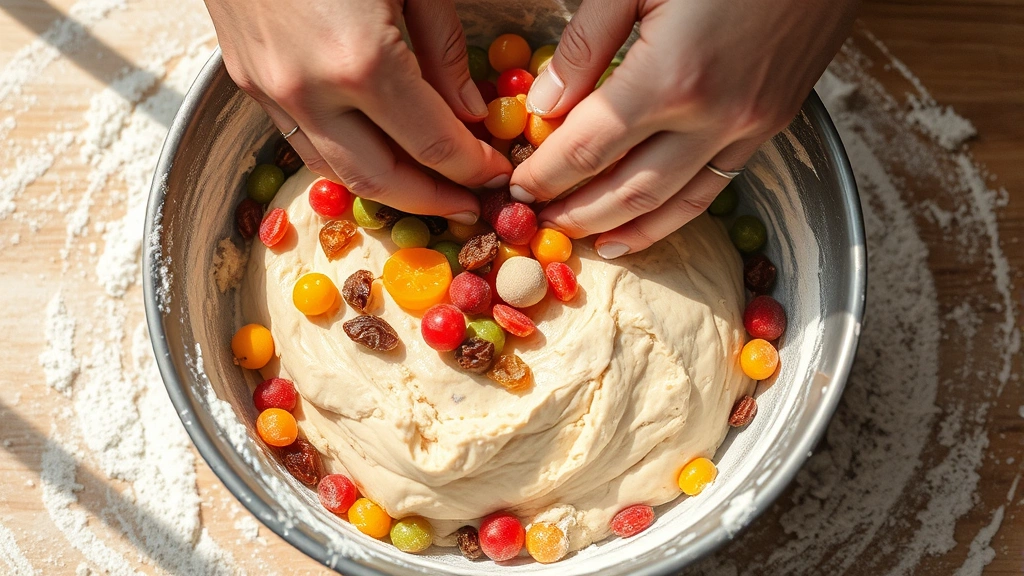
- Gently fold in the candied orange peel, candied citron, golden raisins, and sliced almonds until evenly distributed throughout the dough.
- Shape the dough into a ball and place it in a lightly buttered bowl. Cover with a damp kitchen towel and let rise in a warm place for 1-2 hours until doubled in size.
- Punch down the dough and divide it in half. Shape each half into a round loaf approximately 5-6 inches in diameter.
- Place the loaves on a parchment-lined baking sheet. Cover with a damp kitchen towel and let rise for 1-2 hours until puffy and increased in volume.
- Preheat your oven to 375°F (190°C) about 20 minutes before the second rise completes.
- Brush each loaf generously with the egg yolk mixture, making sure to coat the entire surface.
- Sprinkle the coarse sugar evenly over the top of each loaf for a beautiful, sparkly finish.
- Bake for 40-45 minutes until the bread is golden brown and sounds hollow when tapped on the bottom.
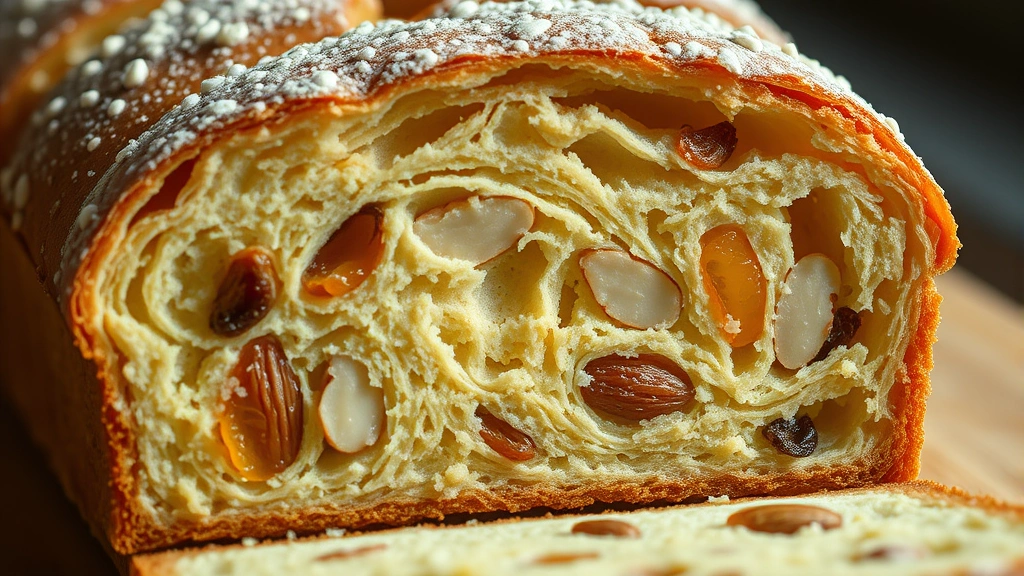
- Remove from the oven and let cool on a wire rack for at least 30 minutes before slicing and serving.
Pro Tips
- **Preparing the Saffron**: Saffron threads should be steeped in warm water for at least 5 minutes before using. This releases their beautiful golden color and distinctive flavor into the liquid. Don’t skip this step—it’s what gives authentic Easter bread its gorgeous hue.
- **Room Temperature Ingredients**: Cold eggs and milk will cool down your dough, which can affect rising times. Remove these from the refrigerator at least 1 hour before baking. This ensures proper fermentation and a lighter, airier crumb.
- **Candied Fruits**: Quality matters here! Look for bright, fresh-looking candied fruits at specialty stores or online. If the fruits seem hard, chop them finely so they distribute evenly and soften during baking. You can also soak them in warm water for 10 minutes to plump them up.
- **Yeast Activation**: Always test your yeast before starting. If the mixture doesn’t become foamy within 5 minutes, your yeast is expired and you’ll need to start over. This is a quick way to avoid baking disappointment.
- **Make-Ahead Instructions**: You can prepare the dough through step 7, then cover and refrigerate overnight. The slow, cold rise actually develops more flavor! Simply remove from the refrigerator, shape, and allow to come to room temperature before the final rise.
- **Storing Your Bread**: Wrap cooled loaves tightly in plastic wrap or store in an airtight container at room temperature for up to 4 days. For longer storage, freeze for up to 3 months. Thaw at room temperature before serving.
- **Customizing Your Bread**: Feel free to adjust the mix of dried fruits and nuts based on your preferences. Dried cranberries, apricots, pistachios, or pine nuts all work beautifully. The total quantity of add-ins should remain around 2 cups.
- **Flavor Variations**: If you don’t have saffron, you can substitute with a pinch of turmeric for color, though the distinctive flavor will be different. Some bakers prefer a touch of orange zest or lemon zest for extra brightness.
- **Perfect for Gifting**: Easter bread makes a wonderful homemade gift. Wrap cooled loaves in clear cellophane with a festive ribbon and a handwritten tag. It’s thoughtful, delicious, and shows you care.
- **Serving Suggestions**: Slice and serve with butter, jam, or simply on its own. It’s also delicious toasted and spread with cream cheese or ricotta. Many families enjoy it as part of an Easter breakfast or brunch spread.