
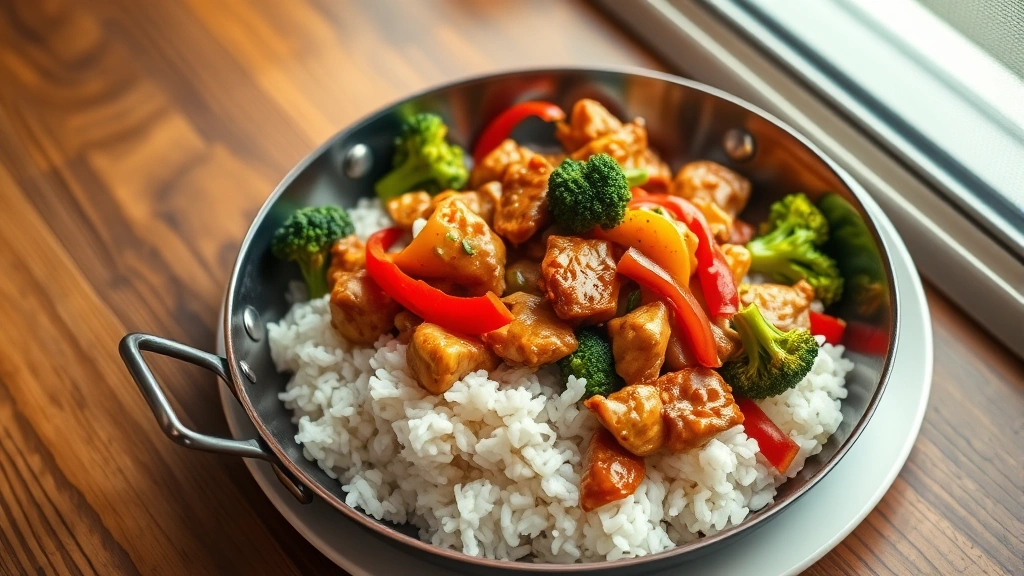
There’s nothing quite like the magic of a perfectly executed stir-fry—that beautiful sizzle in the wok, the vibrant colors of fresh vegetables, and the irresistible aroma of garlic and ginger filling your kitchen. The best part? This classic Asian dish is surprisingly easy to master at home, and it’s faster than ordering takeout!
Stir-frying is one of those cooking techniques that seems intimidating at first, but once you understand the basic principles, you’ll be creating restaurant-quality meals in your own kitchen. The key to success lies in three essential elements: proper preparation (mise en place), high heat, and constant movement. When you have everything prepped and ready before you start cooking, the actual cooking process takes just minutes.
This easy stir-fry recipe is perfect for busy weeknights because it’s incredibly versatile. You can use virtually any protein—chicken, beef, shrimp, or tofu—and any vegetables you have on hand. The beauty of stir-frying is that it’s a forgiving cooking method that celebrates fresh ingredients and bold flavors. Whether you’re cooking for your family or impressing guests, this Asian stir-fry will become a staple in your kitchen.
What makes this recipe truly special is the homemade sauce that brings everything together. Unlike store-bought versions loaded with preservatives and excess sodium, this simple sauce lets the natural flavors of your ingredients shine through. You’ll need just a few pantry staples: soy sauce, sesame oil, garlic, ginger, and a touch of honey for balance. The result is a perfectly balanced dish with savory, slightly sweet, and aromatic notes that will have everyone asking for seconds.
I love serving this stir-fry over steamed rice, cauliflower rice for a lighter option, or even noodles for something different. The cooking technique is so quick that it’s perfect for meal prep too—you can prepare your ingredients in advance and have dinner ready in under 20 minutes on busy evenings.
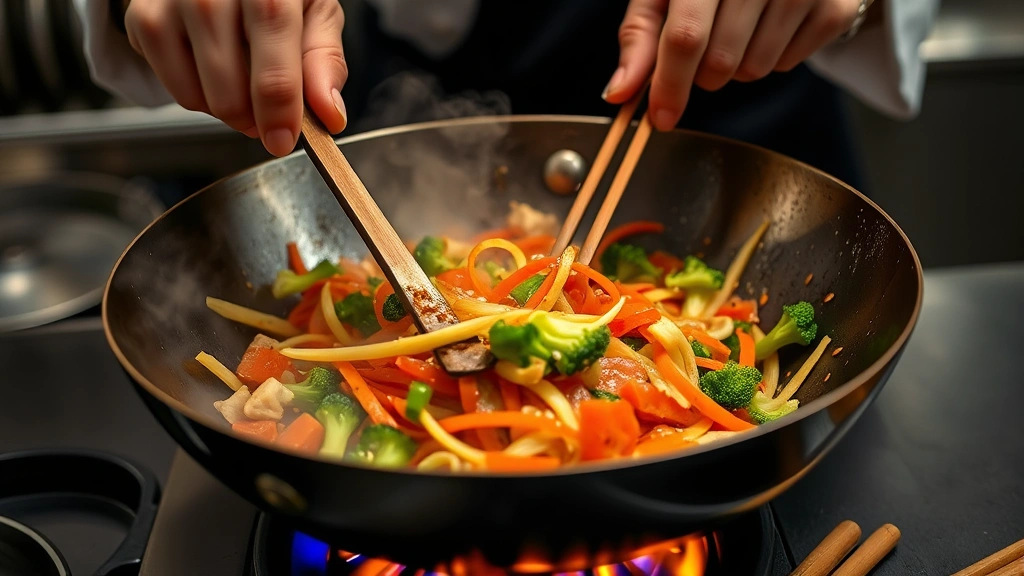
The secret to achieving that restaurant-quality texture and flavor is cooking at high heat and not overcrowding your wok or large skillet. This ensures your vegetables stay crisp-tender and your protein develops a beautiful golden exterior. If you follow the simple steps in this guide, you’ll create a delicious, nutritious meal that’s better than any takeout.
For more inspiration on quick weeknight dinners, this stir-fry is just the beginning. Once you master the basic technique, you can experiment with different sauces, proteins, and vegetables to keep things interesting. The foundation you’ll learn here applies to countless variations, making it an incredibly valuable skill to have in your cooking repertoire.
Ingredients
- 3 tablespoons vegetable oil or peanut oil, divided
- 1.5 pounds boneless, skinless chicken breasts, cut into bite-sized pieces (or your protein of choice)
- 1 large red bell pepper, cut into 1-inch pieces
- 1 large yellow bell pepper, cut into 1-inch pieces
- 2 cups broccoli florets, cut into bite-sized pieces
- 1 cup snap peas, trimmed
- 1 medium carrot, julienned or cut into thin strips
- 4 cloves garlic, minced
- 2 tablespoons fresh ginger, minced
- 1/4 cup low-sodium soy sauce
- 2 tablespoons sesame oil
- 1 tablespoon honey
- 1 teaspoon rice vinegar
- 1/2 teaspoon red pepper flakes (optional, adjust to taste)
- 2 green onions, sliced (white and green parts separated)
- 2 tablespoons sesame seeds for garnish
- 1 tablespoon cornstarch mixed with 2 tablespoons water (cornstarch slurry)
- Salt and pepper to taste
Instructions
- Prepare all your ingredients before you begin cooking. Wash and cut all vegetables into uniform, bite-sized pieces so they cook evenly. Cut your protein into similarly sized pieces. This mise en place is crucial for stir-frying success—once you start cooking, you won’t have time to prep.
- In a small bowl, whisk together the soy sauce, sesame oil, honey, rice vinegar, and red pepper flakes. Set this sauce aside—this is what will bring all your flavors together perfectly.
- Heat 1 tablespoon of vegetable oil in a large wok or skillet over high heat until it’s smoking slightly. You want the pan to be very hot before adding your protein.
- Add the chicken pieces (or your chosen protein) to the hot pan in a single layer. Don’t stir immediately—let it cook undisturbed for 2-3 minutes to develop a golden brown exterior. This creates flavor through the Maillard reaction.
- Stir the chicken and continue cooking for another 3-4 minutes until it’s cooked through and golden brown on all sides. Season with a pinch of salt and pepper. Transfer the cooked chicken to a clean plate.
- Add the remaining 2 tablespoons of oil to the same pan over high heat. Once it’s hot, add your hardest vegetables first—in this case, the broccoli and carrots—which need more cooking time.
- Stir-fry the broccoli and carrots for 2-3 minutes, keeping everything in constant motion so nothing burns. You want to hear that beautiful sizzle throughout the cooking process.
- Add the bell peppers and snap peas to the pan, continuing to stir-fry for another 2 minutes. The vegetables should be starting to soften but still have a slight crunch—this is what makes stir-fry so delicious.
- Create a well in the center of the pan by pushing vegetables to the sides. Add the minced garlic and ginger to the center and stir for about 30 seconds until fragrant. The aromatics will infuse throughout the dish.
- Pour the prepared sauce over all the vegetables and stir everything together thoroughly. Make sure every piece of vegetable is coated with that delicious sauce.
- Return the cooked chicken to the pan and toss everything together, cooking for another 1-2 minutes to heat through and meld all the flavors.
- Stir the cornstarch slurry one more time to ensure it’s well combined, then drizzle it over the stir-fry while stirring constantly. This will thicken the sauce slightly and create a beautiful glaze that coats all the ingredients.
- Cook for another 30 seconds to 1 minute until the sauce reaches your desired consistency and becomes glossy and thick.
- Remove from heat and stir in the white parts of the green onions. Taste and adjust seasoning with additional salt, pepper, or soy sauce if needed.
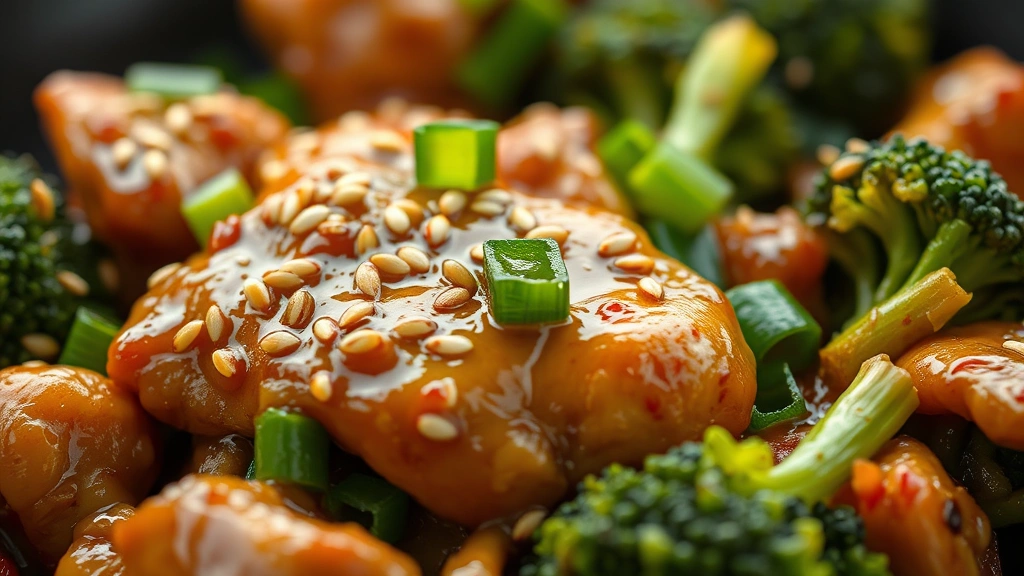
- Transfer to a serving platter and garnish with the green parts of the green onions and sesame seeds. Serve immediately over steamed rice, cauliflower rice, or noodles of your choice.
Pro Tips
- **Protein Options**: While this recipe calls for chicken, you can easily substitute with beef (sirloin or flank steak work beautifully), shrimp (add near the end so it doesn’t overcook), pork tenderloin, or extra-firm tofu for a vegetarian option. Each protein will give you a slightly different flavor profile and texture.
- **Vegetable Variations**: The beauty of stir-fry is its flexibility. Feel free to use whatever vegetables you have on hand—mushrooms, zucchini, bok choy, water chestnuts, baby corn, or cauliflower all work wonderfully. The key is cutting them into uniform sizes so they cook evenly.
- **High Heat is Essential**: Stir-frying requires high heat to achieve that perfect texture and the characteristic restaurant-style flavor. Don’t be afraid of high heat—it’s what creates those slightly caramelized edges on your vegetables and protein. If your pan isn’t hot enough, you’ll end up steaming instead of stir-frying.
- **Don’t Overcrowd the Pan**: If you’re doubling this recipe, cook in batches rather than overcrowding the pan. Overcrowding lowers the temperature and causes steaming rather than proper stir-frying. You want everything in a single layer so it can make contact with the hot surface.
- **Sauce Customization**: Adjust the sauce to your preferences. If you like it spicier, add more red pepper flakes or a dash of sriracha. For more umami depth, add a teaspoon of oyster sauce. For a slightly sweeter version, add more honey.
- **Cornstarch Slurry**: This thickens the sauce and creates that glossy coating you see in restaurants. If you prefer a thinner sauce, use less cornstarch or skip it entirely. The slurry must be stirred right before adding so the cornstarch doesn’t settle.
- **Serving Suggestions**: This stir-fry pairs beautifully with jasmine rice, brown rice, or cauliflower rice. You can also serve it over rice noodles, udon noodles, or even lo mein for variation. A side of pickled vegetables or a cucumber salad adds refreshing contrast.
- **Make Ahead Tips**: Prep all your vegetables and protein the night before and store in the refrigerator. Make the sauce ahead too. This way, actual cooking takes just 12 minutes—perfect for busy weeknights.
- **Storage**: Leftovers keep well in an airtight container in the refrigerator for up to 3 days. Reheat gently in a wok or skillet over medium-high heat. The sauce may thicken as it cools, so add a splash of water when reheating if needed.
- **Equipment Notes**: A wok is ideal for stir-frying because of its high sides and rounded bottom, but a large skillet works perfectly fine too. The important thing is having enough surface area and high heat capability.