
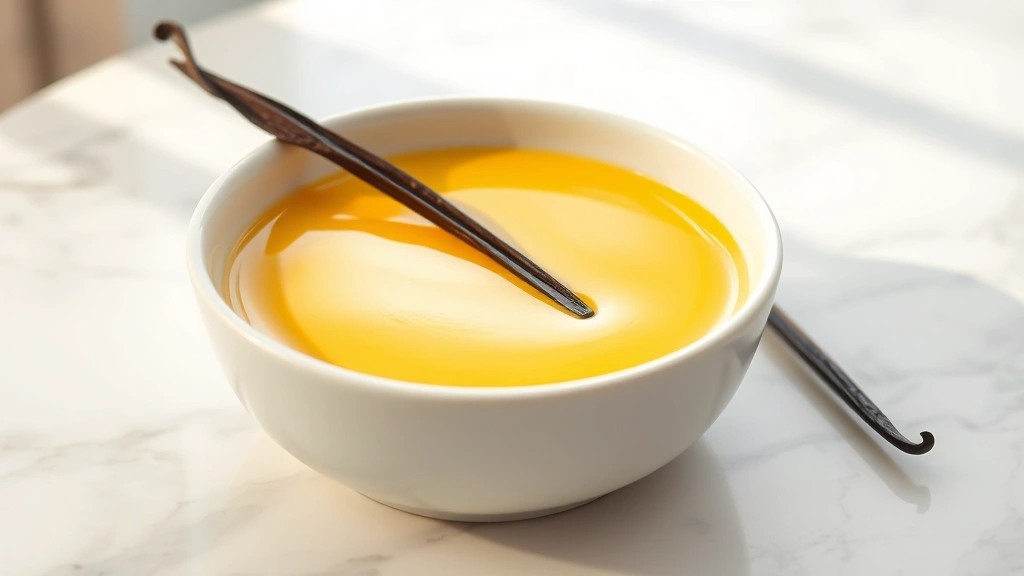
There’s something absolutely magical about a silky, luxurious egg yolk custard that makes you feel like you’re dining at the finest French patisserie. This best egg yolk custard recipe is the foundation for so many elegant desserts and decadent sauces, and once you master this classic technique, you’ll wonder how you ever lived without it. The beauty of custard lies in its simplicity – just a handful of quality ingredients transformed through gentle heat and careful attention into pure comfort in a bowl.
I absolutely adore making custard at home because there’s no mystery to it, just pure culinary joy. Whether you’re draping it over warm pie, folding it into whipped cream for a luxurious mousse, or enjoying it on its own with fresh berries, this egg yolk custard is endlessly versatile. Many home bakers shy away from custard because they’ve had a broken, grainy experience, but I promise you that with the right technique and a little patience, you’ll create the silkiest, most velvety custard that will have everyone asking for your secret.
The key to success is understanding that egg yolks need gentle, consistent heat and constant movement. This isn’t the time to rush or get distracted – custard demands your attention and rewards you with results that taste far more complicated than they actually are. I love teaching this recipe because it builds confidence in the kitchen and opens up a world of dessert possibilities. Once you master this foundational technique, you can customize it with vanilla beans, liqueurs, or different extracts to create endless variations that will impress even the most discerning dessert lover.
This luxurious sauce technique is similar to how we build rich, creamy sauces. You’ll also find that making cream-based recipes becomes so much easier once you understand custard fundamentals. If you’re looking to serve this alongside dinner, consider pairing it with our Easy Chicken Alfredo Recipe. For a lighter accompaniment, the Perfect Lemon Orzo Recipe would be delightful, and to round out your meal, don’t miss our Best Chickpea Salad Recipe.
For more detailed custard techniques, check out Serious Eats’ custard guide, and New York Times Cooking has wonderful variations on classic custards. Bon Appétit features stunning custard-based desserts that will inspire your next dinner party. I also recommend exploring Serious Eats’ egg yolk recipes for more creative applications, and NYT’s pastry section has incredible custard variations worth exploring.
Ingredients
- 8 large egg yolks, at room temperature
- 1/2 cup granulated sugar
- 1 3/4 cups whole milk
- 1 3/4 cups heavy cream
- 1 vanilla bean, split and scraped (or 2 teaspoons vanilla extract)
- 1/4 teaspoon salt
- 2 tablespoons unsalted butter (optional, for extra richness)
Instructions
- Create your mise en place by gathering all ingredients and setting them within arm’s reach. If using a vanilla bean, split it lengthwise with a sharp knife and gently scrape the tiny black seeds into a small bowl – these precious seeds are flavor gold. Have a fine mesh strainer ready near your stove, as well as a bowl filled with ice water where you can nestle a smaller bowl to stop the cooking process quickly.
- In a medium heavy-bottomed saucepan, combine the whole milk, heavy cream, vanilla bean pods (if using), and salt. Place over medium heat and allow the mixture to gently come to a steaming point – you want to see steam rising and tiny bubbles forming around the edges, but not a rolling boil. This infusion step is crucial for maximum vanilla flavor extraction.
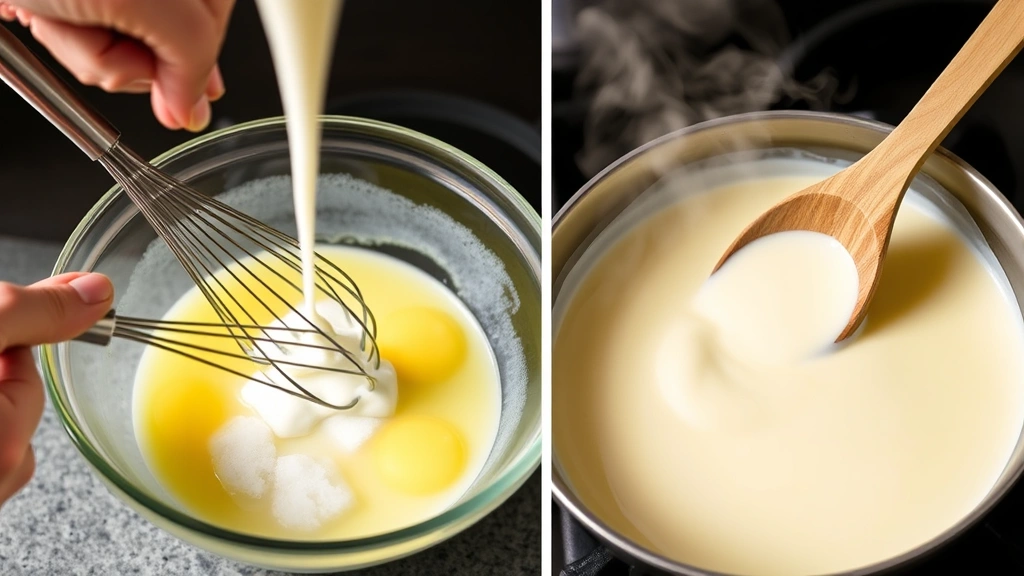
- While the cream mixture heats, place your egg yolks in a large mixing bowl and whisk them together for about one minute until they lighten slightly in color and become homogeneous. The yolks should look smooth and pale, not separated and glossy.
- Add the granulated sugar to the egg yolks in a slow, steady stream while whisking constantly. Continue whisking for 2-3 minutes until the mixture becomes pale yellow, thick, and forms ribbons when you lift the whisk – this is called the “ribbon stage” and indicates that the sugar has dissolved and the yolks are properly aerated.
- Remove the cream mixture from heat and let it cool for exactly one minute. This step prevents scrambling the eggs when you combine them. Very slowly – and I cannot stress this enough – begin pouring the warm cream into the egg mixture while whisking constantly. Add the cream in a thin stream, not all at once, whisking continuously. This tempering process is what separates silky custard from scrambled eggs.
- Once you’ve incorporated about half the cream mixture, the egg mixture will be warm enough to handle the remaining cream more quickly. Continue whisking and pour in the remaining cream in a slightly faster stream while still whisking constantly. The mixture should be smooth, homogeneous, and warm to the touch.
- Pour the combined mixture through a fine mesh strainer into a clean saucepan, pressing gently with the back of a spoon to remove any small cooked egg bits. This straining step ensures an impossibly silky texture. Return the saucepan to medium heat.
- Cook the custard while stirring constantly with a wooden spoon or heat-resistant silicone spatula, making sure to scrape the bottom and sides of the pan frequently. The custard will gradually thicken as you cook it – this should take 8-12 minutes depending on your heat level. You’re aiming for a temperature of 160-165°F on an instant-read thermometer, which ensures food safety while maintaining silky texture.
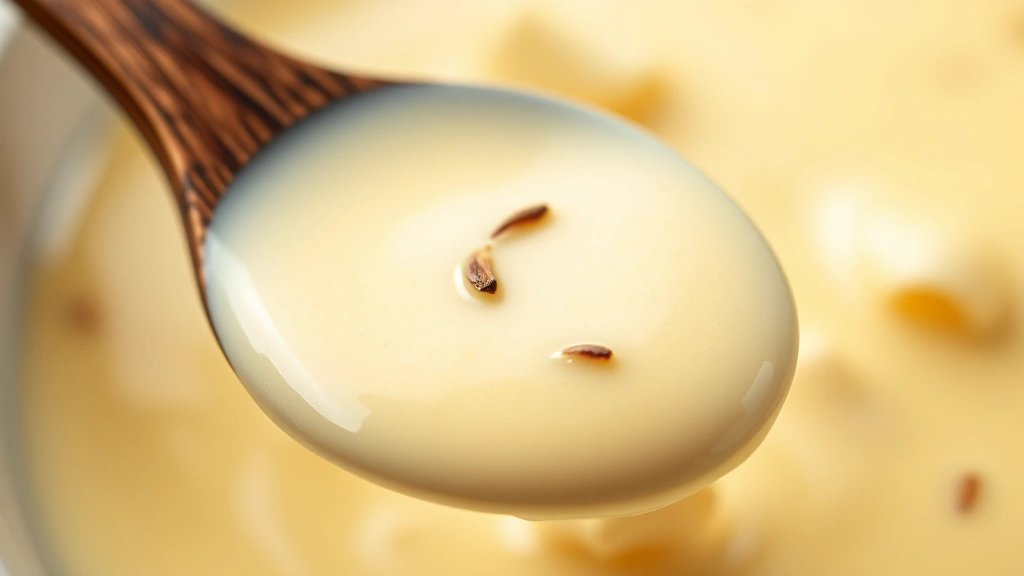
- You’ll know the custard is done when it coats the back of a spoon thickly – dip a spoon in the hot custard, remove it, and draw your finger across the back. If the line holds and doesn’t immediately run together, you’ve reached the perfect consistency. Remove from heat immediately.
- Stir in the butter if using, and the vanilla extract if using instead of the bean pod. The butter adds an extra touch of luxury and richness that takes this custard to the next level.
- Place your custard bowl into the ice bath you prepared earlier and stir occasionally for 5-10 minutes to stop the cooking process and cool it quickly. This prevents overcooking and ensures the silkiest texture possible.
- Once cooled to room temperature, transfer the custard to a glass container with a lid. Press plastic wrap directly onto the surface of the custard to prevent a skin from forming, then cover and refrigerate until serving. The custard will thicken slightly more as it cools.
Pro Tips
- This custard is best served chilled or at room temperature, though it’s also wonderful gently warmed. Store in an airtight container in the refrigerator for up to 5 days.
- The most common custard mistake is cooking it too fast or at too high heat, which causes the eggs to scramble. Keep your heat at medium and stir constantly – patience is your friend.
- If your custard does break or becomes grainy, immediately strain it through a fine mesh sieve and whisk in a tablespoon of cold heavy cream at a time until it becomes smooth again.
- For a thicker custard suitable for piping, add 1 tablespoon of cornstarch mixed with 2 tablespoons of cold milk to the egg yolk mixture before adding the warm cream.
- Vanilla beans vary greatly in quality – look for plump, dark, pliable beans that are fragrant. One quality bean is better than two dried-out ones.
- You can customize this custard endlessly: replace some milk with brewed strong coffee for coffee custard, add a tablespoon of dark rum or brandy for depth, or infuse the cream with cinnamon sticks and nutmeg for a spiced version.
- For a no-bean vanilla custard, use 2 teaspoons pure vanilla extract, but wait to add it until after the custard is completely cooked to preserve the delicate vanilla flavor.
- This custard is perfect for topping warm cobblers, filling cream pies, layering into trifles, or serving alongside fresh berries. It’s also the base for homemade vanilla ice cream.
- An instant-read thermometer is invaluable for custard making – aim for 160-165°F for the safest, silkiest result.
- Make sure all your equipment is impeccably clean and dry before starting – any grease or debris can affect the final texture.
- If you don’t have a vanilla bean, quality vanilla extract works beautifully, though the flavor profile will be slightly different – and that’s perfectly acceptable.