
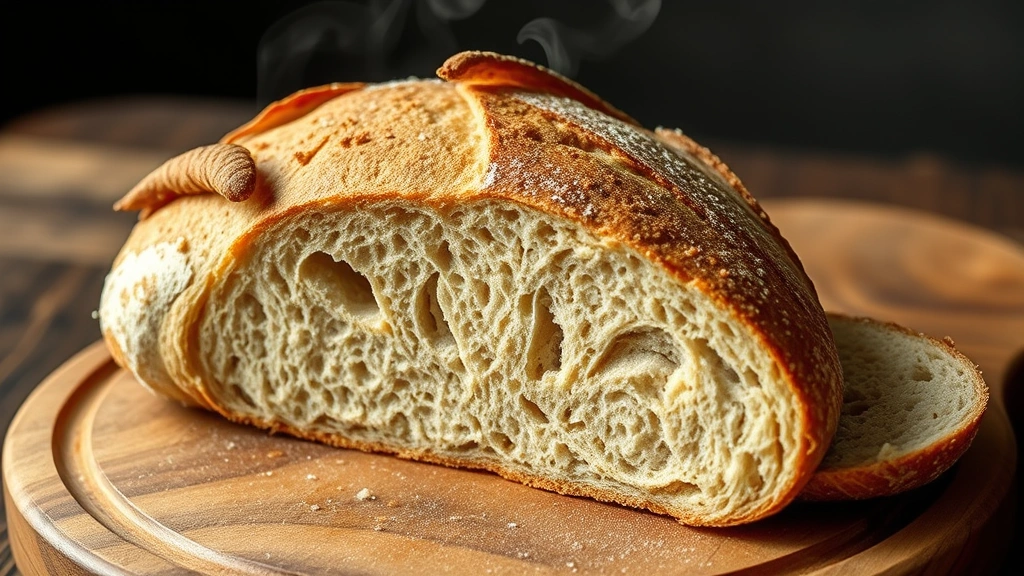
Einkorn sourdough bread is a rustic, naturally leavened loaf made with ancient grain flour that produces a beautifully open crumb and complex flavor. This heritage wheat variety has been cultivated for thousands of years and creates a distinctly nutty, tender bread that’s easier to digest than modern wheat varieties. The naturally fermented starter breaks down the gluten and starches, making this an excellent choice for those with wheat sensitivities.
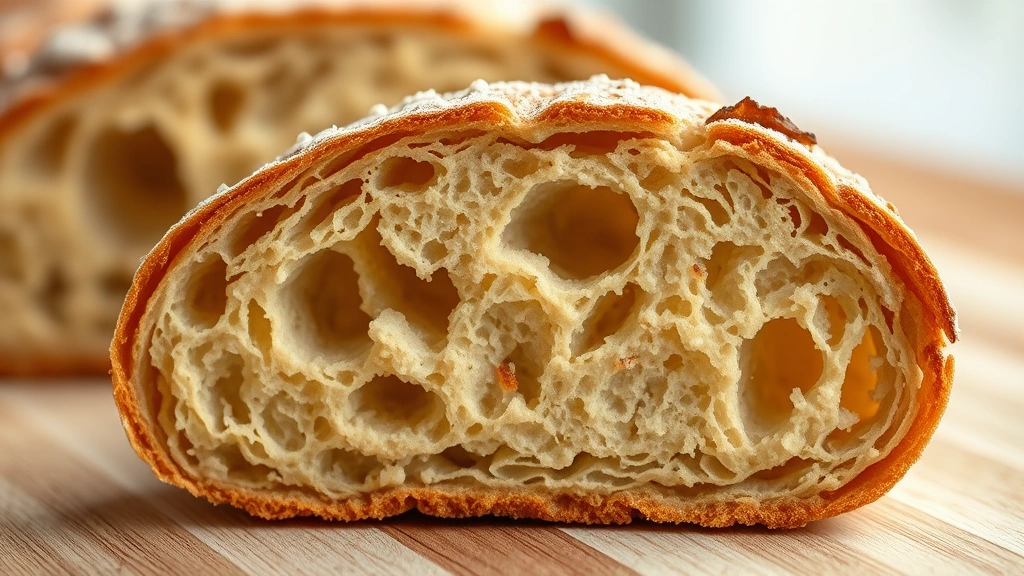
Making einkorn sourdough requires patience and understanding of how this ancient grain behaves differently than conventional bread flour. Einkorn has less gluten development potential, which means your dough will be wetter and require gentler handling. The fermentation timeline is also shorter, typically 4-6 hours instead of the 8-12 hours common with regular sourdough. But don’t let this intimidate you—the results are absolutely worth it. This bread develops a gorgeous golden-brown crust with stunning scoring, an open and airy crumb structure, and a flavor profile that’s more complex and nuanced than standard loaves.
I’ve perfected this recipe through countless batches, learning exactly how to work with einkorn’s unique properties. The key is using a mature, active starter, maintaining proper hydration levels, and respecting the shorter bulk fermentation window. You’ll also want to ensure your kitchen temperature is around 75-78°F for optimal fermentation timing. If your kitchen runs cooler, your timeline will extend slightly. The beauty of sourdough baking is that it’s forgiving once you understand the visual cues—your dough should look puffy and increased in volume, not necessarily a specific time frame.
For detailed guidance on bread accompaniments, consider pairing this stunning einkorn loaf with compound butters or quality spreads. The nutty flavor of einkorn makes it exceptional for everything from savory applications to simple breakfast toast with jam. If you’re looking to create a complete meal, you might enjoy serving this alongside fresh salads or roasted vegetables.
If you’re new to sourdough baking, I recommend checking out this comprehensive sourdough guide from Serious Eats for foundational techniques. For more on ancient grains and their properties, Bon Appétit’s sourdough resources offer excellent insights. Additionally, The New York Times Cooking section has wonderful information on fermented breads and natural leavening.
Ingredients
- 500g einkorn whole wheat flour (or einkorn white flour for lighter crumb)
- 350ml filtered water (70% hydration)
- 100g active sourdough starter (fed 4-8 hours prior, at peak)
- 10g fine sea salt
- 1g instant yeast (optional, for insurance)
- Extra einkorn flour for dusting and scoring
Instructions
- Prepare your active starter by feeding it 4-8 hours before beginning. Your starter should be bubbly, doubled in volume, and pass the float test (a small spoonful floats in water). This ensures optimal fermentation power.
- In a large mixing bowl, combine 500g einkorn flour with 350ml filtered water. Stir until all flour is hydrated and you have a shaggy dough. Let this rest for 30 minutes to 1 hour (autolyse phase) to allow the ancient grain to fully absorb water and develop flavor.
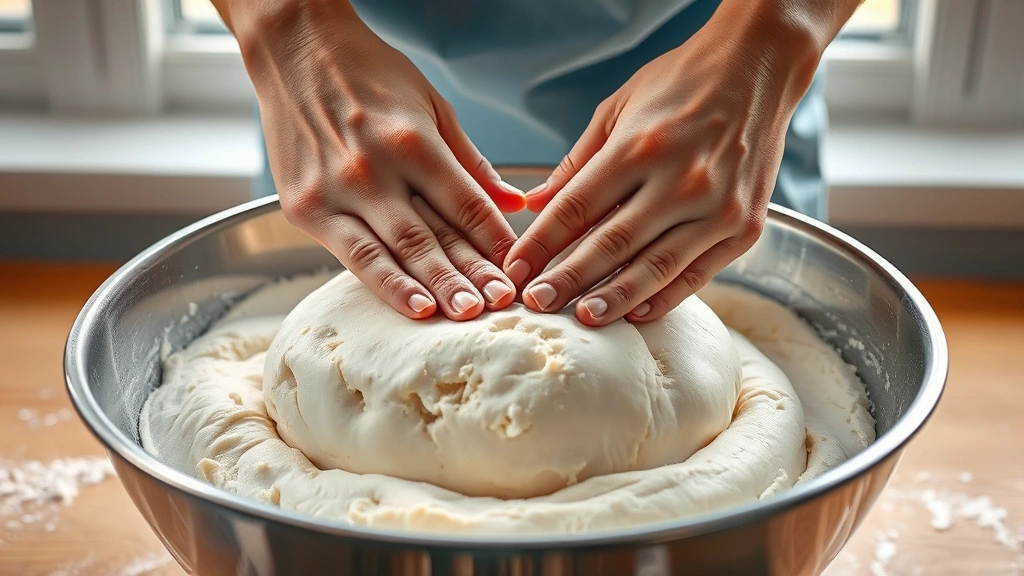
- After the autolyse rest, add your 100g active starter and 10g salt to the dough. Using wet hands or a dough scraper, incorporate the starter and salt thoroughly into the dough using a pinching and folding motion. Work gently to avoid overworking the delicate einkorn gluten.
- Perform a series of stretch-and-folds over the next 2 hours. Every 30 minutes, wet your hand and gently stretch one section of dough up and fold it over itself, rotating the bowl and repeating until you’ve gone around all sides. This strengthens the gluten network without aggressive kneading. Do this 4 times total (approximately 2 hours of bulk fermentation).
- After the final stretch-and-fold series, let the dough rest for another 1-2 hours at room temperature (around 75-78°F). The dough should increase in volume by 30-50% and feel puffy and light. Einkorn ferments faster than regular wheat, so watch for visual cues rather than strict timing.
- When the dough has visibly risen and passes the poke test (a gentle finger poke springs back slowly), prepare your banneton proofing basket by dusting it generously with einkorn flour.
- Turn the dough out onto a lightly floured surface. Shape gently but confidently: fold the dough in half, then in quarters, creating surface tension. Place seam-side up in your floured banneton basket.
- Cover the banneton with plastic wrap or place it in a large plastic bag. Let the shaped dough cold-proof in the refrigerator for 12-16 hours, or up to 24 hours. This overnight chill develops flavor and makes scoring easier.
- About 1 hour before baking, preheat your oven to 475°F with a Dutch oven inside. Allow the Dutch oven to fully heat—this creates the steam necessary for a beautiful, crispy crust.
- Carefully remove the cold dough from the refrigerator. Turn the banneton upside down and gently release the dough onto a sheet of parchment paper.
- Using a very sharp bread lame or razor blade, score the top of the dough with a confident, single slash at a 30-degree angle. The score should be about ¼-inch deep. This controls where the bread expands and creates the beautiful ear.
- Carefully transfer the parchment paper with the dough into the preheated Dutch oven. Cover with the lid and bake for 25 minutes. This initial covered period traps steam.
- Remove the Dutch oven lid and bake for an additional 12-15 minutes until the crust is deep golden brown. The internal temperature should reach 205-210°F when measured with an instant-read thermometer inserted into the thickest part of the loaf.
- Transfer the baked loaf to a cooling rack and let it rest for at least 1 hour before slicing. This allows the interior crumb to fully set. Cutting too early will result in a gummy interior.
- Once cooled, slice with a serrated bread knife using a gentle sawing motion. Store cut-side down on a cutting board at room temperature for 2-3 days, or wrap tightly and freeze for up to 3 months.
Pro Tips
- Einkorn flour behaves differently than all-purpose or bread flour due to its shorter gluten strands and lower protein content (12-14% vs 13-15% in modern wheat). This means your dough will feel wetter and more delicate—this is completely normal and not a mistake.
- Active starter is crucial for einkorn sourdough. Your starter must be truly peaked (doubled, bubbly, with a domed or slightly fallen top) before use. A sluggish starter will result in under-fermented bread with dense crumb and poor rise.
- The 70% hydration level is appropriate for einkorn. If your kitchen is particularly humid or your flour absorbs water quickly, you might only need 340ml water. Start with the full amount and adjust in future bakes based on your dough’s consistency.
- Temperature control is essential. Ideal fermentation happens between 75-78°F. Cooler kitchens will require longer fermentation times, while warmer kitchens may ferment faster. Use visual cues—your dough should increase 30-50% during bulk fermentation.
- The optional instant yeast (1g) serves as insurance if your starter is less vigorous than ideal. It won’t significantly impact flavor but helps guarantee a good rise. Omit if using a very active, mature starter.
- Don’t skip the cold overnight proof. This stage is not just convenient—it actually improves flavor development and makes the dough easier to score. The cold also slows fermentation, preventing over-proofing.
- Scoring technique matters. A confident, swift slash is better than tentative sawing. Hold the lame at 30 degrees and cut about ¼-inch deep into the dough. This creates the characteristic “ear” and controls expansion.
- Einkorn develops a thicker crust than modern wheat breads. This is a feature, not a flaw. The crust protects the tender interior and provides wonderful texture contrast.
- If your loaf isn’t rising sufficiently, it may be under-fermented. Next time, allow an additional 30-60 minutes of bulk fermentation or ensure your starter is even more active.
- Store completely cooled bread in a paper bag at room temperature for 2-3 days. Paper allows air circulation and maintains crispness better than plastic. For longer storage, freeze in an airtight container.
- Einkorn’s nutritional profile includes higher levels of lutein and beta-carotene compared to modern wheat, plus the fermentation process makes nutrients more bioavailable.
- Troubleshooting dense crumb: increase bulk fermentation time, ensure starter is more active, or try a slightly warmer proofing location.
- Troubleshooting gummy interior: bake to a higher internal temperature (210°F), ensure adequate cooling time before slicing, or extend bulk fermentation slightly.