

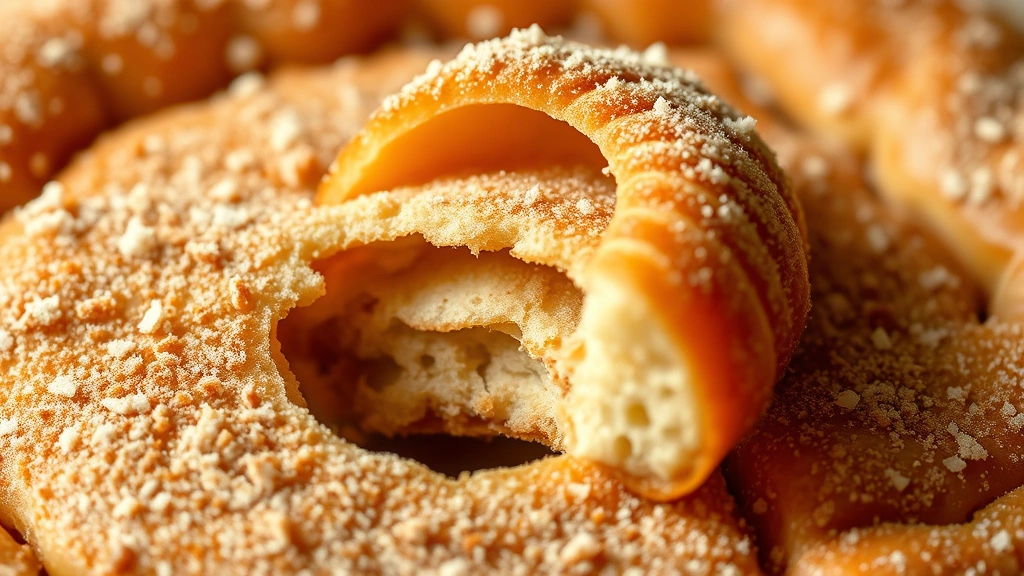
Elephant ears are one of those magical fair foods that seem impossibly delicious yet surprisingly simple to make at home. With just a few basic ingredients and a little patience, you can create these golden, crispy-on-the-outside, tender-on-the-inside pastries that will have everyone asking for your secret. These fried dough treats are traditionally dusted with cinnamon sugar, though variations abound—some add chocolate, others go savory. The beauty of elephant ears is their versatility; they’re perfect for breakfast, dessert, or that afternoon snack when you’re craving something indulgent.
What makes this recipe so special is that it uses simple pantry staples and doesn’t require any special equipment beyond a rolling pin and a deep pot or fryer. Whether you’re a seasoned baker or someone who rarely ventures into the kitchen, you’ll find this recipe approachable and forgiving. The dough comes together quickly, and while it does need some resting time, most of that is hands-off. Once you master the basic technique, you can start experimenting with different toppings and fillings to make them truly your own.
I love making elephant ears for gatherings because they’re guaranteed crowd-pleasers. Kids adore them, adults can’t resist them, and they look far more impressive than the minimal effort required suggests. Plus, there’s something wonderfully nostalgic about biting into a warm, cinnamon-sugar-coated elephant ear—it instantly transports you back to summer fairs and childhood memories. This recipe yields a generous batch, so you’ll have plenty to share (or enjoy over several days, though they’re best eaten fresh).
The key to perfect elephant ears lies in achieving the right balance of crispiness and tenderness, and I’ll walk you through exactly how to do that. You’ll learn the importance of proper oil temperature, the right thickness for cutting, and the timing that prevents them from becoming greasy. Once you’ve made these a few times, they’ll become a go-to recipe you return to again and again.
Ingredients
- 3 cups all-purpose flour
- 1 tablespoon granulated sugar
- 1½ teaspoons salt
- 1 tablespoon unsalted butter, softened
- 1 cup warm water (110°F)
- 2 teaspoons instant dry yeast
- Oil for deep frying (vegetable, canola, or peanut oil)
- ½ cup granulated sugar (for coating)
- 2 tablespoons ground cinnamon (for coating)
- 2 tablespoons unsalted butter, melted (for coating)

Instructions
- Combine 1 tablespoon sugar, salt, and softened butter in a large mixing bowl. Pour in the warm water and sprinkle the instant yeast over the top.
- Let the yeast mixture sit for 5 minutes until foamy, which indicates the yeast is alive and active.
- Add the all-purpose flour to the yeast mixture one cup at a time, stirring well after each addition until a shaggy dough forms.
- Once all flour is incorporated, knead the dough on a lightly floured surface for 8-10 minutes until smooth and elastic. The dough should be slightly sticky but manageable.
- Place the kneaded dough in a lightly oiled bowl, turning to coat all sides. Cover with a damp kitchen towel and let rise in a warm place for 1 hour until doubled in size.
- Divide the risen dough into 2 equal pieces. Working with one piece at a time, roll it out on a floured surface into a thin rectangle about ¼-inch thick and roughly 8×12 inches.
- Using a sharp knife or pastry wheel, cut the dough into diamond or rectangle shapes, approximately 3-4 inches long. Place cut pieces on parchment paper, spacing them apart.
- Cover the cut dough pieces with a damp towel and let them rest for 15-20 minutes at room temperature.
- Heat oil to 375°F in a deep pot, Dutch oven, or electric fryer. Use a thermometer to ensure accurate temperature—this is crucial for proper cooking.
- While oil heats, combine the ½ cup sugar and cinnamon in a shallow bowl or plate for coating.
- Carefully place 2-3 elephant ear pieces into the hot oil, being cautious of splashing. They should immediately begin to float.
- Fry for 1-2 minutes on the first side until golden brown, then carefully flip using tongs or a slotted spoon.
- Fry the second side for another 1-2 minutes until evenly golden brown and crispy.
- Remove the fried elephant ears from the oil using a slotted spoon and place on a paper towel-lined plate to drain excess oil.
- While still warm, brush both sides lightly with melted butter using a pastry brush.
- Immediately dredge the buttered elephant ears in the cinnamon-sugar mixture, coating both sides generously.
- Transfer to a serving platter or cooling rack. Repeat the frying and coating process with remaining dough pieces.
- Serve warm and enjoy immediately, or store in an airtight container at room temperature for up to 2 days (reheat in a 350°F oven for 5 minutes to restore crispiness).
Pro Tips
- Oil temperature is absolutely critical—if it’s too cool, the elephant ears will absorb excess oil and become greasy; too hot and they’ll brown before cooking through. Invest in a reliable instant-read thermometer.
- Don’t skip the resting time for the dough. This allows the gluten to relax, making the dough easier to work with and resulting in a more tender final product.
- The dough can be made ahead and refrigerated for up to 24 hours. Simply remove from the refrigerator 30 minutes before rolling and cutting to bring to room temperature.
- Experiment with different coatings: try chocolate-hazelnut, maple-cinnamon, vanilla sugar, or even a savory herb-parmesan combination for variety.
- If you prefer less greasy elephant ears, try baking them at 425°F for 12-15 minutes instead of frying. They won’t be quite as crispy, but they’ll still be delicious and much lighter.
- Fresh elephant ears are best enjoyed within a few hours of frying, while they’re still warm and crispy. Store leftovers in an airtight container to maintain texture.
- For a fun twist, try filling the elephant ears before frying by piping jam, custard, or chocolate filling into the center of each piece just before frying.
- You can prepare the dough in a stand mixer fitted with the dough hook if preferred—mix on low speed for 6-8 minutes instead of kneading by hand.
- The recipe doubles easily if you need to feed a crowd. Simply multiply all ingredients and allow extra rising and frying time.
- Keep oil clean by using a fine-mesh strainer to remove any debris between batches. This prevents burnt bits from sticking to your elephant ears.