

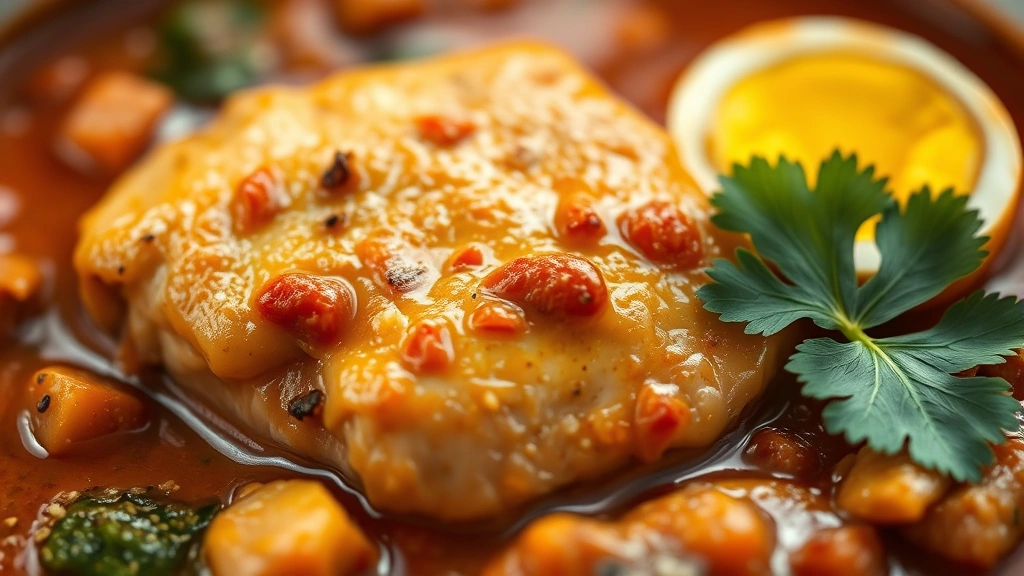
Doro Wat is the jewel of Ethiopian cuisine—a deeply spiced, aromatic chicken stew that’s absolutely divine. This traditional recipe features tender chicken thighs simmered in a rich, complex sauce made with berbere spice, onions, and a hint of ginger and garlic. It’s the kind of dish that fills your kitchen with incredible aromas and brings everyone to the table.
What makes authentic doro wat so special is the careful layering of flavors. The berbere spice blend is the star here, and if you can find it at an Ethiopian market or order it online, it will make all the difference. However, I’ve included instructions for making your own blend if needed. The cooking process is wonderfully meditative—you’ll start by caramelizing onions to a deep golden brown, which creates the flavor foundation for everything else.
This recipe serves 4-6 people and is perfect for entertaining or meal prep. It tastes even better the next day, making it ideal for busy weeknights. Serve it over injera (Ethiopian flatbread) or with rice, and watch your guests fall in love with this incredible dish.
For more Ethiopian-inspired sides like chickpea salad, or to explore other vibrant vegetable preparations, check out these complementary recipes. The beauty of Ethiopian cooking is how it celebrates bold spices and wholesome ingredients—much like how we approach all our cooking here at Preppy Kitchen.
If you’re new to Ethiopian cuisine, this recipe is the perfect entry point. The ingredients are accessible, the technique is straightforward, and the results are absolutely restaurant-quality. I’ve been making this for years, and it never fails to impress.
For more information on Ethiopian spice blends and cooking techniques, check out Serious Eats’ Ethiopian cooking guide or explore Bon Appétit’s international recipe collection. The New York Times Cooking section also has wonderful resources for mastering world cuisines.
Ingredients
- 3 pounds chicken thighs, bone-in and skin-on, cut into 2-inch pieces
- 4 large yellow onions, finely diced (about 6 cups)
- 6 tablespoons berbere spice blend
- 4 tablespoons tomato paste
- 6 cloves garlic, minced
- 2 tablespoons fresh ginger, minced
- 3 tablespoons Ethiopian butter (niter kibbeh) or clarified butter
- 1 cup chicken stock or water
- 3 hard-boiled eggs, peeled and halved
- 2 tablespoons fresh lemon juice
- Salt and pepper to taste
- ¼ teaspoon cayenne pepper (optional, for extra heat)
- Fresh cilantro for garnish
- Injera or rice for serving
Instructions
- Pat the chicken pieces dry with paper towels and season generously with salt and pepper on all sides. This helps ensure proper browning.
- Heat the Ethiopian butter in a large, heavy-bottomed pot or Dutch oven over medium-high heat until shimmering.
- Working in batches to avoid overcrowding, brown the chicken pieces on all sides, about 3-4 minutes per side. Transfer the browned chicken to a plate and set aside.
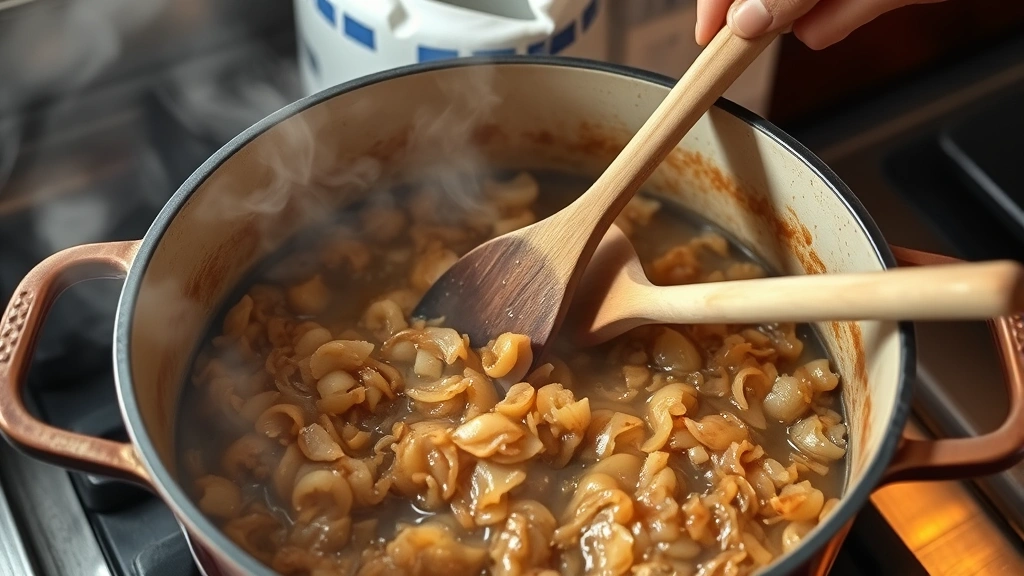
- In the same pot, add the diced onions and reduce heat to medium. Cook the onions slowly, stirring frequently, for about 25-30 minutes until they’re deeply caramelized and golden brown. This is crucial for building the flavor base—don’t rush this step.
- Once the onions are caramelized, add the minced garlic and ginger to the pot and cook for 1-2 minutes until fragrant, stirring constantly.
- Add the berbere spice blend to the pot and stir well to combine with the onions, cooking for about 1 minute to bloom the spices and release their flavors.
- Stir in the tomato paste and mix thoroughly, cooking for another minute to caramelize slightly.
- Return the browned chicken pieces to the pot, stirring to coat them evenly with the spice mixture.
- Pour in the chicken stock (or water) and bring the mixture to a simmer. Reduce heat to medium-low and partially cover the pot with a lid.
- Simmer gently for 40-45 minutes, stirring occasionally, until the chicken is tender and cooked through. The sauce should reduce and become rich and thick.
- Taste the sauce and adjust seasoning with salt, pepper, and additional cayenne if desired. The flavor should be complex, warming, and deeply savory.
- Gently nestle the hard-boiled egg halves into the stew and cook for an additional 2-3 minutes to warm them through.
- Remove from heat and stir in the fresh lemon juice, which brightens all the deep spices beautifully.
- Transfer the doro wat to a serving platter or individual bowls, garnish with fresh cilantro, and serve immediately over injera or rice.
Pro Tips
- Berbere Spice Blend: This is the heart of the dish. If you can’t find pre-made berbere, you can make your own by combining 2 tablespoons paprika, 1 tablespoon cayenne pepper, 1 teaspoon fenugreek, 1 teaspoon coriander, 1 teaspoon cardamom, ½ teaspoon black pepper, ½ teaspoon cloves, ½ teaspoon nutmeg, ¼ teaspoon allspice, and ¼ teaspoon cinnamon. Toast the spices briefly in a dry skillet before grinding together for maximum flavor.
- Ethiopian Butter (Niter Kibbeh): This clarified butter infused with spices is traditional in Ethiopian cooking. To make it, melt 1 pound of unsalted butter over low heat, let it simmer gently for 10 minutes, then strain through cheesecloth, discarding the milk solids. You can infuse it with spices like cardamom, cinnamon, cloves, and fenugreek for authentic flavor. Regular clarified butter or ghee works in a pinch.
- Chicken Selection: Bone-in, skin-on chicken thighs are essential here—they provide much more flavor than breasts and stay tender throughout the long cooking process. Don’t substitute with chicken breasts unless absolutely necessary.
- Make-Ahead: This dish is perfect for make-ahead cooking. Prepare it up to 2 days in advance and store it in an airtight container in the refrigerator. The flavors actually deepen as it sits. Reheat gently over medium-low heat, adding a splash of water if needed.
- Serving Traditions: Authentic Ethiopian meals are communal—doro wat is traditionally served on a large platter lined with injera, with various dishes arranged on top. Diners tear off pieces of injera and use them to scoop up the stew. If injera isn’t available, basmati rice or farro are excellent alternatives.
- Ingredient Substitutions: If you’re sensitive to spice, reduce the berbere to 4 tablespoons and omit the cayenne. For a lighter version, use bone-in chicken breasts instead of thighs, though cooking time may be slightly shorter.
- Spice Level: This recipe is moderately spiced—warm and complex rather than fiery. The cayenne pepper is optional; add it only if you prefer more heat. Start with the base recipe and adjust to your preference.
- Fresh Ingredients Matter: Use fresh ginger and garlic rather than jarred versions—the flavor difference is significant in a dish where spices are so central.