
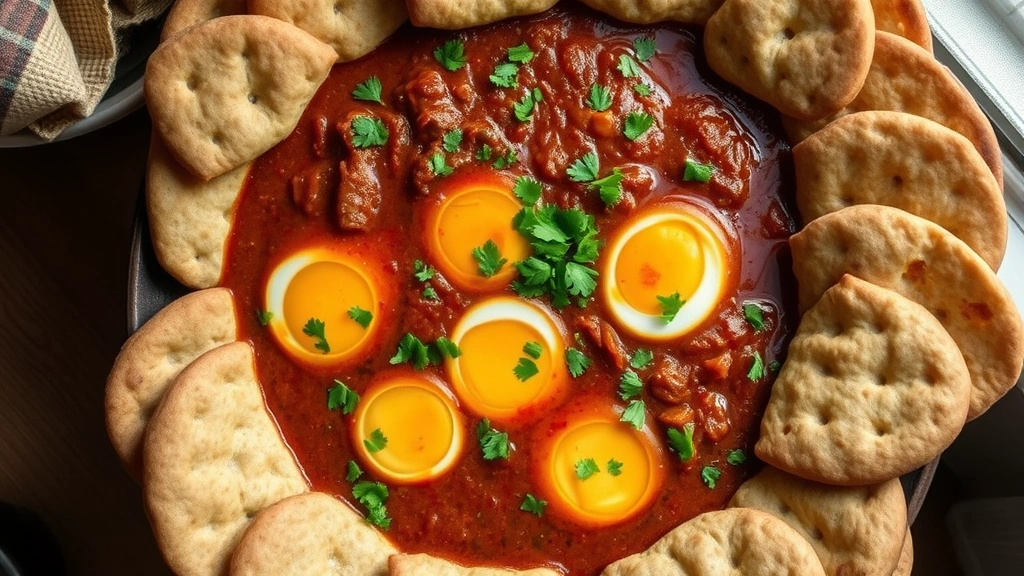
Doro Wat is the crown jewel of Ethiopian cuisine—a deeply aromatic, richly spiced chicken stew that’s absolutely divine served over injera. This authentic recipe brings the warmth and complexity of Ethiopian flavors right into your kitchen, with tender chicken, hard-boiled eggs, and a gorgeous reddish-brown sauce made from berbere spice blend and onions. It’s comfort food at its finest, and honestly, once you master this dish, you’ll be making it constantly.
What makes doro wat so special is the technique—we’re building layers of flavor by caramelizing onions slowly, toasting spices to release their essential oils, and letting everything simmer together until the chicken becomes fall-apart tender. The addition of hard-boiled eggs isn’t just traditional; it adds richness and visual appeal that makes this dish restaurant-worthy. This isn’t a weeknight rush dinner, but rather a labor of love that rewards patience and attention. Think of it as similar to crafting a beautiful Heavy Cream Alfredo Sauce where the quality of your technique matters as much as your ingredients.
I’ve tested this recipe multiple times, adjusting spice levels and cooking times to ensure you get the absolute best results. The key is using authentic berbere spice—this Ethiopian spice blend is the backbone of the entire dish. While some recipes call for tomato paste and ginger, this version keeps things more traditional and lets the spices shine. Serve it with fluffy injera bread (that spongy sourdough flatbread), and you’ve got an Ethiopian feast that will impress everyone at your table.
The beauty of doro wat is that it’s naturally gluten-free and can easily be made dairy-free, making it perfect for various dietary needs. Plus, it actually tastes better the next day as the flavors continue to develop and meld together. Make a big batch and enjoy it throughout the week—it’s meal prep that feels like fine dining. For a complete Ethiopian spread, pair this with Pickled Red Onion Recipe for brightness and acidity that cuts through the richness beautifully.
If you’re new to Ethiopian cooking, don’t let the ingredients intimidate you. Most specialty items are available online or at international markets, and once you have them, you can make this dish again and again. This is the kind of recipe that becomes a family favorite, the one people ask you to bring to potlucks, the dish that makes your kitchen smell absolutely incredible for hours. Let’s dive in and create something truly special.
Ingredients
- 3 pounds bone-in, skin-on chicken thighs and drumsticks, cut into 2-inch pieces
- 8 large yellow onions, finely diced (about 8 cups)
- 6 tablespoons berbere spice blend
- 4 tablespoons clarified butter (ghee) or olive oil
- 6 cloves garlic, minced
- 1 tablespoon fresh ginger, minced
- 1 teaspoon ground fenugreek
- ½ teaspoon ground cardamom
- ¼ teaspoon ground cloves
- 2 cups chicken stock or water
- 1 tablespoon tomato paste
- 1 teaspoon salt, plus more to taste
- ½ teaspoon black pepper
- 8 large eggs, hard-boiled and peeled
- 3 tablespoons fresh lemon juice or lime juice
- 2 tablespoons Ethiopian mustard or yellow mustard
- 2 tablespoons honey or brown sugar
- Fresh cilantro for garnish (optional)
- Injera bread for serving
Instructions
- Start by hard-boiling your eggs: place them in a pot of cold water, bring to a boil, remove from heat, cover, and let sit for 12 minutes. Transfer to ice water, then peel and set aside.
- Pat the chicken pieces dry with paper towels—this is crucial for browning. Season the chicken with salt and pepper on both sides.
- Heat the clarified butter in a large, heavy-bottomed pot or Dutch oven over medium-high heat. Working in batches, brown the chicken pieces on all sides until golden, about 3-4 minutes per side. Don’t overcrowd the pot. Transfer to a plate and set aside.
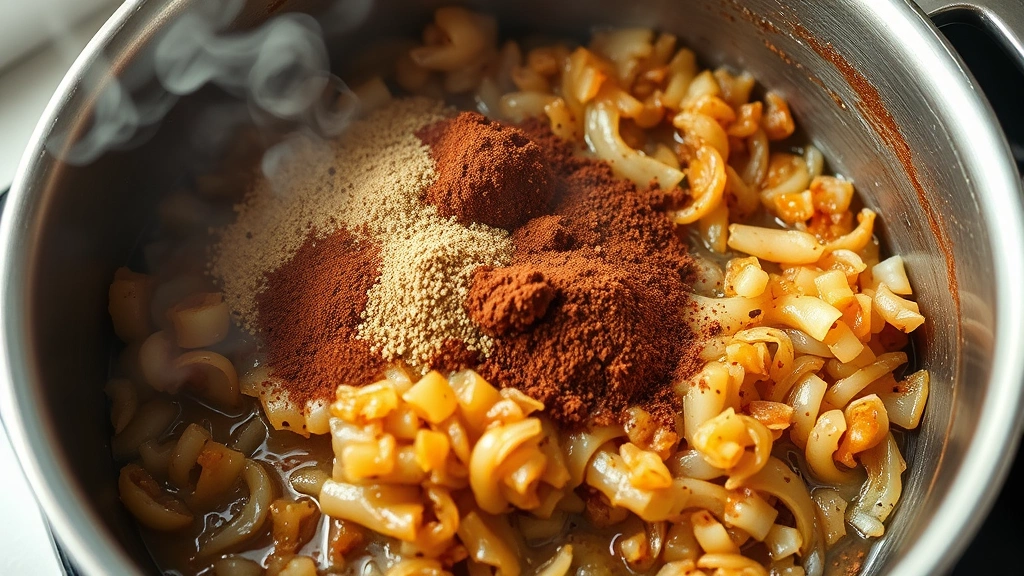
- In the same pot, add the diced onions with a pinch of salt. Cook over medium heat, stirring frequently, for about 20-25 minutes until the onions are deeply caramelized and golden brown—this is the foundation of your wat, so take your time here and don’t rush it.
- While the onions cook, combine the berbere spice, ground fenugreek, ground cardamom, and ground cloves in a small bowl.
- Once the onions are caramelized, add the minced garlic and ginger to the pot and stir constantly for about 1 minute until fragrant, being careful not to burn them.
- Add the spice blend (berbere, fenugreek, cardamom, cloves) to the pot and stir continuously for 2-3 minutes. This toasting releases the essential oils and deepens the flavor—you should smell an incredible aroma at this point.
- Stir in the tomato paste and cook for another minute, stirring constantly to prevent sticking.
- Return the browned chicken to the pot, stirring to coat it thoroughly with the spice mixture. Cook for 2-3 minutes.
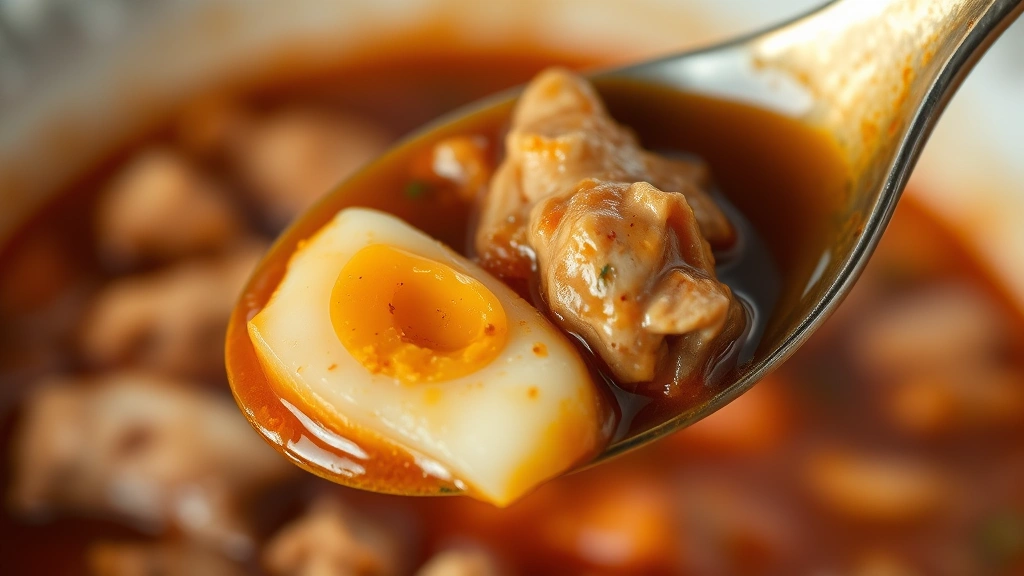
- Pour in the chicken stock (or water) and bring the mixture to a simmer. Reduce heat to low, cover partially, and simmer gently for 45-50 minutes until the chicken is very tender and the sauce has thickened and darkened to a beautiful reddish-brown color.
- In a small bowl, whisk together the lemon juice, mustard, and honey to create a tangy, slightly sweet element.
- Gently stir the lemon juice mixture into the simmering wat and taste for seasoning. Adjust salt, pepper, and spices as needed.
- Add the peeled hard-boiled eggs to the pot, nestling them gently into the sauce. Simmer for another 5-10 minutes to warm the eggs through and allow them to absorb some of the flavorful sauce.
- Transfer to a serving platter and garnish with fresh cilantro if desired. Serve immediately over injera bread, with extra injera on the side.
Pro Tips
- Berbere is the essential spice blend for authentic doro wat. You can find it at specialty spice shops or order online from reputable Ethiopian food suppliers. If you absolutely can’t find it, you can make a substitute with paprika, cayenne, fenugreek, ginger, turmeric, and cardamom, though it won’t be quite the same.
- The caramelization of onions is not a step to skip or rush. This 20-25 minute process is what gives doro wat its distinctive deep flavor and beautiful color. Stir frequently to prevent burning, but let them sit between stirs to develop that golden-brown color.
- Clarified butter (ghee) is traditional and contributes significantly to the authentic flavor, but olive oil works well too if you prefer or need a dairy-free option.
- Use bone-in, skin-on chicken for maximum flavor. The bones and skin add richness to the sauce that boneless, skinless chicken simply cannot provide.
- This dish actually improves with time as the flavors meld and develop. Make it a day ahead if you can, refrigerate, and reheat gently on the stovetop. It freezes beautifully for up to 3 months.
- For a spicier wat, increase the berbere to 7-8 tablespoons, but remember you can always add more heat than subtract it, so start conservatively if you’re unsure about your spice tolerance.
- If your sauce seems too thin after the 45-50 minute simmer, continue cooking uncovered until it reaches the desired consistency. If it’s too thick, add a splash more stock or water.
- Injera bread is essential for an authentic experience—it serves as both plate and utensil. You can find it at Ethiopian restaurants, specialty grocery stores, or online. Some people make it at home, though it requires an extended fermentation period.
- The eggs should be cooked until hard-boiled but still have a slightly creamy yolk center. This means cooking them for exactly 12 minutes from a rolling boil. Overcooked eggs get that gray-green ring around the yolk, which isn’t harmful but isn’t ideal for presentation.
- This recipe serves 6-8 people generously and pairs beautifully with other Ethiopian dishes like misir wot (red lentil stew) and gomen (collard greens), creating a complete Ethiopian feast.
- For a complete flavor profile, serve with lime wedges, additional mustard on the side, and perhaps some Shishito Peppers Recipe for added dimension and heat.
- If you can’t find Ethiopian mustard, yellow mustard works perfectly fine as a substitute.