

Filipino menudo is a beloved comfort food that brings warmth and satisfaction to any dinner table. This savory-sweet stew combines tender pork, liver, and potatoes in a rich tomato-based sauce that’s absolutely irresistible. Unlike Spanish menudo, the Filipino version is much more approachable and family-friendly, making it perfect for weeknight dinners or special family gatherings.
The beauty of menudo lies in its simplicity and depth of flavor. With just a handful of ingredients—pork, liver, potatoes, and a carefully balanced sauce—you can create a dish that tastes like it’s been simmering for hours. The key is building layers of flavor through proper browning, sautéing aromatics until fragrant, and letting everything come together in a gentle simmer.
What makes this recipe truly special is how forgiving and adaptable it is. You can use different cuts of pork, adjust the sweetness to your preference, and even add your own vegetables. Whether you’re cooking for a crowd or just your immediate family, this menudo recipe scales beautifully and tastes even better the next day.
I learned to make menudo from my grandmother, who taught me that the secret isn’t in any single ingredient—it’s in the love and care you put into each step. She always said that the aroma of menudo cooking on the stove is an invitation to gather around the table. Now, I’m sharing her wisdom with you so you can create that same magic in your own kitchen.
This recipe serves 6-8 people generously and comes together in about an hour. It’s the kind of dish that makes your home smell absolutely incredible and brings everyone running to the kitchen asking, “When’s dinner ready?” Serve it over steamed white rice for the ultimate comfort meal that will have your family asking for seconds.
For more Filipino comfort food inspiration, check out our guide to authentic Filipino comfort dishes. You might also enjoy learning about potatoes in hearty stews and easy pork recipes for beginners. If you love this dish, don’t miss our collection of one-pot meal ideas and traditional Filipino recipes.
For additional cooking techniques and inspiration, explore Serious Eats’ pork recipes, Bon Appétit’s stew collection, and New York Times cooking techniques for pork.
Ingredients
- 3 tablespoons vegetable oil
- 1.5 pounds pork shoulder or pork butt, cut into 1-inch cubes
- 8 ounces pork liver, cut into bite-sized pieces
- 1 large onion, diced
- 6 cloves garlic, minced
- 2 tablespoons tomato paste
- 1 can (8 ounces) tomato sauce
- 3 medium potatoes, peeled and cut into 1-inch cubes
- 2 medium carrots, peeled and sliced into rounds
- 1 cup pork or chicken broth
- 3 tablespoons soy sauce
- 2 tablespoons brown sugar
- 1 teaspoon salt, or to taste
- ½ teaspoon black pepper
- ½ teaspoon paprika
- 2 bay leaves
- 1 red bell pepper, diced (optional)
- Fresh parsley for garnish (optional)
Instructions
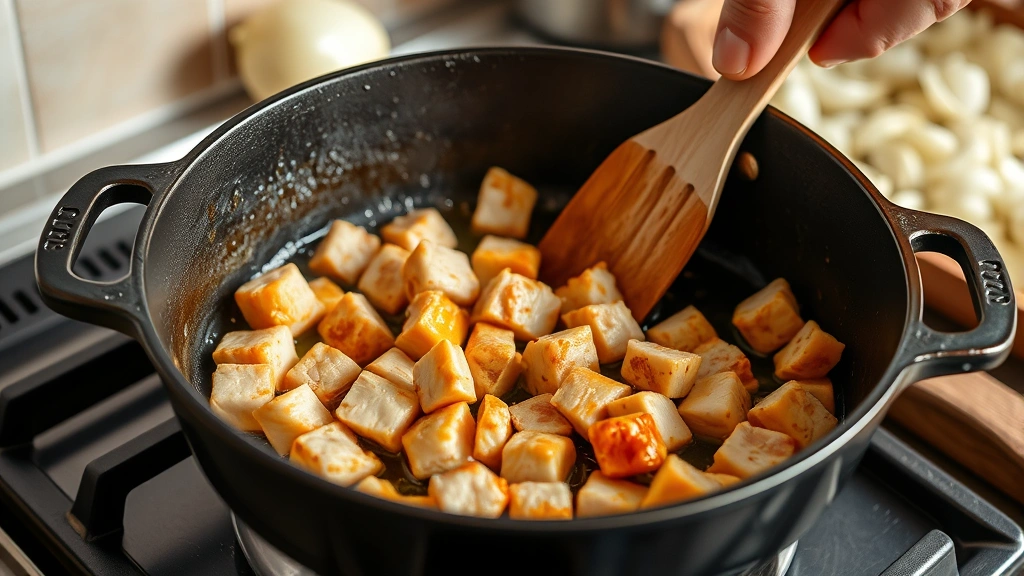
- Heat 1.5 tablespoons of vegetable oil in a large, heavy-bottomed pot or Dutch oven over medium-high heat. Once the oil is shimmering, working in batches to avoid overcrowding, add the cubed pork and brown on all sides for about 8-10 minutes total, stirring occasionally. Transfer the browned pork to a clean plate and set aside.
- In the same pot, add the remaining 1.5 tablespoons of oil. Add the diced onion and sauté for 3-4 minutes until it becomes translucent and fragrant, stirring frequently to prevent sticking.
- Add the minced garlic to the pot and cook for another minute, stirring constantly, until the raw garlic smell disappears and the mixture becomes very aromatic.
- Stir in the tomato paste and cook for 2 minutes, mixing well so it coats the onions and garlic. This step is crucial for building deep, complex flavor.
- Pour in the tomato sauce and stir well, scraping up any browned bits from the bottom of the pot. These flavorful bits are liquid gold and will add incredible depth to your menudo.
- Return the browned pork to the pot and add the bay leaves. Pour in the pork or chicken broth and bring the mixture to a boil, then immediately reduce the heat to medium-low and cover with a lid.
- Let the pork simmer gently for 20 minutes, stirring occasionally, until it begins to become tender. The pork should be partially cooked but not falling apart yet.
- While the pork is simmering, prepare the liver by cutting it into bite-sized pieces if you haven’t already. Pat the liver pieces dry with paper towels—this helps them brown better and prevents them from becoming tough.
- After 20 minutes of simmering, add the pork liver pieces to the pot, stirring gently to distribute them throughout the stew. Continue simmering for another 5 minutes.
- Add the cubed potatoes and sliced carrots to the pot. Stir in the soy sauce, brown sugar, salt, pepper, and paprika. Mix everything together thoroughly.
- Increase the heat to medium and bring the stew back to a gentle simmer. Cover and cook for 15-18 minutes, stirring occasionally, until the potatoes are fork-tender and the pork is completely cooked through.
- Taste the menudo and adjust the seasoning as needed. You may want to add more salt, soy sauce, or brown sugar depending on your preference. Remember that the soy sauce adds saltiness, so taste before adding extra salt.
- If using red bell pepper, add it now and cook for an additional 2-3 minutes just until it’s heated through but still has a slight crunch.
- Remove the bay leaves and discard them. If your menudo seems too thick, add a splash of broth or water and stir. If it’s too thin, simmer uncovered for a few more minutes to reduce the liquid.
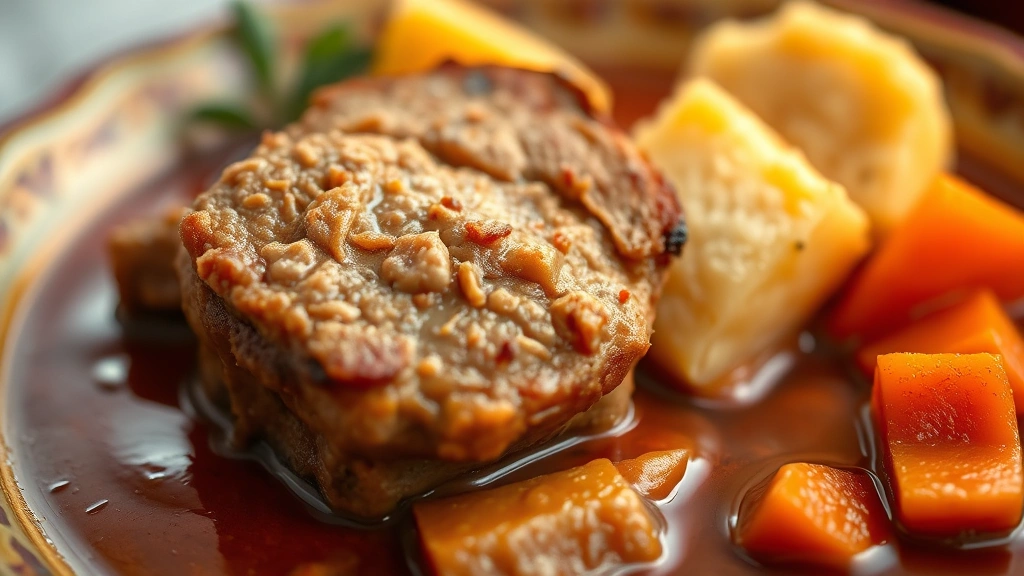
- Transfer the menudo to a serving bowl or individual bowls and garnish with fresh parsley if desired. Serve immediately over steamed white rice.
Pro Tips
- The key to tender pork is not rushing the cooking process. Gentle, low heat will result in much more tender meat than high heat. Patience pays off with menudo.
- Pork liver can have a strong flavor, so if you’re serving this to people who are hesitant about liver, start with less and gradually increase the amount in future batches. You can even omit it entirely if needed, though it adds authentic flavor and nutrition.
- Don’t skip the browning step for the pork. This creates a flavorful crust through the Maillard reaction, which adds depth and richness to the final dish that you simply can’t replicate by skipping straight to simmering.
- The soy sauce is essential to Filipino menudo and shouldn’t be replaced with salt alone. It adds umami and a savory depth that makes all the difference. Use a good quality soy sauce for the best results.
- This dish actually tastes better the next day after the flavors have had time to meld together. Make it ahead and reheat gently on the stovetop or in the microwave.
- For a sweeter menudo, add an extra tablespoon of brown sugar. For a less sweet version, reduce the brown sugar to 1 tablespoon. Filipino menudo should have a subtle sweetness that balances the savory and acidic notes.
- You can customize this recipe by adding peas, green beans, or chickpeas. Add them in the last few minutes of cooking so they don’t become mushy.
- Store leftover menudo in an airtight container in the refrigerator for up to 4 days. You can also freeze it for up to 3 months. Thaw in the refrigerator overnight before reheating.
- For a thicker sauce, mix 1 tablespoon of cornstarch with 2 tablespoons of water to create a slurry, then stir it into the menudo during the last few minutes of cooking. This is entirely optional.
- If you prefer a more rustic texture, you can mash some of the potatoes against the side of the pot to slightly thicken the sauce naturally.
- This recipe doubles easily if you’re cooking for a larger crowd. Just make sure your pot is large enough to accommodate everything.