

Filipino Pork Adobo is the ultimate comfort food – tender, succulent pork braised in a rich, savory sauce made with vinegar, soy sauce, and garlic. This beloved national dish of the Philippines has been passed down through generations, and for good reason. The magic happens when the pork is slowly cooked until it’s fall-apart tender, while the sauce reduces into a glossy, deeply flavorful coating.
What makes adobo so special is its perfect balance of tangy, salty, and savory flavors. The vinegar acts as a natural tenderizer while adding brightness, the soy sauce brings umami depth, and the garlic infuses everything with aromatic warmth. Unlike many braised dishes, adobo actually tastes better the next day as the flavors meld together beautifully.
This recipe is straightforward enough for weeknight dinners but impressive enough to serve at gatherings. It’s the kind of dish that makes your kitchen smell absolutely incredible and has everyone asking for seconds. Serve it over steamed white rice with a side of pickled red onions for brightness, or pair it with a fresh chickpea salad for a lighter accompaniment.
I learned to make authentic pork adobo from my Filipino friends who taught me that the key is patience – don’t rush the braising process. The longer the pork cooks, the more tender it becomes and the more the flavors develop. This recipe serves 6-8 people and is perfect for meal prep since it reheats beautifully throughout the week.
For more insight into building complex flavors in braised dishes, check out Serious Eats’ guide to braising. You’ll also find excellent Asian cooking techniques at Bon Appétit’s Asian cooking section. For traditional Filipino cooking methods, The New York Times Cooking has wonderful Filipino recipes that will deepen your appreciation for this cuisine.
Ingredients
- 3 pounds pork shoulder or pork belly, cut into 2-inch cubes
- 6 tablespoons soy sauce
- 1/2 cup white vinegar or rice vinegar
- 8 cloves garlic, minced
- 1 tablespoon whole black peppercorns
- 3 bay leaves
- 1 teaspoon salt, or to taste
- 2 tablespoons vegetable oil
- 1 medium onion, sliced
- 1 1/2 cups water or chicken broth
- 1 tablespoon brown sugar (optional)
- 2 tablespoons pork fat or oil (reserved from browning)
- Fresh green onions for garnish
- Steamed white rice for serving
Instructions
- Pat the pork cubes dry with paper towels. This step is crucial for achieving a good golden brown crust, so don’t skip it. The drier the surface, the better the browning will be.
- Heat the vegetable oil in a large, heavy-bottomed pot or Dutch oven over medium-high heat until it shimmers and is just starting to smoke.
- Working in batches to avoid overcrowding the pot, add the pork cubes and brown them on all sides, about 3-4 minutes per side. You want a deep golden-brown color, not just a pale sear. Transfer the browned pork to a clean plate.
- Reduce the heat to medium and add the sliced onions to the same pot with the rendered fat. Stir occasionally for about 2-3 minutes until the onions begin to soften and become translucent.
- Add the minced garlic to the pot and cook for another 1-2 minutes, stirring constantly, until fragrant. Be careful not to burn the garlic, as this will make the sauce bitter.
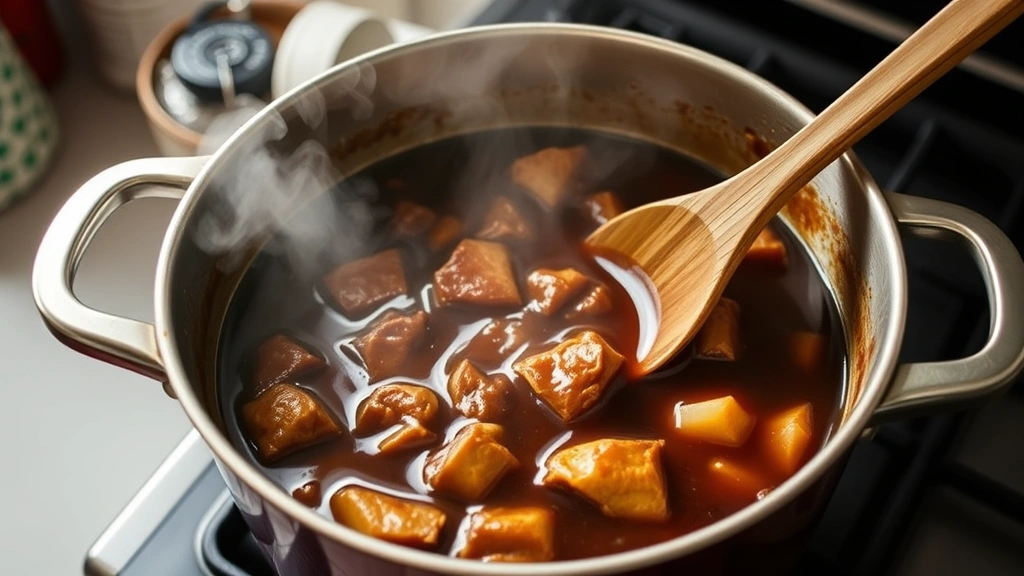
- Pour in the soy sauce and white vinegar, using a wooden spoon to scrape up all the browned bits from the bottom of the pot. These flavorful bits, called fond, add incredible depth to the sauce.
Return all the pork to the pot, stirring to coat the pieces evenly with the sauce mixture.
- Add the bay leaves, whole black peppercorns, salt, and water or chicken broth. The liquid should come about three-quarters of the way up the pork. Bring to a boil, then reduce the heat to medium-low.
- Cover the pot partially (leave the lid slightly ajar) and simmer for 45 minutes to 1 hour, stirring occasionally. The pork should be very tender and easily pierced with a fork when done. If using pork shoulder, it may take the full hour; pork belly might be done a bit sooner.
- Taste the sauce and adjust the seasoning with additional soy sauce, vinegar, or salt as needed. If you prefer a slightly sweeter adobo, stir in the brown sugar now.
- If the sauce is too thin, increase the heat to medium-high and simmer uncovered for an additional 5-10 minutes, stirring occasionally, until it reduces to your desired consistency. The sauce should be glossy and coat the back of a spoon.
- Remove from heat and let rest for 5 minutes. Garnish generously with fresh sliced green onions just before serving.
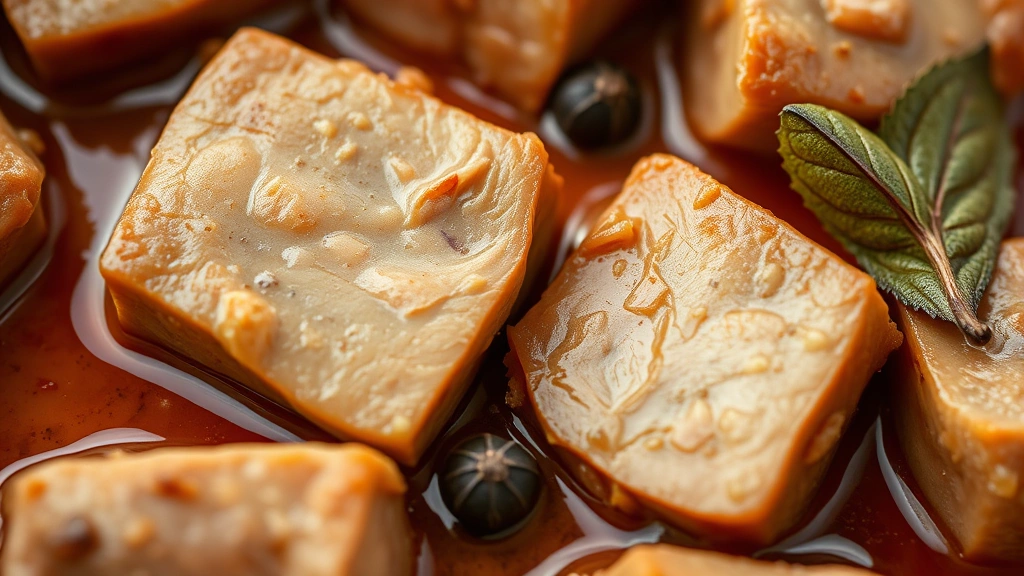
- Serve over steamed white rice, making sure each portion gets plenty of the rich, savory sauce. Include the bay leaves and peppercorns in serving – they’re edible and add nice flavor bursts.
Pro Tips
Freezer Storage: This dish freezes exceptionally well for up to 3 months. Cool completely before transferring to freezer-safe containers. Thaw overnight in the refrigerator and reheat on the stovetop. The flavors actually intensify after freezing.
Pork Cut Options: While pork shoulder is traditional and gives you tender, flavorful meat with nice marbling, pork belly is equally delicious and more indulgent. Some Filipinos use a combination of both. Pork shoulder is leaner and works better for weeknight meals, while pork belly is richer and perfect for special occasions. Both work beautifully in this recipe.
Vinegar Variations: The type of vinegar you use affects the final flavor profile. White vinegar is most traditional and gives a clean, sharp tang. Rice vinegar is slightly milder and more delicate. Apple cider vinegar adds a subtle sweetness. Calamansi vinegar is authentic if you can find it. Experiment to find your preferred balance.
Soy Sauce Selection: Use good quality soy sauce – it makes a noticeable difference. Filipino brands like Silver Swan or Marca Piña are authentic choices. Avoid soy sauce labeled “lite” as it lacks the depth needed for proper adobo.
Serving Suggestions: Serve with steamed white jasmine rice to soak up every bit of the delicious sauce. Add a crisp side salad or steamed vegetables for balance. Pickled vegetables like the pickled red onions complement the rich adobo beautifully.
Spice Level: This recipe is mild and family-friendly. If you like heat, add fresh red chili peppers or dried chili flakes when you add the garlic. Start with 1-2 chopped chilies and adjust to taste.
Garlic Storage: If making this ahead, know that garlic can develop an unpleasant flavor if stored in adobo for more than 3-4 days. For longer storage, remove the bay leaves and some of the garlic before refrigerating, then add fresh minced garlic when reheating.
Tender Pork Guarantee: The long, slow braising is what makes the pork so tender. Don’t skip this step or rush by using high heat. Low and slow is the secret to fall-apart meat.