
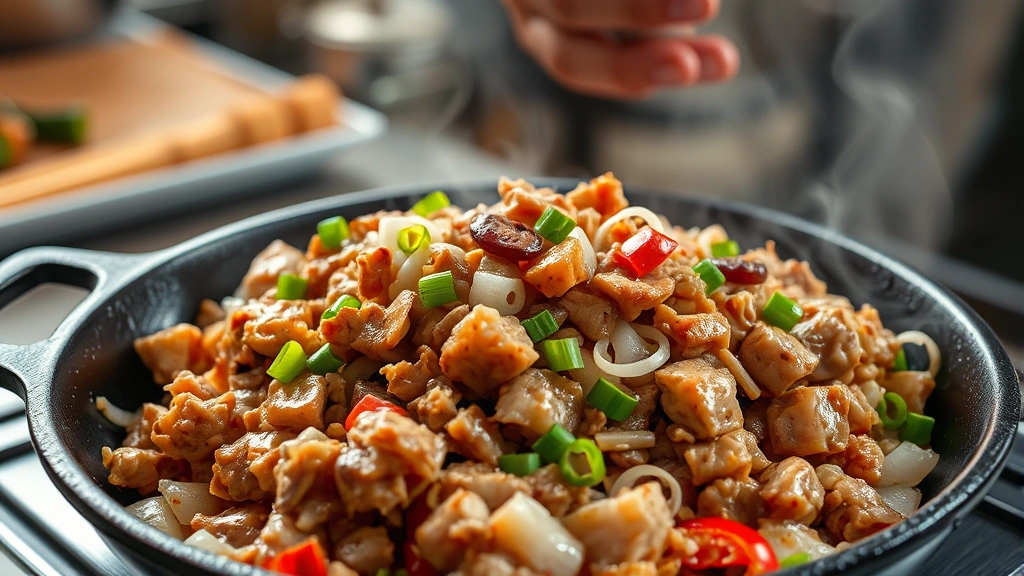
Sisig is one of the most beloved Filipino dishes, originating from the Pampanga region and featuring tender, seasoned meat with a crispy, sizzling finish. This recipe delivers authentic flavor with a home-cook-friendly approach that captures the essence of this street food favorite. The combination of pork jowl and liver, crispy onions, and a tangy-savory sauce creates an unforgettable dish that’s perfect for gatherings or a special weeknight dinner.
What makes sisig truly special is the sizzle—literally! The dish arrives at your table on a hot cast iron plate, still cooking and popping with flavor. The meat is incredibly tender from the proper cooking and chopping technique, while the liver adds richness and depth that makes this dish crave-worthy. Unlike some versions that can be overly heavy, this recipe balances the richness with bright citrus notes and the perfect amount of heat.
This recipe serves 4-6 people as a main course or 6-8 as an appetizer. It’s naturally gluten-free and can be prepared ahead of time—you simply reheat and serve on the hot plate when ready. The key to restaurant-quality sisig at home is using quality pork, not skipping the charring step, and achieving the right texture balance between tender meat and crispy bits. Whether you’re Filipino yourself missing authentic home cooking or an adventurous eater discovering Filipino cuisine for the first time, this sisig recipe will become a treasured favorite.
For sides, consider serving with pickled red onions for brightness, or pair with steamed jasmine rice to soak up the delicious sauce. If you enjoy bold flavors, you might also love shishito peppers as a complementary side. The beauty of Filipino cooking is its ability to bring people together around simple, flavorful ingredients prepared with care and tradition.
Ingredients
- 1.5 lbs pork jowl (pork cheeks), cleaned and trimmed
- 0.5 lb pork liver, cleaned
- 1 head garlic, minced (about 12 cloves)
- 3 medium onions, finely diced
- 2 long red chilies, minced (adjust to taste)
- 3 tablespoons fresh calamansi juice (or lime juice as substitute)
- 2 tablespoons soy sauce
- 1 tablespoon oyster sauce
- 1 tablespoon fish sauce (patis)
- 2 tablespoons vegetable oil for cooking
- 1 teaspoon salt
- 0.5 teaspoon black pepper
- 2 tablespoons mayonnaise (optional, for creaminess)
- 2-3 green onions, chopped (for garnish)
- Coarse sea salt for finishing
- 1 raw egg yolk per serving (optional, authentic preparation)
Instructions
- Fill a large pot with water and bring to a rolling boil. Add the pork jowl and liver whole, along with a pinch of salt. This initial boil removes impurities and tenderizes the meat. Boil for 25-30 minutes until the meat is tender enough to pierce easily with a fork but not falling apart. The liver will cook faster—you can remove it after 15 minutes if it becomes too soft.
- Remove the cooked pork from the water using a slotted spoon and set aside to cool on a cutting board. Reserve 1 cup of the cooking liquid for later use if needed. Once cooled enough to handle, finely chop both the jowl and liver into small, bite-sized pieces—about the size of peas. The texture should be chunky but manageable, not mushy or ground into a paste.
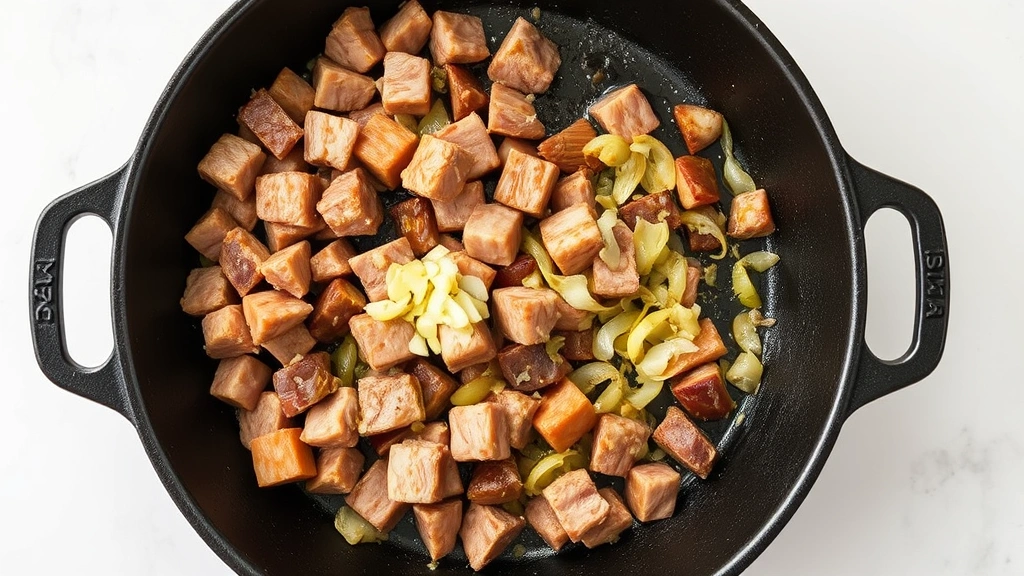
- Heat a large cast iron skillet or heavy-bottomed pan over medium-high heat. Add the vegetable oil and wait until it’s shimmering. Working in batches, add the chopped pork and liver to the pan, spreading it in an even layer. Allow it to sit undisturbed for 3-4 minutes to develop a golden crust and char slightly.
- Stir the meat and continue cooking for another 5-7 minutes until the edges are crispy and some pieces have browned. This crucial step develops the textural contrast that makes sisig special. If the meat seems too moist, continue cooking until most of the liquid has evaporated and you see a thin film of oil on the surface.
- Add the minced garlic to the pan and stir constantly for 1-2 minutes until fragrant. Be careful not to burn the garlic—it should be golden and aromatic. The garlic will infuse the entire dish with its savory depth.
- Add the diced onions to the pan and continue cooking for another 3-4 minutes, stirring occasionally. The onions should soften slightly but still maintain some bite and texture. They’ll add sweetness and moisture to balance the rich meat.
- Add the minced red chilies and stir well to combine. Cook for another minute to allow the heat to distribute throughout the dish. Adjust the amount of chili based on your heat preference—you can always add more but can’t remove it.
- Pour in the calamansi juice, soy sauce, oyster sauce, and fish sauce. Stir everything together thoroughly, scraping the bottom of the pan to incorporate any browned bits. These flavors are essential to authentic sisig—the acid from calamansi brightens the richness, while the soy and fish sauce add umami depth.
- If using mayonnaise, add it now and stir until fully incorporated. This adds a creamy, luxurious texture that’s common in modern Filipino interpretations. Cook for another 2-3 minutes until the sauce coats the meat evenly and the pan is sizzling.
- Taste the sisig and adjust seasonings as needed. Add more soy sauce for saltiness, calamansi for brightness, or fish sauce for umami. Remember that flavors will intensify slightly as the liquid reduces, so don’t over-season.
- Transfer the sisig to a preheated cast iron plate or skillet if serving immediately. The dish should still be sizzling and hot when it reaches the table. If preparing ahead, transfer to a container and refrigerate for up to 3 days.
- To serve, arrange the sisig on hot plates and garnish with chopped green onions and a sprinkle of coarse sea salt. If serving authentically, make a small indent in the center of each portion and place a raw egg yolk on top—diners will mix it in as they eat, creating a rich, creamy sauce.
- For reheating, place the sisig back in a cast iron skillet over medium-high heat for 3-4 minutes, stirring occasionally, until hot and sizzling again. Add a splash of water if it seems too dry.
Pro Tips
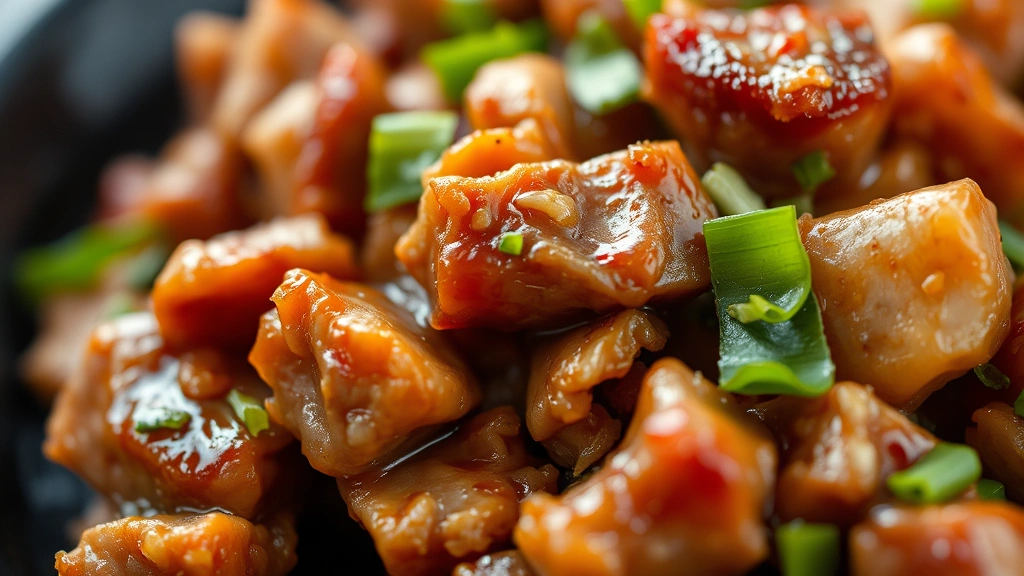
- Pork jowl is the traditional cut for sisig, prized for its tender, succulent texture when properly cooked. If unavailable, pork shoulder or pork belly work as substitutes, though the flavor profile will be slightly different. Always source from a trusted butcher for quality meat.
- The liver is crucial to authentic sisig, adding richness and a subtle iron flavor that completes the dish. Don’t skip it—it’s what separates homemade sisig from mediocre versions. Chicken liver can substitute if pork liver isn’t available.
- Calamansi juice is essential for authentic Filipino sisig. This small citrus fruit has a unique flavor that lime juice or lemon juice can only approximate. Look for bottled calamansi juice in Asian markets, or order online if fresh calamansi isn’t available in your area.
- The cast iron plate or skillet for serving isn’t just for show—it keeps the sisig hot and maintains the sizzle throughout the meal. You can achieve this by preheating the plate in a 400°F oven for 10 minutes before plating.
- Make-ahead tip: Prepare the sisig through step 9, then store in an airtight container in the refrigerator for up to 3 days. Reheat gently before serving to maintain the texture and prevent the meat from becoming tough.
- Fish sauce has a pungent smell but is absolutely essential to the authentic flavor. If you’ve never used it, start with less and add more to taste. It adds an umami depth that makes people ask what the secret ingredient is.
- The raw egg yolk topping is traditional in the Philippines and adds richness, but can be omitted for food safety reasons or personal preference. If including, use the freshest eggs from a trusted source.
- For a vegetarian version, substitute the meat with finely chopped mushrooms (cremini and shiitake work well) and add extra liver-like depth with miso paste. The result won’t be traditional but can be quite delicious.
- Customize heat level to your preference by adjusting the amount of red chilies. For milder versions, remove the seeds from the chilies before mincing. For extra heat, add a pinch of cayenne pepper or your favorite hot sauce.
- Serve with steamed jasmine rice, crusty bread for soaking up sauce, or as part of a larger Filipino meal. Pair with a cold beer or iced tea to balance the richness of the dish.