
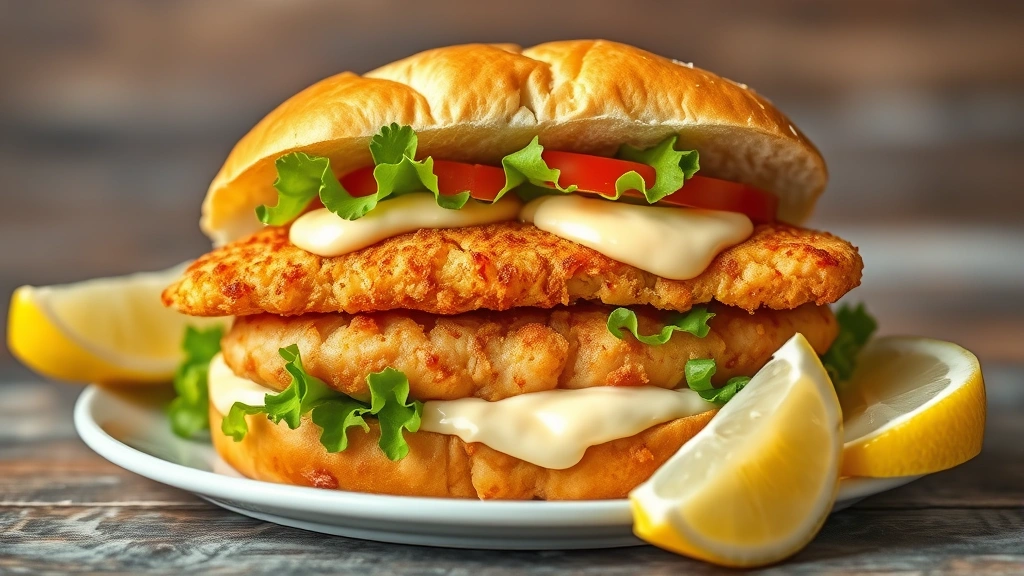
There’s nothing quite like a perfectly crispy fish sandwich – golden, flaky, and absolutely delicious! This classic recipe brings together quality ingredients and simple techniques to create a restaurant-worthy sandwich right in your own kitchen. Whether you’re craving that nostalgic seaside boardwalk flavor or looking to elevate your weeknight dinner, this fish sandwich is guaranteed to impress.
The secret to the best fish sandwich lies in three key elements: the quality of your fish, the perfectly seasoned coating, and fresh, complementary toppings. I’ve perfected this recipe over years of testing, and I’m thrilled to share it with you today. This isn’t just any fish sandwich – it’s the kind that makes you close your eyes and smile with each bite.
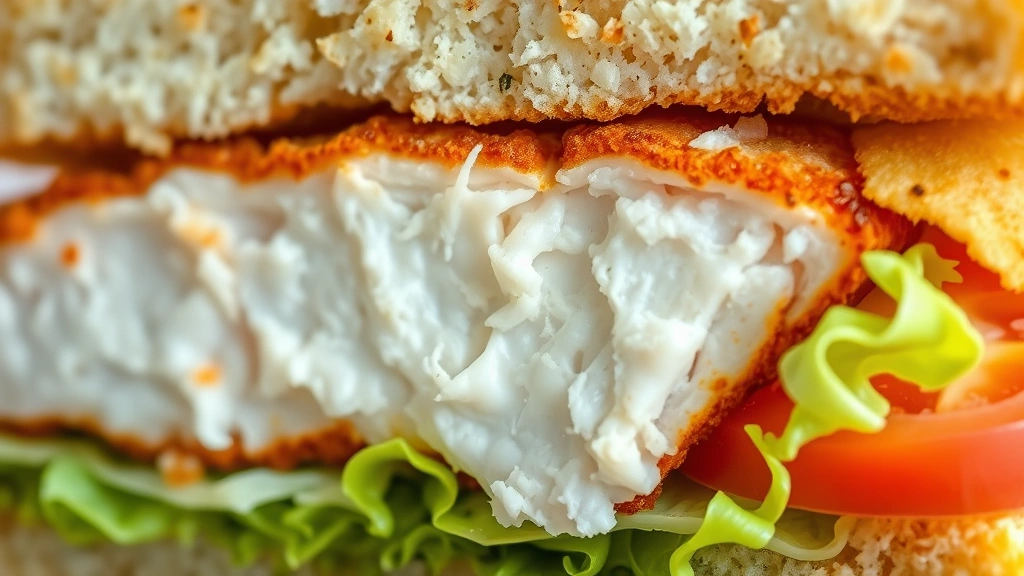
What makes this recipe truly special is the combination of crispy exterior and tender, flaky fish inside. The coating uses a blend of panko breadcrumbs and flour for optimal crunchiness, while a touch of Old Bay seasoning gives it that authentic coastal flavor. The homemade tartar sauce ties everything together beautifully, though you can certainly use store-bought if you’re short on time.
I recommend using firm white fish like cod, halibut, or pollock – these varieties hold up beautifully to frying and have a mild flavor that pairs perfectly with our seasonings. The beauty of this recipe is its versatility; you can bake it for a lighter version, air fry it for convenience, or go traditional with deep frying for maximum crispiness.
Serve this alongside crispy fries, coleslaw, or a fresh green salad. For the ultimate experience, toast your buns lightly and don’t skip the tartar sauce – it’s absolutely essential. Whether you’re hosting a casual dinner party or treating yourself to a special meal, this homemade approach beats any takeout version.
This recipe serves four people generously and comes together in about 30 minutes from start to finish. The fish cooks quickly, so having all your ingredients prepped and ready is key to success. Once you master this basic technique, you’ll find yourself making it regularly – it’s that good and that easy!
For those looking to understand the science behind perfect frying, check out Serious Eats for detailed explanations on achieving that perfect golden crust. You can also explore Bon Appétit’s collection of seafood recipes for additional inspiration and techniques.
Ingredients
- 1.5 pounds firm white fish fillets (cod, halibut, or pollock), about 1/2-inch thick
- 1 cup all-purpose flour
- 1 cup panko breadcrumbs
- 2 large eggs
- 1/4 cup whole milk
- 2 teaspoons Old Bay seasoning
- 1 teaspoon garlic powder
- 1 teaspoon onion powder
- 1 teaspoon paprika
- 1/2 teaspoon cayenne pepper
- Salt and black pepper to taste
- Oil for frying (vegetable or canola oil)
- 4 soft hamburger buns or brioche buns
- 2 tablespoons butter, softened
- 2 cups shredded iceberg lettuce
- 2 large tomatoes, sliced
- 1/2 cup tartar sauce (homemade or store-bought)
- Lemon wedges for serving
- Fresh dill for garnish (optional)
Instructions
- Pat the fish fillets dry with paper towels – this is crucial for achieving a crispy coating. Moisture is the enemy of crispiness, so don’t skip this step.
- In a shallow bowl, whisk together the flour, Old Bay seasoning, garlic powder, onion powder, paprika, cayenne pepper, salt, and black pepper. Set aside.
- In another shallow bowl, whisk together the eggs and milk until well combined. This egg wash will help the coating adhere to the fish.
- Pour the panko breadcrumbs into a third shallow bowl.
- Working with one fillet at a time, dredge the fish in the flour mixture, shaking off any excess. Make sure both sides are well coated.
- Dip the floured fillet into the egg mixture, allowing excess to drip off. This creates a barrier that helps the panko stick.
- Press the fillet into the panko breadcrumbs, coating both sides thoroughly and pressing gently so the crumbs adhere. Place on a clean plate.
- Repeat with remaining fillets. Let the coated fish rest on the plate for 5 minutes – this helps set the coating.
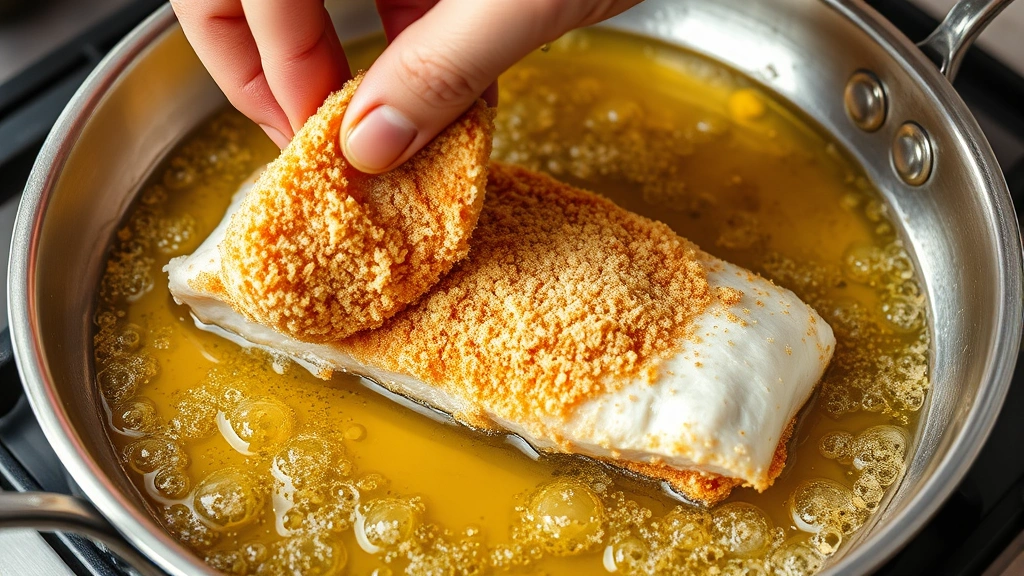
- Heat your oil to 350°F (175°C) in a large heavy-bottomed skillet or Dutch oven. Use enough oil for the fish to be mostly submerged, approximately 2-3 inches deep.
If you don’t have a thermometer, test the oil temperature by dropping a small piece of bread into it – it should sizzle immediately and turn golden in about 60 seconds.
- Carefully place the fish fillets into the hot oil, working in batches if necessary – do not overcrowd the pan as this lowers the oil temperature and results in greasy fish.
- Fry for 3-4 minutes on the first side until deep golden brown and crispy. Flip carefully and fry for an additional 2-3 minutes on the second side until equally golden.
- Using a slotted spatula, transfer the cooked fish to a paper towel-lined plate to drain excess oil. Season with a light sprinkle of salt immediately after removing from oil.
- While the fish finishes cooking, butter your buns lightly on both sides and place them cut-side down on a griddle or skillet over medium-high heat for 1-2 minutes until lightly toasted and golden.
- Spread tartar sauce on both sides of each toasted bun.
- Layer lettuce on the bottom of each bun, followed by the crispy fish fillet.
- Top with tomato slices and a small drizzle of additional tartar sauce if desired.
- Close the sandwich with the top bun and serve immediately with lemon wedges on the side for squeezing over the fish.
Pro Tips
Air fryer method: Place coated fillets in a single layer in your air fryer basket, spray lightly with cooking spray, and cook at 380°F (193°C) for 10-12 minutes, shaking the basket halfway through cooking.
For homemade tartar sauce: Mix 1 cup mayonnaise, 2 tablespoons diced dill pickle, 1 tablespoon pickle juice, 1 tablespoon diced onion, 1 teaspoon lemon juice, and a pinch of salt and pepper. Refrigerate until ready to use.
Make-ahead tip: You can prepare the fish through step 8 and refrigerate for up to 4 hours before frying, which is perfect for entertaining.
Fish selection matters: Avoid using delicate fish like flounder or sole, as they may fall apart during frying. Stick with firmer varieties like cod, halibut, or pollock for the best results.
Oil temperature is critical: If your oil is too cool, the fish will absorb excess oil and become greasy rather than crispy. Use a reliable thermometer for best results.
Customization ideas: Try adding coleslaw instead of lettuce for a classic fish and chips sandwich experience. Some people prefer adding a slice of American cheese, while others love a drizzle of hot sauce.
Storage: Leftover fried fish doesn’t reheat particularly well, but you can store it in an airtight container in the refrigerator for up to 2 days and enjoy it cold or gently reheated in a 300°F oven.
Bun selection: The right bun makes a difference – soft brioche buns are luxurious, while traditional hamburger buns work beautifully. Avoid dense bread that will overpower the delicate fish.
Lemon is essential: Always serve with fresh lemon wedges. A squeeze of fresh lemon juice brightens the entire sandwich and cuts through the richness of the tartar sauce.