
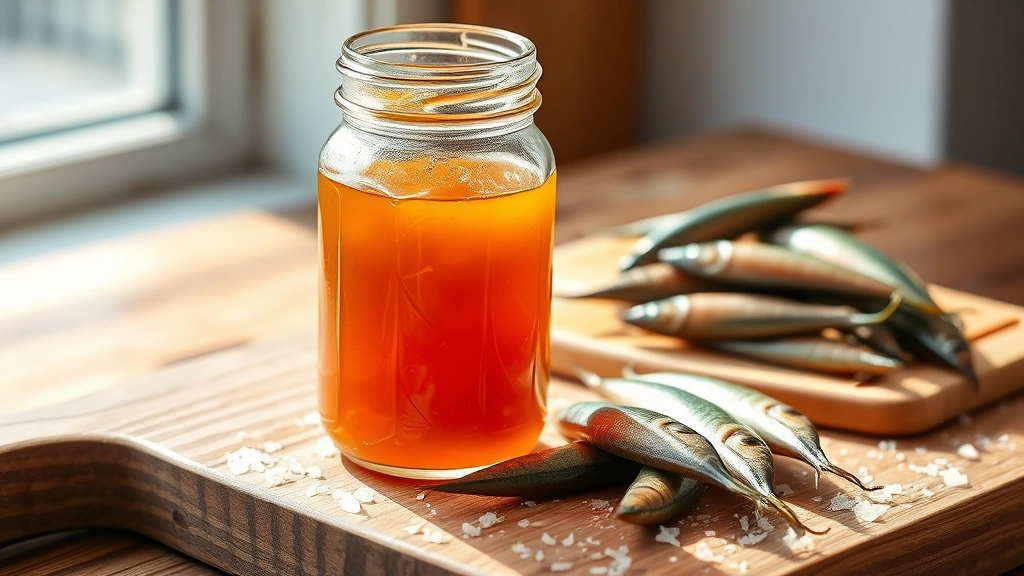
Fish sauce is one of those magical ingredients that transforms a dish from ordinary to absolutely extraordinary! This homemade fish sauce recipe is so incredibly simple, yet it delivers that authentic, umami-rich flavor that takes your cooking to the next level. Whether you’re making Vietnamese pho, Thai curry, or just want to elevate your everyday meals, knowing how to make fish sauce at home is a total game-changer.
Now, I know what you might be thinking—homemade fish sauce sounds intimidating, right? But trust me, it’s actually one of the easiest condiments you can make in your own kitchen! With just a few quality ingredients and a little patience, you’ll have restaurant-quality fish sauce that rivals anything you can buy at the store. The best part? You’ll know exactly what’s going into it, with no mysterious additives or preservatives.
I absolutely love making my own condiments at home, and fish sauce has become one of my go-to staples. It’s perfect for adding depth to Easy Chicken Alfredo Recipe dishes, pasta dishes, and so much more. I also love pairing it with chickpea salads and fresh shishito peppers for an authentic Southeast Asian experience.
The beautiful thing about making fish sauce at home is that you control the intensity and flavor profile. You can adjust it to your personal taste preferences, making it as mild or as pungent as you like. This recipe walks you through the entire process, from selecting your ingredients to achieving that perfect balance of salty, umami goodness.
If you’re looking to expand your sauce repertoire, check out this amazing Heavy Cream Alfredo Sauce Recipe as well. But for now, let’s dive into creating this essential Asian staple from scratch. Your taste buds will thank you!
Fish sauce is truly an investment in flavor. Once you make it at home, you’ll wonder why you ever bought the store-bought version. It’s fresher, more vibrant, and tastes infinitely better. Plus, your kitchen will smell amazing during the process (well, mostly!). Let’s get started on this simple yet sophisticated recipe that will revolutionize your cooking game!
Ingredients
- 1 pound fresh anchovies or small fish (cleaned and gutted)
- 1/2 cup sea salt (or high-quality kosher salt)
- 1 tablespoon sugar
- 2 tablespoons rice vinegar
- 1 teaspoon white pepper
- Optional: 2-3 dried chili peppers for a spicy kick
- Optional: 1 tablespoon garlic powder
- Optional: 1 teaspoon ginger powder
Instructions
- Start by selecting the freshest anchovies or small fish you can find—visit your local Asian market or specialty seafood shop for the best quality. Pat them dry with paper towels and ensure they’re completely gutted and cleaned.
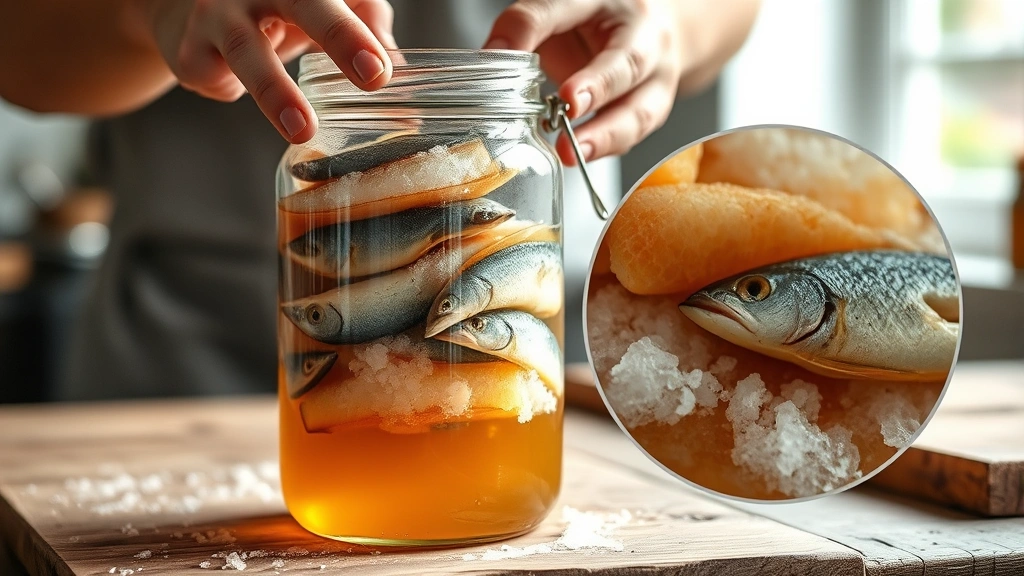
- Layer the cleaned fish in a sterilized glass jar, alternating between fish and sea salt. Use approximately one part salt to two parts fish by weight for the ideal fermentation ratio.
- Sprinkle the sugar, white pepper, and any optional spices (dried chilies, garlic powder, and ginger powder) evenly throughout the layers as you build them up in the jar.
- Pack the jar tightly, pressing down gently to ensure the fish and salt are well combined and compact. The fish should release their juices as they ferment.
- Cover the jar loosely with a cheesecloth or coffee filter secured with a rubber band, rather than sealing it tightly. This allows gases to escape during fermentation while keeping dust and insects out.
- Place the jar in a cool, dark location—a pantry, basement, or kitchen cabinet works perfectly. Avoid direct sunlight and extreme temperature fluctuations for the best results.
- Allow the mixture to ferment for a minimum of 2 weeks, though 3-4 weeks will yield a deeper, more complex flavor. Check on it occasionally, stirring gently with a wooden spoon every few days if possible.
- After the fermentation period, you’ll notice the fish have broken down significantly and a clear amber liquid has formed—this is your fish sauce! The solids will have mostly dissolved into the brine.
- Using a fine-mesh strainer lined with cheesecloth, carefully strain the liquid into a clean glass bottle or jar, discarding the remaining solids and any debris.
- For a cleaner, more refined fish sauce, strain the liquid a second time through fresh cheesecloth or a coffee filter to remove any remaining particles.
- Add the rice vinegar at this point, stirring well to incorporate it throughout the fish sauce. This adds brightness and helps preserve the sauce.
- Taste your finished fish sauce and adjust the seasonings as needed. Add more salt if you prefer it saltier, or a touch more sugar if you want it slightly sweeter.
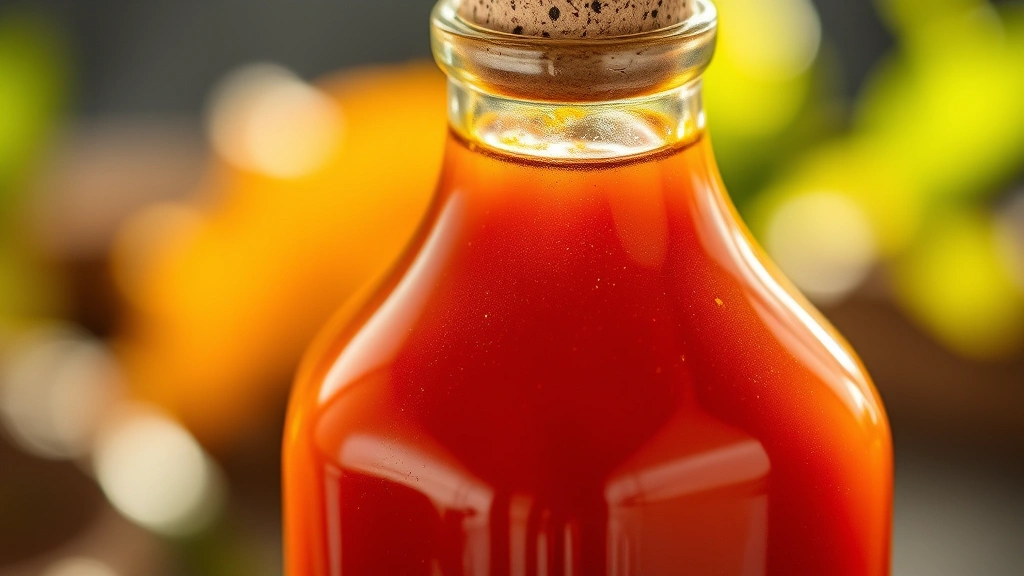
- Transfer your homemade fish sauce to sterilized glass bottles with tight-fitting lids for storage. Dark glass bottles are ideal for protecting the sauce from light exposure.
- Store your fish sauce in a cool, dark place or in the refrigerator. It will keep for several months, though the flavor will continue to develop and mellow over time.
- Label your bottles with the date you finished the sauce so you can track when it was made and use it within a reasonable timeframe for optimal flavor.
Pro Tips
If you’re sensitive to strong smells, be prepared for the fermentation process—it can be quite pungent! This is completely normal and indicates that the fermentation is working properly. The finished sauce won’t smell nearly as strong as the fermentation jar.
Quality matters tremendously with this recipe. Invest in the freshest fish possible from a reputable seafood supplier. The better your starting ingredients, the better your finished fish sauce will be.
For a gentler introduction to homemade fish sauce, you can use smaller quantities and adjust the salt ratio to your preference. Some people prefer a less intensely flavored version, and there’s absolutely nothing wrong with that.
This recipe yields approximately 2 cups of fish sauce, depending on how much liquid the fish releases during fermentation. Factors like fish size, moisture content, and ambient temperature can all affect the final yield.
If you accidentally seal the jar too tightly during fermentation, you may need to burp it daily to release built-up pressure. This won’t ruin your sauce, but it’s something to keep in mind for safety.
The fermentation time can vary based on your kitchen temperature. Warmer environments will ferment faster (2-3 weeks), while cooler spaces may take 4-6 weeks. Room temperature fermentation between 65-75°F is ideal.
This fish sauce is incredibly versatile and can be used in the same way as store-bought versions. Use it to season soups, stir-fries, marinades, dipping sauces, and more. A little goes a long way!
Once opened, your fish sauce will continue to develop in flavor. Some people enjoy it immediately, while others prefer to let it age for several months before using it for maximum complexity.
If you find the finished sauce too salty, you can dilute it slightly with a bit of water or rice vinegar to reach your preferred taste profile. Always start with less salt and add more rather than the reverse.