
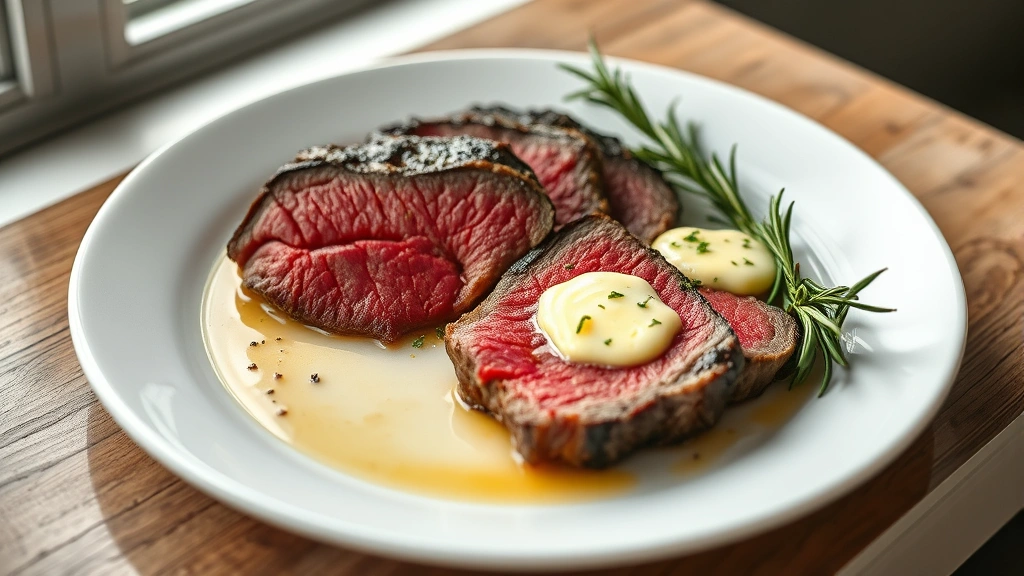
Flap steak is one of those underrated cuts that deserves so much more attention in your kitchen! This beautiful, flavorful cut comes from the lower chest area of the beef and is absolutely packed with beefy goodness. It’s leaner than some other steaks, more affordable, and when cooked properly, it’s incredibly tender and delicious. The key to mastering flap steak is understanding that it benefits from marinating and shouldn’t be cooked past medium-rare, as it can become tough if overdone.
This recipe is my go-to for weeknight dinners when I want something that feels restaurant-quality but comes together in under an hour. The marinade is simple but transformative—combining garlic, soy sauce, Worcestershire, and a touch of acid to break down the muscle fibers and infuse the meat with incredible flavor. I love pairing this with fresh sides like a bright salad or roasted vegetables. If you’re looking for other amazing beef recipes, check out my Quick Tasty Bacon Carbonara Recipe or my Best Pickled Red Onion Recipe which makes an amazing topping.
What makes this flap steak recipe truly special is the balance of simplicity and sophistication. You’re not dealing with complicated techniques—just good ingredients, proper timing, and respect for the meat. The marinade does most of the heavy lifting, breaking down those muscle fibers so every bite is tender and succulent. Once you master this technique, you’ll find yourself making flap steak regularly. It’s perfect for meal prep, impressive enough for entertaining, and budget-friendly enough for everyday cooking.
I always tell people that flap steak is the thinking person’s steak choice. It requires a bit more attention than a ribeye, but the reward is incredible flavor and tenderness at a fraction of the price. This recipe serves as your foundation—once you understand these principles, you can experiment with different marinades and cooking methods. For more inspiration, check out this Delicious Heavy Cream Pasta Recipe for a completely different dinner direction.
Serving this steak is an experience. The crust that develops during cooking is absolutely gorgeous, and when you slice against the grain (which is absolutely critical with flap steak), you get these beautiful, tender pieces that are absolutely irresistible. According to Serious Eats, proper slicing technique is crucial for tougher cuts, and flap steak is no exception. I like to let the steak rest for a few minutes before slicing, which allows the juices to redistribute throughout the meat. This simple step makes an enormous difference in the final texture and juiciness.
The beauty of this recipe is its versatility. Serve it with a simple Best Chickpea Salad Recipe for a light meal, or pair it with loaded baked potatoes for something more indulgent. You can even use leftovers in sandwiches or grain bowls the next day. This is truly a recipe that works for every occasion and every appetite. For additional inspiration on sauce pairings, don’t miss my Best Heavy Cream Alfredo Sauce Recipe which can be adapted for beef dishes.
Making the best flap steak comes down to three fundamental principles: proper marinating, not overcooking, and slicing against the grain. This recipe honors all three of these principles and will help you create restaurant-quality steak at home every single time. Trust the process, don’t rush it, and you’ll be rewarded with some of the most delicious, tender beef you’ve ever tasted. This is the kind of meal that makes people think you’re a better cook than you actually are—and honestly, that’s the best kind of recipe to have in your arsenal.
Ingredients
- 2 pounds flap steak, about 1.5 inches thick
- 1/4 cup soy sauce
- 3 tablespoons Worcestershire sauce
- 3 tablespoons balsamic vinegar
- 6 cloves garlic, minced
- 2 tablespoons olive oil
- 1 tablespoon Dijon mustard
- 1 teaspoon dried thyme
- 1/2 teaspoon black pepper
- 1/2 teaspoon kosher salt, plus more for final seasoning
- 1/4 teaspoon red pepper flakes (optional)
- 2 tablespoons fresh rosemary, chopped
- 2 tablespoons unsalted butter
- 2 cloves garlic, smashed (for finishing)
Instructions
- In a small bowl, whisk together soy sauce, Worcestershire sauce, balsamic vinegar, minced garlic, olive oil, Dijon mustard, dried thyme, black pepper, kosher salt, and red pepper flakes if using. This marinade is the foundation of incredible flavor.
- Place the flap steak in a large zip-top bag or shallow dish and pour the marinade over it, making sure all sides are coated evenly. Seal the bag or cover the dish with plastic wrap.
- Refrigerate for at least 2 hours, but ideally overnight (up to 24 hours). The longer marinating time allows the acid and enzymes to break down the muscle fibers, resulting in maximum tenderness.
- Remove the flap steak from the refrigerator 30 minutes before cooking. This brings the meat closer to room temperature, ensuring even cooking throughout.
- Pat the steak completely dry with paper towels. This is absolutely crucial for developing a beautiful, golden crust. Any excess moisture will create steam instead of a sear.
- Heat a cast-iron skillet or heavy-bottomed stainless steel pan over medium-high heat until it’s screaming hot. You want the pan so hot that a drop of water immediately sizzles and evaporates.
- Season the steak generously with additional kosher salt and cracked black pepper just before it hits the pan. This seasoning layer will be the foundation of your flavorful crust.
- Carefully lay the steak away from you into the hot pan. Don’t move it! Let it sear undisturbed for 4-5 minutes to develop that gorgeous golden-brown crust on the first side.
- Flip the steak using tongs (never a fork, which pierces the meat) and sear the second side for another 4-5 minutes for medium-rare. The internal temperature should reach 130-135°F.
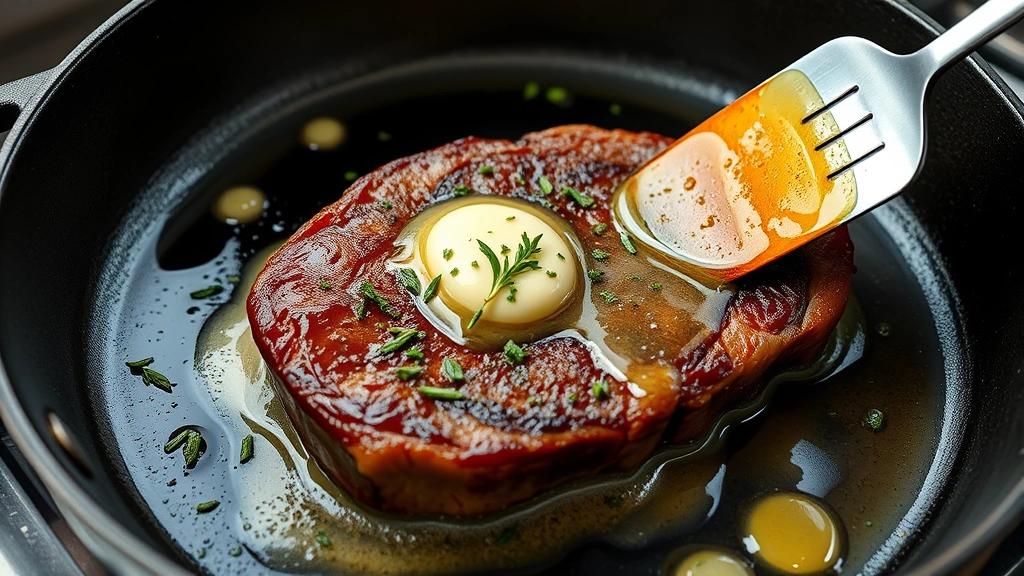
- During the last minute of cooking, add the butter, smashed garlic cloves, and fresh rosemary to the pan. Tilt the pan and baste the steak with the foaming, herby butter repeatedly.
- Transfer the steak to a cutting board and let it rest for 5-7 minutes. This resting period is non-negotiable—it allows the juices to redistribute throughout the meat rather than running out onto your cutting board.
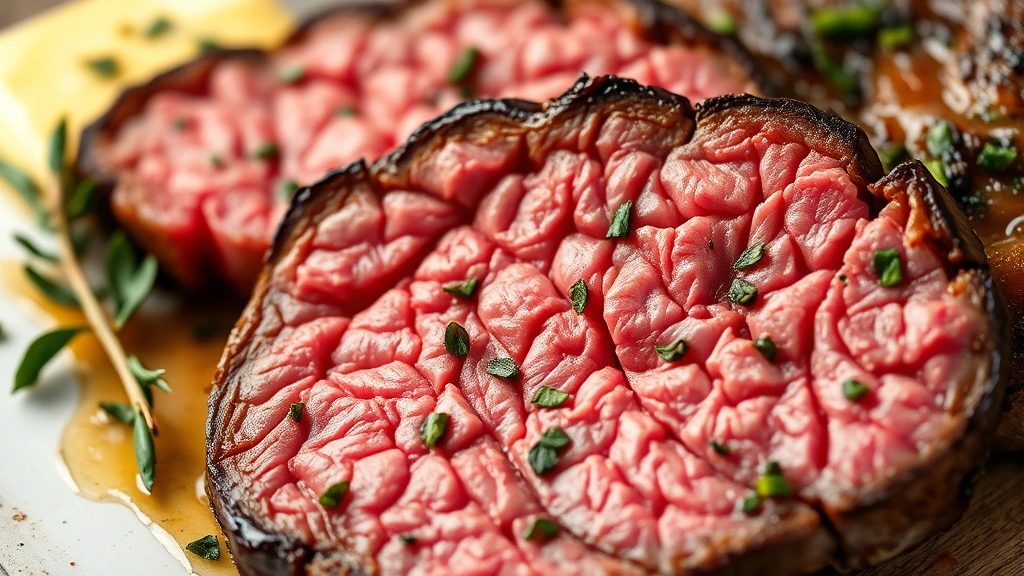
- After resting, slice the steak against the grain into 1/2-inch thick strips. Look at the muscle fibers and cut perpendicular to them for maximum tenderness.
- Serve the sliced steak immediately with any pan juices drizzled over the top. The combination of the tender meat and flavorful juices is absolutely divine.
Pro Tips
Marinating time is your secret weapon. The acid in the vinegar and soy sauce breaks down muscle proteins, making the meat incredibly tender. Don’t skip this step or rush it.
Always slice against the grain with flap steak. The grain runs diagonally through the meat, so look carefully at the muscle fibers and cut perpendicular to them. This single step is the difference between tender slices and chewy bites.
Don’t overcook flap steak. This cut is best served at medium-rare (130-135°F internal temperature). Anything beyond that and it becomes tough and dry. Use an instant-read thermometer for accuracy.
Pat the steak completely dry before searing. Moisture is the enemy of a good crust. A kitchen towel works better than paper towels for this step.
Use a cast-iron skillet if possible. It retains heat beautifully and provides even heat distribution, resulting in a better crust. If you don’t have cast iron, a heavy stainless steel pan works wonderfully too.
The resting period is crucial. Never skip it! Five to seven minutes might seem short, but it’s enough time for the muscle fibers to relax and reabsorb the juices that were pushed out during cooking.
Leftovers make amazing sandwiches, grain bowls, or salads. Store in an airtight container in the refrigerator for up to three days.
Feel free to customize the marinade with your favorite flavors. Add soy sauce, lime juice, cilantro, and ginger for an Asian-inspired version. Or try red wine, rosemary, and thyme for a more classic European approach.
This recipe feeds four people as a main course with sides. If you’re cooking for fewer people, the marinade and cooking times remain the same—just use a smaller steak.
The butter basting at the end adds incredible richness and helps carry all those herby flavors right into the meat. This is a restaurant technique that’s surprisingly simple but makes a huge impact on the final dish.