
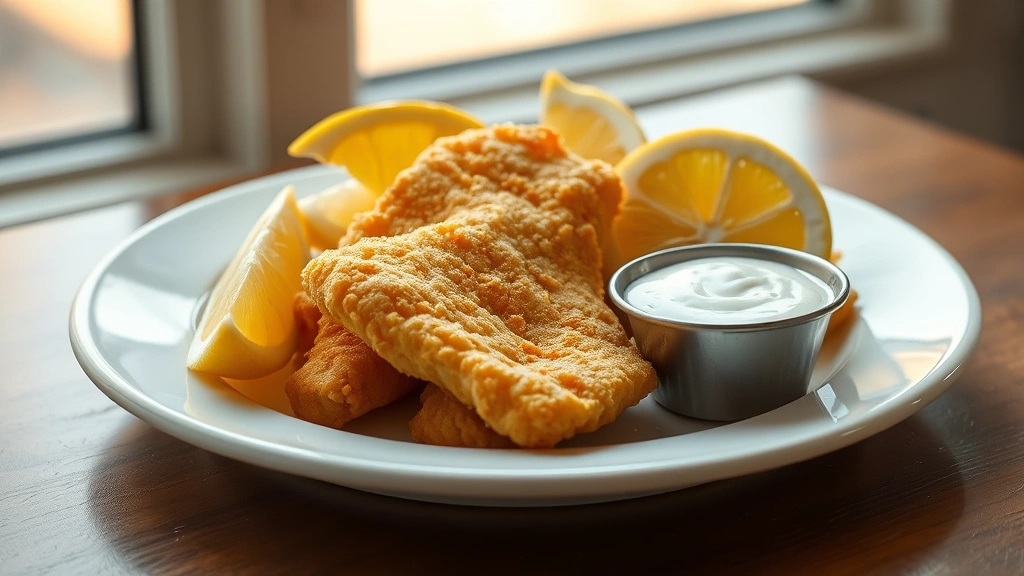
There’s something absolutely magical about crispy, golden fried catfish—it’s a Southern classic that brings back memories of lazy summer evenings and family gatherings. This recipe delivers restaurant-quality results right in your own kitchen, with a perfectly seasoned cornmeal crust that stays crunchy long after frying. The secret lies in a few simple techniques: proper brining, the right oil temperature, and a well-balanced seasoning blend that lets the delicate, sweet flavor of the catfish shine through.
Fried catfish is more than just a dish; it’s a culinary tradition that spans generations and regions. Whether you’re serving it at a casual weeknight dinner or impressing guests at a special occasion, this recipe never fails to delight. The beauty of this preparation is its simplicity—you don’t need fancy equipment or obscure ingredients, just quality catfish fillets, a few pantry staples, and a little bit of technique.
I love serving this alongside classic Southern sides like pickled red onions for brightness and tang, or shishito peppers for a little heat. The crispy exterior of the catfish pairs beautifully with creamy sauces, fresh lemon, or classic tartar sauce.
What makes this recipe truly special is the attention to detail in every step. From the initial seasoning to the final crispy coating, each element has been carefully considered to ensure that your fried catfish turns out perfect every single time. This isn’t just another fried fish recipe—it’s a foolproof method that combines traditional techniques with modern kitchen wisdom.
The catfish fillets themselves are mild and flaky, making them perfect for frying. They won’t overpower your palate but instead provide a delicate canvas for the bold, savory seasoning. The cornmeal coating adds texture and helps create that signature crunch that makes fried catfish so irresistible. For more insights on perfecting your frying technique, check out Serious Eats or Bon Appétit for additional deep-frying guidance.
Ingredients
- 2 pounds fresh catfish fillets, skin removed
- 1 cup buttermilk
- 1 tablespoon kosher salt, plus more for brining
- 1 teaspoon black pepper, freshly ground
- 1 cup cornmeal, preferably stone-ground
- 1/2 cup all-purpose flour
- 2 teaspoons paprika
- 2 teaspoons garlic powder
- 1 teaspoon cayenne pepper
- 1 teaspoon onion powder
- 1/2 teaspoon dried thyme
- 1/4 teaspoon white pepper
- Oil for frying, such as vegetable or peanut oil (about 2 quarts)
- Lemon wedges, for serving
- Fresh parsley, chopped, for garnish
- Tartar sauce or remoulade, for serving
Instructions
- Pat the catfish fillets completely dry with paper towels. This step is crucial—any moisture on the surface will cause the oil to splatter and prevent proper crisping. Place the dried fillets on a clean plate.
- Prepare a brine by mixing 4 cups of water with 2 tablespoons of kosher salt in a shallow dish. Submerge the catfish fillets in the brine and refrigerate for 30 minutes to 1 hour. This brining process helps the fish retain moisture during frying and seasons it from the inside out.
- Remove the fillets from the brine and pat them completely dry again with fresh paper towels. Dryness is essential for achieving that perfect crispy crust.
- Pour the buttermilk into a shallow bowl. In another shallow bowl or plate, combine the cornmeal, flour, paprika, garlic powder, cayenne pepper, onion powder, dried thyme, white pepper, kosher salt, and black pepper. Mix the dry ingredients thoroughly with a fork to distribute the seasonings evenly.
- Heat your oil to 350 degrees Fahrenheit in a large, heavy-bottomed pot or Dutch oven. Use a reliable thermometer to monitor the temperature—this is critical for achieving the perfect texture. The oil should be at least 3 inches deep for proper frying.
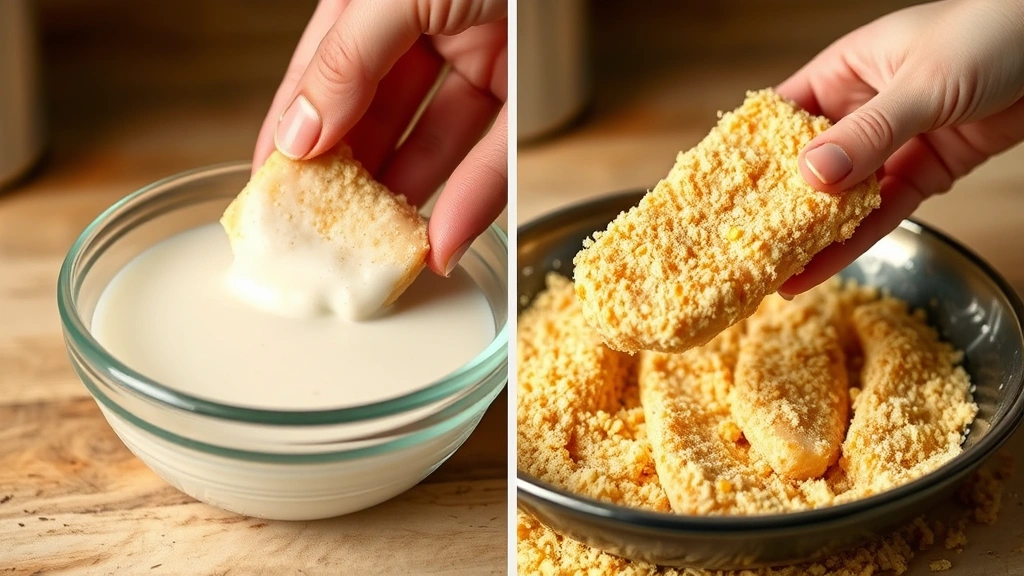
- Working with one fillet at a time, dip it into the buttermilk, coating both sides completely and allowing excess to drip back into the bowl.
- Immediately transfer the buttermilk-coated fillet to the cornmeal mixture and coat thoroughly on both sides, pressing gently so the coating adheres. Make sure every part of the fillet is covered with the seasoned cornmeal mixture.
- Place the coated fillet on a clean plate and repeat the buttermilk and cornmeal coating process with the remaining fillets.
- Carefully place the coated fillets into the hot oil, working in batches to avoid overcrowding the pot. The fillets should have enough space around them to fry evenly—typically you can fit 2-3 fillets at a time depending on their size.
- Fry for 4-5 minutes without moving the fillets. Resist the urge to flip or fuss with them—let them develop that beautiful golden crust.
- Flip each fillet carefully using tongs or a slotted spatula and fry for another 3-4 minutes until the second side is equally golden brown and crispy.
- Transfer the fried catfish fillets to a paper towel-lined plate using a slotted spatula or skimmer. This allows excess oil to drain away.
- Sprinkle the hot catfish fillets immediately with a pinch of fresh kosher salt while they’re still steaming.
- Garnish with fresh chopped parsley and serve immediately with lemon wedges and your choice of tartar sauce or remoulade. For complementary side dishes, consider serving with quick tasty bacon carbonara or lighter options like fresh slaw.
- For any leftover fried catfish, store in an airtight container in the refrigerator for up to 2 days. Reheat in a 350-degree Fahrenheit oven for 8-10 minutes to restore crispiness.
Pro Tips
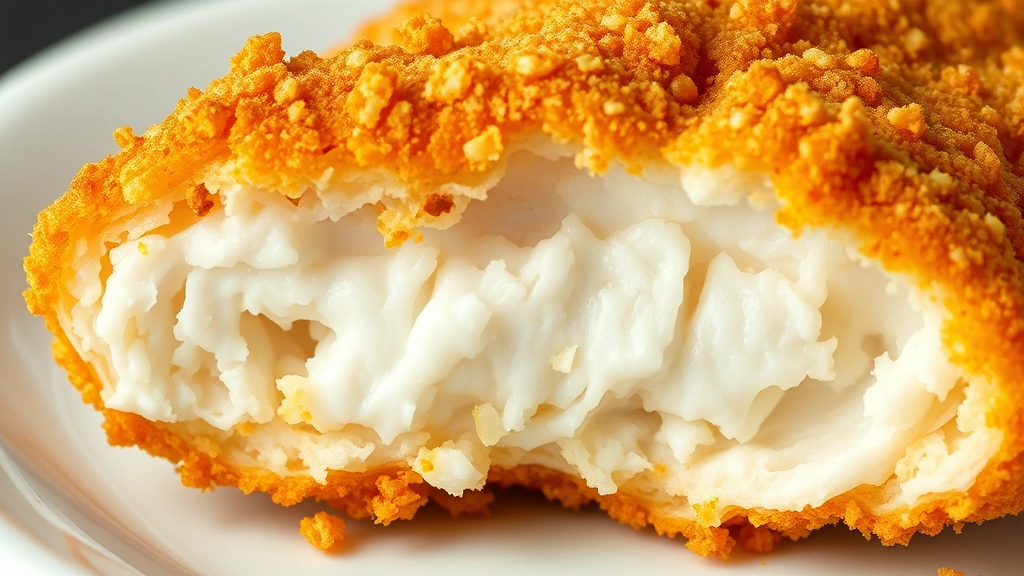
The buttermilk serves double duty in this recipe: it adds flavor and creates a slightly acidic environment that tenderizes the fish while helping the coating adhere properly. Don’t skip this step or substitute regular milk.
Stone-ground cornmeal creates a more rustic, textured crust than fine cornmeal. It’s worth seeking out at specialty stores or online, though regular cornmeal works well too.
Fresh catfish is ideal, but frozen catfish fillets that have been properly thawed work beautifully as well. Just make sure to pat them extra dry since they tend to release more moisture.
The spice blend in the coating is customizable based on your preferences. If you prefer milder catfish, reduce the cayenne pepper to 1/2 teaspoon. For spicier results, increase it to 1.5 teaspoons or add a pinch of black cayenne.
For a lighter version, you can bake this recipe instead of frying. Spray the coated fillets with cooking spray and bake at 400 degrees Fahrenheit for 12-15 minutes until golden and cooked through. The texture won’t be quite as crispy, but it’s still delicious.
The oil used for frying can be strained and reused for frying once more. Let it cool completely, strain through a fine-mesh sieve or cheesecloth to remove any crumbs, and store in a sealed container in a cool, dark place.
Catfish pairs wonderfully with traditional Southern sides like hushpuppies, coleslaw, or french fries. For creamy accompaniments, try pairing with alfredo sauce for a fusion twist.