
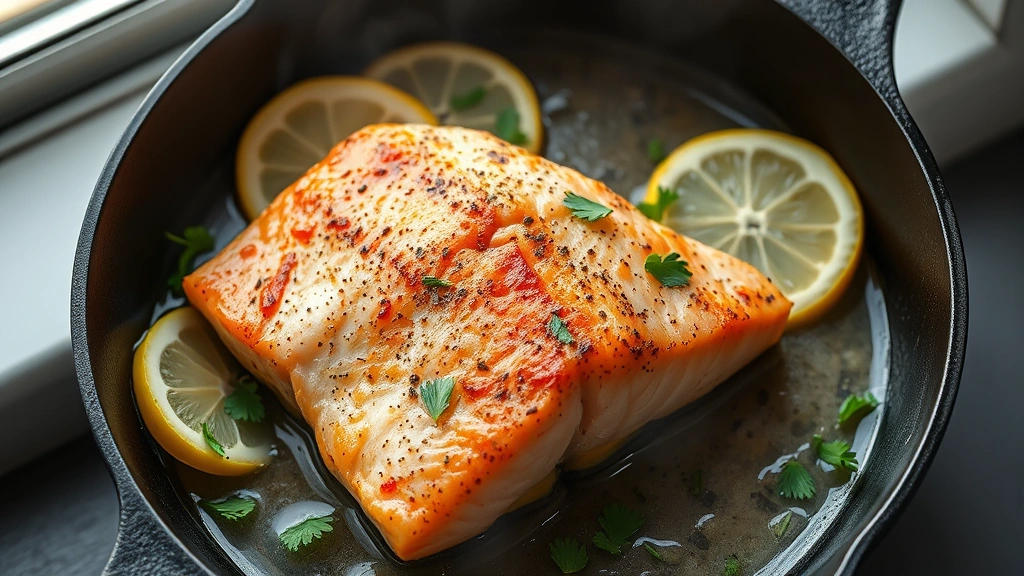
Frozen salmon doesn’t have to mean sad, dry fish! With the right technique, you can create restaurant-quality salmon that’s incredibly moist, flaky, and absolutely delicious. This foolproof method skips thawing entirely and delivers perfectly cooked salmon in under 30 minutes. Whether you’re a busy weeknight cook or someone who loves having protein options on hand, frozen salmon is genuinely a game-changer.
The secret to the best frozen salmon recipes lies in understanding that cooking from frozen is not just acceptable—it’s actually preferable in many cases. Cooking salmon while still frozen helps lock in moisture and prevents overcooking, which is the number one enemy of salmon. The exterior develops a beautiful golden crust while the inside stays tender and buttery. I’m sharing my go-to method that works every single time, plus several flavor variations so you never get bored.
What I love most about frozen salmon is the convenience factor. No planning ahead, no last-minute thawing panic. Just pull it from your freezer and dinner is on the table. You can dress it up with a lemon butter sauce, pair it with roasted vegetables, or serve it alongside a fresh salad. For more pasta-based options to round out your meal, check out this Delicious Heavy Cream Pasta Recipe or this Best Heavy Cream Alfredo Sauce Recipe for a more decadent side.
The technique I’m sharing works whether you have salmon fillets or steaks, though fillets are most common in home kitchens. The key is using high heat, a good pan with proper seasoning, and a willingness to let the salmon cook undisturbed for the first few minutes. This creates that gorgeous crust we’re all after. I’ve tested this method dozens of times, and it consistently produces results that rival any restaurant preparation.
This frozen salmon recipe is perfect for anyone looking to streamline their cooking routine without sacrificing quality or flavor. Once you master this technique, you’ll find yourself buying frozen salmon regularly. It’s affordable, sustainable, and endlessly versatile. Pair it with Best Pickled Red Onion Recipe for brightness or Best Chickpea Salad Recipe for a complete meal.
I also want to mention that cooking frozen salmon actually has some nutritional advantages. The quick cooking method preserves omega-3 fatty acids better than slower cooking methods. Plus, you’re avoiding the food waste that sometimes happens when thawed salmon sits in the fridge waiting to be cooked. This is an environmentally conscious choice that also happens to taste incredible.
For additional inspiration and professional techniques, I recommend checking out Bon Appétit’s recipe collection and Serious Eats’ comprehensive cooking guides. These resources have deepened my understanding of fish cookery over the years. You might also find helpful timing tips at New York Times Cooking.
What makes this approach so special is its flexibility. You can keep the seasoning simple with just salt and pepper, or you can create elaborate sauces and toppings. The frozen salmon itself becomes a blank canvas for whatever flavor profile you’re craving. Asian-inspired with soy and ginger? Mediterranean with herbs and lemon? Creamy dill sauce? All of these work beautifully with this cooking method.
Ingredients
- 4 frozen salmon fillets (5-6 oz each)
- 2 tablespoons butter or olive oil
- 1 teaspoon kosher salt
- ½ teaspoon black pepper
- 1 teaspoon garlic powder
- ½ teaspoon dried thyme or Italian seasoning
- 2 tablespoons fresh lemon juice
- 2 cloves garlic, minced
- Fresh parsley for garnish
- Lemon slices for serving
Instructions
- Pat the frozen salmon fillets with paper towels to remove any excess ice. Don’t worry about thawing them—the ice actually helps regulate cooking temperature.
- Place a large skillet over medium-high heat and let it preheat for 2-3 minutes until it’s hot but not smoking.
- While the pan heats, combine the kosher salt, black pepper, garlic powder, and dried thyme in a small bowl.
- Add the butter or olive oil to the preheated skillet, allowing it to coat the entire surface. If using butter, let it foam slightly but not brown.
- Sprinkle the seasoning mixture evenly over both sides of the frozen salmon fillets, using about ¾ of the seasoning total.
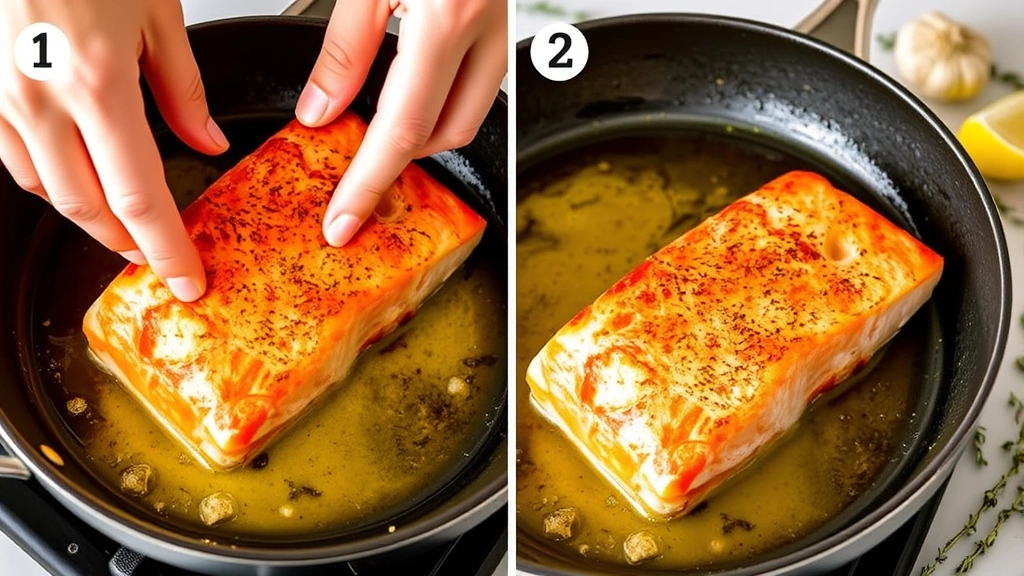
- Carefully place the salmon skin-side up in the hot skillet. Do not move it for 4-5 minutes—this is crucial for developing a golden crust.
- After 4-5 minutes, check the bottom of the fillets. You should see a beautiful golden-brown color. Carefully flip each fillet to the skin-side down position.
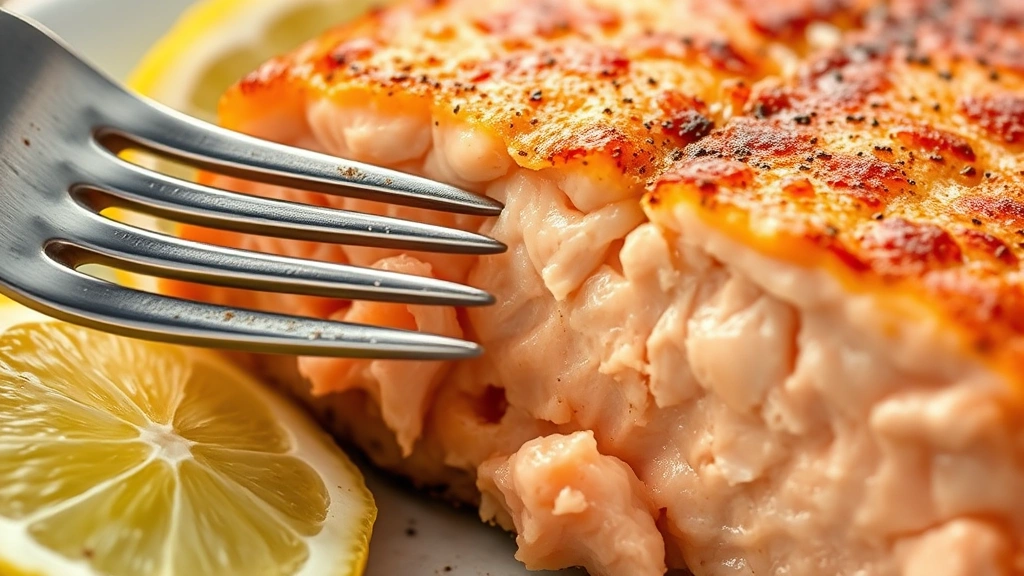
- Cook for an additional 6-8 minutes, depending on thickness. The salmon is done when it flakes easily with a fork and reaches an internal temperature of 145°F on a meat thermometer.
- Add the minced garlic and fresh lemon juice to the pan in the final minute of cooking, allowing the flavors to meld with the butter.
- Transfer the cooked salmon to a serving platter and drizzle with the pan sauce that remains in the skillet.
- Garnish with fresh parsley and serve immediately with lemon slices on the side.
Pro Tips
- Frozen salmon is often fresher than fresh salmon at the supermarket because it’s flash-frozen immediately after catching, preserving peak flavor and texture
- Do not thaw the salmon before cooking. Thawing can cause moisture loss and increases the risk of bacterial growth. Frozen-to-pan is the superior method
- The internal temperature of properly cooked salmon should reach 145°F according to USDA guidelines. A meat thermometer takes the guesswork out of doneness
- If your salmon fillets are particularly thick (over ¾ inch), reduce heat to medium after the initial sear to prevent the outside from overcooking before the inside is done
- Skin-side down contact with the hot pan creates the crispy exterior while the flesh remains tender. Don’t skip this step
- You can meal prep by portioning salmon into individual freezer bags. They’ll cook perfectly from frozen whenever you need a quick protein
- Different seasonings work beautifully with frozen salmon: try Italian herbs, Cajun spices, Asian five-spice, or Mediterranean oregano and lemon combinations
- Frozen salmon pairs wonderfully with roasted vegetables like asparagus, broccoli, or Brussels sprouts. Season everything together for a one-pan meal
- Leftover cooked salmon keeps in the refrigerator for 3-4 days and works great in salads, grain bowls, or flaked into pasta dishes
- Wild-caught frozen salmon typically has more omega-3 fatty acids and complex flavor compared to farmed varieties, though both are nutritious choices
- For a restaurant-quality presentation, serve over a bed of fresh greens or alongside creamy risotto and garnish with microgreens and edible flowers