

Garlic shrimp scampi is one of those elegant-yet-effortless dishes that feels fancy enough for dinner guests but comes together in under 30 minutes on a weeknight. This classic Italian-American preparation showcases perfectly cooked shrimp in a luscious garlic butter sauce that’s absolutely irresistible. The beauty of scampi lies in its simplicity—quality shrimp, plenty of garlic, fresh lemon, white wine, and butter create magic when combined with proper technique.
I’ve been making variations of this dish for years, and I’m thrilled to share my tried-and-true method for achieving restaurant-quality results at home. The key is starting with excellent shrimp and not overcooking them—shrimp cook incredibly quickly, and even a minute too long transforms tender morsels into rubbery disappointments. We’ll walk through selecting your shrimp, preparing your ingredients (mise en place is crucial here), and building layers of flavor that’ll have everyone asking for seconds.
This garlic butter pasta sauce pairs beautifully over linguine, angel hair, or even creamy risotto. You can also serve it with crusty bread for soaking up every precious drop of sauce. For a lighter option, try it over zucchini noodles or alongside roasted vegetables. The bright lemon flavor cuts through the richness perfectly, making this dish feel fresh despite the butter-forward sauce.
What I love most about garlic shrimp scampi is its versatility and how quickly you can have an impressive dinner on the table. Whether you’re cooking for two or feeding a crowd, this recipe scales beautifully. The technique remains the same, and the results are consistently spectacular. Read on for detailed instructions, helpful tips, and variations to make this classic your own.
For more inspiration with shrimp, check out this Serious Eats guide to shrimp scampi, and for wine pairings, Bon Appétit’s take on garlic shrimp is fantastic. You might also enjoy exploring New York Times recipes for shrimp scampi variations to customize this dish to your preferences.
Ingredients
- 2 pounds large shrimp (16-20 count), peeled and deveined
- 6 tablespoons unsalted butter, divided
- 8-10 cloves garlic, minced (about 3 tablespoons)
- ½ cup dry white wine (Sauvignon Blanc or Pinot Grigio work well)
- ¼ cup fresh lemon juice (about 2 lemons)
- 2 tablespoons fresh lemon zest
- ¼ teaspoon red pepper flakes (adjust to taste)
- ½ teaspoon kosher salt, plus more for seasoning
- ¼ teaspoon freshly ground black pepper, plus more for seasoning
- ¼ cup fresh Italian parsley, finely chopped
- 2 tablespoons olive oil
- 1 pound linguine or angel hair pasta (or 1 pound zucchini noodles)
- Fleur de sel for finishing (optional but recommended)
- 1 lemon, halved for garnish
Instructions
- Pat the shrimp dry with paper towels and season generously with salt and pepper. This step is crucial—moisture on the shrimp prevents proper browning. Set aside on a clean plate.
- Bring a large pot of salted water to a boil for the pasta. Once boiling, add pasta and cook according to package directions until al dente. Reserve 1 cup of pasta water before draining, then toss drained pasta with a drizzle of olive oil to prevent sticking.
- While water comes to a boil, prepare your garlic and lemon. Mince the garlic finely so it cooks evenly and distributes throughout the sauce. Zest the lemons before juicing them—this prevents losing zest in the juice.
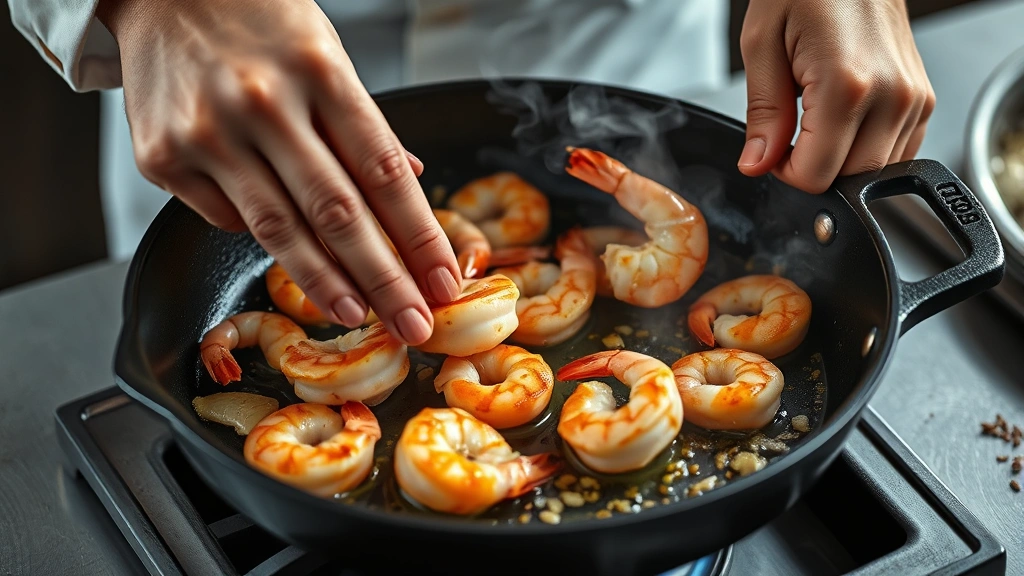
- Heat a large skillet over medium-high heat for 1-2 minutes until very hot. Add 1 tablespoon of olive oil and swirl to coat the pan evenly.
- Working in two batches to avoid crowding the pan, add half the shrimp in a single layer. Cook without moving them for 2 minutes until the bottoms are golden and slightly caramelized.
- Flip the shrimp and cook the other side for 1-2 minutes until just cooked through—the shrimp should be opaque throughout but still tender. Transfer cooked shrimp to a clean plate and repeat with remaining shrimp.
- In the same skillet, reduce heat to medium and add 2 tablespoons of butter. Once melted and foaming, add the minced garlic and red pepper flakes.
- Cook the garlic for 30-45 seconds, stirring constantly, until fragrant but not browned. Burnt garlic tastes bitter, so watch carefully—this happens fast.
- Immediately pour in the white wine, scraping up any browned bits from the bottom of the pan with a wooden spoon. Let the wine simmer for 2-3 minutes to reduce slightly and allow the alcohol to cook off.
- Stir in the fresh lemon juice and lemon zest. Add the remaining 3 tablespoons of butter, one tablespoon at a time, stirring constantly until each piece is fully incorporated before adding the next.
- Return the cooked shrimp to the skillet along with any accumulated juices on the plate. Toss gently to coat with the sauce and heat through for about 1 minute—don’t overcook or the shrimp will become tough.
- Taste the sauce and adjust seasoning with additional salt and pepper as needed. The sauce should be bright, buttery, and slightly lemony with a hint of heat from the pepper flakes.
- Divide the cooked pasta among serving bowls. Spoon the shrimp and sauce over the pasta, making sure each serving gets plenty of the delicious garlic butter sauce.
- Garnish generously with fresh Italian parsley and fleur de sel if using. Serve immediately with lemon halves for squeezing additional juice at the table.

Pro Tips
- **Shrimp Selection**: Purchase the largest shrimp you can find (16-20 count per pound). Larger shrimp are easier to cook evenly and have better texture than smaller varieties. Ask the fishmonger for “shell-on” if buying fresh, as the shells add flavor. Frozen shrimp work beautifully—just thaw completely and pat very dry before cooking.
- **Dry Your Shrimp**: This cannot be overstated. Wet shrimp will steam rather than sear, preventing the golden crust that adds flavor and texture. Pat them with paper towels multiple times if needed.
- **Don’t Overcrowd the Pan**: Cooking shrimp in two batches seems tedious but prevents steaming. The goal is a beautiful golden crust, which requires proper heat and space around each shrimp.
- **Garlic Timing**: Add garlic only after removing shrimp from the pan. Garlic burns easily and will taste acrid if cooked too long or at too high heat. The residual heat of the pan after shrimp are removed is perfect for blooming garlic flavor without burning.
- **Wine Choice**: Use a wine you’d drink on its own. The wine concentrates as it reduces, so poor quality wine makes poor sauce. Sauvignon Blanc and Pinot Grigio are classics, but any dry white wine works.
- **Butter Emulsion**: When adding cold butter to the warm sauce, stir constantly to create an emulsion. This technique results in a silky, luxurious sauce rather than greasy puddles of separated butter.
- **Pasta Water Magic**: Pasta water contains starch that helps emulsify the sauce. Add a splash if the sauce seems too thin or if it breaks during the final heating.
- **Make It Creamy**: For a richer sauce, add ¼ cup heavy cream after the wine reduces. Stir in before the lemon juice and proceed as directed.
- **Spice Level**: Red pepper flakes add subtle heat. Start with ¼ teaspoon and increase to taste. Some love an aggressive kick; others prefer mild warmth.
- **Fresh Parsley**: Finish with fresh parsley added off heat. Cooking parsley too long diminishes its bright flavor and pretty color.
- **Serving Suggestions**: Serve with crusty bread for sauce soaking, a simple green salad dressed with lemon vinaigrette, or steamed asparagus. A crisp white wine pairs perfectly—try the same Sauvignon Blanc used in the sauce.
- **Storage**: Leftovers keep refrigerated for up to 2 days in an airtight container. Reheat gently in a skillet over low heat, adding a splash of white wine or water if the sauce has thickened too much. The shrimp may be slightly less tender when reheated, so eat fresh when possible.
Pingback: How to make the BEST Healthy Vegetable Stir-Fry Recipe! – Simple Recipe Finder
Pingback: How to make the BEST Egg Roll Wrapper Recipe! – Simple Recipe Finder
Pingback: How to make the Perfect Crab Cake Sauce Recipe! – Simple Recipe Finder
Pingback: How to make the BEST Party Ribs Recipe – So Delicious! – Simple Recipe Finder
Pingback: How to make the BEST Pistachio Salad Recipe! – Simple Recipe Finder