
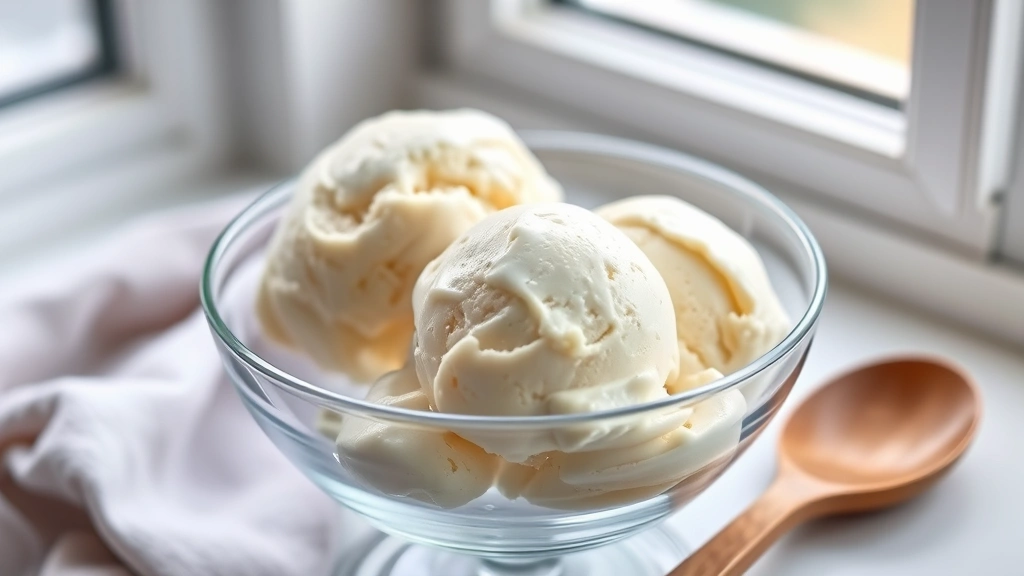
There’s nothing quite like authentic Italian gelato—that silky, luxurious frozen dessert that melts on your tongue with pure indulgence. Making gelato at home might seem intimidating, but I promise it’s easier than you think, and the results are absolutely divine. This recipe creates that signature creamy texture that’s smoother and denser than regular ice cream, with an intense flavor that’ll transport you straight to a gelato shop in Rome.
The secret to the best gelato lies in the technique and understanding the science behind it. Unlike American ice cream, gelato contains less air, which gives it that rich, concentrated flavor and silky mouthfeel. We’re going to create a custard base using egg yolks and whole milk, which creates that perfect balance of creaminess without being overly heavy. The key is patience—both in tempering your eggs properly and in the churning process.
I’ve been making gelato for years, and I’ve perfected this recipe to give you restaurant-quality results right in your own kitchen. Whether you’re planning a dinner party, want to impress your family, or simply crave an elegant dessert that feels special, this gelato recipe is your answer. The beauty of this base recipe is its versatility—you can easily transform it into any flavor you desire, from classic vanilla to sophisticated pistachio or decadent chocolate.
What makes this recipe stand out is the combination of whole milk and heavy cream in precise proportions, which creates that authentic gelato texture. Many home recipes use too much cream, resulting in something that tastes more like ice cream than true gelato. This recipe respects the traditional Italian method while being completely achievable with home equipment. You don’t need an expensive ice cream maker—even a basic one will produce gorgeous results.
The process is surprisingly meditative and rewarding. There’s something magical about watching cream transform into smooth, scoopable gelato. Your kitchen will smell absolutely incredible, and your friends will be forever grateful when you serve them homemade gelato. Trust me, once you make this, store-bought versions will never satisfy you again.
If you’re looking for other elegant desserts to complement your gelato experience, consider pairing it with silky cream sauces or exploring complementary flavors. For inspiration on dairy-based recipes, check out this heavy cream technique guide.
According to Serious Eats, the ideal gelato temperature for serving is between 6-10°F, which creates that perfect scoopable consistency. For more advanced techniques, Bon Appétit offers detailed guides on custard-based desserts, and NYT Cooking has excellent troubleshooting tips for ice cream and gelato making.
Ingredients
- 2 cups whole milk
- 1 cup heavy cream
- 1 vanilla bean or 1 teaspoon pure vanilla extract
- 5 large egg yolks
- 1/2 cup sugar
- 1 tablespoon cornstarch (for smoother texture)
- Pinch of sea salt
Instructions
- Pour the whole milk and heavy cream into a heavy-bottomed saucepan. If using a vanilla bean, split it lengthwise and scrape the seeds into the milk mixture, then add the pod itself. Heat over medium heat until small bubbles form around the edges and steam rises—do not boil. This should take about 5-7 minutes.
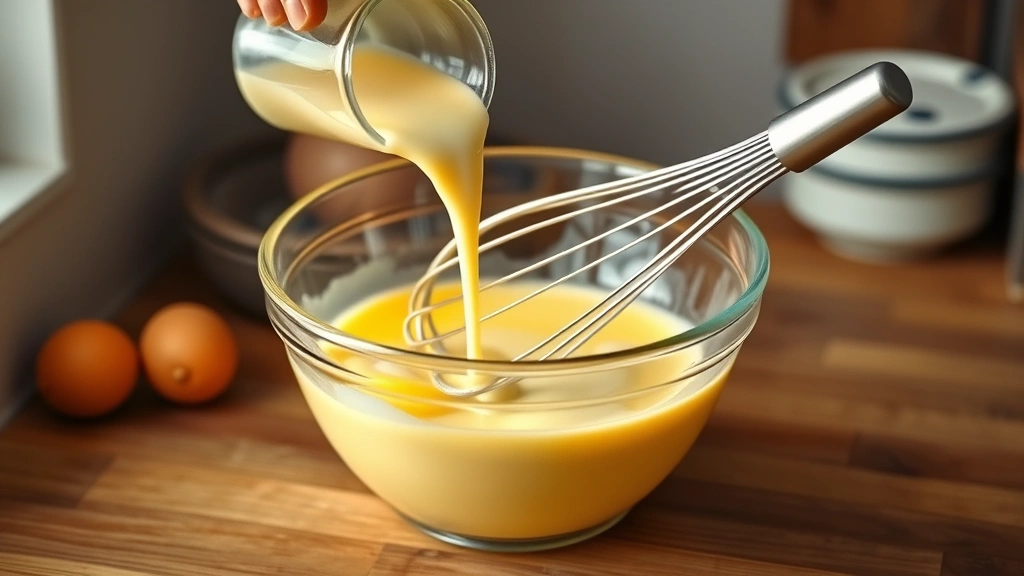
- While the milk heats, whisk together the egg yolks and sugar in a separate bowl. Use an electric mixer or whisk vigorously for about 2-3 minutes until the mixture becomes pale, thick, and slightly fluffy. This step is crucial for creating a smooth gelato texture.
- Once the milk mixture is hot, slowly remove it from heat. If using vanilla bean, remove the pod. Very slowly pour about 1/4 of the hot milk into the egg mixture while constantly whisking. This tempering process prevents the eggs from scrambling.
- Continue whisking and slowly add another 1/4 of the hot milk to the egg mixture, stirring constantly. Take your time here—rushing this step is the main reason gelato batches fail.
- Now pour the tempered egg mixture back into the saucepan with the remaining hot milk, whisking continuously. Add the cornstarch and sea salt, stirring until completely combined.
- Place the saucepan back on medium heat and stir constantly with a wooden spoon or silicone spatula. The mixture should reach 160°F (71°C) on an instant-read thermometer. This ensures food safety and creates the proper custard consistency. The mixture will thicken slightly and coat the back of the spoon.
- Remove from heat immediately once the temperature reaches 160°F. If using vanilla extract instead of a bean, stir it in now. Strain the custard through a fine-mesh sieve into a bowl to remove any cooked egg bits and ensure silky smoothness.
- Place the bowl of custard into an ice bath (a larger bowl filled with ice and water). Stir occasionally for about 10-15 minutes until the custard is completely cooled to room temperature. This stops the cooking process and improves the final texture.
- Once cooled, cover the custard with plastic wrap and refrigerate for at least 4 hours, but preferably overnight. This resting period is essential—it allows the flavors to develop and creates the best texture when churned.
- Pour the chilled custard into your ice cream maker and churn according to the manufacturer’s instructions. Most machines take 20-30 minutes to reach soft-serve consistency. The gelato should look thick and creamy when ready.
- Transfer the churned gelato to a freezer-safe container and freeze for at least 2 hours before serving. For the creamiest texture, serve at 6-10°F—scoop it after it’s been in the freezer for about 2 hours.
Pro Tips
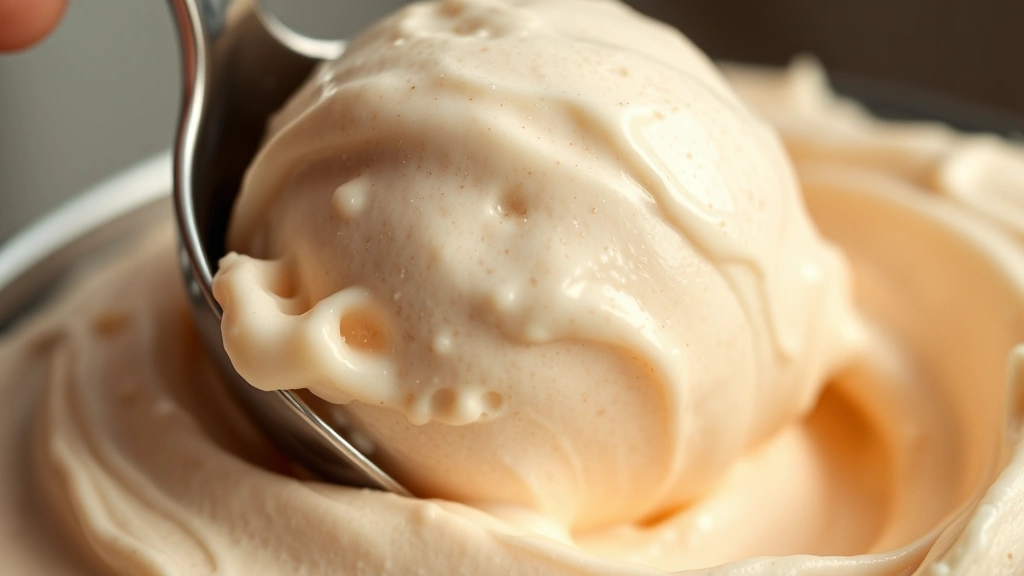
The cornstarch is a game-changer for home gelato makers. It prevents ice crystal formation and creates that signature smooth, dense texture that distinguishes gelato from regular ice cream. Don’t skip this ingredient.
For flavor variations, you can easily customize this base recipe. For chocolate gelato, add 4 ounces of finely chopped high-quality chocolate to the hot custard and stir until melted. For pistachio, add 1 cup of smooth pistachio paste after cooling. For coffee, add 2 tablespoons of instant espresso powder to the custard before churning.
The overnight resting period in the refrigerator is not optional—it truly makes a difference in the final product. The mixture needs time for the flavors to develop and for proper ice crystal formation to occur during churning.
If you don’t have an ice cream maker, you can still make gelato using the freeze-and-stir method. Spread the cooled custard in a shallow pan and freeze for 30 minutes, then stir vigorously with a fork. Repeat every 30 minutes for 3-4 hours until you reach the desired consistency. It’s more labor-intensive but absolutely works.
Store your homemade gelato in an airtight container in the freezer for up to two weeks. For best flavor and texture, serve within one week. Remove from freezer 5-10 minutes before serving to achieve that perfect scoopable consistency.
If your gelato becomes too hard in the freezer, simply let it sit at room temperature for 10-15 minutes before scooping. The ideal serving temperature creates a texture that’s softer than regular ice cream but holds its shape beautifully.
For a lighter version, you can replace up to 1/2 cup of the heavy cream with additional whole milk, though this will result in slightly less rich gelato. The proportions in this recipe are carefully balanced for authentic Italian-style gelato.
Yolks from free-range or pasture-raised eggs will give your gelato a beautiful golden color and richer flavor. The quality of your ingredients directly impacts the final product, so invest in good eggs and real vanilla if possible.