
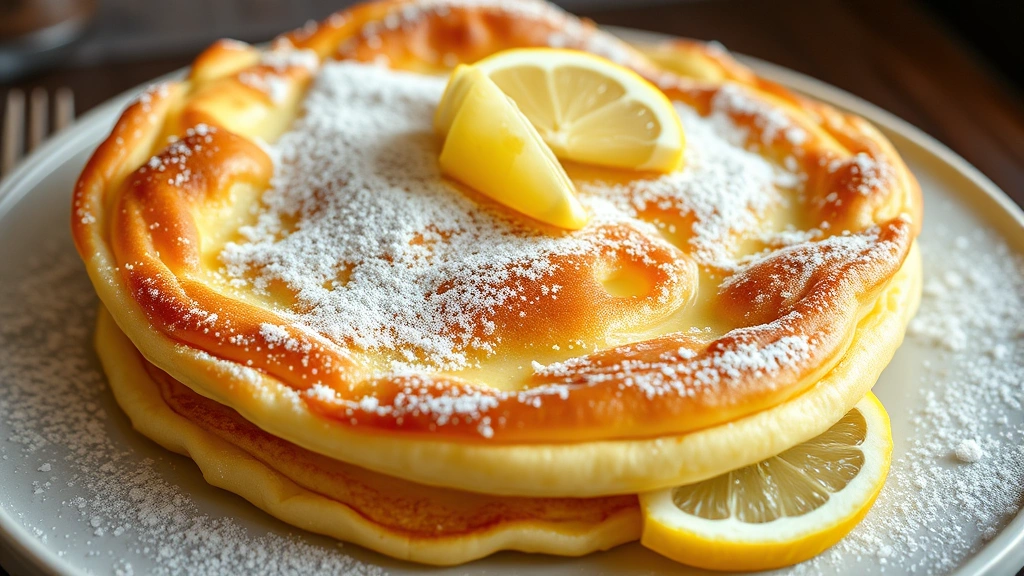
German pancakes, also known as Dutch babies or Pfannkuchen, are a showstopping breakfast that looks far more complicated than it actually is. This puffy, golden creation emerges from your oven like edible magic, with dramatic edges that puff up beautifully while the center remains tender and custardy. The best part? You only need basic pantry ingredients and about 30 minutes from start to finish.
What makes German pancakes so special is their unique texture—they’re neither quite a pancake nor a soufflé, but something wonderfully in between. Unlike traditional American pancakes that are thick and fluffy throughout, German pancakes have crispy, caramelized edges with a soft, almost custard-like center that jiggles ever so slightly when you pull them from the oven. This textural contrast is absolutely addictive.
The magic happens when you combine a simple batter with a scorching hot cast iron skillet and a very hot oven. The initial heat creates steam that causes the batter to puff dramatically, while the butter in the pan creates those gorgeous golden-brown, crispy edges we all crave. It’s the kind of breakfast that impresses guests without requiring you to stand at the stove flipping pancakes for thirty minutes.
This recipe is endlessly versatile. Top yours with classic powdered sugar and fresh lemon juice for an elegant presentation, or go sweet with fresh berries, whipped cream, and maple syrup. You could even try savory toppings like crispy bacon, sautéed mushrooms, or a dollop of creamy sauce. The blank canvas of a German pancake is your playground.
I’ve tested this recipe dozens of times, and I’m sharing all my best tips for getting that perfect puff every single time. Temperature is absolutely key—your skillet and oven must be properly preheated, and your batter should be at room temperature. Don’t skip the resting time; it allows the flour to fully hydrate and creates a better texture. Most importantly, resist the urge to open the oven door while they’re baking. I know it’s tempting to peek at their magnificent rise, but opening that door releases heat and can cause them to collapse.
Whether you’re cooking for a special breakfast celebration or just want to impress your family on a lazy Sunday morning, this German pancakes recipe will become a treasured favorite. It’s elegant enough for company, easy enough for beginners, and absolutely delicious every single time.
Ingredients
- 4 large eggs, room temperature
- 1 cup whole milk, room temperature
- 1 cup all-purpose flour
- 2 tablespoons granulated sugar
- 1/2 teaspoon vanilla extract
- 1/4 teaspoon salt
- 4 tablespoons unsalted butter
- Powdered sugar for serving
- Fresh lemon juice for serving
- Fresh berries (optional)
- Maple syrup or jam (optional)
Instructions
- Preheat your oven to 425°F (220°C). Place a 10 to 12-inch cast iron skillet on the middle oven rack and let it preheat for at least 10 minutes. This is crucial—the skillet must be screaming hot for proper puffing.
- While the skillet preheats, add eggs, milk, flour, sugar, vanilla extract, and salt to a blender. Blend on high speed for about 1 minute until the batter is completely smooth. You can also whisk by hand if you prefer, but make sure there are no lumps remaining.
- Let the batter rest at room temperature for 5-10 minutes. This allows the flour to fully hydrate and creates a better texture. Do not skip this step—it makes a noticeable difference in the final result.
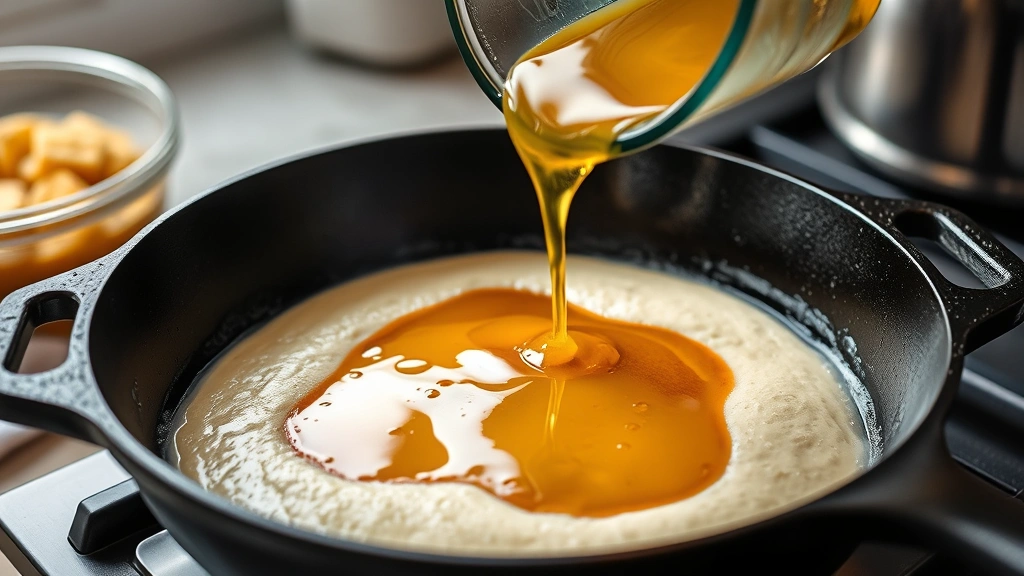
- Carefully remove the hot skillet from the oven. Add all 4 tablespoons of butter and swirl to coat the entire bottom and sides. The butter will foam and sizzle dramatically. Return the skillet to the oven for about 1 minute until the butter is foamy and just beginning to brown.
- Working quickly, carefully remove the skillet from the oven and pour the batter into the center. Don’t be alarmed by the sizzle—that’s exactly what you want. Immediately return the skillet to the oven.
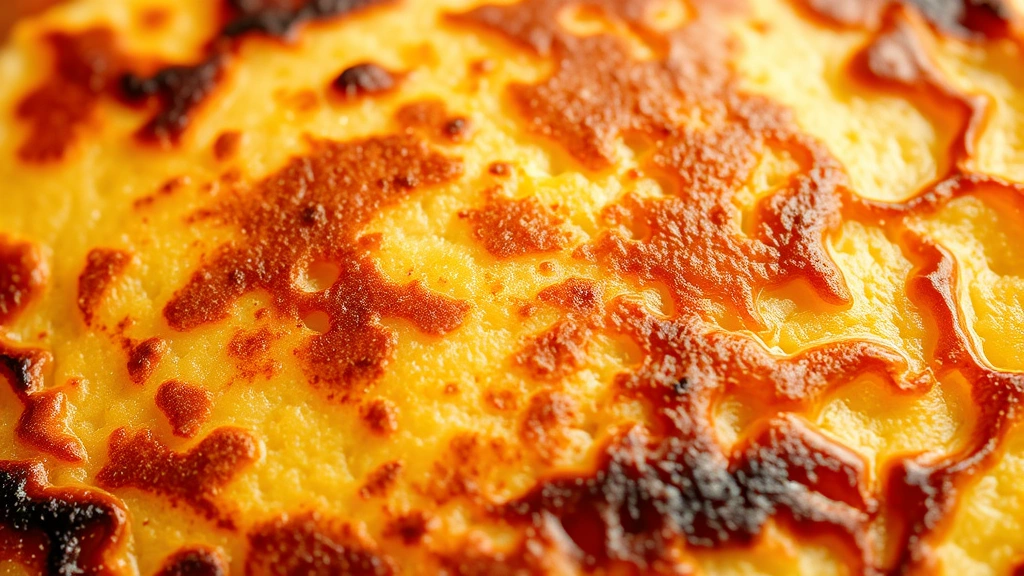
- Bake for 18-22 minutes without opening the oven door. The pancake will rise dramatically, puffing up around the edges while the center remains slightly lower. The edges should turn deep golden brown and crispy.
- Remove from the oven when the edges are golden and crispy and the center is set but still slightly jiggly in the very middle. The pancake will be incredibly puffed at this moment.
- The pancake will deflate somewhat as it cools, which is completely normal. This is not a sign of failure—it’s the natural result of the steam escaping.
- Serve immediately while still warm. Dust generously with powdered sugar and squeeze fresh lemon juice over the top. Serve with your choice of toppings.
Pro Tips
- Temperature control is absolutely essential for success. Your skillet must be properly preheated, and your ingredients should be at room temperature. Cold ingredients will cool down the batter and prevent proper puffing.
- Use a cast iron skillet for best results. It retains heat beautifully and creates those gorgeous crispy, caramelized edges. If you don’t have cast iron, a well-seasoned carbon steel skillet works as a good substitute.
- Don’t panic when the pancake deflates after coming out of the oven. This is completely normal and expected. The dramatic puff is created by steam, which escapes as it cools. The pancake will still be delicious.
- Resist the urge to open the oven door while baking. Opening it releases heat and steam, which can cause the pancake to collapse prematurely. Set a timer and trust the process.
- For extra flavor, try adding a pinch of nutmeg, cinnamon, or almond extract to the batter. You can also add lemon zest for a bright, citrusy note.
- Topping ideas are endless: dust with powdered sugar and lemon juice for classic elegance, top with fresh berries and whipped cream for indulgence, or drizzle with chocolate sauce and sprinkle with nuts for decadence. You could even try savory options like pickled red onions and herbs.
- This recipe makes one large pancake that serves 2-4 people, depending on appetite and toppings. If you want to make multiple pancakes, the batter recipe doubles easily. Just bake them one at a time.
- Leftover batter can be refrigerated for up to 24 hours, though it’s best used immediately. If you refrigerate it, bring it back to room temperature before using.
- The pancake is best served immediately after baking while the edges are still crispy and the center is warm. However, leftovers can be reheated in a 350°F oven for about 5 minutes.
- For a special brunch, you could prepare everything ahead of time and pop the skillet in the oven just before serving. Your guests will be amazed when this dramatic creation emerges from the oven.