
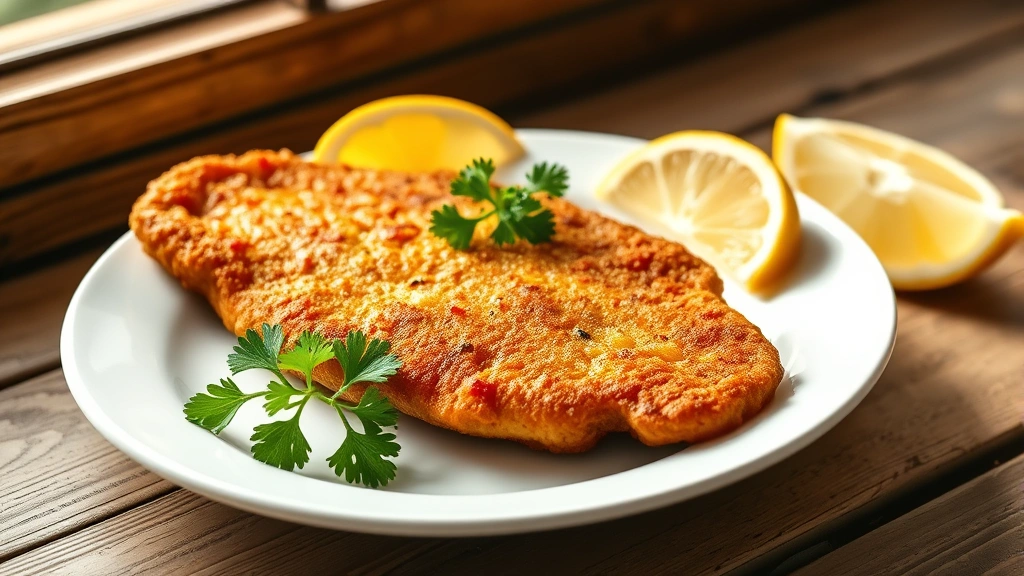
There’s nothing quite like a perfectly crispy German schnitzel—that golden, crunchy exterior giving way to tender, juicy meat inside. This classic dish is surprisingly simple to master, and once you learn the technique, you’ll be making it again and again. The secret lies in proper preparation: pounding the meat thin, using the right breading, and maintaining the correct oil temperature. Whether you serve it with heavy cream sauce, a squeeze of fresh lemon, or alongside pickled red onions, this schnitzel will transport your dinner table straight to a cozy Austrian or German restaurant.
Schnitzel is traditionally made with veal, pork, or chicken that’s been pounded paper-thin, breaded, and fried until golden. The beauty of this dish is its versatility and speed—dinner can be on the table in under 30 minutes. I’m sharing my foolproof method that ensures perfectly crispy exteriors every single time, along with expert tips from Serious Eats and Bon Appétit to elevate your technique.
The key to exceptional schnitzel starts with your protein choice. While traditional German schnitzel uses veal cutlets, pork schnitzel is equally delicious and more budget-friendly. Chicken also works wonderfully for a lighter option. The meat must be pounded to an even thickness of about ¼ inch—this ensures uniform cooking and creates that signature tender texture. Many home cooks skip this step, but it’s absolutely crucial for authentic results.
Your breading mixture is equally important. Traditional German schnitzel uses a simple three-step process: seasoned flour, beaten eggs, and fine breadcrumbs. Some recipes add a touch of mustard to the egg mixture for extra flavor. The breadcrumbs should be fine and even—panko works in a pinch, but traditional fine breadcrumbs create a more delicate, authentic crust. For added depth, try using New York Times Cooking’s technique of mixing a bit of grated Parmesan into your breadcrumbs.
Temperature control makes or breaks schnitzel. Your oil should reach 350-375°F (175-190°C). Too cool, and your schnitzel becomes greasy and soggy; too hot, and the exterior burns before the interior cooks through. Use a reliable thermometer and maintain consistent temperature throughout cooking. I recommend using a combination of butter and neutral oil—the butter adds incredible flavor while the oil raises the smoke point.
Serving suggestions are endless. Traditional accompaniments include lemon wedges, creamy pasta, or a simple green salad with vinaigrette. The chickpea salad adds a wonderful Mediterranean twist, while roasted shishito peppers provide a fun, modern pairing. This recipe serves 4 and comes together in about 25 minutes—perfect for weeknight dinners or impressing guests.
Ingredients
- 4 boneless, skinless pork cutlets or veal cutlets (about 4 oz each)
- 1 cup all-purpose flour
- 2 large eggs
- 1 cup fine breadcrumbs (panko works but traditional breadcrumbs are better)
- 1 teaspoon salt, divided
- ½ teaspoon black pepper, divided
- ½ teaspoon garlic powder
- ½ teaspoon paprika
- ¼ teaspoon cayenne pepper (optional)
- 3 tablespoons unsalted butter
- 2 tablespoons neutral oil (vegetable, canola, or light olive oil)
- Zest of 1 lemon
- Fresh parsley for garnish
- Lemon wedges for serving
Instructions
- Pat the cutlets dry with paper towels. Place each cutlet between two pieces of plastic wrap or parchment paper.
- Using a meat mallet, pound each cutlet to an even thickness of approximately ¼ inch, working from the center outward with firm, even strokes. This step is crucial for even cooking and authentic texture.
- In a shallow bowl, whisk together the flour, ½ teaspoon salt, ¼ teaspoon pepper, and garlic powder. Set aside.
- In another shallow bowl, whisk together the eggs with 1 tablespoon water until well combined and slightly frothy.
- In a third shallow bowl, combine the breadcrumbs, remaining ½ teaspoon salt, remaining ¼ teaspoon pepper, paprika, and cayenne pepper (if using). Mix thoroughly.
- Working with one cutlet at a time, dredge it in the flour mixture, shaking off excess. Dip into the egg mixture, coating both sides completely. Finally, press into the breadcrumb mixture, ensuring an even, complete coating on both sides. Place on a clean plate and repeat with remaining cutlets.
- Let the breaded cutlets rest on the plate for 5 minutes—this allows the coating to set properly and helps it adhere during frying.
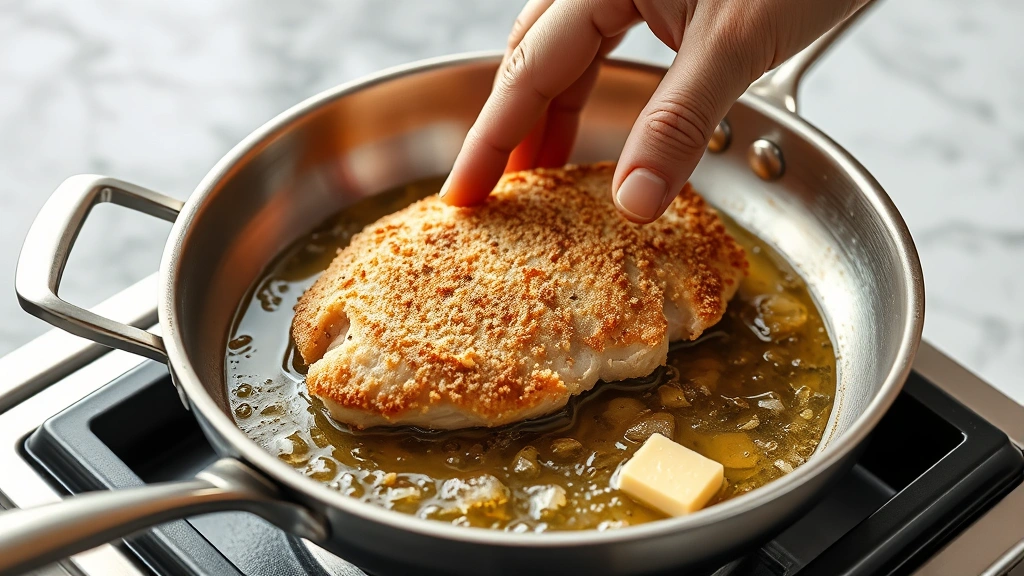
- Heat a large skillet over medium-high heat. Add the butter and oil, swirling to combine. The mixture should be hot but not smoking; test with a small piece of breadcrumb—it should sizzle immediately upon contact.
- Carefully place the first cutlet into the hot oil. Do not move it for 2-3 minutes—this allows the crust to form properly and turn golden brown.
- Flip the cutlet and cook for an additional 2-3 minutes until the second side is equally golden and crispy. The internal temperature should reach 145°F (63°C) for pork or 165°F (74°C) for chicken.
- Transfer the cooked schnitzel to a paper towel-lined plate to drain excess oil. Repeat the cooking process with the remaining cutlets, adjusting heat as needed to maintain proper oil temperature.
- Arrange the schnitzel on a serving platter, garnish with fresh parsley and lemon zest, and serve immediately with lemon wedges on the side.

Pro Tips
- **Meat Selection**: Pork cutlets are the most budget-friendly option and offer excellent flavor. Veal is traditional and slightly more tender. Chicken breast works well for a lighter version—just pound extra thin since chicken cooks faster.
- **The Pounding Technique**: This isn’t just for tenderizing; it creates an even thickness that ensures uniform cooking. Use firm, controlled strokes rather than aggressive pounding, which can tear the meat.
- **Breadcrumb Secrets**: Japanese panko breadcrumbs create a crunchier texture, but traditional fine breadcrumbs yield a more delicate, authentic crust. For extra flavor and crispness, add 2 tablespoons grated Parmesan to your breadcrumb mixture.
- **Oil Temperature Control**: Use a reliable meat or candy thermometer to monitor your oil temperature. Maintaining 350-375°F (175-190°C) is essential. Too cool and you’ll get greasy, soggy results; too hot and the exterior burns before the interior cooks.
- **The Butter-Oil Combination**: Mixing butter with neutral oil creates superior flavor compared to oil alone, while the oil prevents the butter from burning. Never use all butter—it has too low a smoke point.
- **Timing is Everything**: Don’t move the schnitzel once it hits the oil for the first 2-3 minutes. This allows a proper crust to develop. Constant moving prevents browning and creates a greasy result.
- **Resting the Breading**: Allowing breaded cutlets to rest for 5 minutes before frying helps the coating adhere properly and creates a more uniform crust. This small step makes a noticeable difference.
- **Serving Suggestions**: Traditional German sides include egg noodles with brown butter, sauerkraut, or a simple cucumber salad. Lemon is the classic accompaniment—its acidity cuts through the richness beautifully. Modern pairings include arugula salad, roasted vegetables, or creamy pasta.
- **Make-Ahead Tips**: You can bread the cutlets up to 2 hours ahead—keep them covered in the refrigerator. Do not freeze breaded cutlets before frying, as the coating will separate during cooking. However, you can freeze unbreaded pounded cutlets for up to 3 months.
- **Leftover Schnitzel**: While best enjoyed fresh and hot, leftovers can be refrigerated for up to 2 days. Reheat gently in a 350°F (175°C) oven for about 8 minutes to restore some crispness, rather than microwaving.