

Ghormeh Sabzi is one of the most beloved Persian stews, and once you learn how to make it properly, you’ll understand why this dish has graced Iranian tables for generations. This aromatic herb-based stew combines fresh parsley, cilantro, and fenugreek with kidney beans and dried limes for an absolutely unforgettable flavor profile that’s both comforting and complex.
What makes this recipe so special is the beautiful balance of fresh herbs with warm spices and the subtle tartness from the dried limes. Unlike many Western stews, ghormeh sabzi celebrates herbs as the star ingredient rather than a supporting player. The result is a deeply satisfying dish that’s naturally vegetarian-friendly and packed with nutrients.
I’ve been making this dish for years, and I’ve learned that the key to success lies in not rushing the cooking process. The longer you let those herbs infuse into the broth, the more flavorful your stew becomes. This is comfort food at its finest, and it pairs beautifully with fluffy basmati rice.
For those new to Persian cuisine, this is an excellent entry point. It’s approachable enough for weeknight cooking but impressive enough to serve at dinner parties. You can find Best Chickpea Salad Recipe to serve alongside for a complete Persian meal. The warm spices and fresh ingredients will transport you straight to Tehran.
If you’re looking to expand your herb-forward cooking, check out this comprehensive herb guide from Serious Eats to learn more about the fenugreek and cilantro used here. For more Persian cooking inspiration, Bon Appétit’s take on ghormeh sabzi offers another delicious perspective.
This recipe serves 6-8 people and makes enough for leftovers, which actually taste even better the next day as the flavors continue to develop. The beauty of ghormeh sabzi is that it’s forgiving and adaptable to your preferences, though I encourage you to stick closely to the herb ratios the first time you make it to get the authentic experience.
Ingredients
- 3 tablespoons olive oil
- 2 large onions, finely diced
- 1 pound boneless beef stew meat, cut into 1-inch cubes (or omit for vegetarian version)
- 2 cups fresh flat-leaf parsley, finely chopped
- 1 cup fresh cilantro, finely chopped
- 1 cup fresh fenugreek (methi) leaves, finely chopped (or substitute with additional parsley)
- 2 cans (15 ounces each) kidney beans, drained and rinsed
- 6-8 dried limes (loomi), whole or pierced with a knife
- 6 cups beef or vegetable broth
- 1 teaspoon turmeric
- ½ teaspoon black pepper
- 1 teaspoon sea salt, or to taste
- ½ teaspoon ground cinnamon (optional but recommended)
- ¼ teaspoon cayenne pepper (optional)
- 2 bay leaves
- Fresh lime juice from 1 lime (for serving)
Instructions
- Heat olive oil in a large heavy-bottomed pot or Dutch oven over medium-high heat. Once shimmering, add the diced onions and sauté for 5-7 minutes, stirring occasionally, until they become translucent and begin to soften.
- If using beef, add the stew meat to the pot and cook for 8-10 minutes, stirring frequently, until all pieces are browned on all sides. This step develops deep flavor through the Maillard reaction. If making a vegetarian version, skip this step and proceed.
- Sprinkle the turmeric, black pepper, cinnamon, and cayenne pepper over the onions and meat. Stir well to coat everything evenly, and cook for 1-2 minutes until fragrant.
- Pour in the beef or vegetable broth, scraping up any browned bits from the bottom of the pot with a wooden spoon. These flavorful bits add depth to your stew.
- Add the bay leaves and dried limes to the pot. If using whole dried limes, you can leave them intact or pierce them with a sharp knife to release more flavor. Bring the liquid to a boil, then reduce heat to low and simmer, partially covered, for 40 minutes.
- While the broth simmers, prepare your herbs. Finely chop the fresh parsley, cilantro, and fenugreek leaves. These should be cut quite fine, almost into a paste-like consistency, as this is traditional for ghormeh sabzi.
- After 40 minutes of simmering, add the drained kidney beans to the pot and stir well. Continue simmering for another 15 minutes.
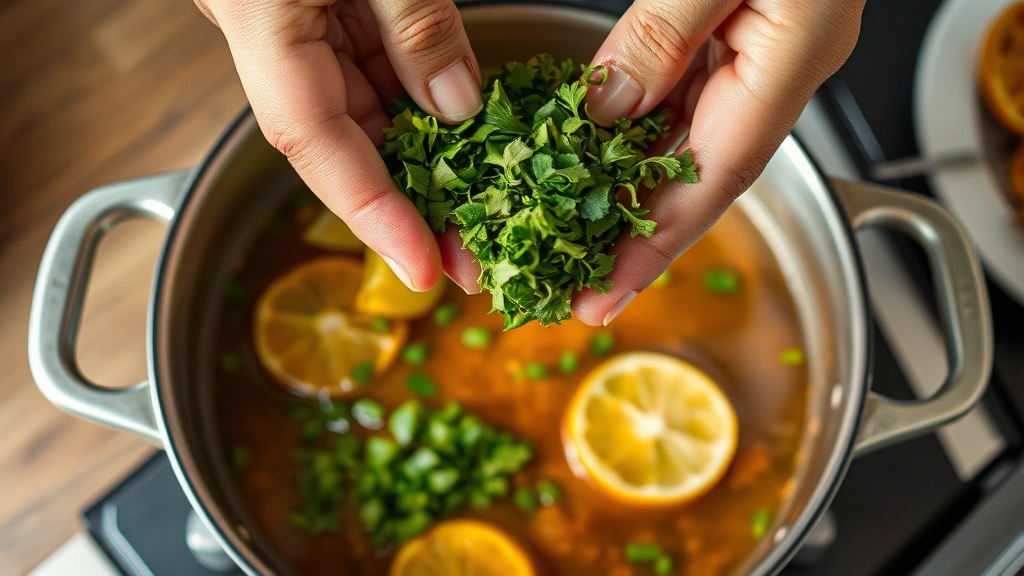
- Now comes the magic moment: add all the chopped fresh herbs to the pot. Stir thoroughly to distribute them throughout the stew. The herbs will initially seem like a lot, but they will wilt down considerably as they cook.
- Add the sea salt to taste. Remember that the dried limes will provide some tartness, so don’t over-salt at this point. You can always adjust at the end.
- Reduce heat to low and let the stew simmer gently, uncovered or partially covered, for another 30-40 minutes. This slow simmer allows the herb flavors to meld with the broth and develop into something truly special. The longer it cooks, the better it becomes.
- Taste the stew and adjust seasonings as needed. The flavor should be herbaceous, slightly tart from the dried limes, warm from the spices, and deeply savory from the broth and beans.
- Serve the ghormeh sabzi hot in bowls over fluffy basmati rice. Squeeze fresh lime juice over each serving for brightness, and remove any dried lime pieces before eating (though you can eat around them if you prefer). Garnish with extra fresh herbs if desired.

Pro Tips
- The dried limes, also called black limes or loomi, are essential to authentic ghormeh sabzi. They provide a unique tart, slightly smoky flavor that cannot be replicated by fresh lemon or lime juice. You can find them at Middle Eastern markets or online. If absolutely unavailable, use the zest and juice of 2 limes, but the dish will taste different.
- Fenugreek leaves (methi) are traditional and provide a distinctive slightly bitter, maple-like note. However, they can be hard to find. You can substitute with additional parsley or a mixture of parsley and arugula for a similar effect, though the flavor will be less authentic.
- This dish is naturally vegetarian when made without meat. For the best vegetarian version, use vegetable broth and add an extra can of kidney beans or chickpeas for heartiness. Consider adding mushrooms for depth, which pair beautifully with the herbs.
- Ghormeh sabzi keeps exceptionally well in the refrigerator for up to 5 days and actually improves with time as flavors develop. It also freezes beautifully for up to 3 months. Thaw overnight in the refrigerator before reheating gently on the stovetop.
- For meal prep, you can prepare the herb mixture the night before and store it in an airtight container in the refrigerator. Add it to the stew just before the final simmering period.
- The rice is crucial for this dish. Serve with fluffy basmati rice or try Serious Eats’ perfect basmati rice technique.
- Traditional accompaniments include sliced onions, fresh limes, and a dollop of thick yogurt on the side. These fresh elements provide wonderful texture and flavor contrast.
- If your stew seems too thick after cooking, add more broth ½ cup at a time. If it’s too thin, let it simmer uncovered for an additional 15-20 minutes to reduce the liquid.
- The amounts of fresh herbs can be adjusted slightly based on personal preference, but try not to go below 3 cups total as the herbs are the star of this dish. Some recipes use up to 4 cups of fresh herbs.
- This pairs beautifully with other Persian sides and dishes for a complete traditional meal.