
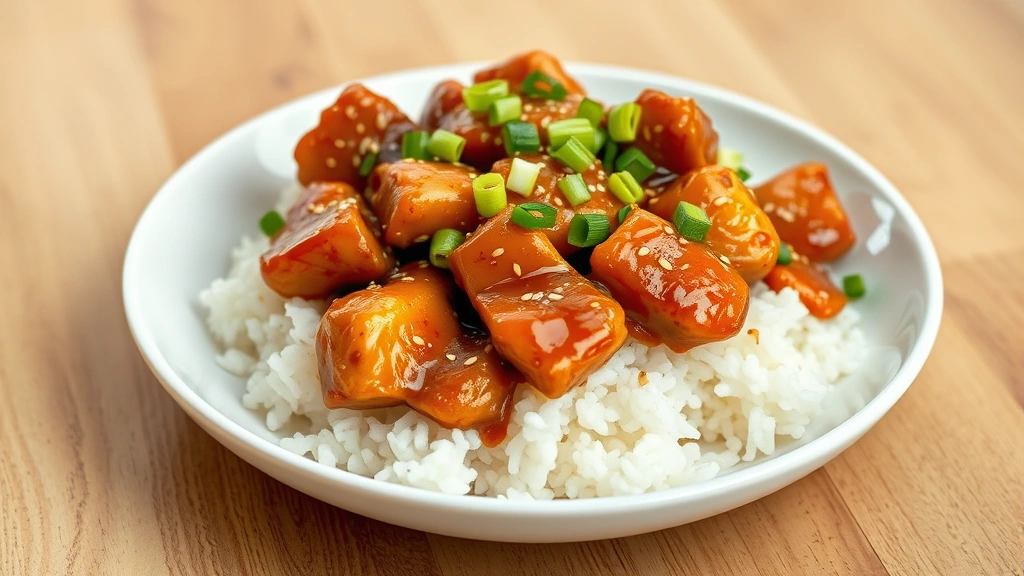
There’s something truly magical about ginger chicken that makes it an absolute showstopper on any dinner table. This recipe combines tender, succulent chicken with the warm, zesty brightness of fresh ginger, creating a dish that’s simultaneously comforting and sophisticated. Whether you’re cooking for a weeknight family dinner or impressing guests at a special gathering, this ginger chicken recipe delivers restaurant-quality results from your own kitchen.
The beauty of this dish lies in its balance of flavors. The fresh ginger brings a natural pungency that’s mellowed by aromatic garlic, soy sauce, and a touch of honey, creating a sauce that clings beautifully to each piece of chicken. The result is incredibly tender, flavorful chicken that practically melts in your mouth. I love serving this over steamed rice or with roasted vegetables for a complete meal.
What makes this the BEST ginger chicken recipe is the careful layering of flavors and the technique of searing the chicken first to build a golden crust, then finishing it in a silky ginger-infused sauce. This method ensures your chicken stays juicy on the inside while developing those gorgeous caramelized edges. The sauce is rich enough to feel special but simple enough to come together in about thirty minutes.
If you’re looking for other impressive chicken dishes, you might also enjoy exploring quick tasty pasta recipes or protein-packed salads for variety. For side dish inspiration, our easy pickled red onion recipe adds a bright, tangy complement to this dish.
I recommend using fresh ginger root rather than ground ginger for this recipe—the difference is truly noticeable. Fresh ginger has a brighter, more vibrant flavor that transforms this dish into something special. If you’re new to cooking with fresh ginger, don’t worry; I’ll walk you through everything you need to know. The technique is straightforward, and the payoff is absolutely worth it. This ginger chicken recipe has become a favorite in my kitchen, and I’m confident it will become a staple in yours too.
For more Asian-inspired cooking techniques and flavor combinations, check out resources like Serious Eats and New York Times Cooking for additional inspiration. You can also explore Bon Appétit’s collection of chicken recipes for more variations on this versatile protein.
Ingredients
- 4 boneless, skinless chicken breasts (about 6-8 ounces each), patted dry
- 3 tablespoons fresh ginger, peeled and minced (about a 2-inch piece)
- 4 cloves garlic, minced
- 1/4 cup low-sodium soy sauce
- 2 tablespoons rice vinegar
- 1 tablespoon honey
- 1 tablespoon sesame oil
- 2 tablespoons vegetable oil for cooking
- 1/2 cup chicken broth
- 1 teaspoon cornstarch mixed with 2 teaspoons water
- Salt and freshly cracked black pepper to taste
- 2 green onions, sliced for garnish
- 1 teaspoon sesame seeds for garnish
- Optional: 1/4 teaspoon red pepper flakes for heat
Instructions
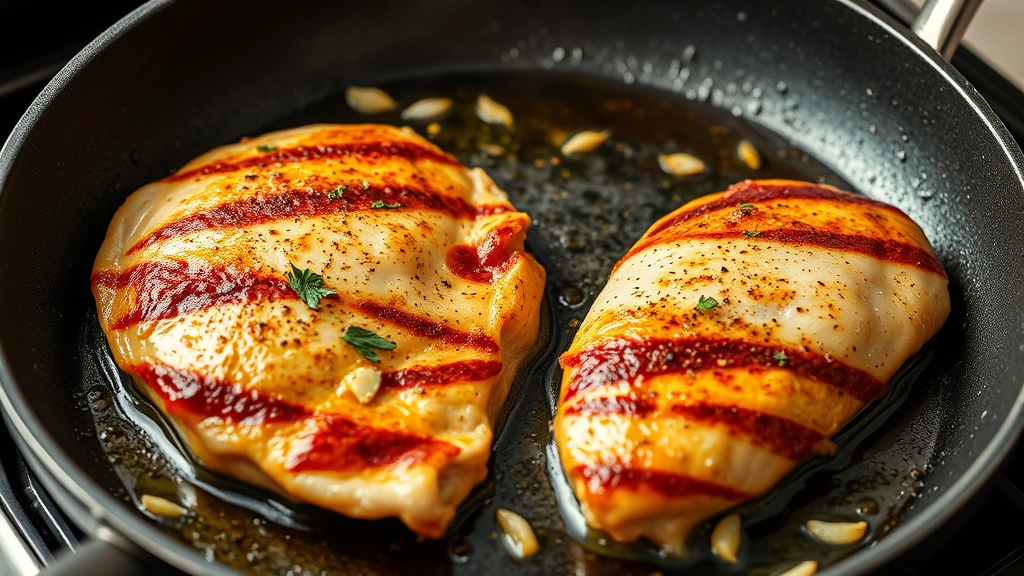
- Pat the chicken breasts dry with paper towels. This step is crucial for achieving a beautiful golden sear. Season both sides generously with salt and freshly cracked black pepper.
- Heat 1 tablespoon of vegetable oil in a large skillet or Dutch oven over medium-high heat. Allow it to get hot but not smoking—you want it shimmering and ready to sear.
- Once the oil is hot, carefully place the seasoned chicken breasts in the skillet. Do not move them for 4-5 minutes; this allows them to develop a gorgeous golden-brown crust on the bottom.
- Flip the chicken breasts carefully and sear the other side for another 4-5 minutes until golden brown. The chicken doesn’t need to be cooked through at this point; we’ll finish cooking it in the sauce.
- Transfer the seared chicken to a clean plate and set aside. This temporary stop keeps the chicken from overcooking while we build our sauce.
- Reduce the heat to medium and add the remaining 1 tablespoon of vegetable oil to the same skillet. This adds richness without overwhelming the delicate flavors.
- Add the minced fresh ginger to the hot oil and cook for about 1 minute, stirring constantly. You’ll notice the ginger will become fragrant and slightly caramelized—this is exactly what you want.
- Add the minced garlic to the skillet and cook for another 30 seconds, stirring frequently. Be careful not to burn the garlic, as this can make the sauce bitter.
- In a small bowl, whisk together the soy sauce, rice vinegar, honey, sesame oil, and chicken broth. Pour this mixture into the skillet with the ginger and garlic.
- Stir well to combine all the ingredients, making sure to scrape up any flavorful browned bits from the bottom of the skillet. These fond particles add tremendous depth to your sauce.
- Return the seared chicken breasts to the skillet, nestling them into the sauce. The sauce should partially surround the chicken.
- Reduce the heat to medium and let the chicken simmer in the ginger sauce for 10-12 minutes. The internal temperature should reach 165°F (74°C) when measured at the thickest part of the chicken.
- While the chicken finishes cooking, prepare the cornstarch slurry by mixing 1 teaspoon cornstarch with 2 teaspoons water in a small cup, stirring until smooth and lump-free.
- Once the chicken is cooked through and tender, remove it from the skillet and transfer to a serving platter, tenting loosely with foil to keep warm.
- Increase the heat to medium-high and slowly pour the cornstarch slurry into the simmering sauce while stirring constantly. This will thicken the sauce beautifully.
- Continue stirring for about 1-2 minutes until the sauce thickens slightly and becomes glossy. The sauce should coat the back of a spoon without being overly thick.
- Taste the sauce and adjust seasoning with additional salt, pepper, or a splash of soy sauce if needed. Remember that soy sauce is salty, so taste before adding more salt.
- Pour the warm ginger sauce over the chicken breasts on the serving platter, garnishing with sliced green onions and a sprinkle of sesame seeds for a beautiful presentation.
- Serve the ginger chicken immediately over steamed white rice, brown rice, or with roasted vegetables for a complete and satisfying meal.
Pro Tips
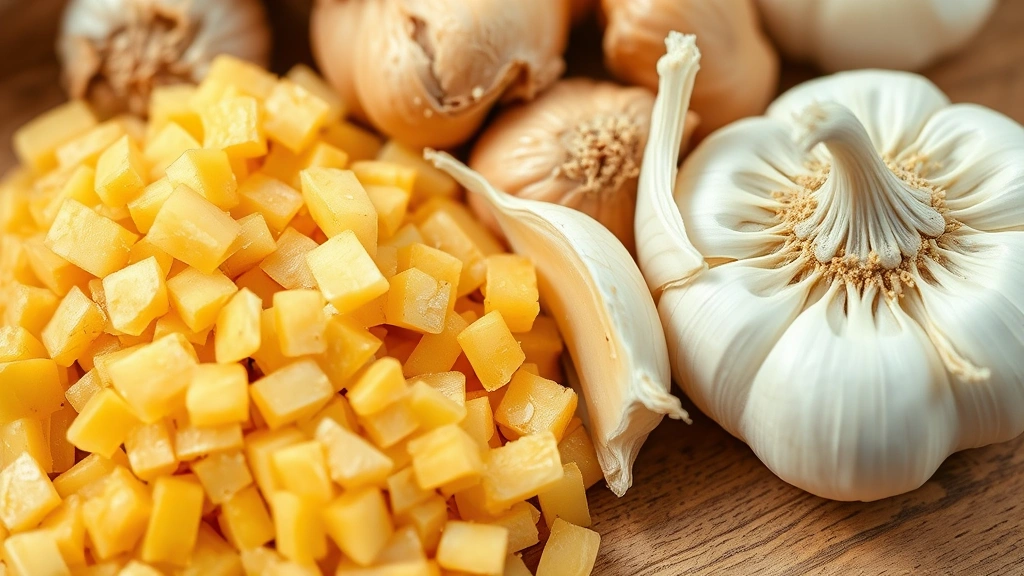
- Fresh ginger is essential for this recipe. Avoid using ground ginger or ginger paste, as they lack the vibrant flavor and texture that fresh ginger provides. To peel fresh ginger easily, use the edge of a spoon to scrape away the thin skin rather than using a vegetable peeler.
- The cornstarch slurry is optional but recommended. It creates a silky, restaurant-quality sauce that clings beautifully to the chicken and rice. If you prefer a thinner sauce, simply skip this step.
- Don’t skip the searing step. This crucial technique develops a golden crust through the Maillard reaction, which creates deep, complex flavors that make this dish truly special.
- Chicken breast can dry out easily, so be careful not to overcook it. Using a meat thermometer ensures perfectly cooked, juicy chicken every single time. The safe internal temperature is 165°F (74°C).
- This recipe can be made ahead. Prepare the ginger chicken up to two days in advance and store it in an airtight container in the refrigerator. Reheat gently in a 350°F oven for about 15 minutes until warmed through.
- For a healthier version, use low-sodium soy sauce and reduce the amount to 3 tablespoons. You can also substitute honey with maple syrup or agave nectar for a different flavor profile.
- Red pepper flakes add a subtle heat to the dish. Start with 1/4 teaspoon and adjust to your preference. Sriracha or gochujang can be used for an Asian twist.
- Serve this dish with steamed jasmine rice, sticky rice, or cauliflower rice for a lower-carb option. Roasted bok choy, broccoli, or snap peas make excellent vegetable sides.
- Sesame oil is important for authentic flavor. Use toasted sesame oil rather than regular sesame oil for a deeper, nuttier taste that truly elevates this dish.
- This recipe can be easily doubled for entertaining. Simply multiply all ingredients by two and use a larger skillet or work in batches.