
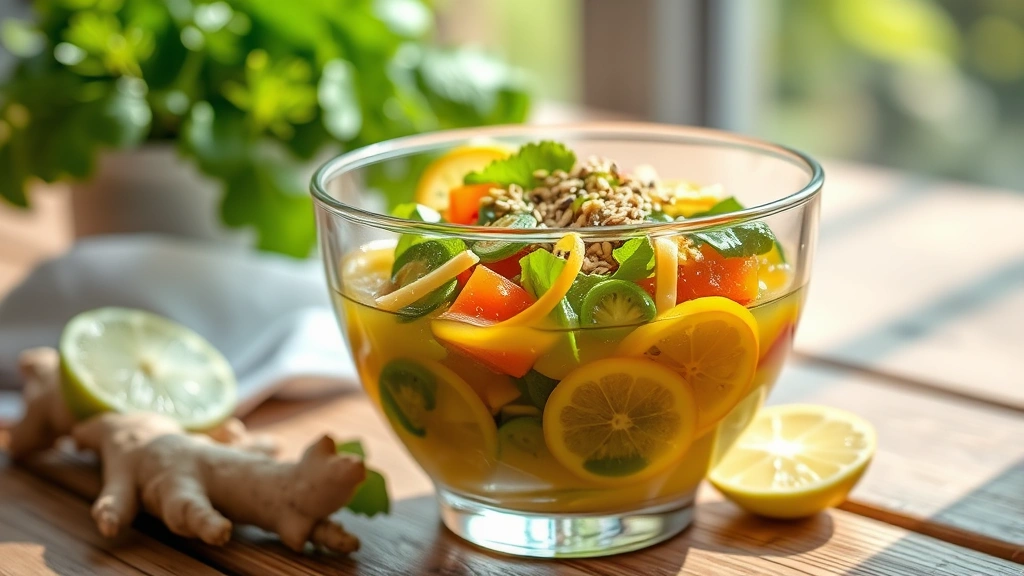
There’s something absolutely magical about a homemade ginger salad dressing that transforms even the simplest greens into a restaurant-quality meal. This ginger salad dressing recipe is my go-to for weeknight dinners, and honestly, it’s become such a staple in my kitchen that I can’t imagine making salad any other way anymore.
What I absolutely love about this dressing is how versatile it truly is. The warm, slightly spicy notes of fresh ginger combined with the brightness of rice vinegar and the subtle sweetness of honey creates a perfectly balanced flavor profile that works beautifully on mixed greens, but also on grain bowls, roasted vegetables, and even as a marinade for chicken or tofu. The first time I made this, I was inspired by the ginger dressings you find at Japanese restaurants, but I’ve since made it my own with a few special touches that make it distinctly preppy kitchen.
One of the best things about making your own ginger salad dressing at home is that you have complete control over the ingredients. Store-bought versions often contain added sugars, preservatives, and mysterious ingredients that you can’t even pronounce. When you make it yourself, you know exactly what’s going into your body, and you can adjust the flavors to suit your personal preferences perfectly.
I’ve tested this recipe dozens of times, tweaking the ratios and ingredients until I arrived at what I believe is the absolute best version. The key to an exceptional ginger dressing is using fresh ginger root rather than ground ginger, which has a completely different flavor profile. Fresh ginger provides that bright, zingy quality that makes this dressing so irresistible. You’ll also want to use high-quality rice vinegar and sesame oil if possible, as these ingredients really do make a noticeable difference in the final result.
This dressing comes together in just about five minutes using a simple whisk-together method or a quick blend in your food processor or blender if you prefer an extra-smooth consistency. I personally prefer the whisk method because it gives me more control, but either way works beautifully. The dressing keeps wonderfully in an airtight container in the refrigerator for up to one week, making it perfect for meal prep.
I often make a double batch on Sunday so I have it ready to go throughout the week. It’s one of those recipes that makes healthy eating feel effortless and delicious. Whether you’re serving it over a simple green salad, a composed salad with fresh vegetables, or using it as a marinade, this ginger salad dressing recipe will become a permanent fixture in your cooking rotation.
Let me walk you through exactly how to make this from start to finish, including all my best tips and tricks for getting the most incredible flavor possible.
Ingredients
- 3 tablespoons fresh ginger root, peeled and roughly chopped
- 1/4 cup rice vinegar
- 2 tablespoons sesame oil
- 2 tablespoons soy sauce or tamari
- 1 tablespoon honey or maple syrup
- 1 teaspoon Dijon mustard
- 2 cloves garlic, minced
- 1/4 cup neutral oil such as vegetable or canola oil
- 1 tablespoon fresh lime juice
- 1/2 teaspoon salt, or to taste
- 1/4 teaspoon black pepper, or to taste
- 1/2 teaspoon red pepper flakes, optional for extra heat
- 1 teaspoon sesame seeds, for garnish
Instructions
- Peel your fresh ginger root using the edge of a spoon, which works better than a knife and removes less of the precious flesh. Once peeled, roughly chop the ginger into smaller pieces so it will blend more smoothly.
- Add the chopped ginger, minced garlic, and Dijon mustard to a medium bowl or to your food processor or blender.
- If using a bowl and whisk method, mash the ginger and garlic together with the back of a fork to release their oils and flavors.
If using a food processor or blender, pulse the ginger and garlic until they’re finely minced. - Pour in the rice vinegar, soy sauce, honey, and fresh lime juice into your bowl or food processor.
- If using a food processor or blender, pulse everything together until well combined and the ginger is very finely minced or nearly pureed, depending on your preference for texture.
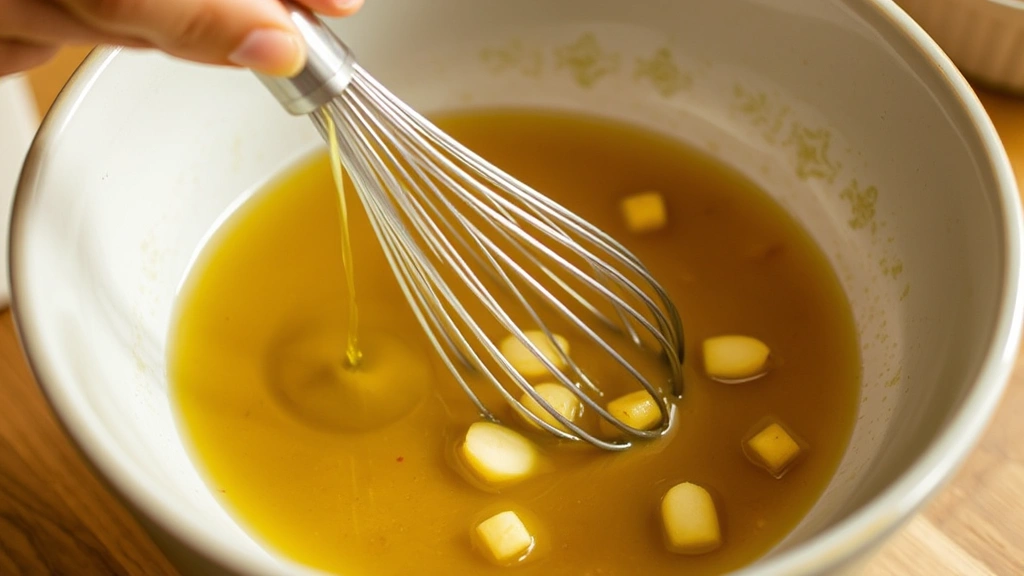
- In a slow, steady stream, whisk in the sesame oil and neutral oil together, whisking constantly to create an emulsion. This is the secret to a dressing that doesn’t separate as quickly.
- Add the salt, black pepper, and red pepper flakes if desired, stirring or pulsing to combine.
- Taste your dressing and adjust the seasonings as needed. You might want a bit more honey if you prefer it sweeter, or more vinegar if you like it tangier.
- Transfer the finished dressing to a glass jar with a tight-fitting lid for storage and easy shaking before each use.
- Before serving, give the dressing a good shake or stir, as the ingredients may have separated slightly. Drizzle over your favorite salad and garnish with sesame seeds if desired.
Pro Tips
Food processor versus whisking: While both methods work beautifully, a food processor creates a smoother, more emulsified dressing, while whisking by hand gives you a slightly chunkier texture with more visible ginger pieces. Choose based on your personal preference.
Fresh versus ground ginger: Never substitute ground ginger for fresh in this recipe. The flavor profiles are completely different, and ground ginger will give you a very different tasting dressing that lacks the bright, zippy quality of fresh ginger.
Sesame oil quality matters: Invest in good quality sesame oil if possible. The flavor difference between premium and budget brands is quite noticeable in a simple dressing like this where sesame oil is a starring ingredient.
Make it spicier: If you love heat, increase the red pepper flakes or add a dash of sriracha or other hot sauce for extra kick.
Make it sweeter: If you prefer a sweeter dressing, increase the honey to 1.5 tablespoons or add a splash of mirin.
Vegan adaptations: This dressing is naturally vegan if you use maple syrup instead of honey. Make sure your soy sauce is certified vegan.
Usage ideas: This dressing works wonderfully on mixed greens, Asian-inspired salads, grain bowls, roasted vegetables, grilled chicken, tofu, shrimp, and even as a marinade for meats or vegetables.
Emulsification tip: For a creamier, more stable dressing that won’t separate as quickly, use a blender instead of whisking by hand. The mechanical action creates a better emulsion.
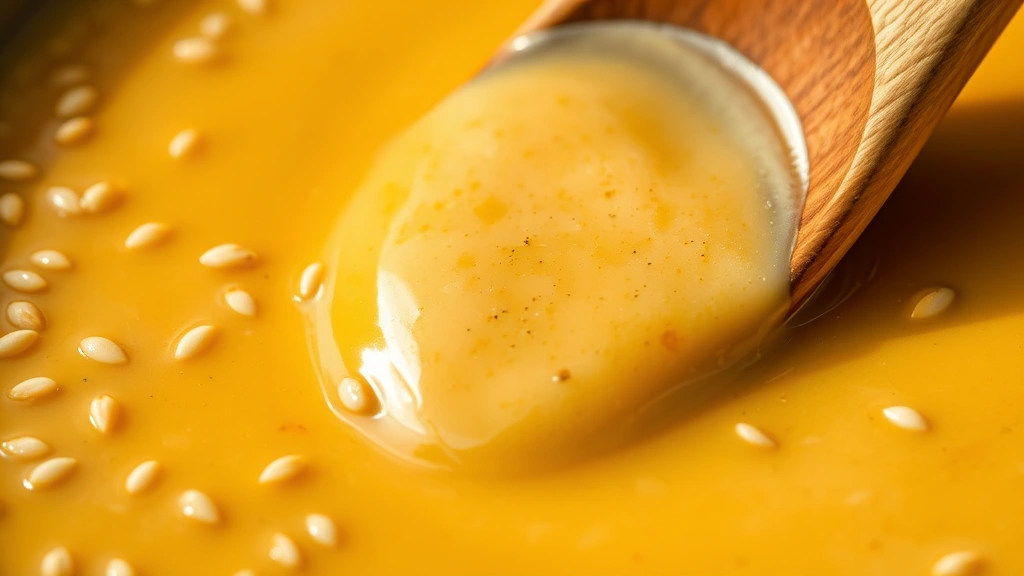
Adjusting consistency: If your dressing is too thick, whisk in a tablespoon of water at a time until you reach your desired consistency. If it’s too thin, add a bit more sesame oil.