
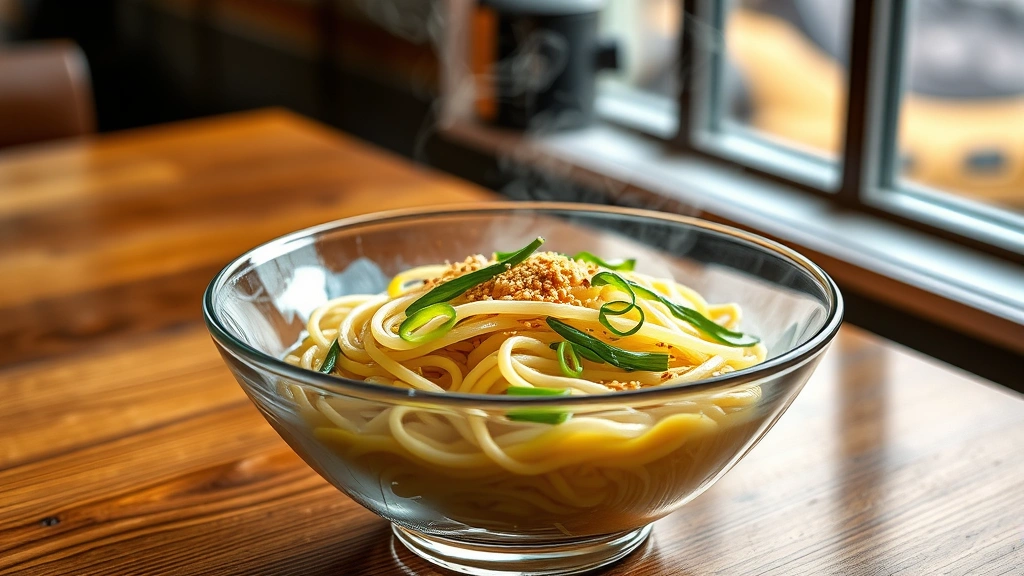
Glass noodles are a delicate, translucent pasta that becomes wonderfully silky when cooked, making them the perfect base for stir-fries, soups, and cold noodle dishes. Also known as cellophane noodles or bean thread noodles, these Asian staples are made from mung bean starch and water, giving them a unique texture that’s distinctly different from wheat-based pasta. What I love most about glass noodles is how incredibly easy they are to prepare—no complicated techniques required!
This recipe will walk you through the best method for cooking glass noodles to achieve that perfect tender texture without mushiness. Whether you’re planning to use them in a vibrant stir-fry, a refreshing cold noodle salad, or a comforting soup, mastering this simple technique will elevate your Asian-inspired cooking game. The beauty of glass noodles lies in their versatility; they absorb flavors beautifully and pair wonderfully with bold seasonings, fresh vegetables, and your choice of protein.
I’ve tested countless methods over the years, and I’m excited to share the technique that consistently delivers restaurant-quality results right in your own kitchen. The key is understanding that glass noodles cook differently than traditional pasta—they don’t need boiling water and can actually become gummy if overcooked. Instead, we’ll use a simple soak method that guarantees perfectly tender noodles every single time. This approach is not only foolproof but also saves time and energy, making it ideal for weeknight dinners or meal prep sessions.
Once you master cooking glass noodles, you’ll find yourself reaching for them constantly. They’re naturally low in fat, gluten-free, and work beautifully in so many dishes. I love pairing them with savory sauces and fresh herbs for an impressive dish that looks far more complicated than it actually is. You can also enjoy them cold in salads, tossed with creamy peanut-based dressings, or incorporated into comforting layered dishes. The versatility is truly endless.
For those new to Asian cooking, glass noodles are an excellent ingredient to keep in your pantry. They have a long shelf life, cook in minutes, and transform simple ingredients into elegant meals. I recommend always having a package or two on hand for those nights when you want something quick yet impressive. This recipe serves as your foundation—once you understand the basic technique, you can confidently build upon it with your favorite flavors and ingredients. Let me show you how simple this really is!
Ingredients
- 8 ounces dried glass noodles (also called cellophane noodles or bean thread noodles)
- 6 cups water or vegetable broth
- 1 teaspoon salt
- 2 tablespoons soy sauce
- 1 tablespoon sesame oil
- 2 cloves garlic, minced
- 1 teaspoon fresh ginger, minced
- 2 green onions, chopped
- 1 tablespoon rice vinegar
- Optional: red pepper flakes, fresh cilantro, sesame seeds
Instructions
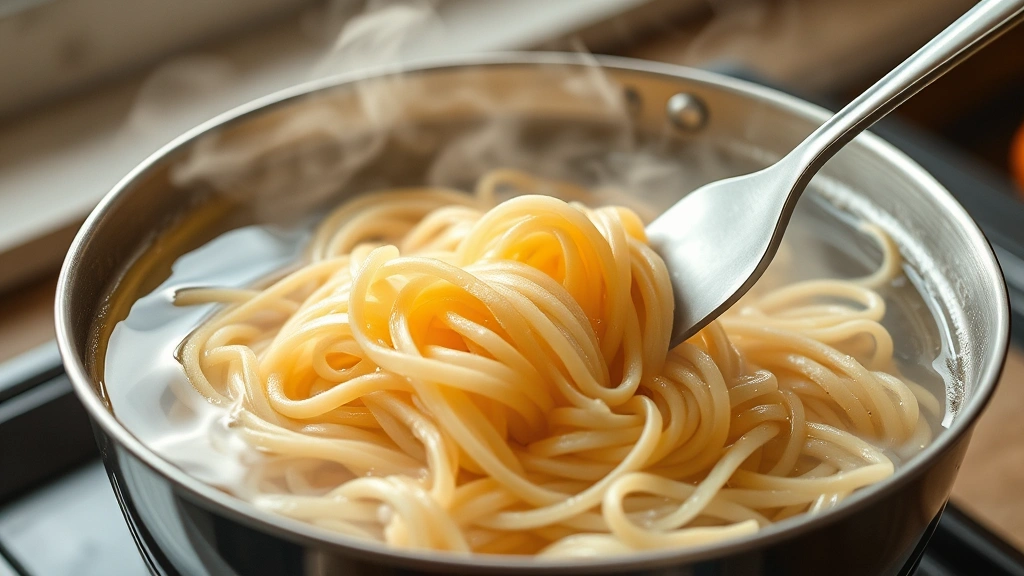
- Bring 6 cups of water or vegetable broth to a rolling boil in a large pot over high heat. Add 1 teaspoon of salt to the water.
- Once the water is boiling, add the 8 ounces of dried glass noodles to the pot, stirring gently with a fork or tongs to separate the noodles and prevent clumping.
- Return the water to a boil and cook the noodles for 4-5 minutes, stirring occasionally. The noodles will become translucent and should be tender but still have a slight chew.
- Check for doneness by tasting a single noodle—it should be soft enough to bite through easily but not mushy or falling apart.
- Drain the cooked glass noodles in a colander and rinse them under cool running water for 30 seconds to stop the cooking process and remove excess starch.
- Transfer the drained noodles to a large mixing bowl and set aside.
- In a small bowl, whisk together 2 tablespoons of soy sauce, 1 tablespoon of sesame oil, 2 minced garlic cloves, 1 teaspoon of minced fresh ginger, and 1 tablespoon of rice vinegar.
- Pour the sauce mixture over the warm glass noodles and toss gently but thoroughly, ensuring every strand is coated with the flavorful sauce.
- Add the chopped green onions to the noodles and toss again to combine.
- Taste the noodles and adjust seasonings as needed—add more soy sauce for saltiness, sesame oil for richness, or rice vinegar for brightness.
- Serve the glass noodles immediately while still warm, or chill them for at least 30 minutes if you prefer them cold. Garnish with additional green onions, sesame seeds, fresh cilantro, or red pepper flakes as desired.
- If making ahead, store cooked glass noodles in an airtight container in the refrigerator for up to 3 days. Reheat gently in a skillet with a splash of water or broth, or enjoy cold straight from the fridge.
Pro Tips
The rinsing step after cooking is crucial and shouldn’t be skipped. It stops the cooking process immediately and removes excess starch that can make the noodles gummy. Use cool water, not ice water, as extremely cold temperatures can shock the delicate noodles. Pat them dry gently with paper towels if you’re not using them immediately. This prevents them from absorbing too much moisture and becoming overly soft.
For best results, dress your glass noodles while they’re still warm. This allows them to absorb the sauce flavors more effectively. If you’re making a cold noodle salad, you can dress them while warm and then chill, or toss with sauce just before serving—both methods work beautifully depending on your preference. Consider the sauce consistency you want: for hot noodle dishes, a slightly thicker sauce works best, while for cold noodles, a thinner, more pourable sauce ensures even coating.
Glass noodles are incredibly versatile and work well with Asian-inspired seasonings like soy sauce, sesame oil, rice vinegar, ginger, garlic, and scallions. However, don’t be afraid to experiment with different flavor profiles. They pair wonderfully with peanut sauce, coconut curry, chili oil, or even Western-style herbs like basil and oregano. Consider adding protein like shrimp, chicken, beef, or tofu for a complete meal. Fresh vegetables like bell peppers, snap peas, carrots, and mushrooms also complement glass noodles beautifully.
For storage, cooked glass noodles keep well in the refrigerator for up to 3 days when stored in an airtight container. You can also freeze cooked glass noodles for up to 2 months, though the texture may become slightly softer upon thawing. Reheat frozen noodles directly in a skillet over medium heat with a splash of water or broth, stirring gently until warmed through. Uncooked dried glass noodles have an indefinite shelf life when stored in a cool, dry place, making them an excellent pantry staple.
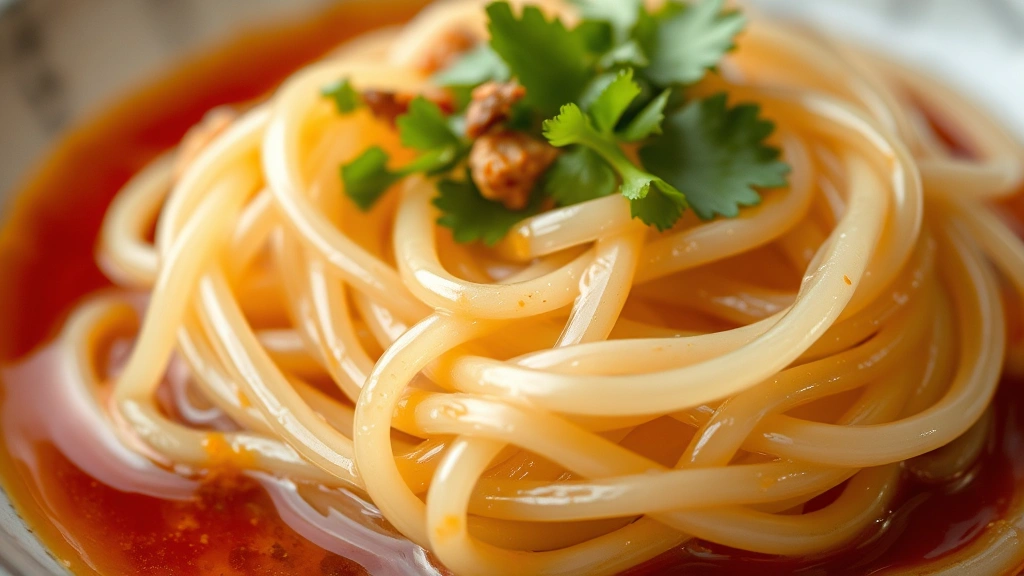
If you’re new to cooking glass noodles, start by checking them at the 4-minute mark rather than waiting the full 5 minutes. Everyone’s stove is different, and water type can affect cooking time. Once you’ve cooked them a few times, you’ll develop an intuition for the perfect doneness. The noodles should look translucent and glassy rather than white and opaque.