
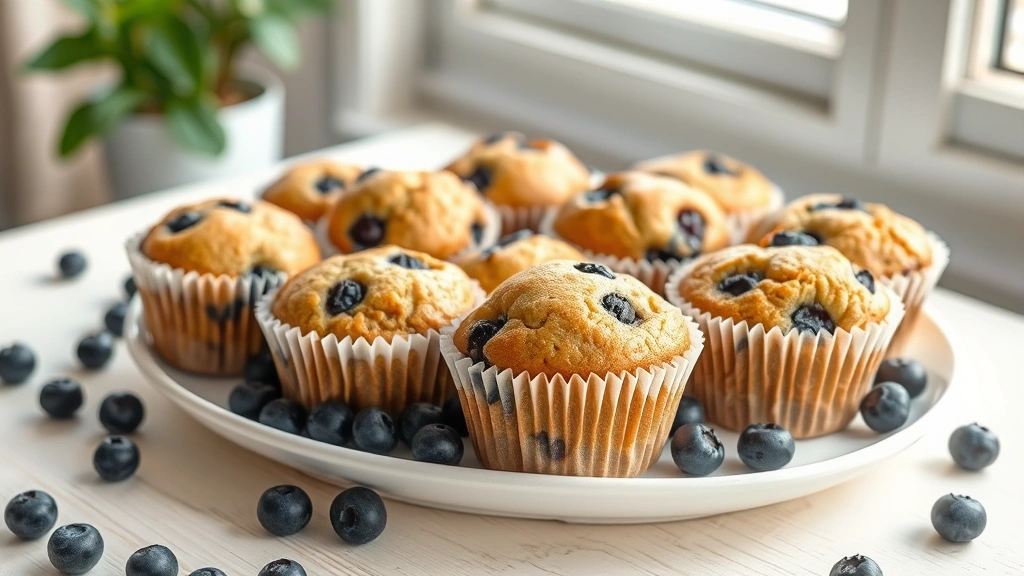
There’s nothing quite like biting into a warm, fluffy gluten-free muffin fresh from the oven—and yes, they can be absolutely delicious! For the longest time, I struggled with gluten-free baking. My muffins would come out dense, crumbly, or oddly textured, and I’d feel so disappointed. But after years of experimenting and refining my technique, I’ve finally cracked the code to creating muffins that are moist, tender, and genuinely crave-worthy.
The secret isn’t just about swapping out regular flour for gluten-free flour. It’s about understanding how gluten-free flours behave differently, using the right blend of starches and proteins, and incorporating ingredients that add moisture and structure. This recipe has become my go-to for weekday breakfasts, weekend brunch gatherings, and those moments when I need to bring something special to a potluck.
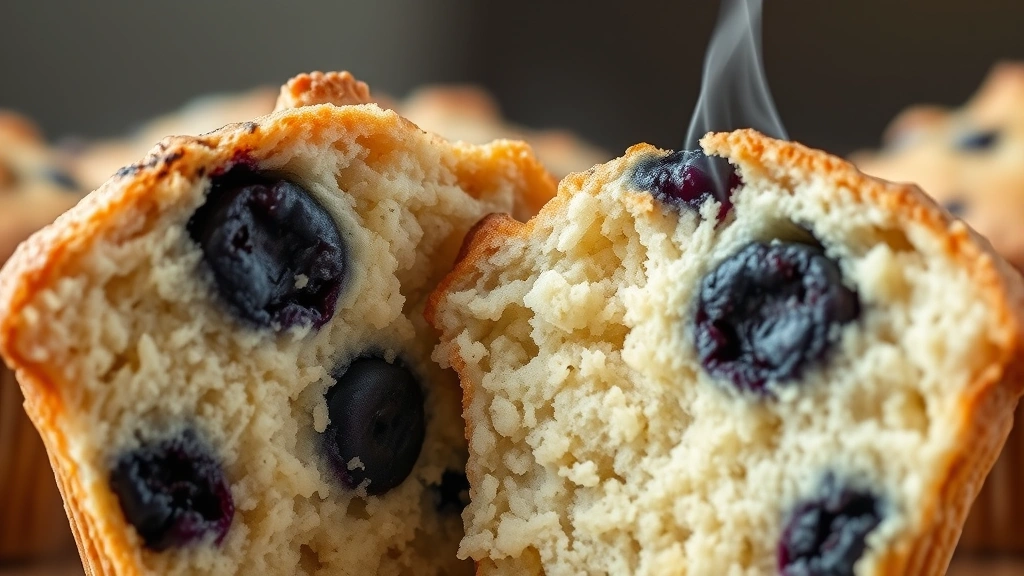
What makes these muffins truly special is their incredible texture. They’re not gritty or heavy like some gluten-free baked goods. Instead, they have that perfect tender crumb that rivals traditional wheat muffins. The secret is using a combination of gluten-free all-purpose flour, cornstarch, and tapioca starch—this trio creates the ideal structure and texture. I also use sour cream and Greek yogurt for extra moisture and a subtle tang that elevates the flavor profile.
I love that this recipe is incredibly versatile too. Whether you’re craving blueberry, chocolate chip, banana nut, or even pumpkin spice muffins, this base works beautifully. You can also make these dairy-free by swapping the sour cream and yogurt for coconut yogurt and coconut sour cream. The beauty of mastering one good gluten-free muffin recipe is that you can adapt it endlessly.
One thing I always recommend is measuring your dry ingredients by weight if possible. Gluten-free flours can be packed down differently depending on how you scoop them, which can throw off your ratios and result in dry muffins. A simple kitchen scale takes the guesswork out of baking and gives you consistent, perfect results every single time. For more baking inspiration, check out my Best Heavy Cream Alfredo Sauce Recipe and my Delicious Heavy Cream Pasta Recipe.
These muffins are also perfect for meal prepping. They keep beautifully in an airtight container for up to five days, or you can freeze them for up to three months. I often make a double batch and freeze half for quick breakfasts on busy mornings. Just pop one in the microwave for thirty seconds and you’ve got a warm, homemade muffin. If you’re looking for other make-ahead breakfast ideas, my Easy Chicken Alfredo Recipe is also great for batch cooking.
The key to success with this recipe is patience and attention to detail. Don’t overmix your batter—just stir until the dry ingredients are incorporated. Overmixing develops gluten-free flour in ways we don’t want and can result in tough, dense muffins. Also, make sure your oven is properly preheated and use an oven thermometer to ensure accurate baking temperatures. Gluten-free baked goods can be more sensitive to temperature fluctuations than traditional baked goods.
I also highly recommend using good quality gluten-free flour. Brands like Bob’s Red Mill, King Arthur Baking Company, and Udi’s all have excellent all-purpose blends that work beautifully in this recipe. Each brand has slightly different ratios of starches and proteins, so you might want to experiment to find your favorite. Some people find certain brands work better for their oven and altitude.
For flavor variations, I love adding lemon zest and fresh blueberries in spring, dark chocolate chips and raspberries in summer, and warm spices like cinnamon and nutmeg with diced apples in fall. You can also try Best Shishito Peppers Recipe or Best Chickpea Salad Recipe for other delicious gluten-free options.
Whether you’re baking for someone with celiac disease, a gluten sensitivity, or simply wanting to expand your baking repertoire, these muffins prove that gluten-free baking doesn’t have to mean sacrificing taste or texture. Once you nail this recipe, you’ll be making them constantly. Your family will absolutely love them, and honestly, your guests probably won’t even realize they’re gluten-free unless you tell them. That’s the true mark of a successful gluten-free bake!
Ingredients
- 2 cups gluten-free all-purpose flour blend (with xanthan gum)
- 1/2 cup cornstarch
- 1/4 cup tapioca starch
- 2 teaspoons baking powder
- 1/2 teaspoon baking soda
- 1/2 teaspoon salt
- 1 teaspoon vanilla extract
- 1/2 cup sour cream
- 1/2 cup Greek yogurt
- 1/3 cup coconut oil or vegetable oil, melted
- 2/3 cup granulated sugar
- 1/3 cup light brown sugar, packed
- 2 large eggs, room temperature
- 1 cup fresh or frozen blueberries (or mix-in of choice)
- 2 tablespoons gluten-free all-purpose flour (for coating berries)
Instructions
- Preheat your oven to 375°F (190°C). Line a standard 12-cup muffin tin with paper liners or grease generously with non-stick cooking spray. This prevents sticking and makes cleanup easier.
- In a small bowl, toss your blueberries (or chosen mix-in) with 2 tablespoons of gluten-free flour. This helps the berries stay suspended throughout the batter instead of sinking to the bottom.
- In a large mixing bowl, whisk together the gluten-free all-purpose flour, cornstarch, tapioca starch, baking powder, baking soda, and salt. Make sure all dry ingredients are evenly distributed by whisking vigorously for about 30 seconds.
- In another medium bowl, combine the sour cream and Greek yogurt, stirring until smooth. This mixture is key to keeping your muffins moist and tender.
- Add the melted coconut oil, granulated sugar, brown sugar, eggs, and vanilla extract to the sour cream mixture. Whisk until everything is well combined and smooth, about 1 minute. The mixture should be creamy and pale.
- Create a well in the center of your dry ingredients. Pour the wet ingredient mixture into the well slowly.
- Using a spatula or wooden spoon, gently fold the wet and dry ingredients together until just combined. The batter should be thick and slightly lumpy—do not overmix, as this will result in tough, dense muffins. A few streaks of flour are perfectly fine.
- Gently fold the flour-coated berries into the batter with a few careful strokes, distributing them evenly throughout.
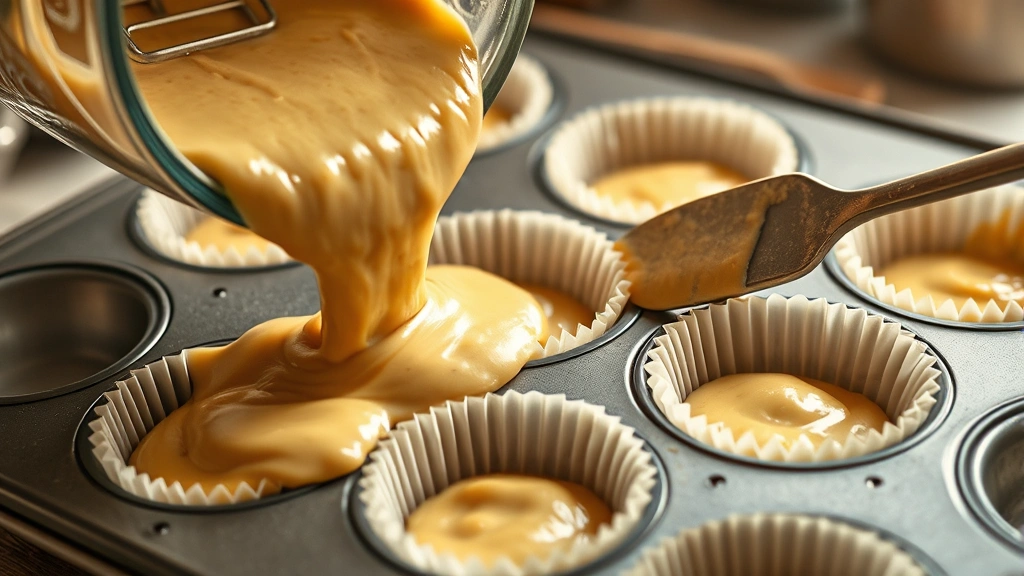
- Divide the batter evenly among the prepared muffin cups, filling each about three-quarters full. You want enough batter to create a nice rounded top, but not so much that it overflows during baking.
- Bake for 22-25 minutes, until the tops are golden brown and a toothpick inserted into the center of a muffin comes out clean or with just a few moist crumbs.
- Remove from the oven and let the muffins cool in the tin for 10 minutes. This helps them set and become less fragile.
- Turn the muffins out onto a wire cooling rack and let them cool completely, about 30 minutes, before serving.
Pro Tips
o For best results, weigh your dry ingredients rather than measuring by volume. Gluten-free flour is often packed down during manufacturing, and scooping can result in up to 20% more flour than intended.
o Room temperature eggs blend more smoothly into the batter, creating a more cohesive texture. Remove eggs from the refrigerator about 30 minutes before baking.
o Your gluten-free flour blend must contain xanthan gum (or another binder). If it doesn’t, add 1/4 teaspoon of xanthan gum to the dry ingredients. This helps mimic the binding properties of gluten.
o The combination of sour cream and Greek yogurt is crucial for moisture and texture. Don’t skip or substitute these with milk—they provide the acidic component necessary for tender crumb.
o These muffins store beautifully in an airtight container at room temperature for up to 5 days. You can also freeze them for up to 3 months. Reheat frozen muffins in the microwave for 20-30 seconds.
o For chocolate chip muffins, replace the blueberries with 1 cup of chocolate chips (dairy-free if needed). For banana nut muffins, add 1 cup mashed banana to the wet ingredients and 1/2 cup chopped nuts to the batter.
o If you don’t have tapioca starch, you can use arrowroot starch as a substitute. Cornstarch can also work as a substitute for tapioca, though it may result in a slightly more tender crumb.
o Make sure your oven is properly calibrated. Gluten-free baked goods can be more sensitive to temperature variations. Using an oven thermometer ensures accurate results.
o Avoid opening the oven door during the first 20 minutes of baking. This can cause the muffins to sink or develop tunnels.
Pingback: How to make Tasty Lemon Chicken with Orzo Recipe – So Easy! – Simple Recipe Finder