
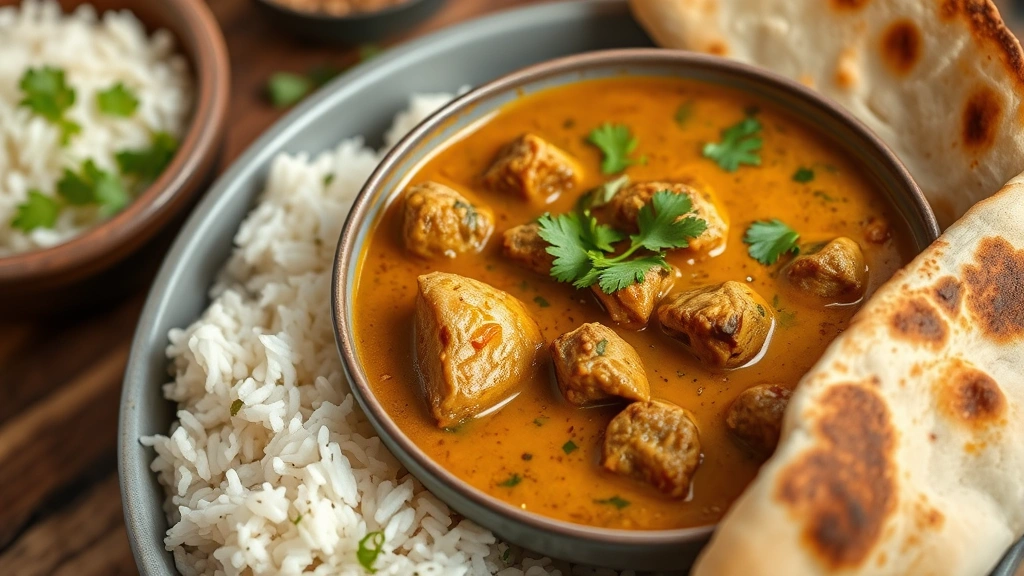
There’s something absolutely magical about a perfectly spiced goat curry that transports you straight to the Caribbean or South Asia with just one bite. This goat curry recipe is my go-to for impressing dinner guests and satisfying those cravings for complex, deeply flavorful comfort food. What I love most about cooking with goat meat is its tender texture when braised low and slow, and how beautifully it absorbs all those warm, aromatic spices.
Now, I know what you might be thinking—goat meat sounds intimidating! But trust me, this recipe is so easy and forgiving. The key is giving yourself plenty of time for the meat to become fall-apart tender, and building layers of flavor with a proper spice base. Learn more about curry spice blends to understand the foundational flavors we’re working with here.
I’ve been making this goat curry for years, and I’ve refined it to perfection through countless dinner parties and family gatherings. The beauty of this dish is that it actually tastes better the next day, making it perfect for meal prep or entertaining. The spices continue to meld and deepen, creating an even more complex flavor profile.
What makes this recipe the BEST version? First, we’re building our curry paste from scratch using fresh aromatics and toasted spices—no shortcuts with jarred curry paste here. Second, we’re using yogurt to create a creamy, luxurious sauce without heavy cream. And third, we’re incorporating both fresh herbs and warming spices to create a curry that’s balanced, not one-note.
Understanding proper braising technique is crucial for this recipe, as we’re relying on low-and-slow cooking to transform tougher cuts into silky, tender morsels. The liquid in the pot becomes a gorgeous, spiced sauce that clings to every piece of meat.
I typically serve this with fluffy basmati rice or warm homemade naan bread, but it’s equally delicious with cauliflower rice if you’re looking for a lighter option. A crisp green salad with lime vinaigrette cuts through the richness beautifully.
The aromatic spices—cinnamon, cardamom, and cloves—might seem unusual in a curry, but they’re absolutely essential. They add warmth and sophistication without being overpowering. The ginger and garlic create a punchy base, while the tomatoes add acidity and body to the sauce.
One of my favorite things about this goat curry is how adaptable it is. You can adjust the heat level to your preference, add vegetables like potatoes or carrots for a heartier dish, or even use coconut milk instead of yogurt for a different flavor profile. Check out my guide on adjusting spice levels for more tips.
For external inspiration and technique verification, I recommend checking out Serious Eats’ goat curry exploration and Bon Appétit’s take on this classic dish. You can also find wonderful regional variations at New York Times Cooking.
This recipe yields approximately 6-8 servings, making it perfect for a dinner party or to have leftovers for the rest of the week. Trust me, you’ll want them. There’s nothing quite like reheating a bowl of this curry the next day—it’s pure comfort in a bowl.
Ingredients
- 3 pounds goat meat, cut into 2-inch cubes (ask your butcher to do this)
- 1/4 cup ghee or coconut oil, divided
- 2 large onions, finely diced
- 6 cloves garlic, minced
- 3 tablespoons fresh ginger, minced
- 3 dried red chilies, deseeded and broken into pieces
- 2 teaspoons cumin seeds
- 2 teaspoons coriander seeds
- 1 teaspoon fennel seeds
- 1 teaspoon black peppercorns
- 4-5 green cardamom pods, lightly crushed
- 1 cinnamon stick, broken in half
- 4-5 cloves
- 1 bay leaf
- 2 teaspoons turmeric powder
- 1 teaspoon red chili powder (adjust to taste)
- 1 can (14 ounces) diced tomatoes, or 2 cups fresh tomatoes
- 1 cup plain full-fat yogurt, at room temperature
- 2 cups beef or goat broth
- 1/4 cup fresh cilantro, chopped
- 2 tablespoons fresh mint, chopped
- 2 green chiles, slit lengthwise (optional, for garnish)
- 1 tablespoon fresh lime juice
- Salt and black pepper to taste
- 1 teaspoon garam masala (optional, for finishing)
Instructions
- Begin by patting the goat meat dry with paper towels and seasoning generously with salt and black pepper. This helps create a nice crust when searing.
- Heat a large, heavy-bottomed pot or Dutch oven over medium-high heat and add 2 tablespoons of ghee. Working in batches to avoid crowding the pot, sear the goat meat on all sides until deeply browned, about 3-4 minutes per side. Transfer to a plate and set aside.
- In a dry skillet over medium heat, toast the cumin seeds, coriander seeds, fennel seeds, peppercorns, cardamom pods, cinnamon stick, and cloves for 2-3 minutes, stirring frequently, until fragrant. Be careful not to burn them. Transfer to a spice grinder and grind to a coarse powder. Set aside.
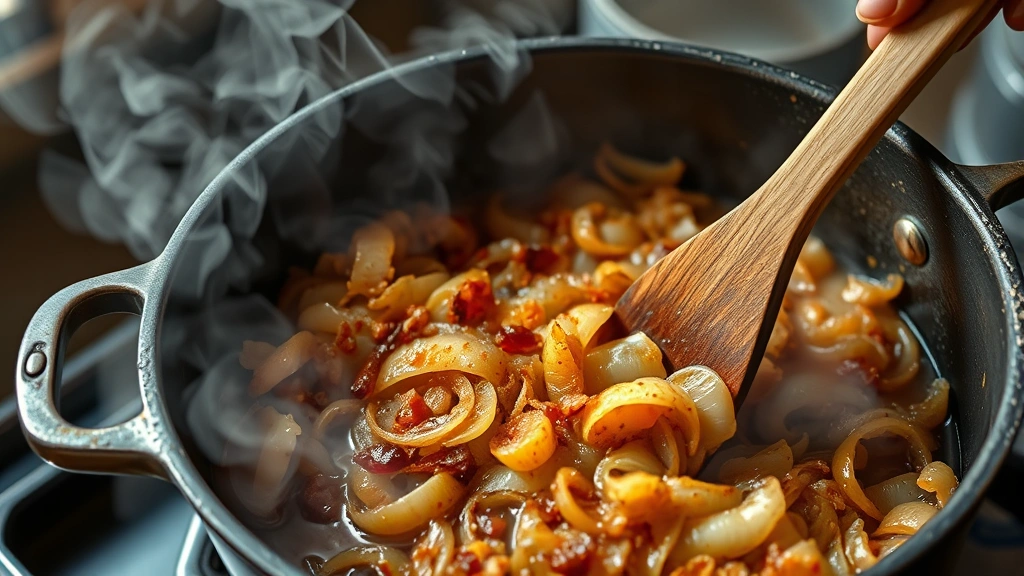
- In the same pot, add the remaining 2 tablespoons of ghee. Add the diced onions and cook, stirring occasionally, for 8-10 minutes until they’re deeply caramelized and golden brown. This builds the flavor foundation of your curry.
- Add the minced garlic and ginger to the onions, stirring constantly for about 2 minutes until fragrant. The mixture should be thick and paste-like at this point.
- Add the dried red chilies to the pot and stir for about 30 seconds to toast them slightly and release their oils.
- Sprinkle the ground spice mixture and the turmeric powder over the aromatics, stirring constantly for about 2 minutes until the spices coat everything and become fragrant. This is called blooming the spices and is crucial for developing complex flavor.
- Add the red chili powder and stir for about 30 seconds. Be careful not to let the spices burn—if they seem too dry, add a splash of water.
- Add the diced tomatoes (with their juices if canned) to the pot, stirring well to combine with the spices. Cook for 3-4 minutes, stirring occasionally, until the tomatoes begin to break down and the mixture becomes saucy.
- Return the seared goat meat to the pot along with any accumulated juices. Stir well to coat the meat with the spice mixture.
- Pour in the broth and add the bay leaf. Bring the mixture to a boil, then reduce the heat to low, cover partially, and simmer for 1 hour and 45 minutes to 2 hours, stirring occasionally, until the goat meat is completely tender and falls apart easily with a fork.
- In a small bowl, whisk together the yogurt and a few tablespoons of the hot curry liquid to temper it. This prevents the yogurt from curdling when added to the hot pot.
- Slowly stir the tempered yogurt into the curry, stirring constantly to combine smoothly. Add the lime juice and stir well.
- Continue simmering gently for another 10-15 minutes, uncovered, to allow the flavors to meld. The curry should be creamy and cohesive at this point. Do not let it boil vigorously once the yogurt is added.
- Taste and adjust seasoning with salt, black pepper, and additional chili powder if you’d like more heat. Add the fresh cilantro and mint, reserving some for garnish.
- If desired, sprinkle the garam masala over the curry and stir to combine, which adds a final layer of warming spice.
- Transfer to a serving dish and garnish with remaining fresh cilantro, mint, slit green chiles, and a squeeze of fresh lime juice.
- Serve hot over fluffy basmati rice, with warm naan bread, or alongside your favorite accompaniments.

Pro Tips
- Goat meat sourcing: Look for goat meat at specialty butchers, ethnic markets (Caribbean, Indian, or Middle Eastern shops), or order online. It’s becoming increasingly available at mainstream grocery stores. If you absolutely cannot find goat, lamb shoulder or beef chuck roast are acceptable substitutes, though the flavor profile will differ.
- Spice toast timing: Don’t skip toasting the whole spices—this crucial step releases essential oils and deepens their flavors exponentially. However, watch carefully as burnt spices will taste bitter and ruin the entire dish.
- Yogurt temperature matters: Using room-temperature yogurt and tempering it with hot curry liquid prevents it from curdling. Never add cold yogurt directly to a hot pot.
- Make-ahead instructions: This curry is excellent made a day or two ahead. Store in an airtight container in the refrigerator for up to 4 days, or freeze for up to 3 months. The flavors actually improve as they meld together. Simply reheat gently on the stovetop.
- Serving suggestions: Pair with basmati rice pilaf, fluffy naan bread, cucumber raita, mango chutney, and a simple green salad. A crisp white wine like Sauvignon Blanc or a light beer complements the dish beautifully.
- Heat level adjustments: If you prefer a milder curry, reduce the number of dried chilies to 1-2 and omit the green chiles. For extra heat, add more chili powder or include the chili seeds. Everyone’s spice tolerance is different.
- Vegetable additions: For a more substantial curry, add diced potatoes, carrots, or cauliflower florets during the last 45 minutes of cooking. This also makes great use of leftover vegetables.
- Ghee versus oil: Ghee adds authentic flavor and richness, but coconut oil, vegetable oil, or even olive oil work in a pinch. Ghee has a higher smoke point and won’t burn as easily.
- Texture tips: For more tender meat, increase cooking time by 15-30 minutes. If your curry seems too thick, thin it with broth or water. If too thin, simmer uncovered to reduce and concentrate flavors.
- Leftovers are gold: This curry is perfect for meal prep and tastes even better on day two or three. Pack individual portions for lunch or freeze in portions for quick weeknight dinners.