
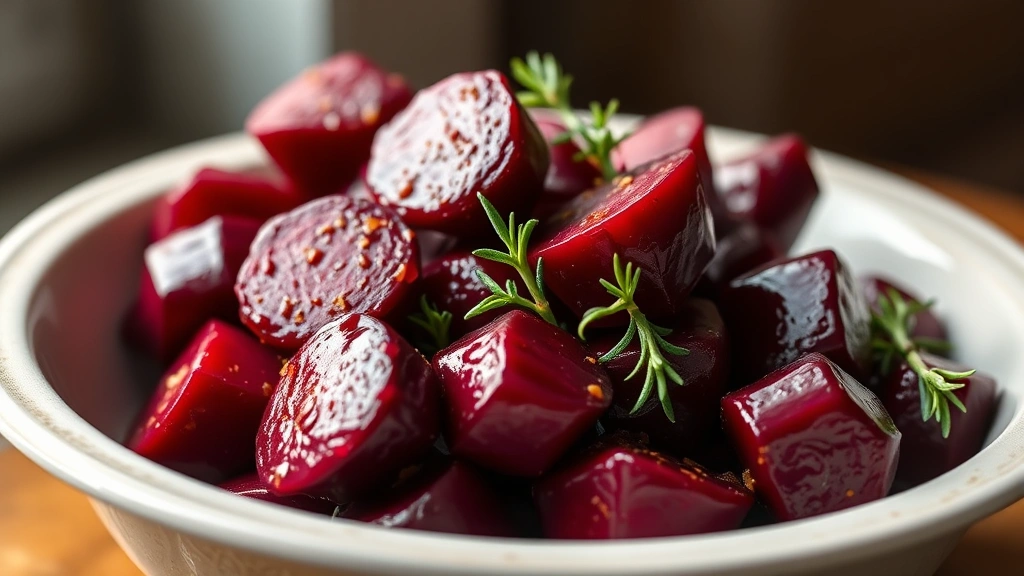
Harvard beets are a classic American side dish with a beautiful sweet and tangy glaze that’s absolutely irresistible. This elegant recipe features tender beets coated in a silky sauce made with vinegar, sugar, and warm spices that make them the perfect complement to any meal.
I absolutely love serving these beets alongside roasted chicken or as part of a composed salad. They’re the kind of dish that looks fancy enough for entertaining but comes together so easily on a weeknight. The deep crimson color is absolutely stunning on the plate, and the flavor profile—that perfect balance of sweet and tart—keeps everyone coming back for seconds.
What makes Harvard beets so special is their versatility. You can serve them warm as a traditional side dish, or chill them and add them to a salad for a fresh twist. They pair beautifully with rich dishes like creamy chicken alfredo, but they’re equally at home on a simple dinner plate. The recipe is naturally vegetarian and gluten-free when made with cornstarch, making it inclusive for various dietary preferences.
These beets also make an excellent make-ahead dish. You can prepare them up to three days in advance and simply reheat them gently before serving. This makes them ideal for holiday dinners when you’re juggling multiple dishes. The flavors actually deepen and meld together beautifully over time, so they taste even better the next day.
The key to perfect Harvard beets is using fresh, quality beets and not overcooking them. You want them tender enough to cut with a fork but still holding their shape. The sauce should be glossy and coat each beet beautifully, creating that signature presentation. With this recipe, you’ll master this timeless classic that deserves a permanent place in your cooking repertoire.
For more inspiration on creating impressive side dishes, check out this guide to creating silky sauces and this creamy pasta inspiration. You might also enjoy preparing these simple roasted peppers as another colorful side option.
For more classic American recipes and techniques, visit Serious Eats for in-depth cooking science, or check out Bon Appétit for stunning food photography and inspiration. New York Times Cooking also offers wonderful variations on classic recipes that might inspire your next dinner party.
Ingredients
- 2 pounds fresh beets, preferably similar in size
- 3 tablespoons unsalted butter
- 2 tablespoons all-purpose flour or cornstarch
- ½ cup granulated sugar
- ½ cup apple cider vinegar or red wine vinegar
- ½ cup beet cooking liquid or water
- ¼ teaspoon ground cloves
- ¼ teaspoon ground cinnamon
- ⅛ teaspoon ground allspice
- Salt and freshly ground black pepper to taste
- 2 tablespoons fresh lemon juice
- 1 tablespoon honey (optional, for extra gloss)
- Fresh thyme or parsley for garnish (optional)
Instructions
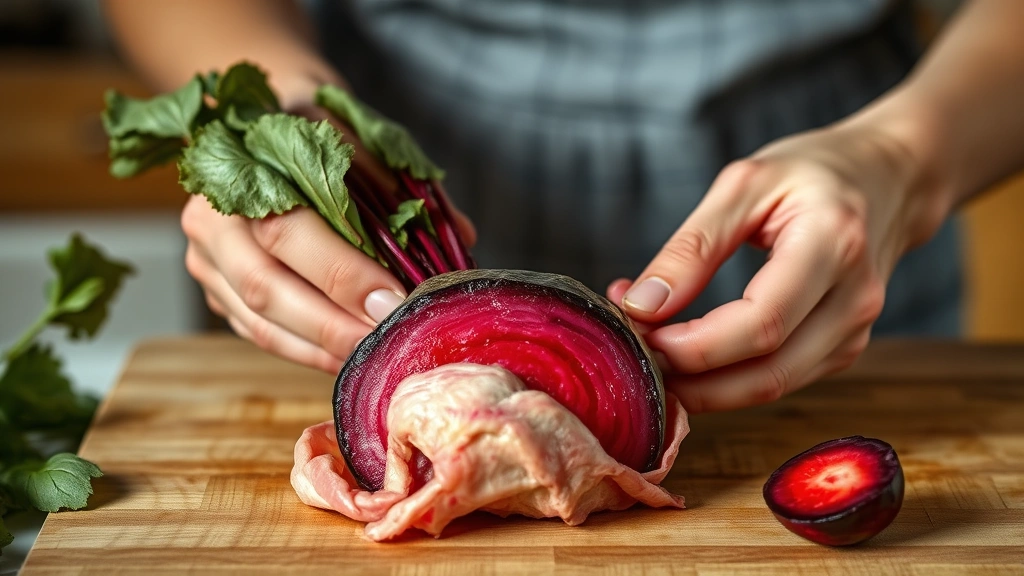
- Start by trimming the beets: cut off the greens about an inch from the top, leaving the root end intact. This prevents the beets from bleeding too much color during cooking. Gently scrub them under cold running water to remove any dirt, being careful not to pierce the skin.
- Fill a large pot with water and bring it to a boil. Carefully add the trimmed beets and reduce the heat to a gentle simmer. The beets should be completely covered with water by about 2 inches. Simmer for 30-40 minutes, depending on the size of your beets, until they’re fork-tender.
- While the beets are cooking, prepare the sauce. Melt the butter in a medium saucepan over medium heat, stirring occasionally to prevent browning.
- Once the butter is melted and foamy, sprinkle the flour or cornstarch over it and whisk constantly for about 1 minute to create a roux. This will help thicken the sauce beautifully.
- Gradually add the vinegar, whisking constantly to avoid lumps. The mixture will bubble slightly as the acid hits the hot roux—this is perfectly normal.
- Add the sugar, ground cloves, cinnamon, and allspice, stirring until the sugar dissolves completely. The sauce should smell warm and fragrant at this point.
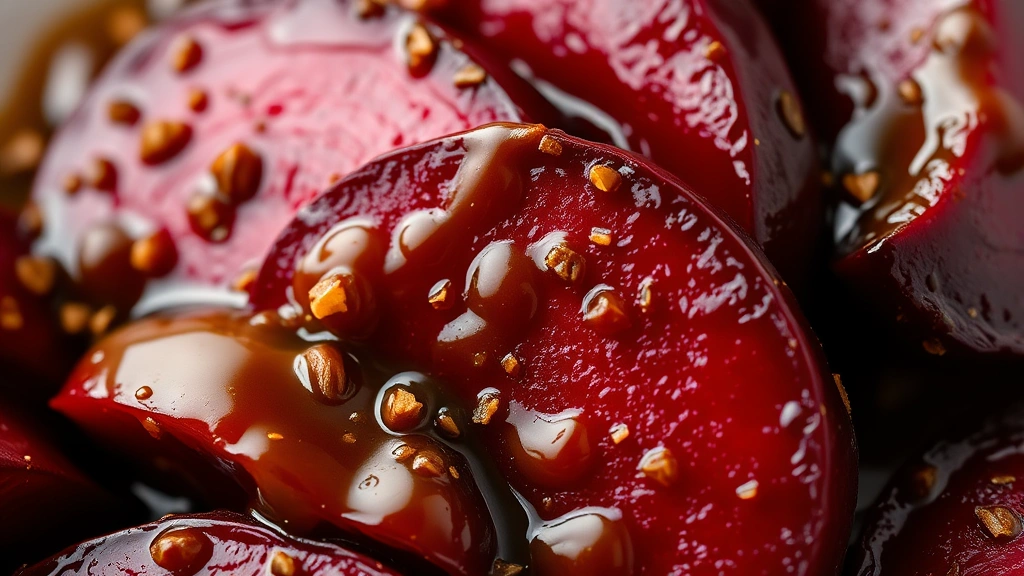
- Pour in the beet cooking liquid or water, whisking constantly until the sauce is smooth and glossy. Bring the sauce to a gentle simmer and cook for 2-3 minutes, stirring occasionally, until it thickens slightly and coats the back of a spoon.
- Taste the sauce and season with salt and freshly ground black pepper. Add the fresh lemon juice and honey if desired. The sauce should taste balanced—sweet, tangy, and slightly spiced.
- When the beets are completely tender, carefully remove them from the boiling water using a slotted spoon and transfer them to a cutting board. Let them cool just enough to handle, about 5 minutes.
- While the beets are still warm, gently rub off the skin with your fingers or a clean kitchen towel. The skin should slip off easily. If it’s resistant, let them cool a few more minutes.
- Cut the cooled beets into quarter-inch slices or into wedges, depending on your preference. For a more elegant presentation, try cutting them into thin matchsticks or using a mandoline.
- Transfer the sliced beets to the warm sauce, gently folding them to coat evenly. Make sure all the beet pieces are coated with the glossy glaze.
- Return the pan to low heat and warm gently for 2-3 minutes, stirring very gently to avoid breaking the beets. The beets should be heated through and glistening.
- Transfer to a serving dish and garnish with fresh thyme or parsley if desired. Serve warm or at room temperature.
- If making ahead, store in an airtight container in the refrigerator for up to 3 days. Reheat gently in a saucepan over low heat, adding a splash of water if the sauce has thickened too much.
Pro Tips
- **Beet Selection**: Choose beets that are relatively uniform in size so they cook evenly. Smaller beets (about 2 inches in diameter) are more tender and cook faster than larger ones. If using very large beets, cut them in half before cooking.
- **Cooking Liquid**: Don’t discard the water you cooked the beets in! It makes the perfect base for your sauce and adds a subtle earthiness. If you do use regular water instead, the sauce will be equally delicious but slightly less complex.
- **Thickening Agent**: Both flour and cornstarch work beautifully in this recipe. Cornstarch creates a slightly glossier sauce, while flour creates a more matte finish. Cornstarch is also the better choice if you need this recipe to be gluten-free.
- **Vinegar Variations**: Apple cider vinegar is traditional and adds a fruity note, but red wine vinegar creates a deeper color and more sophisticated flavor. White vinegar can be substituted but will result in a less colored sauce. Rice vinegar will make the sauce slightly sweeter.
- **Spice Adjustments**: These warm spices are traditional, but feel free to adjust them to your taste. Some people prefer more cinnamon, while others love adding a pinch of nutmeg or ginger. Start with the amounts listed and adjust to your preference.
- **Make-Ahead Magic**: These beets are actually better made a day or two ahead. The flavors meld beautifully, and the beets absorb more of the glaze over time. Simply store in the refrigerator and reheat gently before serving.
- **Serving Suggestions**: Serve warm alongside roasted poultry, grilled fish, or hearty roasted vegetables. They’re also wonderful served at room temperature as part of a composed salad or cheese board.
- **Storage**: Harvard beets keep beautifully in the refrigerator for up to 5 days in an airtight container. They can also be frozen for up to 2 months, though the texture becomes slightly softer upon thawing.
- **Scaling**: This recipe doubles easily if you’re feeding a crowd. Simply multiply all ingredients by two and cook the beets in batches or in a larger pot if needed.
- **Texture Tips**: If you prefer softer beets, cook them an extra 5-10 minutes. For firmer beets with more bite, reduce cooking time slightly. The key is that they should be tender enough to cut easily with a fork.
Pingback: How to make the BEST Rotisserie Chicken Salad Recipe! – Simple Recipe Finder
Pingback: How to Make the Best Waldorf Salad Recipe – So Tasty! – Simple Recipe Finder