
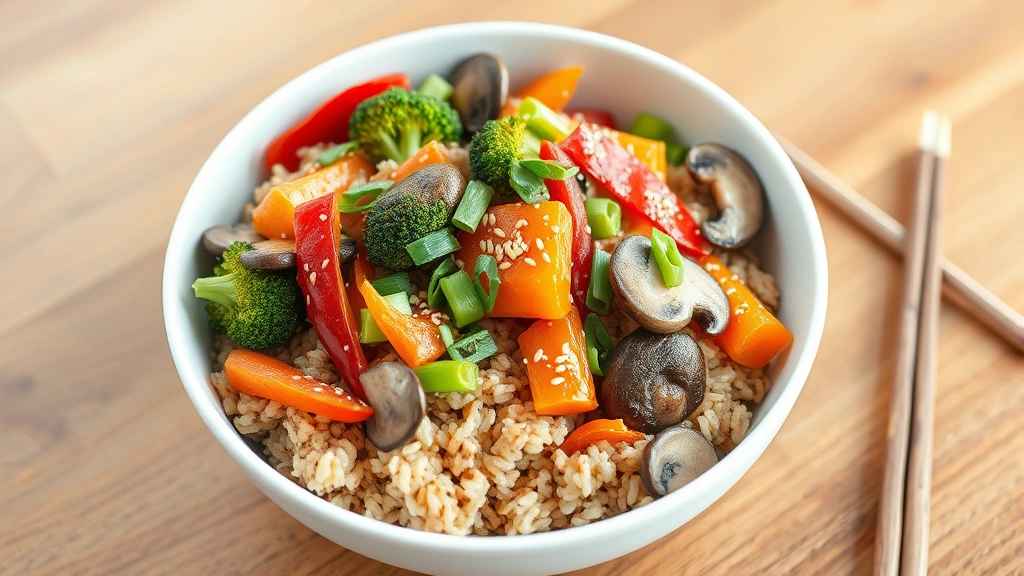
There’s something absolutely magical about a perfectly executed stir-fry – the sizzle of vegetables hitting a scorching hot wok, the aromatic blend of garlic and ginger, and that beautiful caramelization that happens when everything comes together just right. This healthy Asian stir-fry recipe is my go-to weeknight dinner because it’s not only delicious and nutritious, but it also comes together in under 30 minutes, making it perfect for busy families who don’t want to sacrifice flavor for convenience.
What I love most about this dish is its versatility and the way it lets you pack in an abundance of fresh vegetables while keeping the calorie count remarkably low. Unlike takeout versions that are often loaded with excess oil and sodium, this homemade version gives you complete control over every ingredient. You’ll get that authentic Asian flavor profile from a carefully balanced sauce made with low-sodium soy sauce, fresh ginger, garlic, and a touch of sesame oil – no MSG or artificial additives needed.
The beauty of stir-frying lies in the technique and preparation. When you have everything prepped and ready to go – what the French call “mise en place” – the actual cooking happens in just minutes. The high heat creates a beautiful Maillard reaction on the vegetables, keeping them crisp-tender while developing incredible depth of flavor. This recipe serves as a foundation that you can customize based on what you have in your kitchen or what your family prefers.
I’ve included detailed instructions on proper wok technique, how to achieve that restaurant-quality sear, and tips for keeping your vegetables at that perfect crisp-tender stage. Whether you’re new to Asian cooking or a seasoned pro, you’ll find this guide approachable and thoroughly satisfying. Serve it over brown rice, cauliflower rice for a lower-carb option, or even alongside pasta for a fusion twist.
This healthy Asian stir-fry is an excellent base recipe that pairs beautifully with other Asian-inspired dishes. For a complete meal experience, consider serving it alongside pickled red onions for a tangy contrast or adding some protein-rich elements like chickpeas for vegetarian protein. The versatility of this recipe makes it a weeknight staple in my kitchen, and I’m confident it will become one of your favorites too.
For more inspiration on Asian cooking techniques, check out Serious Eats’ comprehensive guide to Asian cooking, which offers incredible insights into authentic flavor-building. You might also enjoy Bon Appétit’s collection of healthy Asian recipes for additional variations, and New York Times Cooking has excellent resources on wok cooking fundamentals.
Ingredients
- 2 tablespoons sesame oil (divided)
- 1 pound protein of choice (chicken breast, shrimp, or extra-firm tofu, cut into bite-sized pieces)
- 1 medium onion, thinly sliced
- 3 cloves garlic, minced
- 1 tablespoon fresh ginger, minced
- 2 cups broccoli florets
- 1 red bell pepper, sliced into strips
- 1 cup snap peas
- 1 cup mushrooms, sliced
- 1 medium carrot, julienned or thinly sliced
- 3 tablespoons low-sodium soy sauce
- 1 tablespoon rice vinegar
- 1 teaspoon honey or maple syrup
- ½ teaspoon red pepper flakes (optional)
- ¼ teaspoon white pepper
- 1 teaspoon cornstarch mixed with 2 tablespoons water
- 2 green onions, sliced
- 1 teaspoon sesame seeds for garnish
- Cooked brown rice or cauliflower rice for serving
Instructions
- Prepare all ingredients before you begin cooking. This is crucial for stir-frying success. Cut your protein into uniform bite-sized pieces so everything cooks evenly. Slice all vegetables into similar sizes – this ensures they cook at the same rate and create a visually appealing dish.
- In a small bowl, whisk together the soy sauce, rice vinegar, honey, red pepper flakes if using, white pepper, and the cornstarch-water mixture. Set this sauce aside – this is your flavor foundation.
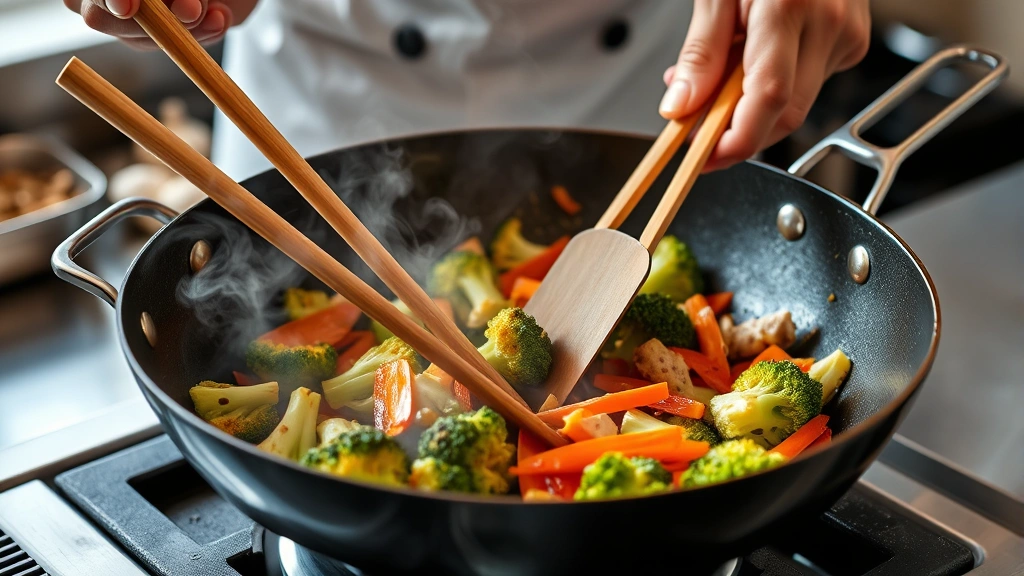
- Heat a wok or large skillet over high heat for about 2 minutes until it’s smoking hot. This high temperature is essential for achieving that characteristic stir-fry sear and keeping vegetables crisp.
- Add 1 tablespoon of sesame oil to the hot wok, swirling to coat evenly. Working quickly, add your protein in a single layer and resist the urge to stir immediately – let it sear for 2-3 minutes until the bottom develops a golden crust.
- Stir the protein and cook for another 2-3 minutes until it’s about 80% cooked through. Transfer the protein to a clean plate and set aside. Don’t worry if it’s not completely done – it will finish cooking when it returns to the wok.
- Add the remaining 1 tablespoon of sesame oil to the wok. Immediately add the onions and carrots, which take slightly longer to cook than other vegetables. Stir-fry for 2 minutes, keeping everything moving constantly.
- Add the minced garlic and ginger to the wok, stirring constantly for about 30 seconds until fragrant. Be careful not to let the garlic burn – this is a common mistake that can result in bitter flavors.
- Add the remaining vegetables in this order: broccoli and mushrooms first (hardest vegetables), then bell pepper and snap peas (medium vegetables). Stir constantly for 3-4 minutes until the vegetables are crisp-tender but still have a slight crunch.
- Return the cooked protein to the wok, nestling it among the vegetables. Give your sauce mixture a quick stir to remix the cornstarch, then pour it into the wok.
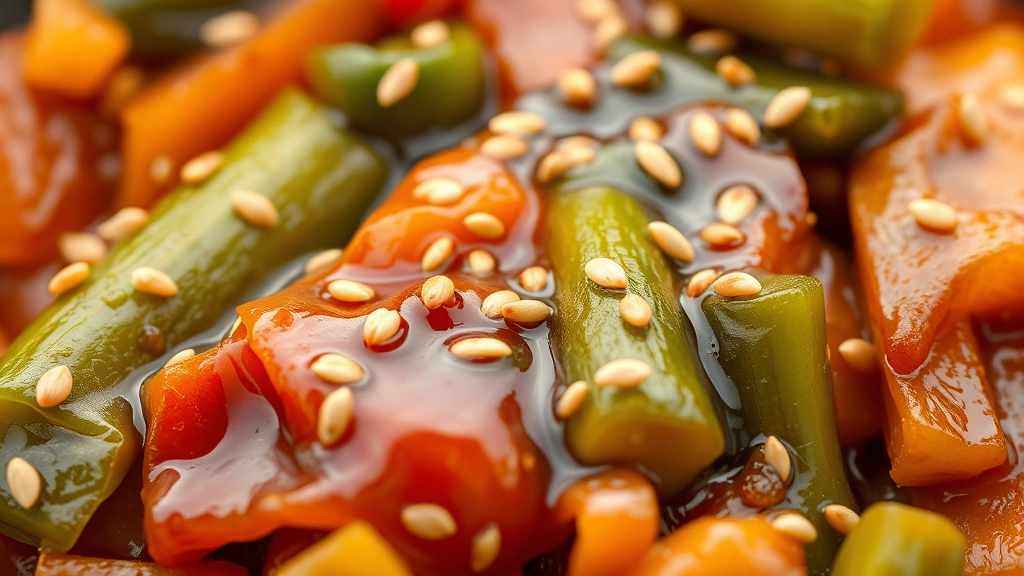
- Toss everything together constantly for 1-2 minutes until the sauce thickens and coats all ingredients evenly. You should see a glossy coating forming – this is exactly what you’re aiming for.
- Taste and adjust seasonings as needed. If you want it spicier, add more red pepper flakes. If you want it saltier, add a splash more soy sauce. Remove from heat immediately.
- Transfer to a serving platter and garnish with sliced green onions and sesame seeds. Serve immediately over your choice of brown rice or cauliflower rice while everything is hot and the vegetables are at peak crispness.
Pro Tips
- **Protein Options**: This recipe works beautifully with chicken breast, shrimp, beef sirloin, pork tenderloin, or extra-firm tofu for vegetarian meals. Cut everything into uniform sizes for even cooking – aim for roughly ¾-inch pieces.
- **Vegetable Selection**: Feel free to substitute vegetables based on what you have available or prefer. Bok choy, Chinese broccoli, water chestnuts, baby corn, and cabbage are all excellent choices. Avoid watery vegetables like zucchini unless you drain them well first.
- **High Heat is Essential**: The wok must be genuinely hot – this creates that characteristic sear and keeps vegetables crisp. If your heat isn’t high enough, vegetables will release water and steam rather than caramelize. Invest in a good wok or large skillet that conducts heat evenly.
- **The Order Matters**: Adding vegetables in stages based on cooking time ensures nothing is overcooked while everything else finishes. Hard vegetables like broccoli and carrots need extra time; delicate ones like snap peas need minimal cooking.
- **Sauce Consistency**: The cornstarch slurry thickens the sauce beautifully. Always mix it just before adding it to the wok – cornstarch settles quickly. For a thinner sauce, reduce the cornstarch to ½ teaspoon. For thicker, increase to 1½ teaspoons.
- **Make it Spicy**: Add sriracha, chili paste, or extra red pepper flakes for heat. A touch of garlic chili sauce adds authentic Asian flavor and complexity.
- **Sesame Oil Note**: Use toasted sesame oil for maximum flavor – regular sesame oil lacks the depth. A little goes a long way; it’s potent and adds authentic Asian flavor.
- **Don’t Crowd the Wok**: If your wok feels crowded, work in batches. Overcrowding lowers the temperature and causes steaming instead of searing.
- **Mise en Place is Non-Negotiable**: Have everything prepped and within arm’s reach before you start cooking. Once you begin stir-frying, everything happens quickly – there’s no time to chop vegetables mid-cook.
- **Storage**: Leftover stir-fry keeps in an airtight container for up to 3 days in the refrigerator. Reheat in a wok or skillet over medium-high heat to restore texture. The sauce may thicken as it cools; add a splash of water when reheating if needed.
- **Nutrition Benefits**: This recipe is naturally low in calories, high in fiber from vegetables and brown rice, and packed with vitamins and minerals. The sesame oil provides healthy fats and adds authentic Asian flavor without excess calories.