
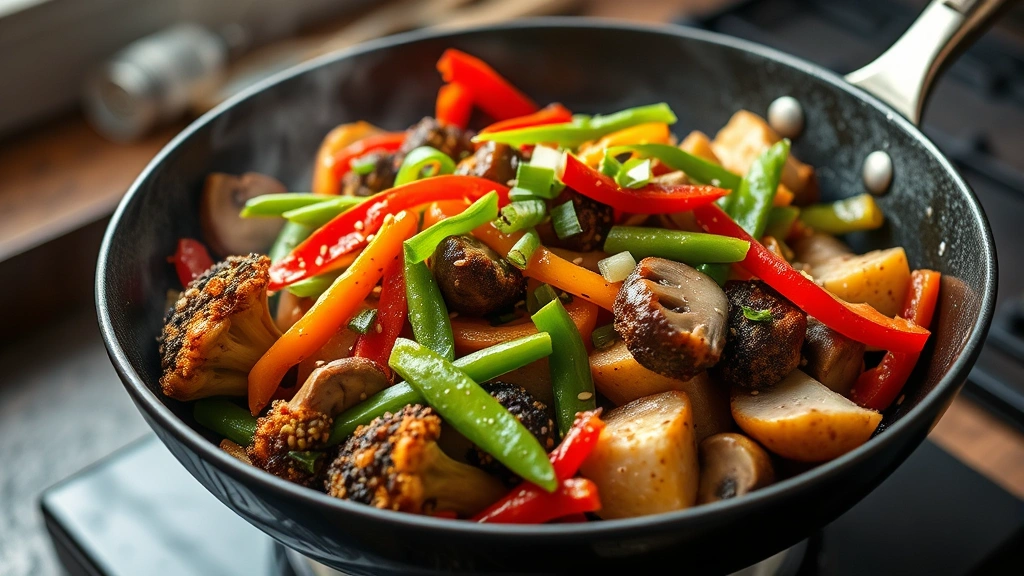
There’s nothing quite like a vibrant, colorful vegetable stir-fry sizzling in your wok or skillet – it’s the perfect weeknight dinner that feels both indulgent and incredibly good for you. This healthy vegetable stir-fry recipe is all about celebrating fresh produce, bold flavors, and simple techniques that come together in minutes. Whether you’re meal prepping for the week ahead or looking for a quick dinner solution, this stir-fry delivers on taste without any of the guilt.
The beauty of stir-frying is that it’s a cooking method that actually preserves the nutrients in your vegetables while creating those gorgeous caramelized edges and maintaining that perfect tender-crisp texture. Unlike heavy cream-based sauces you might find in restaurant versions, our homemade sauce keeps things light and flavorful with just the right balance of soy sauce, ginger, garlic, and a touch of honey. This recipe is incredibly versatile – you can swap vegetables based on what’s in your refrigerator or what’s in season at your local farmer’s market.
What makes this the BEST healthy vegetable stir-fry is the attention to technique and ingredient quality. We’re talking about proper wok temperature, the right oil for high-heat cooking, and fresh aromatics that make all the difference. I’ve included tips for getting that restaurant-quality sear on your vegetables and how to prevent the common pitfall of steaming rather than stir-frying. Serve it over steamed rice, cauliflower rice, or noodles – this recipe works beautifully as a base for protein additions too.
If you love this recipe, you’ll also enjoy exploring other quick and healthy dinner options. Check out our Garlic Shrimp Scampi Recipe for a protein-packed variation, or our Lemon Orzo Recipe for a lighter pasta option. For those interested in creamy variations, our Heavy Cream Alfredo Sauce Recipe and Chicken Alfredo Recipe offer delicious alternatives, while our Heavy Cream Pasta Recipe is perfect for special occasions.
For more detailed stir-fry techniques and variations, check out Serious Eats’ comprehensive stir-fry guide and Bon Appétit’s vegetable stir-fry recipes. For knife skills and vegetable prep techniques, The New York Times Cooking section offers excellent step-by-step guidance that will elevate your stir-fry game.
Ingredients
- 3 tablespoons sesame oil or vegetable oil with high smoke point
- 1 tablespoon minced fresh ginger
- 4 cloves garlic, minced
- 2 cups broccoli florets, cut into bite-sized pieces
- 2 cups snap peas, strings removed
- 1 red bell pepper, thinly sliced
- 1 yellow bell pepper, thinly sliced
- 2 cups mushrooms, sliced (cremini or baby bella)
- 1 medium carrot, julienned or thinly sliced
- 1 cup baby bok choy, halved lengthwise
- 3 tablespoons low-sodium soy sauce
- 1 tablespoon honey or maple syrup
- 1 tablespoon rice vinegar
- 1 teaspoon sesame seeds for garnish
- 2 green onions, sliced on the bias
- 1/4 teaspoon red pepper flakes (optional)
- 1 teaspoon cornstarch mixed with 1 tablespoon water (optional, for thicker sauce)
- Salt and black pepper to taste
Instructions
- Prepare all ingredients before you start cooking – this is crucial for stir-frying success. Wash and cut all vegetables into uniform, bite-sized pieces so they cook evenly. Having everything prepped and within arm’s reach of your cooking station will make the actual cooking process smooth and quick.
- In a small bowl, combine the soy sauce, honey, rice vinegar, and red pepper flakes if using. Stir until the honey is dissolved. Set this sauce mixture aside. If you prefer a thicker sauce, have your cornstarch slurry ready.
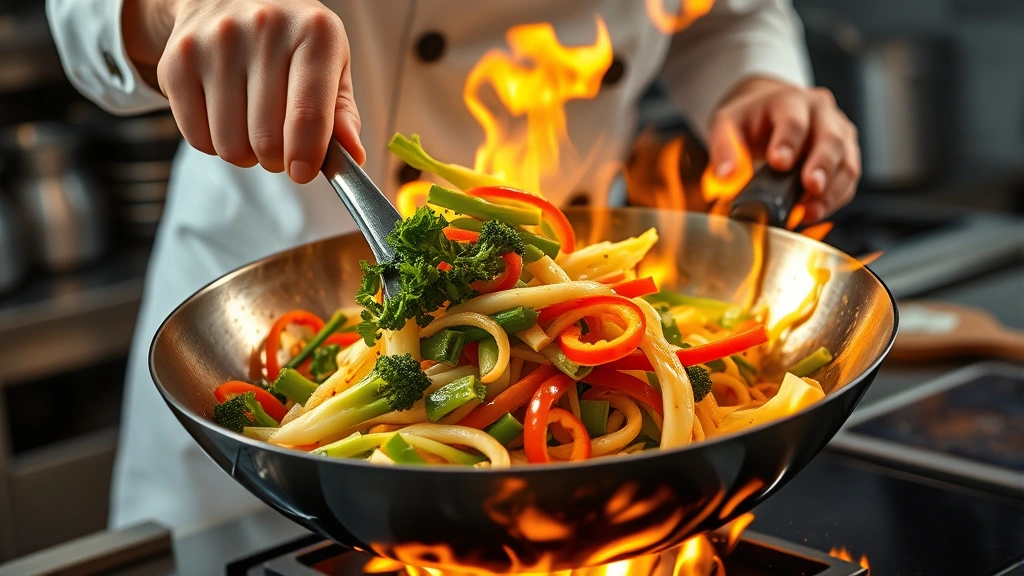
- Heat a large wok or 12-inch skillet over high heat for 2-3 minutes until it’s very hot – this is essential for proper stir-frying and achieving that beautiful caramelization on your vegetables.
- Add 1 tablespoon of the oil to the hot wok and swirl to coat the surface. The oil should shimmer and move quickly across the wok.
- Add the minced ginger and garlic to the hot oil, stirring constantly for about 30 seconds until fragrant. Be careful not to let the garlic burn – it should become golden and aromatic.
- Add the broccoli florets and carrots to the wok, stirring and tossing continuously for 2-3 minutes. These vegetables take slightly longer to cook, so we’re giving them a head start.
- Add the remaining 2 tablespoons of oil to the wok along with the snap peas, bell peppers, and mushrooms. Continue tossing everything together over high heat for 2-3 minutes.
- Add the baby bok choy to the wok, tossing all the vegetables together for another minute. At this point, your vegetables should be tender-crisp – still have a slight firmness when you bite into them.
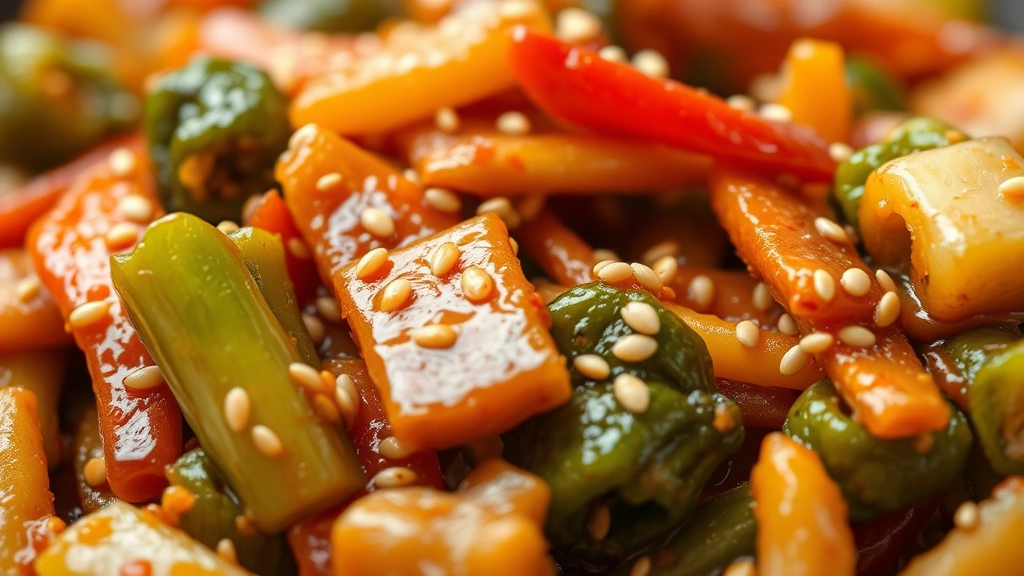
- Pour the sauce mixture over the vegetables and toss everything together for 30 seconds to 1 minute, making sure the sauce coats all the vegetables evenly.
- If you prefer a thicker sauce, pour the cornstarch slurry into the wok while tossing constantly for 20-30 seconds until the sauce thickens and coats the vegetables.
- Taste and adjust seasonings with additional soy sauce or salt and pepper as needed. Remember that soy sauce is salty, so taste before adding extra salt.
- Remove the wok from heat and transfer the stir-fry to a serving platter or individual bowls. Garnish with sliced green onions and sesame seeds.
- Serve immediately over steamed white rice, brown rice, cauliflower rice, or your favorite noodles. This stir-fry is best enjoyed fresh and hot right out of the wok.
Pro Tips
- The key to perfect stir-frying is having your wok or skillet hot enough before adding oil and vegetables. If your wok isn’t hot enough, you’ll end up steaming rather than stir-frying, resulting in mushy vegetables instead of that desirable tender-crisp texture.
- Cut all vegetables into uniform sizes so they cook evenly. Smaller pieces cook faster than larger ones, so consistency is important for achieving that perfect doneness across all your vegetables.
- Don’t overcrowd the wok. If your wok becomes too crowded, the temperature drops and steam is released, which prevents proper caramelization. Work in batches if necessary or use a larger wok.
- Sesame oil has a lower smoke point than vegetable oil, so if you’re using sesame oil, add it at the end or use it in combination with a higher heat oil like vegetable, peanut, or avocado oil.
- Fresh ginger and garlic make a tremendous difference in the final flavor of your stir-fry. Pre-minced versions won’t give you the same fresh, vibrant taste as freshly minced ingredients.
- Feel free to customize this recipe with any vegetables you have on hand. Other great options include zucchini, asparagus, water chestnuts, cabbage, cauliflower, green beans, or celery. Avoid very wet vegetables like tomatoes unless you add them at the very end.
- To make this stir-fry a complete meal, add cooked chicken, shrimp, tofu, or beef. Add your cooked protein at the end just to heat it through.
- This recipe can be made ahead and reheated gently in a wok or skillet over medium heat. The vegetables will lose some of their crispness, but it’s still delicious and perfect for meal prep.
- Store leftovers in an airtight container in the refrigerator for up to 3 days. Reheat gently in a wok or skillet to maintain the best texture.
- For a lower-sodium version, use low-sodium soy sauce or tamari and reduce the amount slightly, adjusting to taste.
- The cornstarch slurry is optional – it creates a glossier, thicker sauce that coats the vegetables beautifully, but many people prefer the lighter, brothier sauce without it.
Pingback: Quick and Easy Chicken Lettuce Wrap Recipe! – Simple Recipe Finder
Pingback: Quick and Tasty Chicken Pad Thai Recipe! – Simple Recipe Finder