
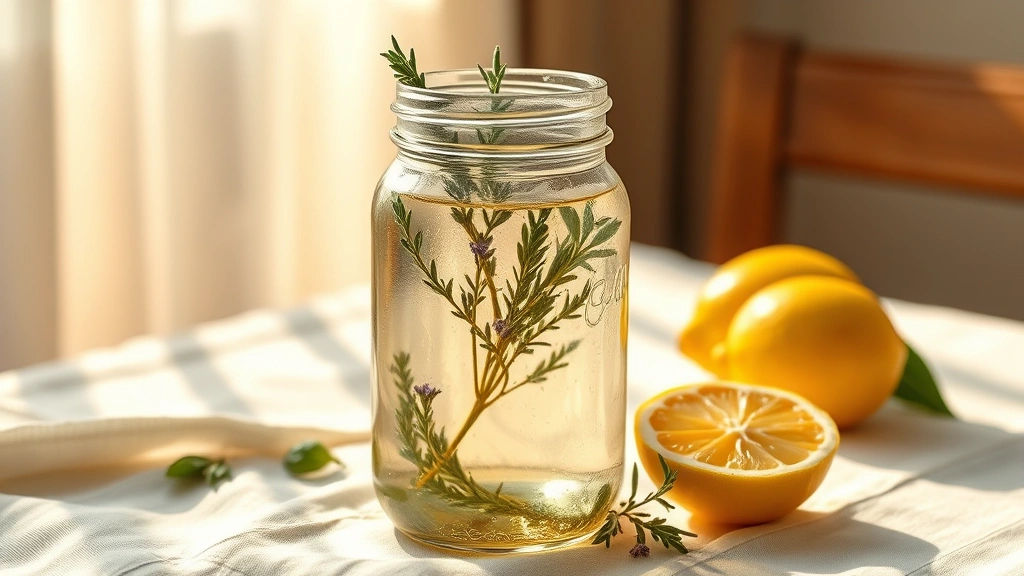
There’s something absolutely magical about making your own herbal cordial at home—it’s like bottling up sunshine and sophistication in one gorgeous glass jar! This timeless recipe has been a staple in British kitchens for generations, and once you master the technique, you’ll wonder why you ever bought the store-bought version. A cordial is essentially a concentrated syrup infused with herbs, fruits, and botanicals that you dilute with water, sparkling water, or even champagne for a special occasion. The beauty of making your own is that you control every single ingredient, so you can skip the artificial flavors and preservatives and create something truly pure and personal.
I first fell in love with herbal cordials during a summer spent in the Cotswolds, where I watched my friend’s grandmother prepare batches of elderflower cordial using flowers from her garden. The way she explained it—with such care and attention to detail—made me realize this wasn’t just about mixing ingredients; it was about creating something that would bring joy to everyone who tasted it. Now, I make several varieties throughout the year, adjusting the herbs based on what’s growing in my garden or what I find at the farmer’s market. Whether you’re crafting a refreshing herbal tea blend or making homemade simple syrups, the techniques overlap beautifully with cordial-making.
This recipe is wonderfully versatile and forgiving. The key to the BEST herbal cordial is using fresh, high-quality herbs and taking time to properly infuse them. You’ll want to choose herbs that complement each other—think lavender with lemon, mint with cucumber, or chamomile with honey. The infusion process is where the magic happens; this is when all those delicate flavors and aromatic compounds transfer into your syrup base. I always recommend growing your own herbs if possible, but quality dried herbs work beautifully too. The result is a sophisticated, elegant cordial that tastes like you spent hours in the kitchen, when really, most of the work is just waiting for the herbs to do their thing.
What makes this cordial recipe truly special is its flexibility. You can serve it ice-cold over ice with still or sparkling water for a refreshing afternoon pick-me-up, or you can get creative with cocktails and mocktails. I’ve drizzled it over vanilla ice cream, stirred it into yogurt, and even used it to glaze roasted vegetables. For entertaining, there’s nothing quite like greeting guests with a beautiful pitcher of homemade cordial—it’s the kind of detail that makes people feel truly welcomed and cared for. The color alone is stunning, especially if you’re using botanicals like hibiscus or rose petals.
One of my favorite aspects of cordial-making is that it’s an incredibly sustainable practice. You’re creating a concentrated product that lasts for weeks in the refrigerator and can be frozen for months, which means less food waste and more bang for your buck. Plus, once you understand the basic technique, you’ll find yourself experimenting with different combinations. I’ve made everything from a sophisticated rose and elderflower cordial to a zesty ginger and turmeric wellness version. The possibilities are truly endless.
For the absolute best results, I recommend investing in a good quality strainer or cheesecloth—it makes such a difference in achieving that crystal-clear, professional-looking final product. Temperature control matters too; you want to gently heat your syrup rather than boil it aggressively, which helps preserve those delicate herbal flavors. According to Serious Eats’ guide to cordial-making, the ideal infusion temperature is around 160-180°F. The citric acid in this recipe not only adds brightness and helps preserve the cordial but also balances the sweetness beautifully.
I genuinely believe that homemade cordial is one of those simple kitchen projects that yields disproportionately impressive results. Your family will be amazed, your guests will ask for the recipe, and you’ll feel that wonderful satisfaction of having created something delicious from scratch. Plus, homemade cordial makes an absolutely gorgeous gift—bottle it in beautiful jars with a handwritten label, and you’ve got something far more thoughtful than anything you could buy. This is the kind of recipe that connects us to culinary traditions while feeling completely modern and relevant. Let me show you exactly how to make it!
Ingredients
- 2 cups fresh herbs (such as lavender, mint, chamomile, or a combination), gently packed
- 2 cups granulated sugar
- 2 cups water
- Zest of 2 lemons
- ½ cup fresh lemon juice (about 3-4 lemons)
- 1 teaspoon citric acid (or substitute with additional lemon juice)
- 4-5 whole cloves (optional, adds warmth)
- 1 cinnamon stick, broken in half (optional)
- 1 star anise pod (optional)
- Pinch of sea salt
- Fresh herb sprigs for garnish (optional)
Instructions
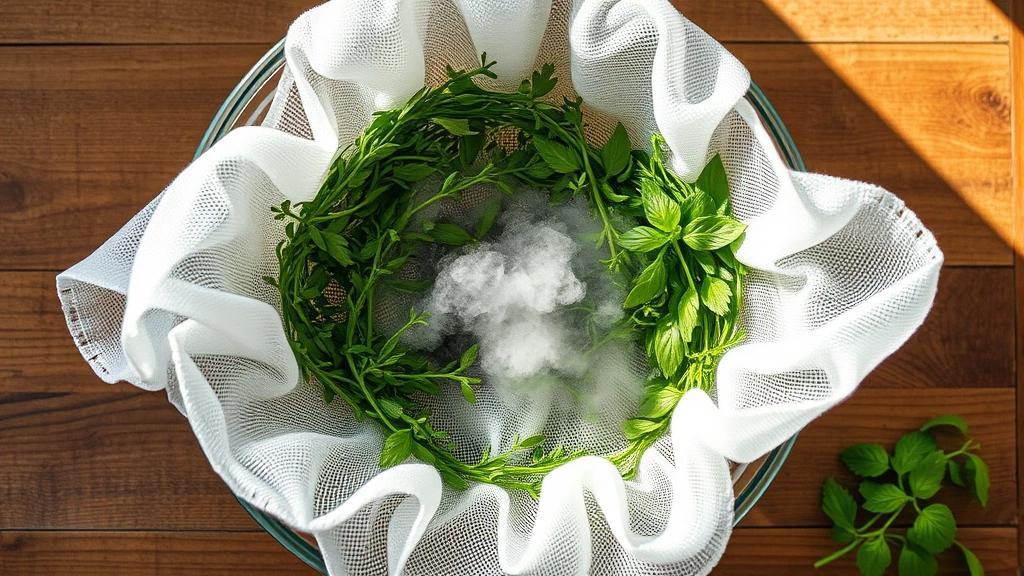
- Prepare your herbs by gently rinsing them under cool water and patting them completely dry with a clean kitchen towel. Moisture is the enemy of cordial-making, so take your time with this step. If using delicate herbs like lavender or chamomile flowers, handle them gently to avoid bruising.
- Place your dried herbs in a large, clean glass jar or heatproof bowl. If using dried herbs, use about 1 cup instead of fresh.
- In a medium saucepan, combine water, sugar, lemon zest, and any optional spices (cloves, cinnamon, star anise). Bring to a gentle simmer over medium heat, stirring occasionally until the sugar completely dissolves, about 5-7 minutes.
- Once the sugar is fully dissolved and the mixture is steaming (but not boiling vigorously), carefully pour the hot syrup over your prepared herbs in the jar or bowl.
- Stir gently to ensure all the herbs are submerged and evenly coated with the hot syrup. This initial infusion is crucial for extracting maximum flavor.
- Cover your jar or bowl loosely with a clean kitchen towel or cheesecloth—don’t seal it completely, as the mixture needs to cool to room temperature.
- Allow the cordial to infuse at room temperature for at least 6-8 hours, though overnight is ideal for deeper flavor development. The longer it sits, the more pronounced your herbal notes will become.
- After the infusion period, carefully strain the cordial through a fine-mesh strainer lined with cheesecloth or a coffee filter, pressing gently on the herbs to extract all the flavorful liquid. Do not squeeze aggressively, as this can make the cordial cloudy.
- Pour the strained cordial back into the saucepan and add the lemon juice and citric acid, stirring well to combine. Taste and adjust the balance—if you prefer it sweeter, add a touch more sugar; if you want more tartness, add additional lemon juice.
- Gently warm the cordial over low heat for about 2-3 minutes, stirring constantly, just until it’s warm to the touch. Do not boil at this stage, as heat can damage those beautiful herbal flavors you’ve worked to extract.
- Remove from heat and allow to cool completely before bottling. For longer shelf life, you can sterilize glass bottles by running them through the dishwasher on the hottest setting or by boiling them for 10 minutes.
- Pour your finished cordial into clean glass bottles using a funnel to avoid spills. Seal tightly and label with the date and ingredients.
Pro Tips
- **Storage perfection**: Your homemade herbal cordial will keep refrigerated for up to 4 weeks in a sealed glass bottle. For longer storage, you can freeze it in ice cube trays for up to 3 months—perfect for adding to cocktails or hot tea throughout the year.
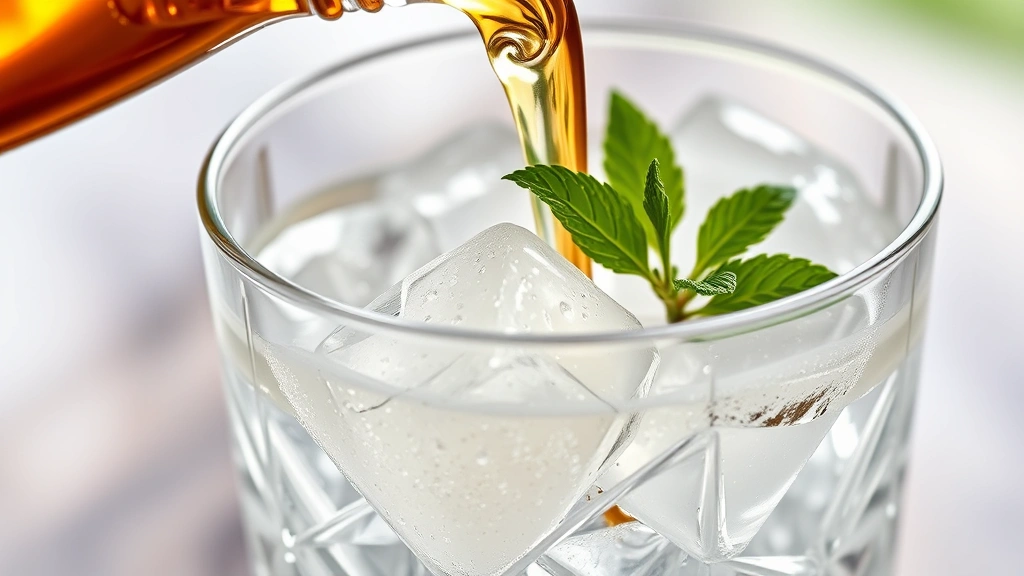
- **Dilution ratio**: The traditional ratio is 1 part cordial to 4 parts water or sparkling water, though you can adjust this to your personal taste preference. Some people prefer it more concentrated for a bolder flavor, while others like it more diluted.
- **Herb combinations that sing together**: Lavender with lemon and a touch of rose, mint with cucumber and elderflower, chamomile with honey and vanilla, or a wellness blend of ginger, turmeric, and lemongrass. Don’t be afraid to experiment!
- **Citric acid substitute**: If you can’t find citric acid at your grocery store, simply use additional fresh lemon juice. It serves the same preservative purpose and adds brightness. You need about ½ teaspoon citric acid or 2 tablespoons fresh lemon juice.
- **Crystallization solution**: If your cordial crystallizes over time (which is completely normal and harmless), simply gently warm it in a saucepan over low heat while stirring, and it will return to its liquid state.
- **Garnishing for guests**: When serving, float fresh herb sprigs, thin lemon slices, or edible flowers in your cordial glasses for a beautiful presentation that looks like you’ve really gone the extra mile.
- **Cocktail applications**: Use 1-2 ounces of cordial mixed with 2 ounces of gin or vodka, top with sparkling water and fresh ice. For a sophisticated mocktail, combine cordial with sparkling water and fresh mint.
- **Scaling the recipe**: This recipe doubles beautifully if you’re making cordial for a party or to have on hand throughout the season. Simply multiply all ingredients by two and follow the same method.
- **Clarity matters**: If you want a crystal-clear cordial for entertaining, strain it through cheesecloth a second time. This extra step removes even tiny particles and gives a professional appearance.
- **Herb quality**: Use the freshest herbs possible—either from your garden harvested that morning, or from a farmer’s market. The quality of your herbs directly translates to the quality of your final cordial.