
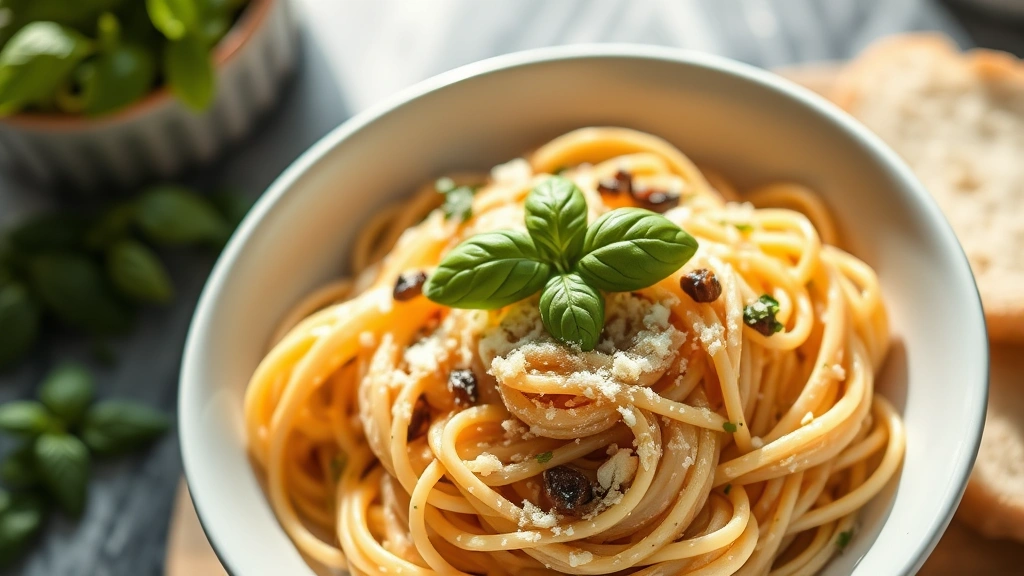
Discover the secret to making the best high protein pasta that’s both delicious and nutritious! This game-changing recipe combines protein-packed pasta with a creamy, savory sauce that rivals any restaurant dish. Whether you’re looking to build muscle, maintain a healthy lifestyle, or simply enjoy a satisfying meal, this high protein pasta recipe delivers impressive results.
High protein pasta has revolutionized the way fitness enthusiasts and health-conscious home cooks approach their favorite comfort foods. Traditional pasta is often overlooked by those watching their macros, but this recipe proves that you don’t have to sacrifice taste for nutrition. By using legume-based or egg-enriched pasta combined with protein-rich ingredients, you’ll create a dish that keeps you full longer and supports your fitness goals.
What makes this recipe truly special is the balance of flavors and textures. The pasta itself provides a substantial protein boost, while the sauce incorporates additional protein sources that enhance rather than overpower the dish. This approach is inspired by vegetable-forward cooking techniques that maximize both nutrition and taste.
The beauty of cooking pasta properly is that it doesn’t require complicated techniques. This recipe focuses on straightforward methods that anyone can master. You’ll need quality ingredients, proper timing, and attention to detail—all of which we’ll cover in depth.
If you’re concerned about protein content in your diet, this recipe aligns perfectly with nutritional science. According to Bon Appétit’s pasta guidelines, combining pasta with protein-rich additions creates a complete meal. Many fitness professionals recommend this approach as a sustainable way to enjoy pasta while meeting daily protein targets.
This high protein pasta recipe serves as a foundation for countless variations. Once you master the technique, you can experiment with different proteins, vegetables, and sauce styles. The principles remain the same, but your creativity determines the final result. Consider pairing it with fresh guacamole or a crisp salad for added nutrition.
The cooking process takes approximately 25 minutes from start to finish, making it perfect for weeknight dinners or meal prep sessions. The texture of the pasta should be al dente—tender but still slightly firm when you bite it. This texture difference matters more than you’d think, as it affects how the sauce clings to each strand.
For the sauce, we’re using a combination of Greek yogurt and parmesan cheese to create a creamy coating without excess calories. This method is far superior to heavy cream alone, as it provides additional protein while keeping the dish lighter. The Greek yogurt adds tanginess that complements the other ingredients beautifully.
Protein powder is optional in this recipe, but adding it is a smart choice if you’re serious about meeting your macros. Vanilla or unflavored varieties work best, as they won’t interfere with the savory profile. Just one scoop can add 20-25 grams of additional protein without changing the taste significantly.
Vegetables play a crucial supporting role in this dish. We’re using spinach and cherry tomatoes, which add vitamins, minerals, and fiber. These vegetables also provide visual appeal and textural contrast. If you prefer different vegetables, feel free to substitute based on what you have available or what you enjoy most.
Seasoning is where many home cooks falter with pasta dishes. This recipe calls for garlic, Italian herbs, salt, and pepper—classic combinations that never disappoint. Tasting as you cook allows you to adjust seasonings to your preference. Remember that pasta water is salty, so account for that when seasoning your sauce.
This recipe also demonstrates why New York Times cooking experts recommend saving pasta water. The starchy liquid helps emulsify the sauce, creating a silky texture that clings to every strand. This simple trick separates average pasta dishes from exceptional ones.
Meal prep enthusiasts will appreciate that this high protein pasta stores beautifully. You can prepare it in advance and reheat gently, though eating it fresh is always ideal. The sauce may thicken slightly as it cools, so add a splash of milk or pasta water when reheating.
For those following specific diets, this recipe adapts easily. Use plant-based protein powder and Greek yogurt alternatives for vegan versions. The core technique remains unchanged, ensuring consistent results regardless of dietary preferences.
The nutritional profile of this dish is impressive: approximately 35-40 grams of protein per serving, substantial fiber from the vegetables and legume pasta, and essential amino acids from multiple protein sources. This makes it an ideal post-workout meal or a satisfying lunch that sustains energy throughout the afternoon.
Finally, remember that the best recipe is one you’ll actually make. This high protein pasta is designed to be approachable, delicious, and rewarding. Master it, then make it your own by experimenting with flavors and ingredients. That’s the true path to becoming a confident home cook who creates impressive, nutritious meals regularly.
Ingredients
- 1 pound high-protein pasta (chickpea, lentil, or egg-based)
- 2 tablespoons extra virgin olive oil
- 4 cloves garlic, minced
- 1 cup cherry tomatoes, halved
- 2 cups fresh spinach
- 1 cup Greek yogurt (non-fat or 2%)
- 1/2 cup grated Parmesan cheese
- 1/4 cup whole milk or pasta water
- 1 scoop unflavored or vanilla protein powder (optional)
- 2 teaspoons Italian seasoning
- 1/2 teaspoon salt
- 1/4 teaspoon black pepper
- 1/4 teaspoon red pepper flakes
- Zest of 1 lemon
- Fresh basil for garnish
- Extra Parmesan for serving
Instructions
- Bring a large pot of salted water to a rolling boil. The water should taste like the sea—this is crucial for properly seasoned pasta.
- While water heats, prepare all ingredients. Mince the garlic, halve the cherry tomatoes, and measure out the spinach, Greek yogurt, and cheese.
- Once water is boiling, add the high-protein pasta and cook according to package directions, usually 8-10 minutes for al dente texture.
- While pasta cooks, heat olive oil in a large skillet over medium heat.
- Add minced garlic to the hot oil and sauté for 30-45 seconds until fragrant, being careful not to burn it.
- Add halved cherry tomatoes to the skillet and cook for 2-3 minutes, stirring occasionally until they begin to soften and release their juices.
- In a small bowl, whisk together Greek yogurt, Parmesan cheese, milk, and protein powder if using until smooth and well combined.
- Reserve 1 cup of pasta water before draining the cooked pasta.
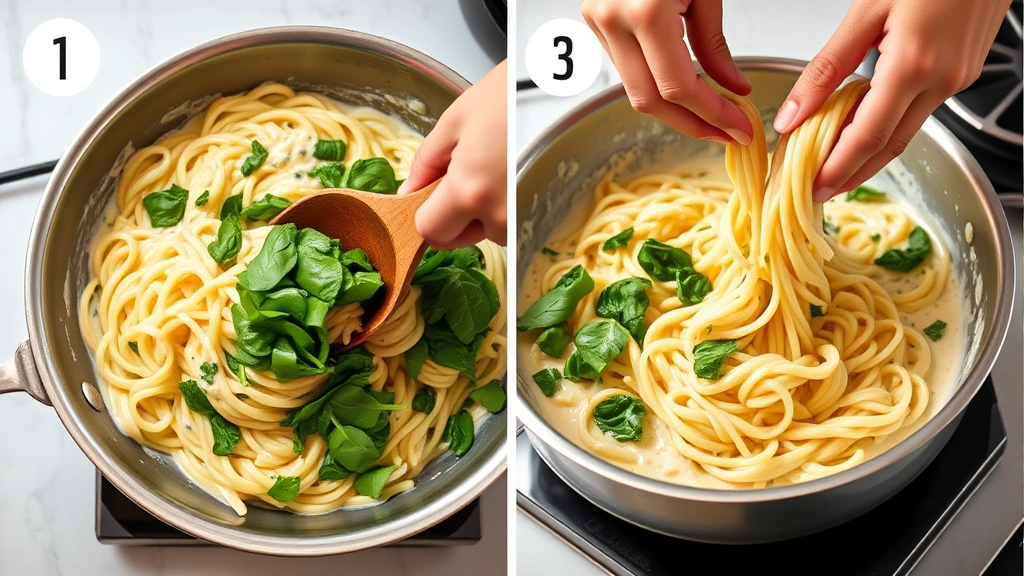
- Add the drained pasta to the skillet with tomatoes and garlic, tossing gently to combine.
- Pour the Greek yogurt mixture over the pasta and reduce heat to low.
- Gently toss the pasta, adding pasta water 2 tablespoons at a time until you reach desired sauce consistency, usually 3-4 tablespoons total.
- Add the fresh spinach and Italian seasoning, tossing until spinach wilts, about 1-2 minutes.
- Season with salt, black pepper, and red pepper flakes, tasting and adjusting as needed.
- Stir in the lemon zest and fresh basil, reserving some basil for garnish.
- Divide into four bowls and top with extra grated Parmesan cheese and fresh basil.
Serve immediately while warm, drizzling with additional olive oil if desired.
Pro Tips
Greek Yogurt Substitution: Full-fat Greek yogurt creates a richer sauce but adds more calories. Non-fat or 2% varieties work equally well and reduce the calorie count without sacrificing creaminess. For dairy-free options, use coconut yogurt or cashew cream.
Protein Powder Addition: Adding protein powder is entirely optional but recommended if you’re tracking macros. Unflavored varieties are most versatile, though vanilla can add subtle sweetness. Stir it in with the yogurt mixture to ensure it dissolves completely without lumps.
Vegetable Variations: This recipe is flexible with vegetables. Try adding zucchini, mushrooms, bell peppers, or broccoli. Heartier vegetables should be sautéed separately before adding to the sauce to ensure proper cooking.
Sauce Consistency: The sauce should coat the pasta like a light cream sauce. If it’s too thick, add more pasta water gradually. If too thin, add more Greek yogurt. The pasta will continue absorbing liquid as it sits, so slightly looser is better than too thick.
Pasta Water Magic: Never waste pasta water! This starchy liquid is essential for creating silky sauce that clings to pasta. It helps emulsify the yogurt and cheese, creating a more cohesive dish than if you added milk alone.
Cooking Temperature: Keep heat at medium or lower when combining pasta with the yogurt mixture. High heat can cause yogurt to break and become grainy. Low and slow is the way to create a smooth, creamy sauce.
Seasoning Strategy: Taste throughout cooking and adjust seasonings gradually. It’s easier to add more salt than to remove it. Remember that Parmesan cheese adds saltiness, so account for that when seasoning.
Meal Prep Instructions: This dish keeps refrigerated for 3-4 days in an airtight container. Reheat gently on the stovetop over low heat, adding a splash of milk or pasta water to restore creaminess. Avoid using a microwave, which can dry out the pasta.
Nutritional Information: Each serving provides approximately 38 grams protein, 45 grams carbohydrates, 12 grams fat, and 8 grams fiber. This makes it an ideal post-workout meal or balanced lunch option.
Lemon Enhancement: Fresh lemon zest brightens the dish without adding tartness. If you prefer more lemony flavor, add a small squeeze of fresh lemon juice at the end, tasting carefully to avoid overpowering other flavors.
Garlic Preference: If you love garlic, don’t hesitate to add more. Some cooks prefer 5-6 cloves for a more robust flavor profile. Conversely, reduce to 2-3 cloves if you’re sensitive to garlic taste.
Basil Substitution: While fresh basil is ideal, dried Italian herbs work fine if fresh isn’t available. Use about one-third the amount of dried herbs compared to fresh, as dried herbs are more concentrated.