
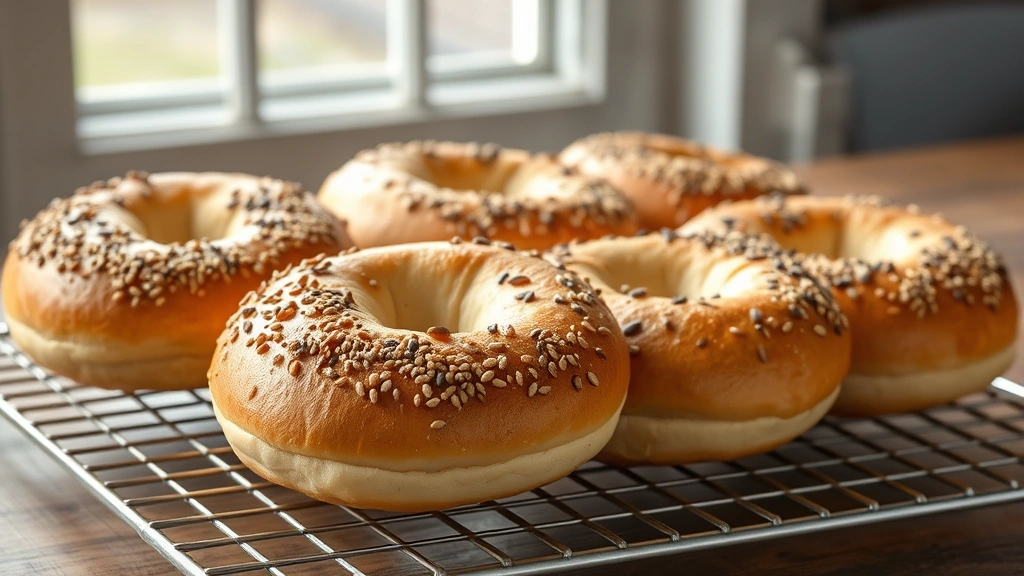
There’s something absolutely magical about pulling a warm, freshly boiled homemade bagel from your oven. The crispy exterior gives way to a chewy, dense interior that simply cannot be replicated by store-bought varieties. This homemade bagel recipe is surprisingly approachable for home bakers, and once you master the technique, you’ll never look back.
Making bagels at home is an exercise in patience and precision. The key to achieving that signature bagel texture lies in the boiling process, which gelatinizes the outside of the dough and creates that distinctive chewy crust. Unlike bread, bagels require this crucial step before baking, and it’s what truly separates homemade bagels from ordinary bread rolls.
I’ve been making these bagels for years, and I’ve refined this recipe to perfection. The dough is enriched with just enough egg and sugar to create that slightly sweet, tender crumb, while the high hydration level ensures maximum chewiness. The long fermentation period develops deep, complex flavors that make these bagels taste infinitely superior to anything you’d find in a grocery store.
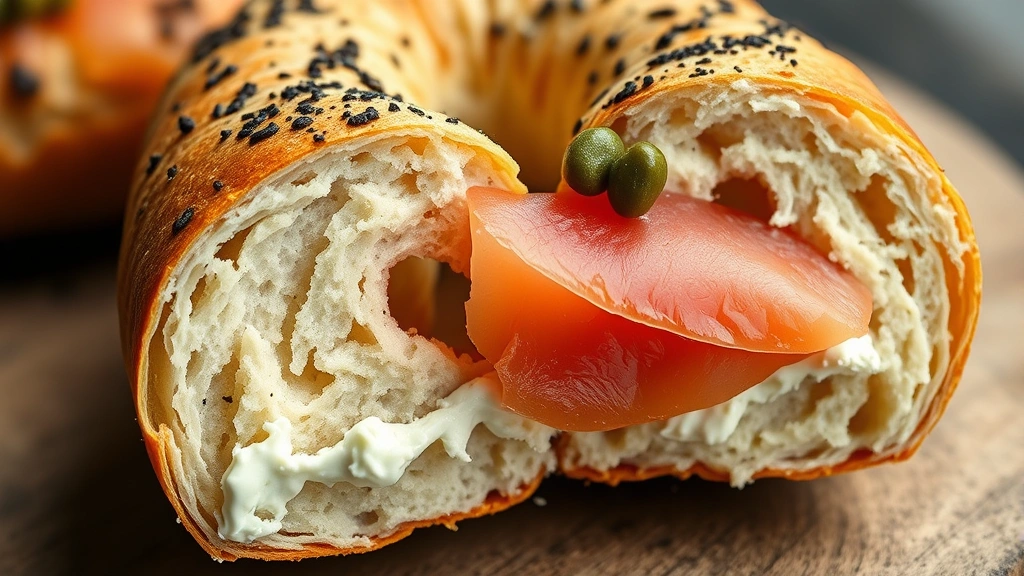
This recipe yields a dozen beautiful bagels that stay fresh for several days. You can top them with everything seasoning, sesame seeds, poppy seeds, or keep them plain for ultimate versatility. Whether you’re serving them fresh from the oven with cream cheese and lox, or toasting them the next morning with butter and jam, these homemade bagels will become a staple in your kitchen.
The beauty of this recipe is that it uses simple, pantry-staple ingredients that you likely already have on hand. There’s no special equipment required beyond a Dutch oven or large pot for boiling. Whether you’re an experienced bread baker or attempting your first yeast dough, this recipe is forgiving and delivers consistent, restaurant-quality results. For more guidance on bread-making techniques, check out this Quick Tasty Bacon Carbonara Recipe for complementary breakfast inspiration.
Once you’ve mastered basic bagels, you might want to explore creative topping combinations. The Easy Pickled Red Onion Recipe makes an excellent bagel topping that adds brightness and tang. For a heartier bagel sandwich, consider the Best Chickpea Salad Recipe as a plant-based protein option.
For expert techniques on dough preparation, Serious Eats’ bagel guide offers valuable insights. Additionally, Bon Appétit’s bagel recipe provides professional chef perspectives on bagel making. The New York Times bagel recipe is another excellent resource for traditional New York-style bagels.
Ingredients
- 500g (4 cups) all-purpose flour, plus extra for dusting
- 2 teaspoons salt
- 1 tablespoon sugar
- 1 teaspoon instant yeast
- 1 large egg
- 300ml (1.25 cups) lukewarm water
- 2 tablespoons honey (for boiling water)
- 1 tablespoon baking soda (for boiling water)
- Toppings: everything seasoning, sesame seeds, poppy seeds, or coarse salt as desired
- 1 egg white mixed with 1 tablespoon water (for egg wash)
Instructions
- In a large mixing bowl, combine 500g flour, 2 teaspoons salt, 1 tablespoon sugar, and 1 teaspoon instant yeast. Whisk these dry ingredients together thoroughly to distribute the yeast evenly.
- Create a well in the center of the dry ingredients and crack 1 large egg into it. Pour 300ml of lukewarm water around the egg.
- Using a wooden spoon or your hands, mix the ingredients together until a shaggy dough forms. The dough should be quite stiff and not sticky.
- Transfer the dough to a lightly floured work surface and knead for 8-10 minutes until smooth and elastic. The dough should be firmer than typical bread dough.
- Form the dough into a ball and place it in a lightly oiled bowl. Cover with plastic wrap or a damp kitchen towel.
- Let the dough rise at room temperature for 1 hour, or until it has increased in volume by about 50 percent. This is a slow rise, not a full doubling.
- Turn the dough out onto a lightly floured surface and gently press it down to release excess air. Divide the dough into 12 equal pieces using a bench scraper or knife.
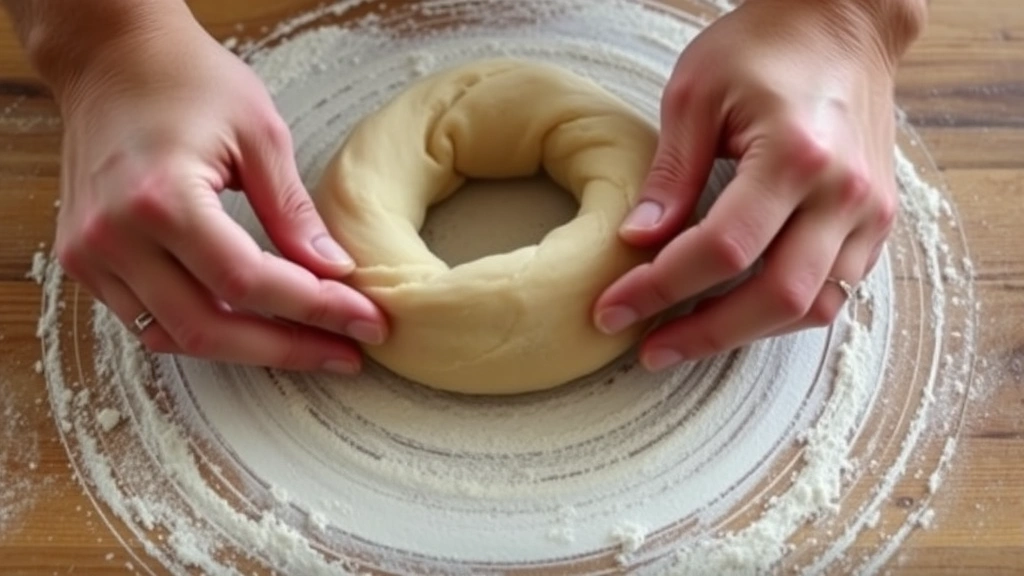
- Working with one piece at a time, roll it into a tight ball. Then, poke your thumb through the center and gently stretch the dough into a bagel shape with a hole approximately 2 inches in diameter. The bagel should look like a doughnut.
- Place each shaped bagel on a parchment paper-lined baking sheet, spacing them about 2 inches apart.
- Cover the bagels loosely with plastic wrap and refrigerate overnight, or for at least 12 hours. This long, cold fermentation develops flavor and makes the bagels easier to handle.
- The next day, remove the bagels from the refrigerator and let them sit at room temperature for 15-20 minutes.
- Preheat your oven to 425°F (220°C). Line a baking sheet with parchment paper and set aside.
- Fill a large pot or Dutch oven with 3-4 quarts of water and bring it to a boil. Add 2 tablespoons of honey and 1 tablespoon of baking soda to the boiling water.
- Working in batches of 3-4 bagels, carefully drop them into the boiling water. They should sink initially, then float to the surface.
- Boil each bagel for 1 minute on the first side, then flip and boil for another 30 seconds on the second side. Use a slotted spoon to remove them.
- Transfer the boiled bagels to the parchment paper-lined baking sheet. Repeat with remaining bagels.
- Brush each bagel with the egg white wash to create a shiny, professional appearance.
- Sprinkle your desired toppings immediately while the egg wash is still wet. Press gently so toppings adhere.
- Bake the bagels for 20-25 minutes until they are deep golden brown and sound hollow when tapped on the bottom.
- Transfer the bagels to a wire cooling rack and let them cool for at least 10 minutes before slicing and serving.
Pro Tips
Boiling Technique Matters: The boiling process is what distinguishes bagels from bread. The honey and baking soda in the water help develop that mahogany-brown crust. Don’t skip this step or reduce the boiling time, as this is crucial for proper texture.
Dough Consistency: Your dough should be much stiffer than bread dough. If it’s too wet, your bagels will spread during boiling. If it’s too dry, they’ll be dense and tough. The water content in this recipe is precisely calibrated for optimal results.
Topping Application: Apply toppings immediately after the egg wash while it’s still tacky. This helps everything adhere properly during baking. For everything bagels, use a generous amount of the seasoning blend.
Storage and Freezing: Homemade bagels stay fresh at room temperature for 2-3 days in an airtight container. For longer storage, slice them and freeze in a freezer bag for up to 3 months. Toast from frozen for best results.
Making Ahead: You can prepare the bagel dough through the shaping step, then refrigerate for up to 24 hours. This makes them perfect for preparing the night before a weekend breakfast.
Troubleshooting Dense Bagels: If your bagels turn out dense, you may have boiled them too long or the dough was too dry. Reduce boiling time slightly and ensure proper hydration next time.
Variations: Try everything bagels, sesame seed bagels, poppy seed bagels, or garlic and herb bagels. You can also add mix-ins like cinnamon raisins, chocolate chips, or jalapeños to the dough itself.
Standing Mixer Option: This recipe can be made in a stand mixer fitted with the dough hook. Mix on low speed for 5-6 minutes until the dough comes together.
Hydration Level: This recipe uses approximately 60 percent hydration, which is standard for bagels. Don’t be tempted to add extra water as this will result in spreading and loss of shape.
Pingback: How to make Easy White Chicken Chili with Corn Recipe! – Simple Recipe Finder