
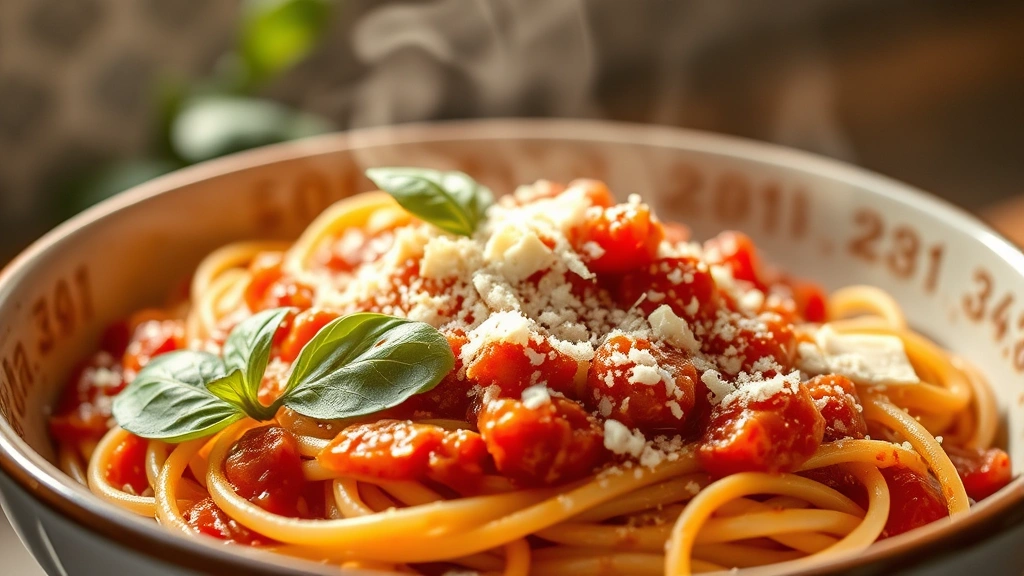
Italian Drunken Noodles are a show-stopping pasta dish that combines the best of Italian tradition with bold, boozy flavors. This recipe features al dente spaghetti tossed in a luscious sauce made with white wine, fresh tomatoes, garlic, and a generous splash of your favorite Italian wine. The alcohol cooks off, leaving behind a sophisticated depth of flavor that’s absolutely irresistible.
This dish is perfect for weeknight dinners when you want something that feels restaurant-quality but comes together in under 30 minutes. The beauty of drunken noodles lies in their simplicity—just a handful of quality ingredients transformed into something truly special. The wine-based sauce creates a silky coating for the pasta, while fresh basil and Pecorino Romano cheese add the finishing touches.
What makes this Italian version different from its Thai counterparts is the emphasis on wine and tomatoes rather than spice and heat. The result is an elegant, comforting dish that tastes like you spent hours in the kitchen when you really only spent a fraction of that time. Whether you’re cooking for a casual weeknight or impressing guests, this Italian drunken noodles recipe delivers.
The key to success is using quality ingredients—good pasta, fresh garlic, San Marzano tomatoes, and a wine you’d actually enjoy drinking. Don’t be shy with the seasoning, and remember that the sauce should be silky and coat each strand of pasta beautifully. This recipe serves four as a main course, though it can easily be doubled for larger gatherings.
For more sophisticated pasta inspiration, check out our guide to creating restaurant-quality sauces at home. And if you’re planning a complete Italian dinner, pair this with a fresh salad or garlic bread for the ultimate meal. The versatility of this recipe means you can adjust the wine type or add proteins like shrimp or pancetta based on your preferences.
For wine pairings and cooking techniques, Bon Appétit offers excellent guidance on wine-based pasta dishes. The technique of finishing pasta in the sauce—rather than simply tossing it in—is crucial for achieving that signature drunken noodles texture. This method allows the pasta to absorb the flavors while releasing its starch, creating a naturally creamy sauce without any cream.
Italian cooking is all about respecting the ingredients and letting them shine, and drunken noodles are no exception. Once you master this recipe, you’ll find yourself making it regularly. It’s comfort food elevated, the kind of dish that makes ordinary evenings feel special.
Ingredients
- 1 pound spaghetti or linguine
- 2 cups dry white wine (Pinot Grigio or Sauvignon Blanc)
- 1 can (28 ounces) San Marzano tomatoes, crushed by hand
- 6 cloves garlic, minced
- 1/4 cup extra virgin olive oil
- 1/2 teaspoon red pepper flakes (optional)
- 1 teaspoon kosher salt, plus more to taste
- 1/2 teaspoon freshly ground black pepper
- Fresh basil leaves, torn
- 1/2 cup freshly grated Pecorino Romano cheese
- 2 tablespoons fresh parsley, chopped
- Zest of 1 lemon (optional but recommended)
- 2 tablespoons unsalted butter

Instructions
- Bring a large pot of salted water to a rolling boil. The water should taste like the sea—this is your only opportunity to properly season the pasta.
- While the water heats, pour the white wine into a large skillet and bring it to a simmer over medium heat. Let it reduce by about half, which will take approximately 5-7 minutes. This concentrates the wine flavor and cooks off some of the harsh alcohol bite.
- Add the minced garlic to the reduced wine and cook for 1-2 minutes until fragrant, stirring constantly. Be careful not to let the garlic brown, as this will make the sauce bitter.
- Pour in the crushed San Marzano tomatoes along with their juices. Add the red pepper flakes if using, salt, and black pepper. Stir well to combine.
- Reduce the heat to medium-low and let the sauce simmer gently. You want small bubbles breaking the surface, not a vigorous boil. This gentle simmer allows the flavors to meld beautifully. Simmer for 10-12 minutes while you cook the pasta.
- Once the water is boiling, add the spaghetti and cook according to package directions until al dente—usually about 9-11 minutes. The pasta should have a slight firmness when you bite into it.
- Reserve 2 cups of pasta cooking water before draining the pasta. This starchy water is liquid gold for finishing your sauce.
- Add the drained pasta directly to the simmering sauce in the skillet. This is crucial—adding the hot pasta to the hot sauce allows them to marry together.
- Toss the pasta and sauce together, adding pasta water a quarter cup at a time until you reach your desired consistency. The sauce should coat the noodles beautifully without pooling at the bottom of the pan. Start with half a cup and adjust from there.
- Stir in the butter and fresh basil, tossing constantly for about 2 minutes. The butter will add richness and help create a silky sauce.
- Taste and adjust seasoning with additional salt and pepper as needed. Remember that the Pecorino Romano will add saltiness, so be conservative.
- Divide the pasta among four bowls or plates. Top each serving generously with freshly grated Pecorino Romano, fresh parsley, and a sprinkle of lemon zest if desired.
- Serve immediately while the pasta is hot and the sauce is coating each strand beautifully. This dish is best enjoyed right away.
Pro Tips
Pasta Selection: While spaghetti is traditional, linguine, fettuccine, or even bucatini work wonderfully. Avoid shapes with holes or ridges as they don’t hold sauce as elegantly.
Tomato Quality Matters: San Marzano tomatoes are worth seeking out—their lower acidity and sweeter flavor profile make a noticeable difference. If you can’t find them, use high-quality crushed tomatoes from a reputable brand.
Garlic Technique: Mince your garlic finely rather than using a garlic press. Finely minced garlic distributes more evenly throughout the sauce and creates better flavor distribution.
Wine Reduction: Don’t skip this step. Reducing the wine concentrates its flavors and mellows the harsh alcohol bite, creating a more sophisticated sauce.
Pasta Water Magic: The starch in pasta water acts as a natural emulsifier, helping create a silky sauce without any cream. Always reserve it before draining.
Finishing in the Sauce: This technique is essential for authentic Italian pasta. The hot pasta releases its starch into the sauce, creating a creamy coating without added cream.
Basil Timing: Add fresh basil at the very end of cooking to preserve its delicate flavor and vibrant color. Basil cooked too long becomes bitter and loses its aromatic qualities.
Cheese Considerations: Pecorino Romano is sharper and more assertive than Parmigiano-Reggiano, making it ideal for this robust sauce. However, you can substitute Parmigiano if preferred.
Making It Ahead: You can prepare the sauce up to 2 hours in advance. Reheat gently before adding the cooked pasta. Don’t cook the pasta until you’re ready to serve.
Protein Additions: This dish is excellent with additions like sautéed shrimp, pan-seared scallops, or crispy pancetta. Add these before the pasta and sauce combine.
Lemon Zest: This bright addition cuts through the richness of the sauce and adds complexity. It’s optional but highly recommended.
Serving Temperature: Serve in warmed bowls to keep the pasta hot longer. Cold plates will cause the sauce to thicken and congeal.