
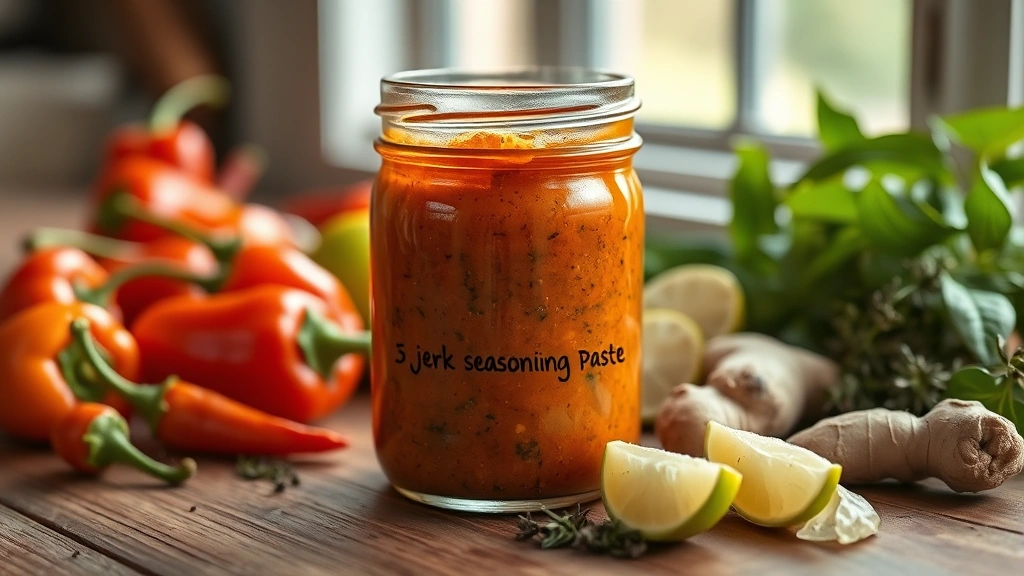
There’s nothing quite like the bold, vibrant flavors of authentic Jamaican jerk seasoning! This incredible spice blend is the heart and soul of Caribbean cuisine, bringing together warm spices, aromatic herbs, and just the right amount of heat. Whether you’re planning to marinate chicken, pork, fish, or even vegetables, homemade jerk seasoning will absolutely transform your dishes into something restaurant-worthy.
I’ve been making this recipe for years, and let me tell you—once you start blending your own jerk seasoning at home, you’ll never go back to store-bought versions. The beauty of this recipe is that you control every single ingredient, which means you can adjust the heat level to your preference and ensure you’re using the freshest, highest-quality spices possible.
The foundation of great jerk seasoning starts with Scotch bonnet peppers, which are the traditional choice for authentic Jamaican flavor. These beauties pack serious heat, but they also bring a fruity, slightly floral note that’s absolutely essential to the profile. Combined with warm spices like cinnamon, nutmeg, and allspice (which is actually native to Jamaica!), fresh thyme, ginger, and garlic, you create a seasoning that’s complex, layered, and utterly addictive.
What I love most about making jerk seasoning from scratch is the control it gives you. You can make it as spicy or as mild as you’d like by adjusting the number of Scotch bonnet peppers. You can also decide whether you prefer it as a dry rub or a wet paste—both work beautifully depending on what you’re cooking. This recipe makes enough to use immediately and store for future cooking adventures, which is always a win in my book.
If you’re looking to expand your spice collection and explore more bold, flavorful seasonings, be sure to check out my Best Shishito Peppers Recipe for another fantastic way to use fresh peppers in your cooking. And if you’re planning a seafood dinner, my Best Garlic Shrimp Scampi Recipe pairs beautifully with jerk-seasoned sides.
Let me walk you through the process of creating this magic in your own kitchen. Once you taste the difference that fresh, homemade jerk seasoning makes, you’ll be making it regularly. It’s truly one of those game-changing recipes that elevates your entire cooking repertoire. For more information on Caribbean cooking techniques and flavor profiles, check out Serious Eats, which has excellent resources on global spice blends and seasoning applications.
Ingredients
- 4-6 Scotch bonnet peppers, seeded and roughly chopped (adjust based on heat preference)
- 6 green onions, roughly chopped
- 1/4 cup fresh thyme leaves (or 2 tablespoons dried)
- 3 tablespoons fresh ginger, peeled and chopped
- 6 cloves garlic, minced
- 2 tablespoons allspice berries (or 1 tablespoon ground allspice)
- 1 teaspoon ground cinnamon
- 1/2 teaspoon freshly grated nutmeg
- 1/4 teaspoon ground cloves
- 2 tablespoons soy sauce
- 2 tablespoons lime juice (about 1-2 limes)
- 2 tablespoons olive oil
- 1 tablespoon brown sugar
- 1 teaspoon salt
- 1/2 teaspoon black pepper
Instructions
- If using whole allspice berries, toast them in a dry skillet over medium heat for 2-3 minutes, stirring frequently until fragrant. This step brings out the oils and deepens the flavor. Transfer to a spice grinder or mortar and pestle and grind into a fine powder. If using pre-ground allspice, skip this step.
- Add the chopped Scotch bonnet peppers to a food processor. Pulse several times until they’re broken down into smaller pieces. Be careful not to breathe in the fumes from the peppers, as they can irritate your eyes and lungs—if you have sensitive skin, consider wearing gloves.
- Add the chopped green onions, fresh thyme leaves, chopped ginger, and minced garlic to the food processor with the peppers. Pulse until everything is combined and finely chopped, stopping to scrape down the sides of the bowl as needed.
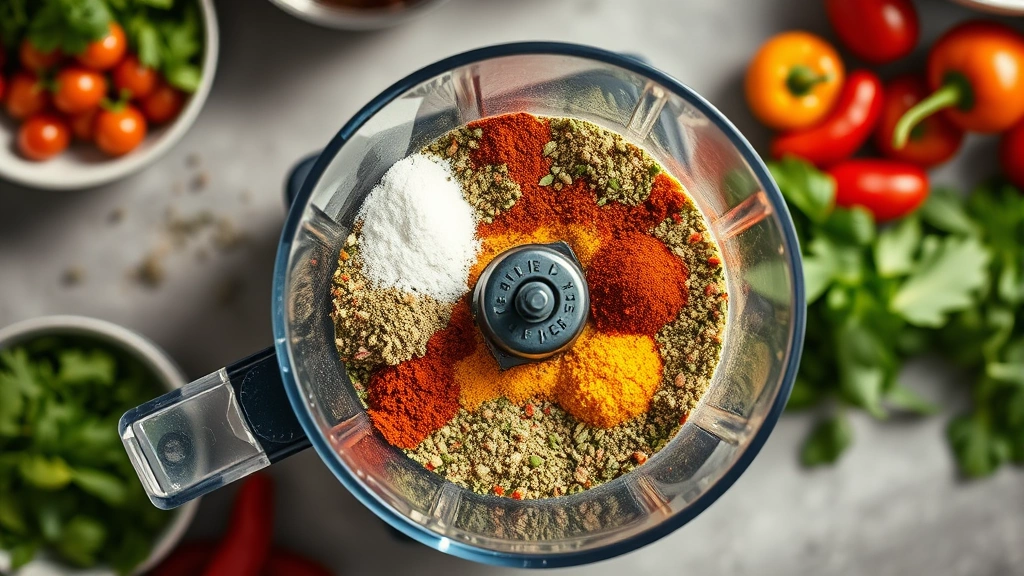
- Add the ground allspice (or freshly ground if you toasted whole berries), cinnamon, nutmeg, and cloves to the food processor. Pulse to combine all the spices evenly throughout the mixture.
- Add the soy sauce, lime juice, olive oil, brown sugar, salt, and black pepper to the food processor. Pulse everything together until you reach your desired consistency. For a wet paste (which I prefer for marinating), process until relatively smooth. For a drier seasoning rub, pulse just until combined but still a bit chunky.
- Taste a tiny amount carefully on the tip of your finger (remember, it’s very spicy!) and adjust seasonings as needed. Add more salt, lime juice, or brown sugar to your preference. If you want it spicier, you can add more hot sauce or minced Scotch bonnet. If it’s too hot, add a bit more olive oil or soy sauce to mellow it out.
- Transfer your jerk seasoning to a clean glass jar with an airtight lid. Store in the refrigerator for up to 2 weeks, or freeze in ice cube trays for longer storage. This makes it easy to grab individual portions whenever you need them.
Pro Tips
- Scotch bonnet peppers are the authentic choice for Jamaican jerk seasoning, but if you can’t find them, habanero peppers are a good substitute. They’re slightly milder but still bring excellent heat and flavor.
- The amount of heat in this recipe depends largely on how many peppers you use and whether you include the seeds. For a milder version, use fewer peppers and remove all the seeds. For maximum heat, include the seeds and use the full amount of peppers.
- If you don’t have fresh thyme, you can absolutely use dried thyme. The ratio is typically 1 tablespoon fresh equals about 1 teaspoon dried, but I’d use 1 tablespoon dried thyme in this recipe for deeper flavor.
- This seasoning works wonderfully as either a wet paste for marinating or a dry rub. As a paste, it’s perfect for coating chicken, pork, or seafood before grilling or baking. As a dry rub, simply let the paste dry out slightly or pulse it less to create a chunkier texture.
- To use this seasoning, coat your protein generously and let it marinate for at least 2 hours, but ideally overnight. The longer it sits, the more the flavors penetrate the meat.
- You can also use this seasoning as a finishing rub—sprinkle it on roasted vegetables, add it to soups and stews, or even use it to season rice and beans for an authentic Caribbean experience.
- Store-bought jerk seasoning often contains unnecessary additives and preservatives. Making your own ensures you know exactly what’s going into your food and allows you to customize the heat level and ingredient quality.
- This recipe makes a generous batch, perfect for using immediately and having extras on hand. It’s also wonderful to make ahead and gift to friends and family who love bold, flavorful cooking.
- Fresh lime juice makes a significant difference in this recipe—bottled lime juice just doesn’t have the same brightness and complexity. Take the time to squeeze fresh limes if possible.
- Green onions (also called scallions) add a subtle onion flavor that complements the other ingredients beautifully. Don’t skip them, as they’re an important part of the authentic flavor profile.