
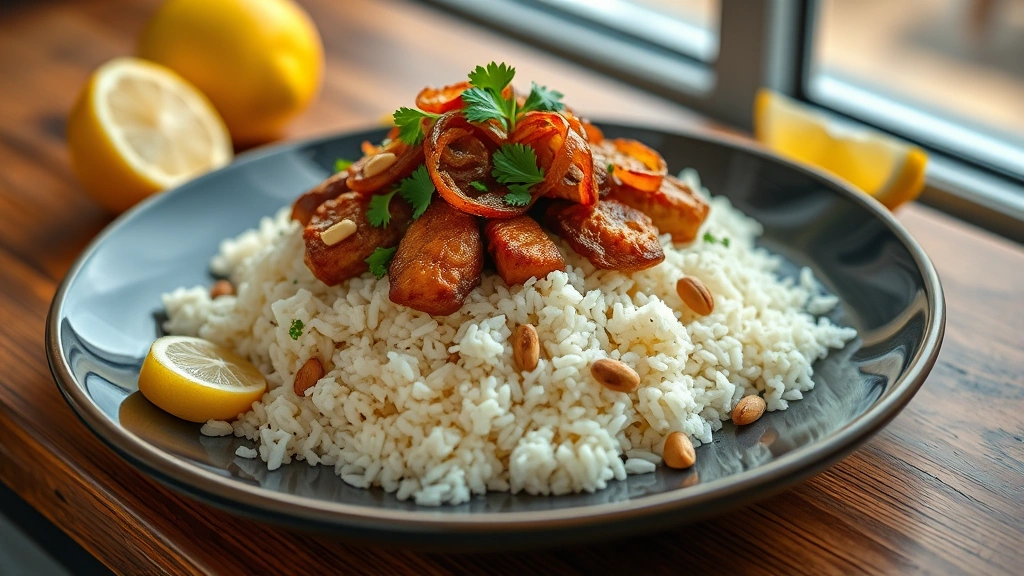
Kabsa is a beloved Saudi Arabian rice dish that combines fragrant basmati rice with tender, spiced meat and a medley of aromatic vegetables. This show-stopping one-pot meal is perfect for feeding a crowd or impressing dinner guests with authentic Middle Eastern flavors. What makes kabsa so special is the way the rice absorbs all the savory spices and meat juices, creating layers of complex, deeply satisfying flavors in every bite.
The beauty of this traditional Middle Eastern dish lies in its simplicity and the quality of ingredients you use. Unlike some rice dishes that can feel heavy, kabsa strikes a perfect balance between the fluffy rice, tender meat, and perfectly caramelized vegetables. The spice blend—featuring cumin, coriander, cinnamon, and bay leaves—creates an aromatic base that’s incredibly inviting without being overpowering.
What I love most about making kabsa at home is that it’s surprisingly quick and easy, especially when you understand the technique. The key is properly browning your meat to develop deep flavors, toasting your spices to awaken their aromatics, and using the right ratio of broth to rice. This recipe serves 6-8 people generously, making it ideal for family dinners or entertaining.
If you’re new to Middle Eastern cuisine, this is the perfect dish to start with. The warm spices and comforting rice appeal to almost everyone’s palate. Plus, you can customize it based on your protein preference—chicken, lamb, beef, or even shrimp all work beautifully. For a vegetarian version, substitute the meat with hearty vegetables like mushrooms and cauliflower.
The technique for building flavor is crucial here. We start by blooming our spices in oil, which helps release their essential oils and creates a fragrant base. Then we brown the meat properly—this step shouldn’t be rushed, as it develops the fond that will flavor your rice. The layering of flavors reminds me of how good cooking works across all cuisines: each step builds upon the last.
Serving kabsa is an experience in itself. Traditionally, it’s served on a large platter with the rice as the base, topped with the meat and vegetables, and garnished with fresh herbs and fried onions. You can serve it with grilled vegetables on the side, along with fresh yogurt and lemon wedges for brightness. The contrast of warm spiced rice with cool, tangy accompaniments is absolutely divine.
For best results, use basmati rice—its long grains and delicate flavor are specifically suited for this dish. You can find it at any grocery store, and it’s worth seeking out for this recipe. If you’re looking for more rice pilaf inspiration, this kabsa technique is a foundation you can apply to other rice dishes as well.
The total cook time is about 45 minutes from start to finish, though most of that is passive cooking time while the rice steams. It’s the perfect weeknight dinner that feels fancy enough for company. Once you master this recipe, you’ll find yourself making it regularly—it’s just that good, and your family will be asking for it constantly!
Don’t be intimidated by the ingredient list—most of these are pantry staples or items you can find at your local grocery store. The warm spices create an unforgettable aroma that will have everyone in your kitchen wondering what delicious thing you’re making. Trust me, once you try homemade kabsa, you’ll never look at rice the same way again.
Ingredients
- 3 pounds chicken thighs or lamb shoulder, cut into 2-inch chunks
- 3 cups basmati rice
- 5 cups chicken or beef broth
- 2 large onions, sliced into thin rings
- 4 tablespoons vegetable oil, divided
- 2 teaspoons ground cumin
- 1½ teaspoons ground coriander
- 1 teaspoon ground cinnamon
- ½ teaspoon ground cloves
- ¼ teaspoon ground cardamom
- 3 bay leaves
- 6 cloves garlic, minced
- 2 tablespoons tomato paste
- 1 cup carrots, julienned or cut into thin matchsticks
- 1 cup green peas (fresh or frozen)
- 1 teaspoon salt, plus more to taste
- ½ teaspoon black pepper
- ½ cup raisins or sultanas
- ¼ cup roasted almonds or pine nuts, optional
- Fresh cilantro for garnish
- Lemon wedges for serving
Instructions
- Heat 2 tablespoons of oil in a large, heavy-bottomed pot or Dutch oven over medium-high heat until shimmering and hot.
- Add the sliced onions and cook, stirring occasionally, for 8-10 minutes until deeply caramelized and golden brown—this develops the base flavor of your dish, so don’t rush this step.
- Transfer the caramelized onions to a small bowl and set aside, leaving about 2 tablespoons in the pot.
- Add the remaining 2 tablespoons of oil to the pot and increase heat to high.
- Working in batches if necessary to avoid crowding, add the chicken or lamb chunks and brown on all sides for 8-10 minutes total, developing a deep golden-brown crust—this creates the flavorful fond that will season your rice.
- Once all meat is browned and returned to the pot, reduce heat to medium and add the minced garlic, cooking for 1 minute until fragrant.
- Add the tomato paste and stir well, coating all the meat, and cook for 2 minutes to caramelize slightly.
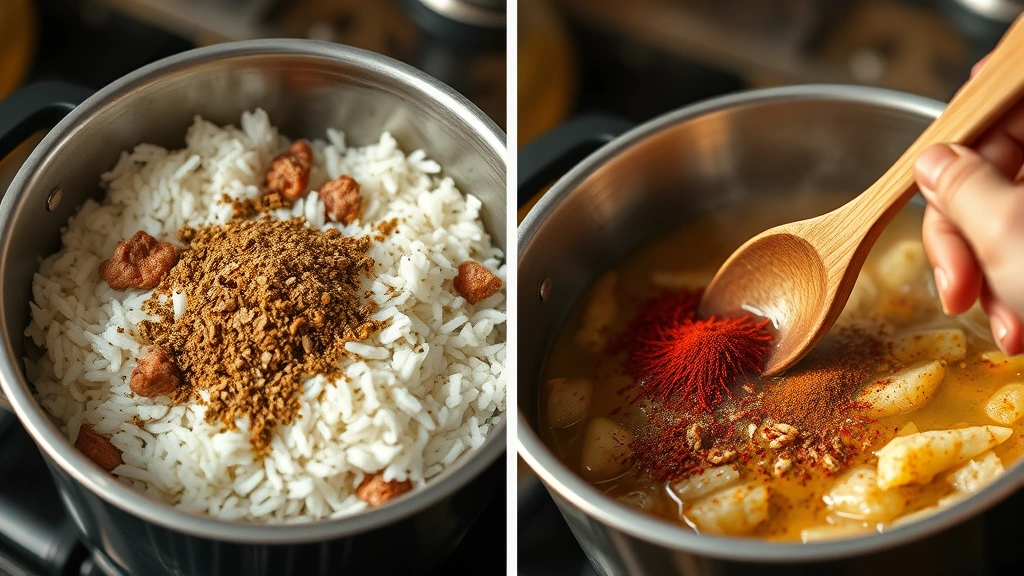
- In a small bowl, combine the cumin, coriander, cinnamon, cloves, and cardamom, then add this spice mixture to the pot.
- Stir constantly for 1-2 minutes, allowing the spices to bloom and release their essential oils into the oil—your kitchen should smell absolutely amazing at this point.
- Add the broth to the pot, scraping up any flavorful brown bits from the bottom, and bring to a boil over high heat.
- Add the bay leaves, season with salt and pepper, then reduce heat to medium and simmer for 15 minutes, allowing the meat to begin tenderizing.
- While the meat is simmering, rinse the basmati rice under cold running water in a fine-mesh strainer, stirring gently with your fingers for about 2-3 minutes until the water runs mostly clear—this removes excess starch and helps the grains cook separately.
- After the meat has simmered for 15 minutes, add the rinsed rice to the pot, stirring gently to combine with the broth and meat.
- Bring the mixture back to a boil over high heat, then immediately reduce heat to the lowest setting and cover the pot with a tight-fitting lid.
- Cook undisturbed for 18-20 minutes—do not lift the lid during this time, as this allows the rice to steam properly and absorb all the flavorful liquid.
- While the rice is cooking, heat 1 tablespoon of oil in a skillet over medium heat and add the carrots, cooking for 3-4 minutes until slightly tender.
- Add the peas and raisins to the skillet, cooking for another 2 minutes, then set aside.
- After 18-20 minutes, carefully remove the pot from heat and let it rest, covered, for 5 minutes—this allows the rice to finish steaming gently.
- Remove the lid carefully and fluff the rice gently with a fork, being careful not to break the grains.
- Transfer the kabsa to a large serving platter, arranging the rice as the base with the meat on top.
- Top with the reserved caramelized onions, then the carrots, peas, and raisins mixture.
- Garnish generously with fresh cilantro and roasted almonds or pine nuts if using.
- Serve immediately while hot, with fresh lemon wedges on the side for squeezing over each portion.
Pro Tips
- **Meat Selection**: While this recipe uses chicken thighs, you can substitute lamb shoulder for a more traditional version, or use beef chuck cut into chunks. Thighs and shoulders work best because they stay moist during cooking, unlike leaner cuts.
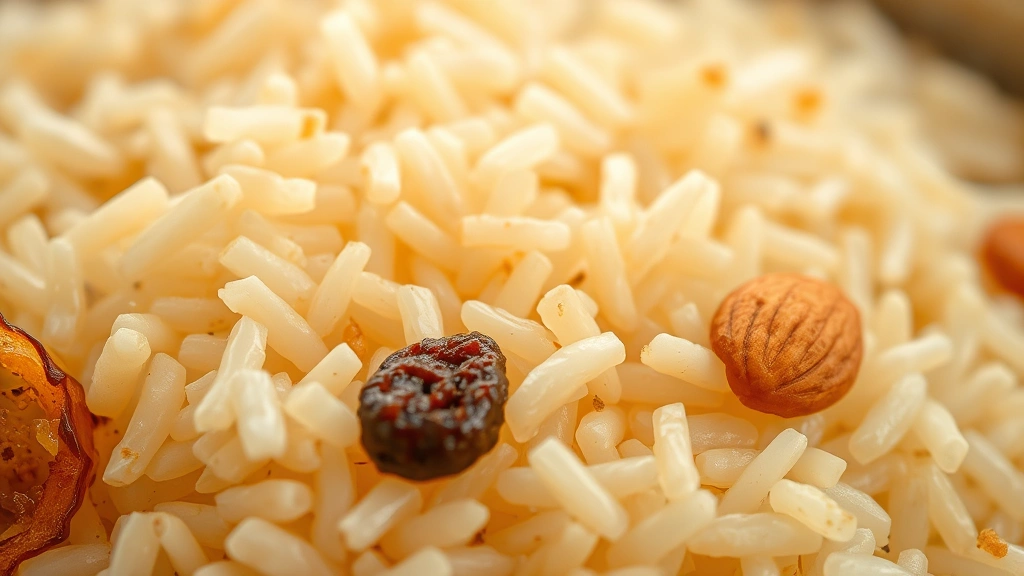
- **Rice Matters**: Don’t skip the rinsing step for the rice—it’s essential for achieving those separate, fluffy grains rather than a mushy texture. Basmati rice is specifically bred for this dish’s requirements.
- **Spice Ratios**: These measurements create a balanced, not-too-spicy version. If you prefer more intense spice flavors, increase each spice by ¼ teaspoon, but taste as you go.
- **Broth Temperature**: Using room-temperature broth helps the cooking time stay consistent. Very cold broth can extend cooking time significantly.
- **Don’t Peek**: This is crucial—opening the lid during the steaming process releases steam and can result in unevenly cooked rice. Trust the process and resist the urge to check.
- **Make Ahead**: You can prepare all components up to the point of adding the rice several hours ahead. Store the meat mixture covered in the refrigerator, then reheat gently before adding the rice and proceeding.
- **Vegetarian Version**: Replace meat with 2 pounds of cremini mushrooms (quartered) and 1 head of cauliflower (cut into florets). Reduce broth to 4½ cups and use vegetable broth instead. Follow the same technique, reducing the initial browning time to 5 minutes.
- **Serving Suggestions**: Serve with cucumber-tomato salad, plain yogurt, and fresh pita bread. A simple green salad with lemon dressing provides nice freshness against the warm spices.
- **Leftovers**: Kabsa reheats beautifully. Store covered in the refrigerator for up to 3 days. Reheat gently in a pot with a splash of water or broth over medium heat, or use in fried rice the next day.
- **Nuts and Garnishes**: Pine nuts are traditional but expensive; almonds work wonderfully and cost less. You can toast your own nuts by cooking them in a dry skillet over medium heat for 3-4 minutes, shaking frequently.
- **Spice Freshness**: Check your ground spices—if they’re older than 6 months, they may have lost potency. Fresh spices make a noticeable difference in the final flavor.
- **Vegetable Variations**: While carrots and peas are traditional, you can add diced bell peppers, green beans, or corn to the vegetable mixture based on preference and availability.