
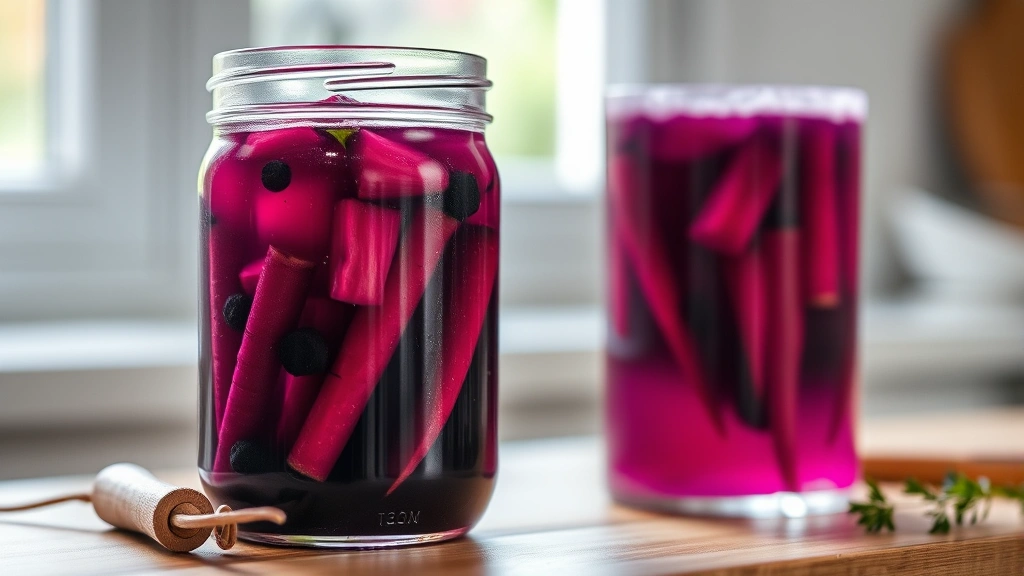
Kanji is a traditional Indian fermented drink that’s been cherished for centuries, and making it at home is easier than you might think! This vibrant, tangy beverage is packed with probiotics and serves as a wonderful digestive aid. The beauty of this kanji recipe lies in its simplicity—you need just a few basic ingredients and a little patience as fermentation works its magic.
This traditional drink gets its deep purple color from black carrots and its signature tanginess from the fermentation process. If you’re looking to explore more probiotic-rich recipes, you might also enjoy making easy pickled red onions or trying best chickpea salad as accompaniments.
What makes kanji so special is that it requires minimal ingredients but maximum flavor. The fermentation process transforms simple carrots, spices, and salt into a complex, deeply satisfying beverage. This ancient recipe has been passed down through generations in Indian households, and it’s the perfect addition to your wellness routine. Whether you’re new to fermented foods or a seasoned enthusiast, this kanji recipe will become a staple in your kitchen.
The process is wonderfully straightforward: you’ll combine black carrots with spices, salt, and water, then let time and beneficial bacteria do all the work. After just a few days, you’ll have a refreshing, tangy drink that’s ready to serve. Many people enjoy kanji as a digestive tonic, sipping it before or after meals. For those interested in bold flavors, kanji’s complexity rivals any traditional recipe.
Making kanji at home ensures you know exactly what goes into your drink—no preservatives, no additives, just pure fermented goodness. This kanji recipe is vegan, gluten-free, and naturally probiotic, making it suitable for almost any dietary preference. The beauty of homemade kanji is that you can adjust the spices to your taste preference, creating a personalized version that suits your palate perfectly. While alfredo sauce offers richness, kanji provides refreshing complexity.
Once you’ve made your first batch, you’ll understand why this fermented beverage has remained popular for so long. The investment of time is minimal—mostly just waiting—while the rewards are substantial. Your gut health will thank you, and your taste buds will celebrate the complex, tangy flavors that develop during fermentation. This kanji recipe is truly the best way to experience this traditional Indian drink at home.
For more detailed information on fermentation techniques, check out Serious Eats fermentation guides and Bon Appétit’s fermented food collection. You can also explore New York Times Cooking fermented recipes for additional inspiration on probiotic-rich foods and beverages.
Ingredients
- 4-5 medium black carrots, cut into quarters
- 1 tablespoon black mustard seeds
- 1 tablespoon fenugreek seeds (methi)
- 4-5 dried red chilies
- 1-inch piece of ginger, sliced
- 2 tablespoons sea salt or rock salt
- 1 teaspoon turmeric powder
- ½ teaspoon asafoetida (hing)
- 8 cups filtered water at room temperature
- 1 glass jar (at least 2-liter capacity) with a wide mouth
- Cheesecloth or cotton cloth for covering
- String or rubber band
Instructions
- Wash the black carrots thoroughly under running water and pat them dry with a clean kitchen towel. This step is crucial to remove any dirt or debris that might interfere with the fermentation process.
- Cut the carrots into quarters or chunks, leaving the skin intact since this contains beneficial bacteria that will aid in fermentation. Place the cut carrots into your large glass jar.
- Add the black mustard seeds, fenugreek seeds, dried red chilies, and sliced ginger directly to the jar with the carrots. These spices will infuse the kanji with their distinctive flavors during fermentation.
- Sprinkle the sea salt, turmeric powder, and asafoetida over the mixture in the jar. These ingredients not only add flavor but also help preserve the kanji and promote the fermentation process.
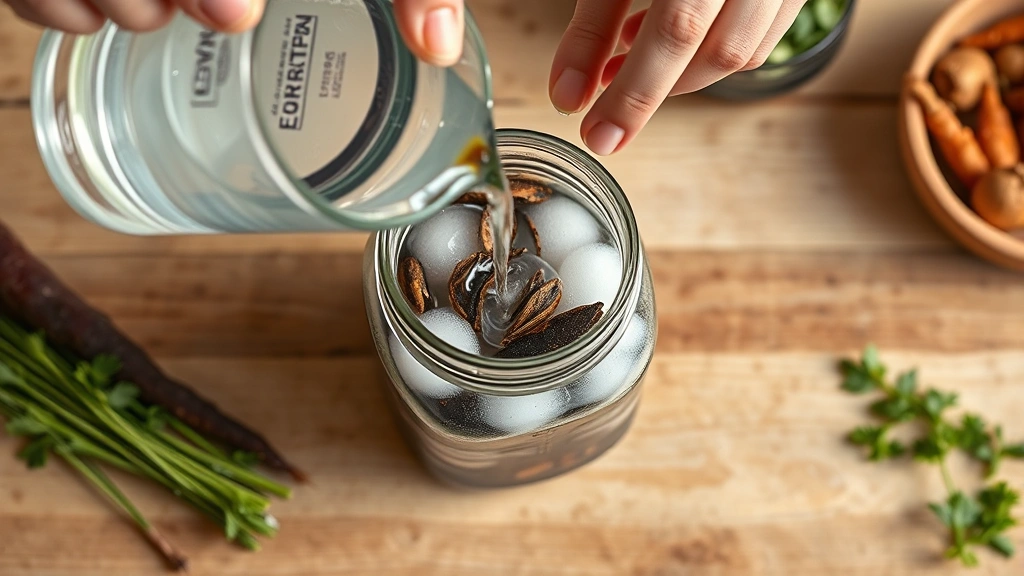
- Pour the filtered room-temperature water over all the ingredients in the jar, ensuring everything is completely submerged. Stir gently with a wooden spoon or clean utensil to distribute the salt and spices evenly.
- Cover the jar with cheesecloth or a clean cotton cloth and secure it with string or a rubber band. The cloth allows air circulation necessary for fermentation while preventing dust and debris from entering.
- Place the jar in a warm location away from direct sunlight, such as a kitchen counter, pantry, or cupboard. The ideal fermentation temperature is between 65-75°F (18-24°C). Avoid placing it near heat sources or in direct sunlight.
- Let the kanji ferment undisturbed for 3-4 days. During this time, the beneficial bacteria will multiply and create the characteristic tangy flavor. You may notice some bubbles forming—this is normal and indicates active fermentation.
- After 3-4 days, taste the kanji by removing a small amount with a clean spoon. It should taste tangy and have a pleasant sourness. If you prefer it more sour, allow it to ferment for 1-3 additional days.
- Once the kanji reaches your desired level of tanginess, strain the liquid through a fine-mesh sieve into a clean glass bottle or storage container, discarding the solids or using them for cooking.
- Transfer the strained kanji to glass bottles with tight-fitting lids and refrigerate. The cold temperature will slow down fermentation, preserving the kanji for up to 2-3 weeks.
- Before serving, give the bottle a gentle shake to distribute any settled particles. Pour the kanji into small glasses and serve chilled as a digestive tonic, typically in 2-3 ounce portions before meals.

Pro Tips
- Kanji is a traditional Indian fermented beverage that’s been used for centuries as a digestive aid and probiotic supplement. The fermentation process creates beneficial bacteria that support gut health and digestion.
- Black carrots are the traditional choice for kanji, providing the drink’s distinctive deep purple color. If black carrots aren’t available, regular purple or orange carrots can be substituted, though the color and flavor will be slightly different.
- The fermentation timeline depends on room temperature and your taste preference. Warmer environments ferment faster (3-4 days), while cooler rooms may require 5-7 days. Always taste-test before deciding it’s ready.
- For the best fermentation results, use filtered or boiled water that has cooled to room temperature. Chlorinated tap water can interfere with the fermentation process by killing beneficial bacteria.
- Rock salt or sea salt is preferred over iodized table salt, as iodine can inhibit fermentation. The salt serves both as a preservative and as a medium for beneficial bacteria to thrive.
- You can customize your kanji by adjusting the spices to your preference. Some people add more ginger for a spicier kick, while others reduce the chilies for a milder version.
- The vegetables left after straining shouldn’t be discarded—they make an excellent addition to curries, pickles, or can be blended into soups for added flavor and probiotics.
- Store finished kanji in glass bottles only, never plastic, as the acidity can leach chemicals from plastic. Glass containers also allow you to monitor the liquid level and appearance.
- If white mold appears on the surface of your fermenting kanji, skim it off carefully. If mold appears below the surface or if the kanji smells foul, discard the entire batch as it indicates contamination.
- Kanji is typically consumed in small quantities—about 2-3 ounces per day—as a digestive tonic. It can be served chilled straight or diluted with water for a less intense flavor.
- The fermented kanji will continue to develop flavor over time in the refrigerator. Many enthusiasts find it reaches peak flavor after 1-2 weeks of refrigeration.
- For beginners, starting with this simple kanji recipe ensures success. Once comfortable with the basic process, you can experiment with additional spices or ingredients.