
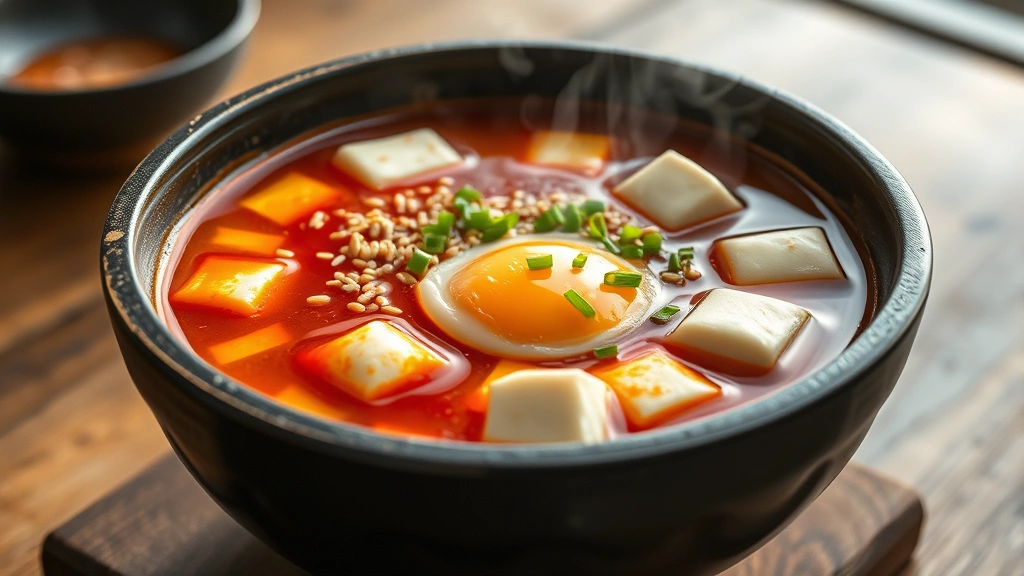
There’s something truly magical about a steaming bowl of Korean tofu soup that warms you from the inside out. This silky, comforting dish—known as sundubu-jjigae when made with soft tofu—is a beloved staple in Korean cuisine that’s surprisingly simple to master at home. What makes this recipe so special is the deeply savory broth infused with gochugaru (Korean red chili flakes), garlic, and anchovy umami that creates an addictive flavor profile you’ll crave again and again.
I’ve perfected this recipe over years of cooking, and I’m thrilled to share my secrets for achieving restaurant-quality results in your own kitchen. The key to the best Korean tofu soup lies in building a flavorful base broth, selecting the right type of tofu, and understanding the balance of spice and savory elements. Whether you’re a seasoned cook or a complete beginner, this recipe is forgiving and absolutely foolproof.
This dish is incredibly versatile and can be customized to your preferences. Some versions include seafood like shrimp or clams, while others feature ground beef or pork. Turkey breakfast sausage can even be adapted into this recipe for a protein-rich variation. The beauty of Korean tofu soup is that it comes together in under 30 minutes, making it perfect for weeknight dinners when you want something nourishing and satisfying.
The ingredient list is relatively short, but each component plays a crucial role in developing the final flavor. You’ll need soft silken tofu (not firm tofu, as it won’t have the delicate texture you’re looking for), a quality anchovy-based broth, gochugaru for that signature heat, and fresh garlic. I always recommend using quality ingredients similar to those found in classic recipes, as they truly make a difference.
One of my favorite aspects of this recipe is how it brings people together. In Korean culture, soups are often shared family meals, meant to be enjoyed communally. The interactive nature of cooking it—adding ingredients, adjusting seasoning, customizing heat levels—makes it perfect for entertaining. Serve it with steamed rice and a variety of banchan (side dishes) for an authentic experience.
For those looking to expand their soup repertoire, this recipe pairs beautifully with comforting baked goods for a complete meal. The contrast between the warm, spicy broth and something sweet and satisfying creates a memorable dining experience.
I’ve tested this recipe countless times to ensure it works perfectly every single time. From the moment you smell the garlic and chili infusing the broth to the first spoonful of silky tofu, you’ll understand why this is such a beloved dish. The depth of flavor is surprising given the simplicity of preparation—that’s the beauty of Korean cooking, where technique and ingredient quality matter more than complicated methods.
Let me guide you through creating this magnificent dish. Once you master the basic technique, you’ll find yourself making it regularly. It’s the kind of recipe that becomes a go-to comfort meal, whether you’re cooking for yourself or feeding a crowd. The satisfaction of serving a bowl of authentic Korean tofu soup that you’ve made from scratch is truly incomparable.
Ingredients
- 1 package (14 oz) soft silken tofu
- 4 cups anchovy or seafood broth
- 2 tablespoons gochugaru (Korean red chili flakes)
- 4 cloves garlic, minced
- 2 tablespoons soy sauce
- 1 tablespoon sesame oil
- 1 teaspoon sugar
- 4 ounces ground beef or pork (optional)
- 2 green onions, chopped
- 1 egg
- 1 teaspoon fish sauce
- ½ teaspoon salt, or to taste
- ¼ teaspoon white pepper
- Sesame seeds for garnish
- 1 dried shiitake mushroom (optional)
Instructions
- If using ground meat, heat 1 tablespoon sesame oil in a large pot or Korean earthenware pot (ttukbaegi) over medium-high heat. Add the ground beef and cook, breaking it apart with a spoon, until browned, about 3-4 minutes. Remove and set aside, leaving about 1 tablespoon of the rendered fat in the pot.
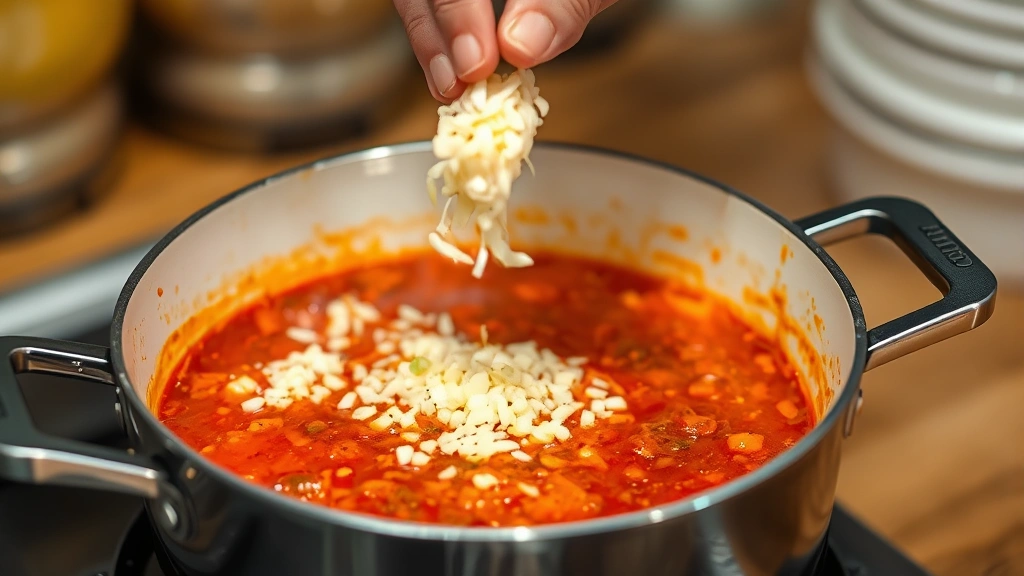
- Add minced garlic to the pot and sauté for about 1 minute until fragrant, stirring constantly to prevent burning.
- Sprinkle the gochugaru (Korean red chili flakes) over the garlic and stir continuously for 30 seconds to toast the chili and release its flavors into the oil, creating a flavorful base.
- Pour in the anchovy or seafood broth, stirring well to combine with the chili mixture. If using the dried shiitake mushroom, add it now. Bring the broth to a gentle boil over medium-high heat.
- Add the soy sauce, fish sauce, sugar, and white pepper to the broth. Stir well to combine all seasonings. Taste and adjust the seasoning as needed—you want a balance of savory, spicy, and slightly sweet.
- Return the cooked ground meat to the pot (if using). Let the broth come to a rolling boil.
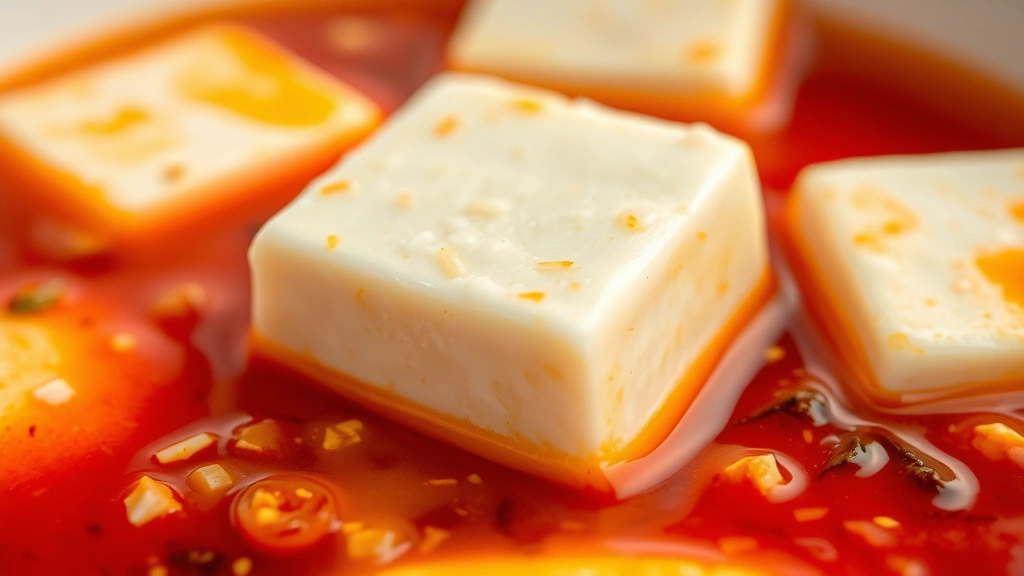
- Gently cut the silken tofu into cubes using a sharp knife or by sliding it out of the package and cutting it into bite-sized pieces. The pieces don’t need to be perfectly uniform—rustic sizes are actually more authentic.
- Carefully slide the tofu cubes into the boiling broth. Gently stir the broth to distribute the tofu evenly, being careful not to break the delicate tofu pieces.
- Let the broth return to a boil, which should take about 2-3 minutes.
- Once boiling, create a well in the center of the pot by gently pushing the tofu and ingredients to the sides.
- Crack the egg into the well and let it cook in the broth for about 1-2 minutes until the white is set but the yolk is still slightly runny, or cook longer if you prefer a fully cooked egg.
- Add the chopped green onions and stir gently to incorporate.
- Drizzle the remaining 1 tablespoon of sesame oil over the surface of the soup.
- Transfer the pot to a trivet or heat-safe surface if using an earthenware pot, as it retains heat and will continue cooking. Ladle the soup into bowls while it’s still steaming.
- Garnish each bowl with sesame seeds and additional sliced green onions if desired. Serve immediately with steamed white rice on the side.
Pro Tips
o The earthenware pot (ttukbaegi) is traditional and keeps the soup hotter longer, but a regular pot works just fine. If using earthenware, make sure to use low to medium heat as the pot conducts heat quickly.
o Anchovy broth (myeolchi-dashi) is essential for authentic flavor. You can make it by simmering dried anchovies and kelp in water for 5 minutes, or purchase prepared broth at Asian markets.
o Gochugaru quality matters significantly—look for bright red, finely ground Korean chili flakes rather than substitutes. The flavor should be fruity and moderately spicy.
o Don’t skip the fish sauce—it adds umami depth that makes the broth taste restaurant-quality. The amount is small enough that it doesn’t taste fishy, just incredibly savory.
o For a vegetarian version, use vegetable broth and omit the fish sauce and meat. Add mushrooms, leafy greens, or seafood alternatives for heartiness.
o You can prepare the broth base ahead of time and store it in the refrigerator for up to 3 days. Add the tofu and egg just before serving to maintain proper texture.
o If you prefer less spice, reduce the gochugaru to 1 tablespoon. You can always add more, but you can’t remove it once added.
o Customization options include adding shrimp, clams, squid, or other seafood. Add seafood after the broth boils and cook until done before adding tofu.
o Serve with banchan such as kimchi, pickled vegetables, and seasoned greens for an authentic Korean meal experience.
o Leftover soup can be refrigerated for 2-3 days. The tofu will absorb more broth flavor, which some people prefer. Reheat gently on the stovetop.