
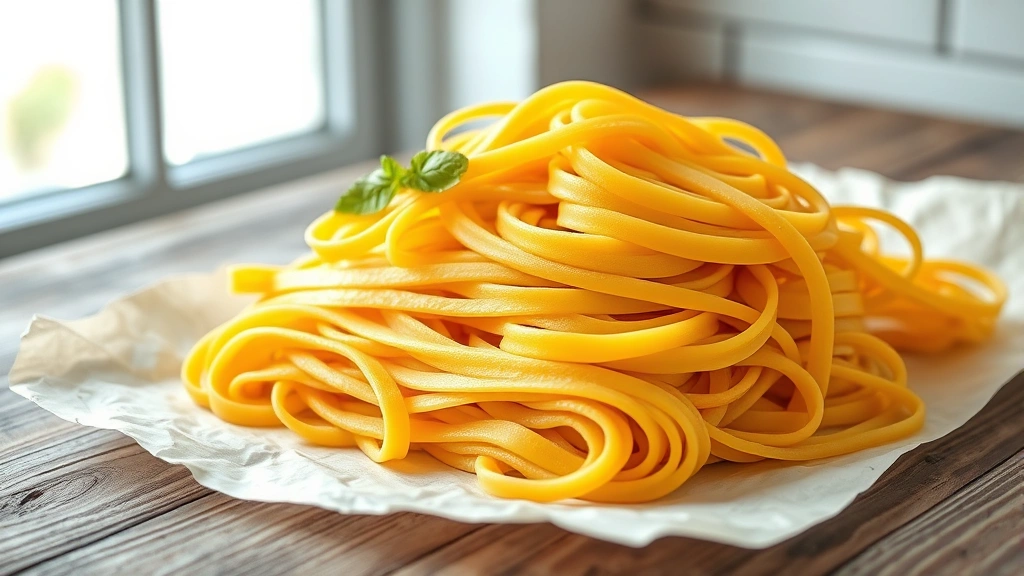
Making homemade lasagna noodles is easier than you might think, and the results are absolutely divine! There’s something so special about creating this Italian classic from scratch. Fresh, tender noodles make all the difference in your lasagna, and once you master this simple technique, you’ll never go back to the boxed version.
While store-bought noodles certainly work, homemade lasagna noodles have a delicate texture and rich flavor that really elevates your entire dish. The process is straightforward, and you don’t need any fancy equipment—just your hands, a rolling pin, and a little patience. In about two hours (mostly resting time), you’ll have beautiful sheets of pasta ready to layer with your favorite sauce and cheese.
This recipe creates noodles that are perfectly tender when cooked, with just enough structure to hold up to hearty meat sauces or creamy béchamel. The dough is made with just three basic ingredients: flour, eggs, and a pinch of salt. No fancy pasta machine required, though you can certainly use one if you have it. The key is proper kneading and resting, which develops the gluten and creates that signature silky texture.
I love making these noodles on a lazy Sunday afternoon when I have time to make lasagna from complete scratch. There’s something so rewarding about serving a dish where every component—from the noodles to the sauce—is homemade. Your family will taste the difference immediately, and honestly, it’s not that much more work than using dried pasta.
The beauty of this recipe is its versatility. You can make the dough ahead of time, refrigerate it, and roll it out when you’re ready. You can even freeze the rolled noodles between parchment paper for up to three months. This makes weeknight lasagna assembly so much easier when you have fresh noodles ready to go. Whether you’re making a classic meat lasagna, a vegetable version, or a seafood lasagna, these noodles will be the perfect foundation for your masterpiece.
Learn more about our Best Carrot Cake Recipe for other delicious homemade creations. You might also enjoy exploring Quick Carrot Cake Cookies for more baking inspiration. For complementary dishes, check out our Best Creamy Grits Recipe. Don’t forget to discover the Best Easy Icing Recipe for finishing touches on your baked goods.
For more pasta inspiration and techniques, check out Serious Eats’ fresh pasta guide, Bon Appétit’s fresh pasta recipes, and New York Times’ fresh egg pasta.
Ingredients
- 2 cups all-purpose flour, plus extra for dusting
- 3 large eggs, room temperature
- 1 teaspoon salt
- 1 tablespoon olive oil
- Water as needed (1-2 tablespoons)
Instructions
- Mound the flour on a clean work surface or in a large mixing bowl. Make a well in the center of the flour, similar to a volcano shape.
- Crack the three eggs directly into the well, and add the salt and olive oil.
- Using a fork, beat the eggs together gently, just as if you were making scrambled eggs, without breaking the flour walls.
- Gradually incorporate the flour from the sides of the well into the egg mixture, working slowly and carefully to avoid breaking the flour barrier.
- Once the mixture becomes shaggy and difficult to work with a fork, use your hands to bring it all together into a rough ball.
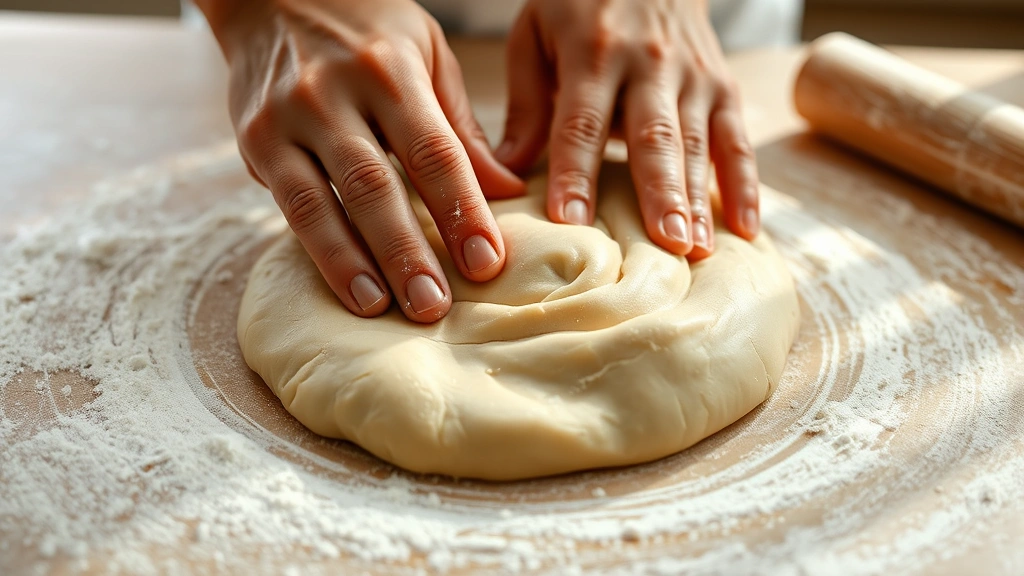
- Begin kneading the dough on your work surface, pressing it away from you with the heel of your hand, then folding it back over itself. Repeat this motion for about 8-10 minutes.
- The dough should become smooth, elastic, and slightly sticky to the touch. If it’s too dry, add water one teaspoon at a time. If it’s too sticky, dust with a little flour.
- Form the dough into a smooth ball, wrap it in plastic wrap or cover it with an inverted bowl, and let it rest at room temperature for at least 30 minutes. This resting period is crucial for relaxing the gluten.
- After resting, unwrap the dough and place it on a lightly floured work surface. Divide it into four equal portions.
- Working with one portion at a time (keep the others covered), flatten it slightly with your hands into a disk about 1/4 inch thick.
- Using a rolling pin, begin rolling from the center outward, rotating the dough as you go to maintain an even thickness. You’re aiming for pasta sheets about 1/8 inch thick.
- Roll the dough until it’s thin enough to almost see your hand through it, but not so thin that it tears. The goal is translucent but still intact.
- Lay the rolled sheet on a clean kitchen towel or parchment paper and lightly dust with flour to prevent sticking.
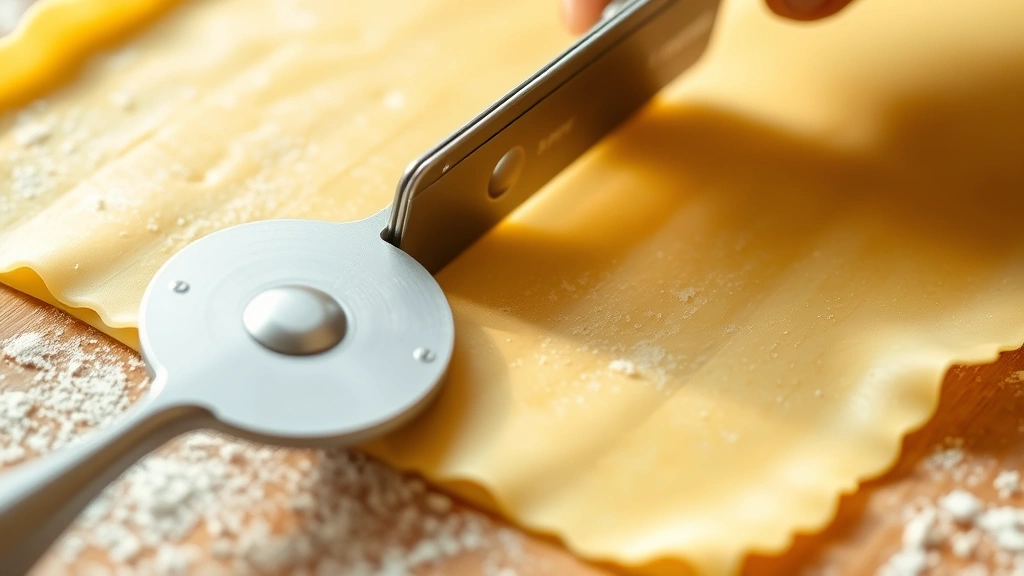
- Using a fluted pastry wheel or sharp knife, cut the sheet into lasagna-sized rectangles (roughly 4-5 inches by 8-9 inches, depending on your baking dish).
- Repeat steps 10-14 with the remaining three portions of dough.
- Let the cut noodles rest on floured towels or parchment paper for about 15-20 minutes before cooking.
- Bring a large pot of salted water to a boil. Working in batches to avoid overcrowding, gently add the noodles to the boiling water.
- Fresh noodles cook very quickly—they’ll float to the surface within 2-3 minutes. Let them cook for 1-2 minutes after floating, then remove with a slotted spoon.
- Place the cooked noodles on a clean, dry kitchen towel or parchment paper, laying them flat in a single layer to cool and prevent sticking.
- Once all noodles are cooked and cooled, they’re ready to use in your lasagna. Layer them with your sauce and cheese, then bake according to your lasagna recipe instructions.
Pro Tips
FLOUR SELECTION: All-purpose flour works perfectly for this recipe. Some people prefer using a combination of all-purpose and semolina flour for added texture, but it’s entirely optional. Semolina can make the dough slightly grainier and more prone to cracking, so start with all-purpose if you’re a beginner.
EGG TEMPERATURE: Room temperature eggs incorporate more smoothly into the dough and create a more cohesive texture. Take your eggs out of the refrigerator about 30 minutes before you plan to make pasta.
KNEADING TECHNIQUE: The kneading process is essential for developing gluten, which gives the noodles their structure and chewiness. Don’t skip or rush this step. You should knead for a full 8-10 minutes until the dough is noticeably smooth and elastic.
REST TIME: The initial 30-minute rest allows the gluten to relax, making the dough easier to roll. Some people prefer resting the dough for up to 2 hours, which is perfectly fine. You can even wrap it and refrigerate it overnight—just bring it back to room temperature before rolling.
ROLLING THICKNESS: The thinner you roll the pasta, the more delicate the final noodles will be. However, they also become more fragile and easier to tear. Aim for that sweet spot where you can almost see through the dough but it’s still sturdy enough to handle.
COOKING TIME: Fresh pasta cooks SO much faster than dried pasta. Don’t walk away from the pot! The moment the noodles float and you give them 1-2 minutes more, they’re done. Overcooked fresh pasta becomes mushy and loses its tender texture.
STORAGE OPTIONS: If you’re not using the noodles immediately, you can dust them generously with flour, layer them between parchment paper, and store them in an airtight container in the refrigerator for up to 3 days. For longer storage, freeze them in a single layer on a baking sheet, then transfer to a freezer bag for up to 3 months. No need to thaw before cooking—just add an extra minute to the cooking time.
LASAGNA ASSEMBLY: These tender noodles are perfect for layering with your favorite sauce. They work beautifully with traditional meat sauce, creamy béchamel, or vegetarian options. The delicate texture means they’ll cook through perfectly in the oven without becoming tough.
DRY DOUGH FIX: If your dough seems too dry during mixing, add water one teaspoon at a time rather than all at once. It’s easier to add moisture than to remove it. The dough should be slightly sticky to the touch but not wet.
Pingback: Betty Crocker Recipes: Best Classic Dishes Made Easy - Simple Recipe Finder