
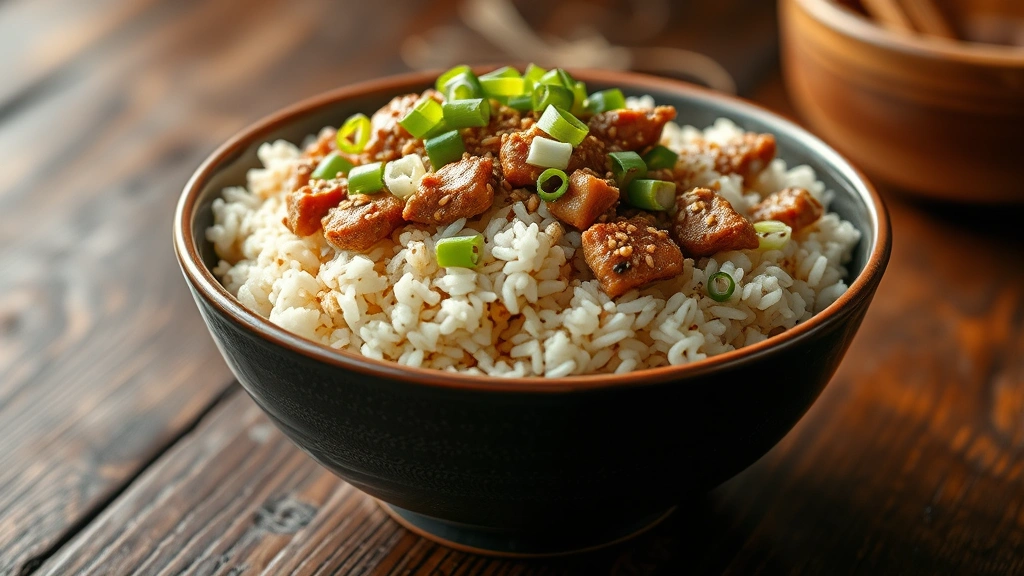
There’s nothing quite like transforming yesterday’s dinner into today’s star dish, and leftover pork fried rice is the ultimate weeknight hero. This isn’t just any fried rice – it’s a restaurant-quality meal that comes together in minutes, making it perfect for busy families and meal-prep enthusiasts alike. The beauty of fried rice lies in its versatility and the way it celebrates those precious leftovers that might otherwise go to waste.
When you have leftover pork – whether it’s from a Sunday roast, a weeknight pork chop dinner, or even a special pork chop with gravy – you’ve got the foundation for something absolutely delicious. Fried rice is one of those magical dishes where day-old rice, forgotten vegetables, and protein scraps transform into something that tastes deliberately crafted rather than hastily assembled.
The secret to exceptional fried rice starts with understanding that this dish is all about technique and temperature. You need high heat, quick movements, and ingredients that are ready to go before you start cooking. Unlike Western cooking where we might prepare as we go, fried rice demands mise en place – everything in its place. This isn’t difficult; it just requires a bit of planning.
What makes this leftover pork fried rice recipe so special is that it respects the ingredient that might otherwise be overlooked. Your pork has already been seasoned and cooked to perfection; now we’re giving it a second life with bright flavors, aromatic garlic and ginger, and the umami depth of soy sauce. The result is a dish that feels completely intentional, something you’d be proud to serve at a casual dinner party.
This recipe also teaches you the fundamentals of fried rice that you can apply to any protein or vegetable combination. Once you master the technique with pork, you’ll find yourself making variations with chicken, shrimp, beef, or even just vegetables. It’s the kind of foundational recipe that becomes your kitchen’s best friend, the one you return to again and again because it’s reliable, delicious, and genuinely impressive.
For those looking to expand their leftover pork repertoire, consider pairing this fried rice with coleslaw with mayo dressing for a complete meal that balances the richness of the rice with fresh, crisp vegetables. The acidity and crunch provide the perfect counterpoint to the savory, comforting fried rice.
Let’s talk about rice selection for a moment, because this is genuinely important. You want day-old rice that’s been refrigerated – it’s drier and won’t turn into mush when you stir-fry it. Fresh, warm rice has too much moisture and will steam rather than fry. If you don’t have leftover rice, you can cook rice specifically for this dish, spread it on a sheet pan, and refrigerate it for at least two hours, though overnight is better. This simple step makes an enormous difference in your final result.
The pork should be cut into small pieces or shredded, depending on how it was originally cooked. If you have large chunks, chop them into bite-sized pieces so they distribute evenly throughout the rice and provide delicious pork in every spoonful. The size should roughly match the rice grain – small enough to integrate seamlessly but substantial enough to make its presence known.
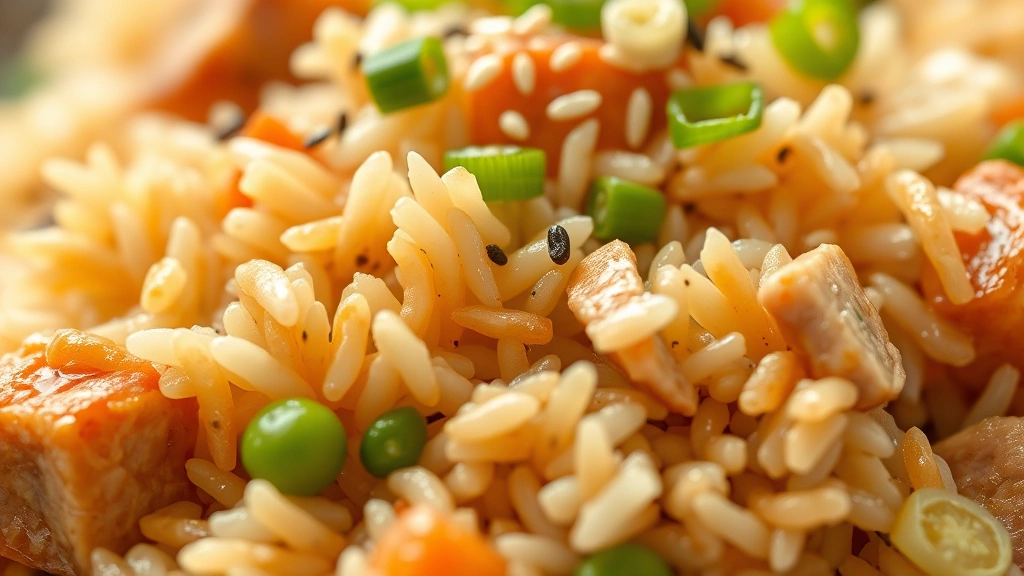
Your vegetable choices are flexible here, which is part of what makes fried rice so adaptable to what you have on hand. The classic combination includes peas, carrots, and onions, but you can incorporate bell peppers, green beans, corn, broccoli, or mushrooms. Just remember that harder vegetables need slightly longer cooking time, so consider your prep accordingly. Everything should be diced small so it cooks quickly and evenly distributes throughout the rice.
The aromatics – garlic and ginger – are non-negotiable. They provide the flavor foundation that elevates simple fried rice into something special. Fresh garlic and ginger are worth the minimal effort of mincing; the difference in flavor compared to jarred versions is substantial. If you’re pressed for time, minced garlic and ginger in jars are acceptable, but fresh is truly superior.
For more leftover protein inspiration, check out our meatballs and gravy recipe which offers another excellent way to repurpose cooked meat. Both dishes teach you how to think creatively about leftovers.
Soy sauce is your primary seasoning, but don’t overlook the finishing touches. A bit of sesame oil drizzled at the end adds aromatic richness, while a splash of rice vinegar or lime juice brightens everything. Some people add a touch of sugar to balance the salty soy – this isn’t about making it sweet, but rather about rounding out the flavors. Green onions and white sesame seeds scattered on top add both visual appeal and textural interest.
The cooking technique requires your full attention for just five to seven minutes. This is fast-paced cooking – your wok or large skillet should be hot, your ingredients prepped and ready, and your movements confident. You’re not overthinking; you’re simply moving ingredients through the pan with purpose and speed. This is where fried rice differs from many Western dishes that reward slower, gentler cooking.
For those interested in expanding beyond pork, our lamb meatballs recipe demonstrates how different proteins bring their own character to dishes. Similarly, this fried rice technique works beautifully with any cooked protein.
One final thought: fried rice is one of those dishes that tastes just as good the next day, making it excellent for meal prep. You can make a double batch and enjoy it for lunch throughout the week. Just store it in an airtight container and reheat gently in a wok or skillet with a splash of soy sauce to refresh the flavors. It’s the gift that keeps on giving – leftovers creating leftovers, all delicious.
Ingredients
- 3 cups cooked day-old white or brown rice, chilled and broken into individual grains
- 1.5 cups cooked pork, chopped or shredded into bite-sized pieces
- 3 large eggs, beaten
- 2 tablespoons vegetable oil, divided
- 1 medium onion, diced small
- 3 cloves garlic, minced
- 1 tablespoon fresh ginger, minced
- 1 cup mixed vegetables (peas, carrots, corn, bell peppers), diced small
- 3 tablespoons soy sauce
- 1 tablespoon oyster sauce
- 1 teaspoon sesame oil
- 2 green onions, sliced thin (white and green parts separated)
- 1 teaspoon rice vinegar or lime juice
- White sesame seeds for garnish
- Salt and white pepper to taste
- Optional: 1/4 teaspoon white pepper, 1/2 teaspoon sugar
Instructions
- Prepare all ingredients and have them ready in separate bowls or on a prep surface. This is crucial for fried rice success – you cannot pause once cooking begins. Measure out soy sauce, oyster sauce, sesame oil, and rice vinegar in a small bowl so they’re easy to add quickly.
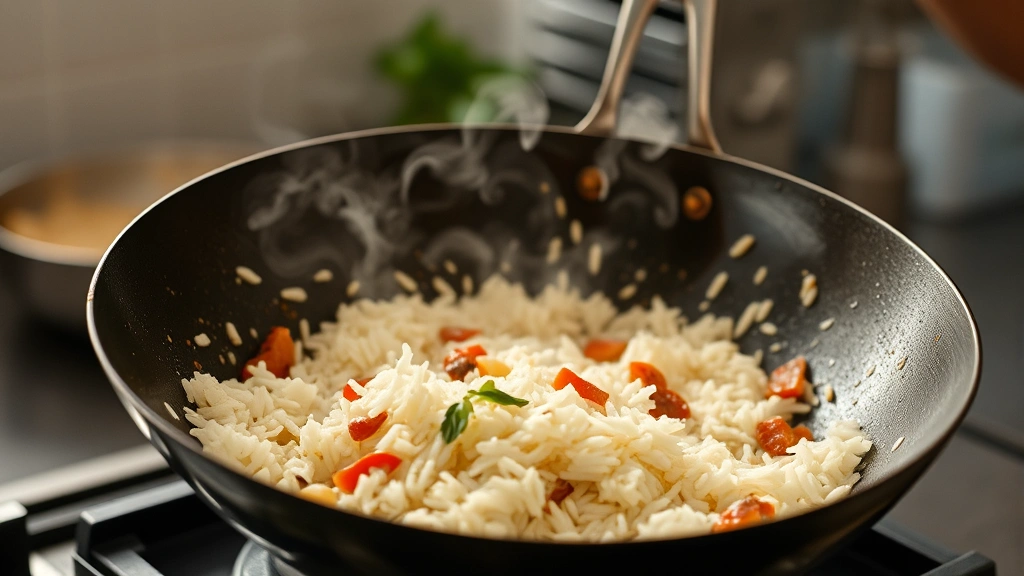
- Heat a large wok or 12-inch skillet over medium-high heat for about one minute until it’s properly hot. Test by holding your hand above it – you should feel significant heat radiating up.
- Add one tablespoon of vegetable oil to the hot wok, tilting it to coat the bottom evenly. Let it heat for just 10-15 seconds until it shimmers.
- Pour the beaten eggs into the center of the wok and let them sit undisturbed for 2-3 seconds, then scramble them by pushing them around with a spatula. You want soft, slightly wet scrambled eggs, not completely cooked through. Transfer the eggs to a clean plate.
- Add the remaining tablespoon of vegetable oil to the wok. When it shimmers, add the diced onion and cook for 1-2 minutes, stirring constantly, until it becomes translucent and fragrant.
- Add the minced garlic and ginger to the wok and stir continuously for about 30 seconds. You’ll smell the aromatics release their fragrance – this is the signal you’re on the right track.
- Add the mixed vegetables (or whatever vegetables you’re using) and stir-fry for 1-2 minutes until they begin to soften slightly. They shouldn’t be completely cooked – they’ll continue cooking with the residual heat.
- Add the chopped pork to the wok and stir-fry for about one minute, breaking up any clumps and ensuring it’s evenly distributed.
- Add the cold cooked rice to the wok. This is important – cold rice will fry better than warm rice. Break up any clumps with your spatula and stir-fry for 2-3 minutes, continuously moving the rice around the wok so it heats evenly and picks up the flavors.
- Create a well in the center of the rice by pushing everything toward the sides of the wok. Pour the combined soy sauce, oyster sauce, and rice vinegar into the empty center, letting it heat for about 10 seconds.
- Stir everything together thoroughly, mixing the sauce with the rice and ingredients for about one minute. You want every grain of rice to be coated with the savory sauce.
- Return the scrambled eggs to the wok and fold them gently into the fried rice. Stir for about 30 seconds to combine.
- Drizzle the sesame oil over the top and stir once more to incorporate. Taste the fried rice and adjust seasonings with additional soy sauce, salt, or white pepper as needed.
- Transfer the fried rice to a serving bowl or plates. Garnish generously with sliced green onions (both white and green parts), white sesame seeds, and an optional light sprinkle of white pepper.
- Serve immediately while hot, with additional soy sauce on the side for anyone who prefers extra seasoning.
Pro Tips
Prepare all ingredients before you begin cooking. Fried rice cooking happens quickly – typically 8-10 minutes from start to finish – and you won’t have time to chop vegetables or mince garlic once the wok is hot. This mise en place preparation is what separates restaurant-quality fried rice from mediocre attempts.
The wok or skillet temperature is crucial. A properly hot wok creates the characteristic slight char and toasted flavor that makes fried rice special. If your pan isn’t hot enough, you’ll end up with steamed, soggy rice instead of crispy, flavorful grains. Don’t be afraid of high heat – this is one of the few dishes where high heat for a short duration is exactly what you want.
Egg in fried rice serves multiple purposes beyond adding protein. It acts as a binder, helps create texture variation, and adds richness. Cooking the eggs separately first, then adding them back at the end, ensures they remain in distinct pieces rather than becoming too mixed into the rice.
Your choice of vegetables should reflect what you have available and personal preferences. Hard vegetables like carrots need slightly longer cooking, while delicate ones like peas can be added later. Pre-cooked frozen vegetables work wonderfully and actually cook faster than fresh, making them convenient for weeknight cooking.
Soy sauce is the primary flavoring, but the combination of soy with oyster sauce creates depth that soy alone cannot achieve. The oyster sauce adds umami complexity without making the dish taste fishy – it’s a subtle but important addition that experienced cooks notice immediately.
Leftover pork can come from various sources – Sunday roasts, pork chops, pork tenderloin, or even deli-style pork. The cooking method matters less than having flavorful, fully cooked pork. If your pork was originally bland or underseasoned, this fried rice will improve it significantly through the combination of aromatics and soy-based seasoning.
Sesame oil should be added at the end rather than during cooking. Its delicate nutty flavor burns easily at high temperatures, so finishing with it preserves that distinctive aromatic quality.
Green onions added at the very end provide freshness and prevent them from becoming too soft or losing their bright color. The white parts can be cooked briefly, but save the green parts for garnish to maintain their visual appeal and fresh flavor.
This fried rice keeps well in the refrigerator for 3-4 days in an airtight container. Reheat gently in a wok or skillet with a splash of soy sauce and a small amount of oil to refresh the flavors and restore the texture. Microwave reheating is possible but less ideal as it can make the rice texture less appealing.
White pepper rather than black pepper is traditional in Asian fried rice because it’s less visually apparent and provides similar heat without the dark specks. It’s not essential – regular black pepper works fine – but white pepper is worth keeping on hand if you make fried rice frequently.
The sugar in the optional ingredients isn’t meant to make the dish sweet. Rather, just a touch rounds out the flavors and balances the saltiness of the soy sauce. Use sparingly – you should never taste sweetness, only a subtle flavor improvement.