

There’s nothing quite like the challenge of transforming leftover pork tenderloin into something absolutely spectacular! If you’ve cooked a beautiful pork tenderloin for dinner and find yourself with extra, you’re in luck. This guide will show you how to create restaurant-quality dishes that taste nothing like “leftovers.” Whether you’re slicing it thin for sandwiches, shredding it for tacos, or reimagining it in a creamy pasta dish, your leftover pork tenderloin is about to become the star of your next meal.
Leftover pork tenderloin is such a versatile ingredient that deserves more than just reheating and serving plain. The key to success is understanding that cold pork can be just as delicious as hot when prepared with intention and creativity. From elegant salads to comforting grain bowls, from quick weeknight dinners to impressive entertaining dishes, the possibilities are truly endless. The beauty of working with pork tenderloin is that it’s already been cooked perfectly, so you can focus entirely on the flavors and textures you want to create.
Before we dive into specific preparations, let’s talk about storage and food safety. Your leftover pork tenderloin should be refrigerated within two hours of cooking and will keep for three to four days in an airtight container. You can also freeze it for up to three months, which is wonderful for meal planning. When you’re ready to use it, thaw it overnight in the refrigerator for best results. The texture and moisture content of your pork tenderloin will remain excellent when properly stored, making it perfect for all these creative applications.
One of my favorite ways to use leftover pork tenderloin is in a comforting dinner that comes together in minutes. The pre-cooked meat means your total cooking time is dramatically reduced, which is ideal for busy weeknights. I love slicing the pork thin and using it in Vietnamese-inspired banh mi sandwiches with pickled vegetables, fresh cilantro, and a spicy mayo. It’s restaurant-quality but takes just fifteen minutes to assemble. Another option is to shred the pork and create a Asian-style lettuce wrap situation with hoisin sauce, sautéed mushrooms, and crispy water chestnuts.
For something more elegant, consider creating a composed salad with your leftover pork. Slice it against the grain into thin strips and arrange it over mixed greens, roasted beets, candied pecans, and crumbled goat cheese. Drizzle everything with a warm bacon vinaigrette and you have a dish that feels fancy enough for entertaining but requires minimal effort since your protein is already cooked. The contrast of cool greens, warm pork, and tangy vinaigrette creates a beautifully balanced plate.
Another fantastic option is incorporating your pork into grain bowls, which are perfect for meal prep and lunch boxes. Layer cooked rice or quinoa with your sliced pork tenderloin, roasted vegetables, fresh herbs, and a flavorful sauce—whether that’s a sesame-ginger dressing, chimichurri, or a simple balsamic reduction. The beauty of grain bowls is that they’re infinitely customizable and taste just as good the next day.
For creamy pasta lovers, try shredding your leftover pork and tossing it with pappardelle, a rich cream sauce, fresh thyme, and sautéed mushrooms. It’s like a deconstructed stroganoff but with beautiful pork tenderloin instead of beef. The key is not to overcook the pork when you add it to the hot pasta—just let it warm through gently in the sauce.
If you want something more substantial, consider making a hearty preparation like pork tenderloin fried rice. Dice your leftover pork into small pieces and stir-fry it with day-old rice, frozen peas and carrots, eggs, and scallions. Add a splash of soy sauce and sesame oil, and you have a complete meal that feels fresh and exciting rather than like leftovers.
For sandwich lovers, sliced pork tenderloin on a crusty baguette with arugula, roasted red peppers, fresh mozzarella, and a spread of olive tapenade is absolutely divine. You could also make a warm sandwich by placing the sliced pork on toasted ciabatta with sautéed onions, melted provolone, and a touch of horseradish cream. The options are truly endless.
Let’s discuss proper reheating techniques to maintain the moisture and tenderness of your pork. The worst thing you can do is blast it in the microwave, which will dry it out considerably. Instead, slice your pork and gently warm it in a skillet over medium heat with a splash of broth or even a pat of butter. This maintains the texture and allows you to incorporate new flavors simultaneously. Alternatively, if you’re making a dish like soup or stew, add the pork in the final few minutes of cooking so it just warms through without becoming tough.
For more sophisticated applications, check out resources like Serious Eats for additional pork preparation techniques and Bon Appétit for trendy leftover applications. You might also explore New York Times Cooking for more elevated pork recipes.
The secret to loving your leftovers is approaching them as an opportunity rather than an obligation. Your leftover pork tenderloin is already half the battle when it comes to creating impressive, delicious meals. With these ideas and a bit of creativity, you’ll find yourself actually planning to cook extra pork tenderloin just so you have leftovers to play with. That’s the mark of a truly versatile ingredient!
Remember that proper planning and preparation ensure your leftover pork maintains its quality. Store it properly, reheat it gently, and treat it as the star ingredient it deserves to be. Whether you choose something simple or elaborate, your family will be amazed at how restaurant-quality your leftovers have become.
Ingredients
- 2-3 cups leftover cooked pork tenderloin, sliced or shredded
- 2 tablespoons butter or olive oil
- 1/2 cup chicken or pork broth
- 2 cloves garlic, minced
- 1 teaspoon Dijon mustard
- 1/2 cup heavy cream or sour cream
- 2 cups fresh mixed greens
- 1/4 cup roasted vegetables of choice
- 2 tablespoons balsamic vinegar
- Salt and freshly ground black pepper to taste
- Fresh herbs such as thyme, rosemary, or parsley
- Crusty bread or rolls for serving
Instructions
- Remove your leftover pork tenderloin from the refrigerator and allow it to sit at room temperature for 10 minutes before using. This ensures even heating and prevents the exterior from drying out.
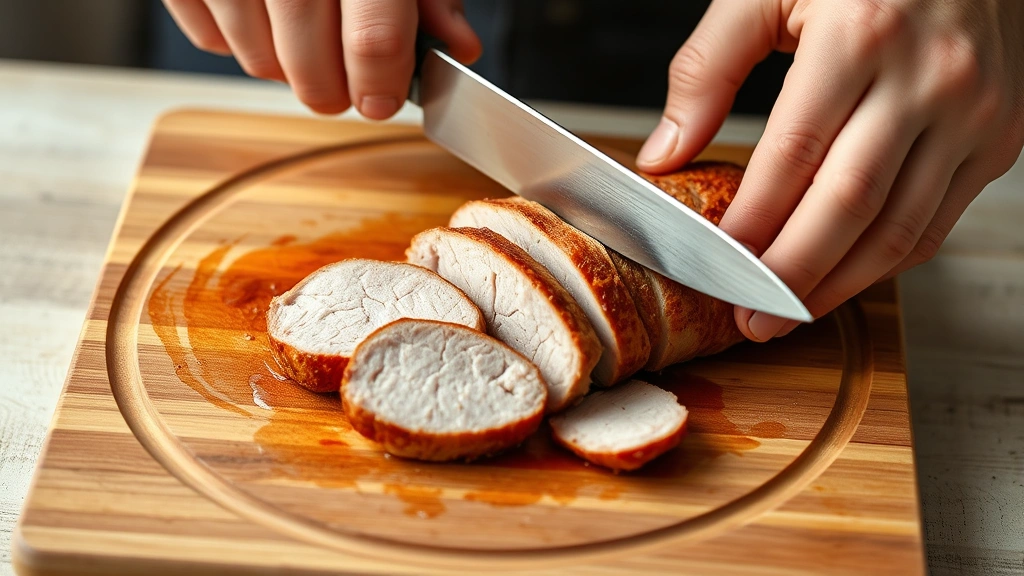
- If slicing your pork, use a sharp knife and slice against the grain into 1/4-inch thick pieces. If shredding, use two forks to gently pull the meat apart into bite-sized pieces.
- Heat butter or olive oil in a large skillet over medium heat. Once shimmering, add minced garlic and cook for about 30 seconds until fragrant, being careful not to burn it.
- Add your sliced or shredded pork to the skillet and gently stir to combine with the garlic and fat. Allow it to warm through for 2-3 minutes, stirring occasionally.
- Pour in the broth and add Dijon mustard, stirring well to combine. The broth will help prevent the pork from drying out while it warms.
- Reduce heat to medium-low and simmer for 3-4 minutes until the pork is heated through and the flavors have melded slightly.
- If making a creamy sauce, reduce heat to low and stir in heavy cream or sour cream. Cook gently for 2 minutes, stirring constantly, until the sauce is smooth and cohesive.
- Season with salt and freshly ground black pepper to taste. Add fresh herbs like thyme or parsley if desired.
- Transfer your warmed pork to serving plates or bread. If making a salad, arrange the pork over greens and top with roasted vegetables.
- Drizzle with balsamic vinegar or your sauce of choice and serve immediately while warm.
- For sandwich applications, layer your warmed pork on toasted bread with desired toppings and serve immediately.
Pro Tips
Reheating Without Drying Out: Never use high heat or a microwave to reheat pork tenderloin as this will make it tough and dry. Always reheat gently over medium or medium-low heat with added moisture like broth or butter. The pork should just warm through, never cook further.
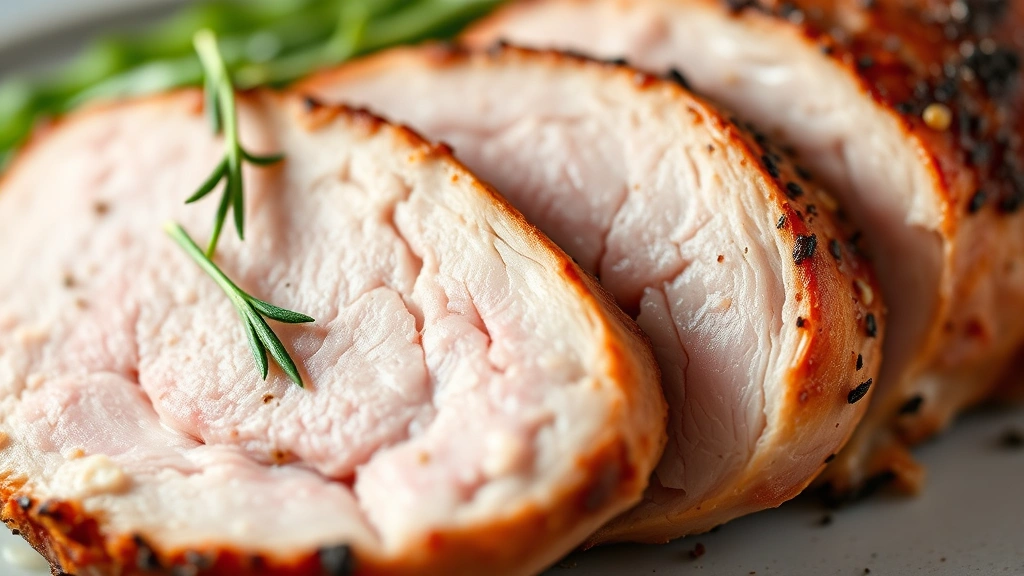
Slicing Tips: Always slice pork against the grain to ensure maximum tenderness. This means identifying the direction the muscle fibers run and cutting perpendicular to them. A sharp knife makes this much easier and prevents shredding.
Flavor Combinations: Pork tenderloin pairs beautifully with mustard, garlic, fresh herbs, balsamic vinegar, apple, cherries, and cream-based sauces. Don’t be afraid to experiment with Asian flavors like soy sauce, ginger, and sesame oil.
Quick Meal Ideas: Transform your leftovers into Vietnamese banh mi sandwiches, Asian lettuce wraps, grain bowls, composed salads, fried rice, creamy pasta dishes, or hearty grain pilafs in under 30 minutes.
Food Safety: Always refrigerate leftover pork within 2 hours of cooking. Keep your pork in the coldest part of your refrigerator and use clean utensils when handling to prevent cross-contamination. When in doubt, throw it out.
Cream Sauce Prevention: If you’re adding cream to your pork, always warm the cream separately or add it to the skillet off the heat to prevent curdling. Stir constantly and never allow the mixture to come to a rolling boil.
Seasoning Strategy: Since your pork is already cooked, you may need to adjust seasonings more generously than you would with raw meat. Taste as you go and add salt, pepper, and acid (like vinegar or lemon) as needed.