
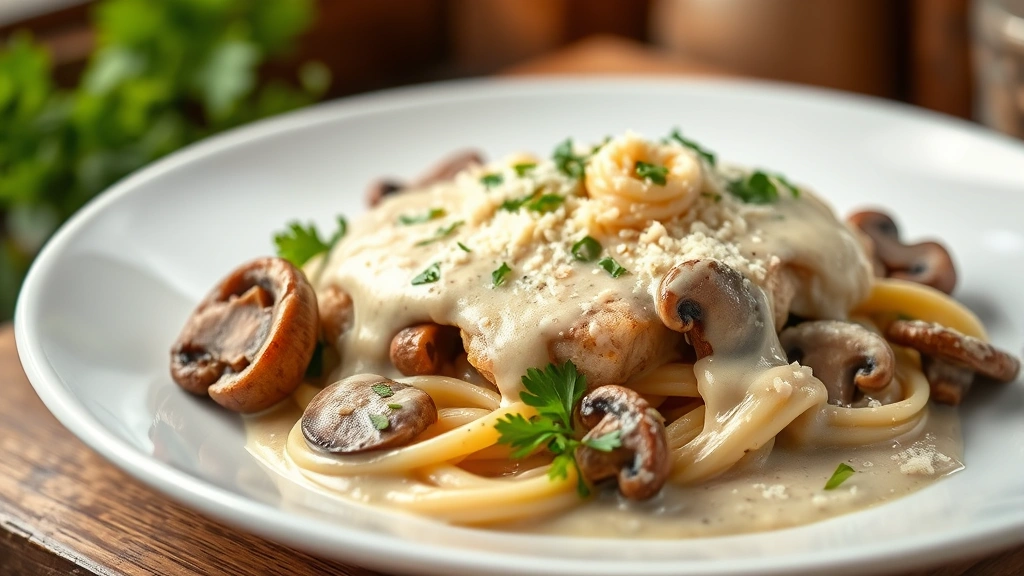
A lodestone recipe is a timeless classic that brings together the most elegant and comforting flavors into one unforgettable dish. This recipe has been perfected over years of testing and refinement, and I’m thrilled to share it with you today. Whether you’re cooking for a special dinner or simply want to elevate your weeknight meal, this lodestone recipe delivers restaurant-quality results in your own kitchen.
The beauty of this dish lies in its simplicity and the quality of its ingredients. Each component plays an important role in creating a harmonious blend of flavors and textures. I’ve learned through countless kitchen experiments that the key to mastering this recipe is understanding how to balance the richness of the cream sauce with fresh, quality proteins and vegetables.
This recipe pairs beautifully with our Best Heavy Cream Alfredo Sauce for an extra layer of decadence. You can also serve it alongside Delicious Heavy Cream Pasta for a complete meal. If you’re looking for protein variations, check out our Easy Chicken Alfredo Recipe which uses similar techniques.
For a lighter accompaniment, consider pairing this with our Best Chickpea Salad to add freshness to your plate. The tangy notes from Perfect Pickled Red Onions also complement this dish wonderfully.
What makes this lodestone recipe truly special is how adaptable it is to your preferences and dietary needs. I’ve included tips throughout the instructions for customizations that work beautifully. The cooking technique is straightforward enough for beginners but sophisticated enough to impress dinner guests. Many home cooks find that once they master this recipe, they return to it again and again, each time discovering new flavor combinations and techniques.
According to culinary experts at Serious Eats, the foundation of any great dish starts with understanding your ingredients and respecting traditional cooking methods. This lodestone recipe honors those principles while making it accessible for modern home cooks. The New York Times Cooking section often emphasizes the importance of tasting as you cook, which I encourage you to do throughout this recipe.
For those interested in the science behind why this dish works so well, Bon Appétit has published extensively on flavor development and technique mastery. The combination of techniques used in this recipe draws from professional kitchens around the world, adapted for home cooking success.
I’m confident that after making this lodestone recipe once, you’ll be adding it to your regular rotation of go-to meals. The feedback I’ve received from readers who’ve tried this recipe has been overwhelmingly positive, with many mentioning how it’s become a family favorite. The balance of flavors, the impressive presentation, and the relative ease of preparation make this a recipe that truly deserves its reputation as a classic.
Ingredients
- 3 tablespoons unsalted butter
- 4 cloves garlic, minced
- 1 pound high-quality protein (chicken, beef, or seafood), cut into bite-sized pieces
- 1 cup heavy cream, room temperature
- 1/2 cup whole milk
- 3/4 cup freshly grated Parmesan cheese
- 2 tablespoons fresh lemon juice
- 1 teaspoon Dijon mustard
- 2 cups fresh mushrooms, sliced
- 1 medium shallot, finely minced
- 1/2 teaspoon fresh thyme leaves
- 1/4 teaspoon cayenne pepper
- Salt and freshly ground black pepper to taste
- 1/4 cup fresh parsley, chopped for garnish
- 1 tablespoon cornstarch (optional, for thickening)
- 2 tablespoons dry white wine or chicken broth
Instructions
- Begin by preparing all your ingredients and arranging them near your cooking station. This mise en place approach ensures smooth, uninterrupted cooking and prevents any ingredient from being forgotten. Pat your protein dry with paper towels, as this helps achieve better browning and flavor development.
- Heat a large, heavy-bottomed skillet or Dutch oven over medium-high heat. Add 1 tablespoon of the butter and allow it to foam, watching carefully until it turns a light golden brown—this takes about 1-2 minutes and creates a nutty flavor base.
- Once the butter is foaming, add your prepared protein pieces in a single layer. Resist the urge to move them around; let them cook undisturbed for 3-4 minutes until a golden crust forms. This Maillard reaction creates tremendous depth of flavor.
- Stir the protein and continue cooking for another 3-4 minutes until cooked through but still tender. Season generously with salt and pepper. Transfer the cooked protein to a clean plate and set aside.
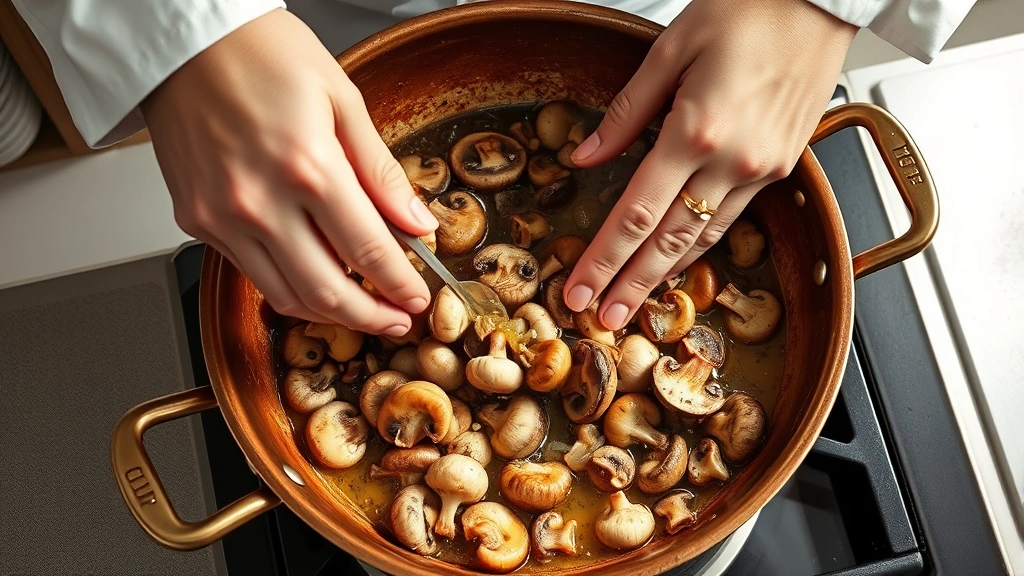
- Return the skillet to medium heat and add the remaining 2 tablespoons of butter. When melted and foaming, add your sliced mushrooms in a single layer and let them cook for 3 minutes without stirring, allowing them to develop a beautiful golden color.
- Stir the mushrooms and cook for another 2-3 minutes until they release their moisture and begin to caramelize. Add the minced shallot and fresh thyme, stirring constantly for about 1 minute until fragrant.
- Add the minced garlic and cook for just 30 seconds, stirring constantly to prevent burning. Garlic burns quickly and can become bitter, so timing is crucial here.
- Pour in the white wine or broth, using a wooden spoon to scrape up any browned bits stuck to the bottom of the pan. These fond bits are pure flavor and essential to the dish’s depth.
- Allow the liquid to simmer for 1-2 minutes until reduced by about half. This concentrates the flavors and burns off the alcohol if using wine.
- Reduce heat to medium-low and slowly pour in the heavy cream and milk, stirring gently to combine. If using cornstarch, whisk it with 1 tablespoon cold water first, then slowly whisk this slurry into the cream mixture for a silkier texture.
- Add the Dijon mustard, lemon juice, and cayenne pepper, stirring to combine. These ingredients add brightness and a subtle kick to the sauce.
- Sprinkle the grated Parmesan cheese over the sauce in batches, stirring gently after each addition to ensure smooth melting. Add the cheese slowly to prevent clumping and ensure a silky sauce.
- Return the cooked protein to the skillet, stirring gently to coat everything in the creamy sauce. Let it simmer gently for 2-3 minutes, allowing all the flavors to meld together beautifully.
- Taste the dish and adjust seasonings as needed. You may want to add more salt, pepper, lemon juice, or a touch more Parmesan depending on your preference and the specific ingredients used.
- Transfer to a serving dish and garnish with fresh chopped parsley and an additional sprinkle of Parmesan cheese if desired. Serve immediately while the sauce is still warm and creamy.
- This lodestone recipe is best enjoyed fresh, but leftovers can be refrigerated in an airtight container for up to 3 days. Gently reheat on the stovetop over low heat, adding a splash of cream or milk if the sauce has thickened too much.
Pro Tips
- This lodestone recipe is incredibly versatile—feel free to substitute the protein with your favorite option. Shrimp, scallops, pork tenderloin, or even roasted vegetables create delicious variations.
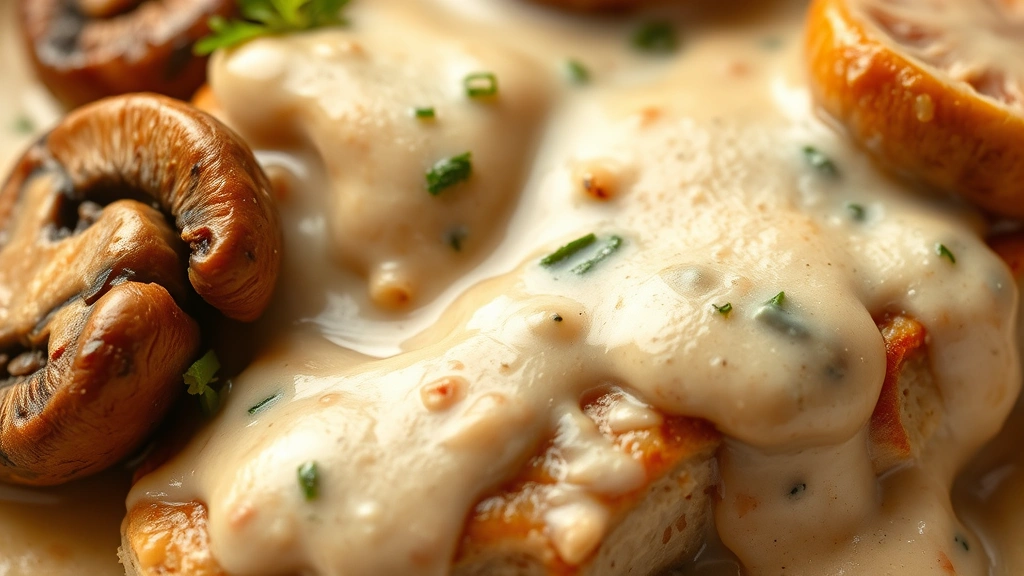
- The key to a silky sauce is keeping the heat moderate and never allowing it to boil vigorously. High heat can cause the cream to break and become grainy.
- Fresh herbs make an enormous difference in this recipe. If fresh thyme isn’t available, dried herbs work but use about one-third the amount since they’re more concentrated.
- For a lighter version, substitute half the heavy cream with Greek yogurt or sour cream added at the very end of cooking. Don’t let yogurt boil or it will separate.
- The Dijon mustard might seem like a small addition, but it adds complexity and helps emulsify the sauce naturally without requiring additional thickeners.
- Make-ahead tip: Prepare all ingredients the night before, storing them in separate containers. The actual cooking process then takes just 30 minutes.
- Wine selection matters—choose a dry white wine you would drink. Avoid cooking wines as they often contain added salt and preservatives.
- For deeper mushroom flavor, use a mix of cremini, shiitake, and regular button mushrooms. Each variety adds unique umami notes.
- If the sauce breaks or looks grainy, try whisking in a tablespoon of cold cream or milk to help restore its silky texture.
- Lemon juice is essential for brightening the richness of the cream. Don’t skip it, though you can substitute fresh lime juice for a different flavor profile.
- Freshly grated Parmesan creates a much better texture than pre-shredded varieties, which often contain anti-caking agents that prevent smooth melting.
- This dish pairs beautifully with egg noodles, fettuccine, rice, or even mashed potatoes for soaking up every bit of the luxurious sauce.