
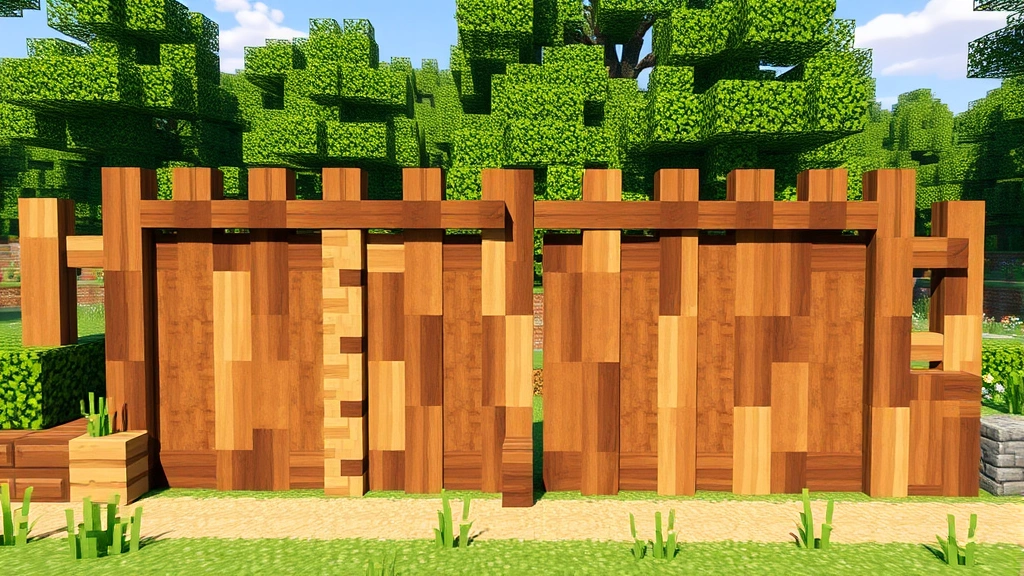
While Minecraft fences aren’t edible, let’s explore the crafting mechanics behind this essential building block! In Minecraft, fences are decorative and functional wooden structures used to contain mobs, create barriers, and add architectural detail to your builds. This guide breaks down everything you need to know about crafting fences, the materials required, and creative ways to incorporate them into your world.
Fences have been a cornerstone of Minecraft building since the early days of the game. Whether you’re creating a cozy farm, securing a perimeter, or designing an intricate medieval castle, fences provide both aesthetic appeal and practical functionality. Unlike walls, fences don’t block the player’s view and create a more open feel to your structures. They come in various wood types, each with unique color palettes that complement different building styles.
The beauty of Minecraft fences lies in their versatility. You can combine different wood types to create stunning visual patterns, stack them for added height and security, and even attach gates for functional entrances. Understanding the fence recipe and its variations will unlock countless building possibilities for your Minecraft adventure.
Before diving into your next mega-build project, familiarize yourself with fence mechanics and variations available in your version of Minecraft. For creative inspiration, explore building tutorials that showcase professional fence techniques. You might also want to reference basic crafting fundamentals to understand how recipes work in the game.
If you’re interested in mob farming or animal containment, check out community building advice and building mod resources for advanced fencing solutions. These resources will help you optimize your fence placement and design for maximum effectiveness and beauty.
Ingredients
- 4 wooden planks (any wood type: oak, birch, spruce, jungle, acacia, dark oak, mangrove, or cherry)
- 2 sticks
- 1 crafting table (for accessing the crafting grid)
- Access to a furnace or axe to obtain wood planks from logs
Instructions
- Obtain 4 wooden planks by chopping down trees with an axe and converting the logs into planks using a crafting table or furnace. Each log yields 4 planks when placed in any crafting slot.
- Collect 2 sticks by either crafting them from 2 wooden planks placed vertically in a crafting table, or by breaking dead bushes and leaves which naturally drop sticks.
- Approach your crafting table and right-click to open the 3×3 crafting grid interface in your Minecraft world.
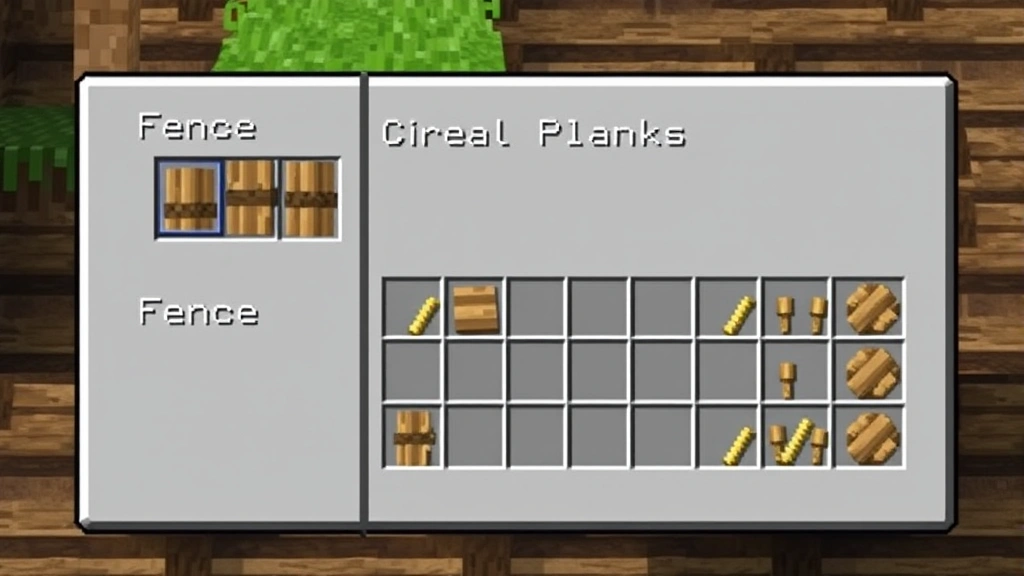
- Place your 4 wooden planks in the following pattern: top row (left and right slots), bottom row (left and right slots), leaving the center and middle slots empty.
- Place your 2 sticks vertically in the center column: one stick in the middle slot of the top row and one stick in the middle slot of the bottom row.
- Observe the crafting result preview on the right side of the crafting interface, which should display 3 fence blocks ready to craft.
- Click on the 3 fence blocks in the result box to move them to your inventory, or drag them into your inventory slots.
- Close the crafting table interface by pressing the Esc key or clicking outside the window.
- Select the fence blocks from your inventory and place them in your hotbar for easy access during building.
- Hold the fence block in your hand and right-click on blocks in your world to place the fences, positioning them adjacent to solid blocks or other fences to create continuous barriers and designs.
- Combine fences with fence gates (crafted using 4 planks and 2 sticks arranged in a specific pattern) to create openings for mob and player access.
- Stack fences vertically by placing additional fence blocks on top of existing ones to increase height and security for your builds.
- Experiment with different wood types by crafting fences from various plank colors and combining them in your structures for unique visual effects and patterns.
- Use fences creatively around gardens, animal pens, castle walls, bridges, and decorative landscaping to enhance both functionality and aesthetic appeal.
Pro Tips
- The basic fence recipe requires 4 wooden planks and 2 sticks, yielding 3 fence blocks per craft
- All wood types produce functionally identical fences with different appearances: oak (light brown), birch (white), spruce (dark brown), jungle (warm brown), acacia (reddish), dark oak (very dark), mangrove (reddish-orange), and cherry (light pink)
- Fences cannot be jumped over easily by players but mobs cannot pass through them without pathfinding around, making them ideal for mob containment
- When placed, fences automatically connect to adjacent fences and certain blocks like walls, creating seamless barriers without gaps
- Fence gates must be crafted separately using 4 wooden planks and 2 sticks in a different configuration (4 planks surrounding 2 sticks in the middle), yielding 1 gate per craft
- Fences are 1.5 blocks tall, sitting between regular block height and full height, allowing players to see over them in most cases
- For added security in multiplayer or hardcore mode, combine fences with walls and gates to create complex defensive structures
- Nether wood fences can be crafted from Nether wood planks and function identically to Overworld fences but with a darker, more menacing appearance
- Combining fence types in patterns creates striking visual effects: alternating colors, checkerboards, or gradients enhance building aesthetics
- Use fences as decorative railings on bridges, balconies, and elevated structures for both safety and visual interest
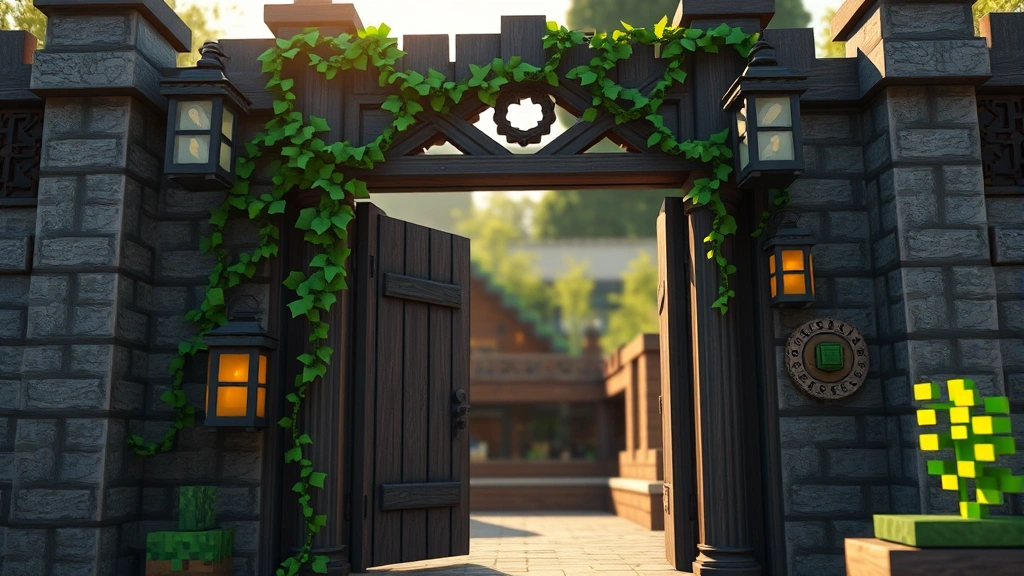
- Fence posts can be decorated with hanging plants, lanterns, and other blocks to add detail and atmosphere to your builds
- For large-scale projects, calculate fence quantities needed: a single-block-wide perimeter of 100 blocks requires approximately 100 fence blocks
- Consider mixing fences with other blocks like walls, slabs, and stairs to create varied and complex architectural designs
- In creative mode, use the creative inventory to instantly access unlimited fences of any type without needing to craft