
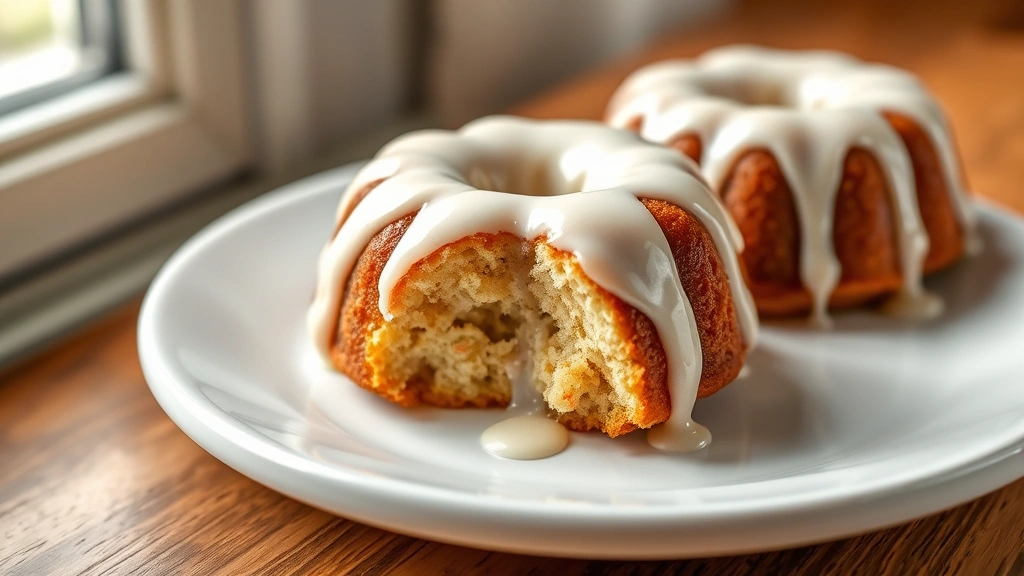
Mini Bundt cakes are the ultimate elegant dessert that looks far more complicated to make than it actually is! These individual-sized cakes are perfect for dinner parties, special occasions, or when you want a gorgeous homemade treat without the fuss of a full-sized cake. The beauty of mini Bundts is that they bake quickly, stay incredibly moist, and can be dressed up or down depending on your mood.
I’ve been making these for years, and I’ve finally perfected the formula for the BEST mini Bundt cakes—ones that are tender, flavorful, and have that perfect golden exterior. The key to success is using quality ingredients, not overmixing your batter, and investing in a good mini Bundt pan. I’m sharing all my secrets today, plus multiple flavor variations so you can make these year-round.
These cakes are wonderful with a simple glaze, dusted with powdered sugar, or topped with a decadent frosting. They also freeze beautifully, so you can make a batch ahead and have elegant desserts ready whenever you need them. Whether you’re serving them to guests or treating yourself, these mini Bundt cakes are guaranteed to impress. For more baking inspiration, check out our Best Heavy Cream Alfredo Sauce Recipe for pairing ideas, or explore our Delicious Heavy Cream Pasta Recipe for complete dinner planning.
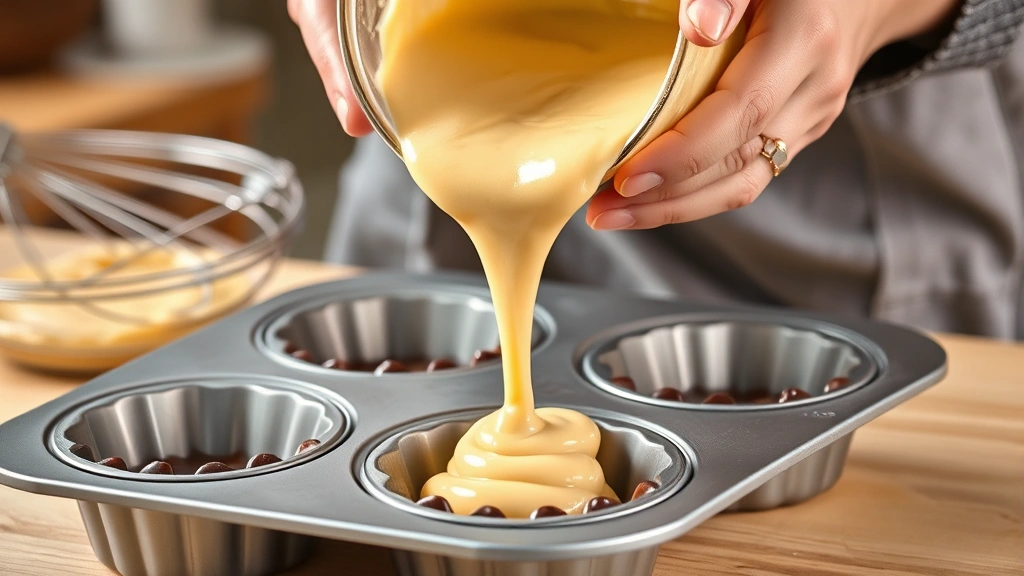
The secret to mini Bundt success starts with proper preparation. You absolutely must grease and flour your pans thoroughly—I cannot stress this enough! I use a pastry brush and really get into all those crevices. Some bakers swear by baking spray, which works wonderfully too. The difference between a perfectly released cake and a broken one comes down to this crucial step.
Temperature matters enormously when baking mini Bundts. All ingredients should be at room temperature, especially butter and eggs. This ensures even mixing and a tender crumb. I always pull my eggs and butter out about thirty minutes before baking. Cold ingredients create lumpy batter and uneven baking, which leads to dense cakes—not what we want!
Mixing technique is equally important. Cream your butter and sugar together until the mixture is pale and fluffy—about three to four minutes. This incorporates air into the batter, which creates that tender crumb we’re after. When adding flour, mix on low speed and don’t overmix. Overmixing develops gluten, making your cakes tough instead of tender. I always stop mixing as soon as I don’t see streaks of flour.
For more elegant dessert ideas, check out our Easy Chicken Alfredo Recipe for complete meal planning, or explore our Best Pickled Red Onion Recipe for side dish inspiration. These mini cakes pair beautifully with dinner parties!
Baking time is crucial—mini Bundts bake much faster than full-sized cakes, usually in twelve to eighteen minutes depending on your oven. I recommend checking them around the twelve-minute mark. A toothpick inserted into the center should come out with just a few moist crumbs, not wet batter. The tops should spring back when lightly touched. Overbaking leads to dry cakes, so err on the side of slightly underdone.
Cooling is the hardest part because these smell absolutely incredible fresh from the oven! Let them cool in the pan for about five minutes—this allows them to set slightly so they release cleanly. Then turn them out onto a wire rack to cool completely. If you try to glaze or frost them while warm, the coating will melt right off.
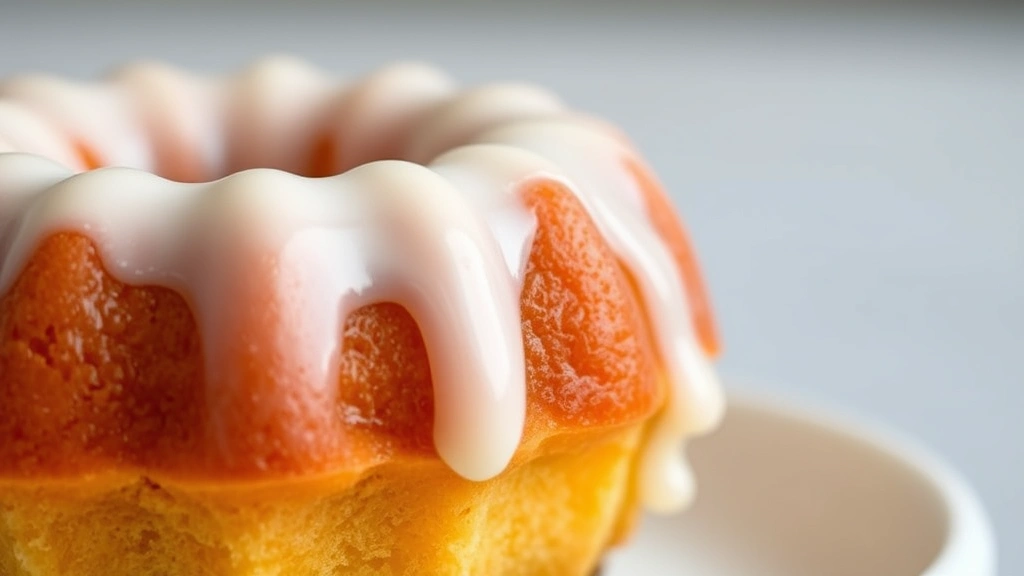
For glazing, I love a simple vanilla glaze made with powdered sugar, butter, and a splash of milk. Drizzle it over cooled cakes and let it set for about fifteen minutes. For a fancier presentation, try a chocolate ganache or cream cheese frosting. You can also dust them with powdered sugar for an elegant, understated look.
Storage is simple—keep mini Bundts in an airtight container at room temperature for up to three days. They also freeze beautifully for up to three months. Wrap them individually in plastic wrap, then place in a freezer bag. Thaw at room temperature before serving. Check out our Best Shishito Peppers Recipe for more impressive entertaining ideas!
Flavor variations are endless! Try adding lemon zest and juice for a bright citrus version, or swirl chocolate into vanilla batter for a marble effect. Almond extract in place of some vanilla gives a sophisticated twist. You can also add fresh fruit purees, espresso powder for coffee flavor, or even a splash of bourbon for an adult version.
These mini Bundt cakes truly are the best-kept secret for elegant entertaining. They look showstopping, taste incredible, and are surprisingly simple to make. Once you master this basic recipe, you’ll be making them constantly. I promise you’ll love them as much as I do!
Ingredients
- 1 1/2 cups all-purpose flour
- 1/2 teaspoon baking powder
- 1/4 teaspoon baking soda
- 1/4 teaspoon salt
- 1/2 cup (1 stick) unsalted butter, softened to room temperature
- 3/4 cup granulated sugar
- 2 large eggs, at room temperature
- 1/2 cup sour cream, at room temperature
- 1/4 cup whole milk, at room temperature
- 2 teaspoons vanilla extract
- Zest of 1 lemon (optional)
- For the glaze: 1 cup powdered sugar, 2 tablespoons butter melted, 2-3 tablespoons milk, 1/2 teaspoon vanilla extract
Instructions
- Preheat your oven to 350°F (175°C). Grease and flour a 12-cavity mini Bundt pan very thoroughly, making sure to get into all the crevices and details. You can also use baking spray if preferred. Set aside.
- In a small bowl, whisk together the flour, baking powder, baking soda, and salt. Set aside.
- In a large mixing bowl, cream together the softened butter and granulated sugar using an electric mixer on medium speed for about 3-4 minutes, until the mixture is pale, fluffy, and lighter in color.
- Add the eggs one at a time to the butter mixture, beating well after each addition. Make sure each egg is fully incorporated before adding the next one.
- In a small bowl, whisk together the sour cream, milk, and vanilla extract until smooth. If using lemon zest, add it to this mixture and stir to combine.
- With the mixer on low speed, alternate adding the flour mixture and the sour cream mixture to the butter-egg mixture, starting and ending with the flour. Add the flour in two parts and the sour cream mixture in two parts.
Mix until just combined after each addition—do not overmix or your cakes will be tough.
- Divide the batter evenly among the prepared mini Bundt cavities, filling each about three-quarters full. Use an ice cream scoop or a spoon to ensure even distribution.
- Place the pan in the preheated oven and bake for 12-15 minutes, until a toothpick inserted into the center of a cake comes out with just a few moist crumbs and the tops spring back when lightly touched.
- Remove the pan from the oven and let the cakes cool in the pan for exactly 5 minutes. This allows them to set slightly so they release cleanly.
- After 5 minutes, carefully run a thin knife around the edges of each mini Bundt cake, then invert the entire pan onto a wire cooling rack. Gently lift the pan away from the cakes.
- Let the cakes cool completely on the wire rack for at least 30 minutes before glazing or frosting.
- To make the glaze, whisk together the powdered sugar, melted butter, milk, and vanilla extract in a small bowl until smooth and pourable. Adjust consistency by adding more milk if too thick or more powdered sugar if too thin.
- Drizzle the glaze over the cooled mini Bundt cakes, allowing it to flow naturally down the sides. Let the glaze set for about 15 minutes before serving.
Pro Tips
o Room temperature ingredients are essential—cold batter leads to dense, uneven cakes. Plan ahead!
o Don’t skip the greasing and flouring step. This is the difference between a perfect release and a broken cake.
o Overmixing is the enemy of tender cakes. Mix just until combined and no flour streaks remain.
o For a chocolate version, replace 1/4 cup flour with unsweetened cocoa powder and add 1 tablespoon instant coffee powder for depth.
o Lemon lovers can add 2 tablespoons fresh lemon juice to the sour cream mixture and zest of 1 lemon for a bright citrus flavor.
o For marble cakes, divide batter in half, add chocolate to one half, then alternate spoonfuls in each cavity.
o These cakes are perfect for special occasions, dinner parties, or gift-giving. They look far more impressive than they are to make.
o Store in an airtight container at room temperature for up to 3 days, or freeze individually wrapped for up to 3 months.
o Top with cream cheese frosting instead of glaze for a richer option. Beat 4 oz softened cream cheese with 2 tablespoons butter until fluffy, add 1 cup powdered sugar and beat until smooth.
o For espresso-flavored cakes, add 1-2 tablespoons espresso powder to the dry ingredients.
o These mini cakes are wonderful served with fresh whipped cream, a scoop of vanilla ice cream, or fresh berries.
o If your pan has 6 cavities instead of 12, double the recipe and bake in two batches, or halve all ingredients for 6 cakes.
o The key to success is not overmixing—mix on low speed and stop as soon as you don’t see flour streaks.