
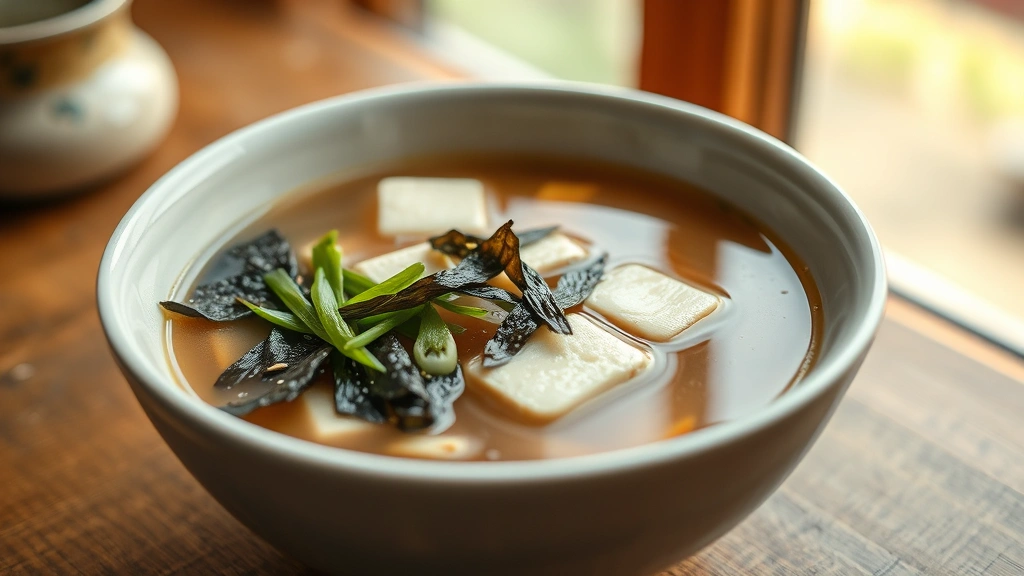
Miso soup is one of those beautiful dishes that proves simplicity and depth of flavor aren’t mutually exclusive. This traditional Japanese soup has been a cornerstone of Asian cuisine for centuries, and once you master the basics, you’ll understand why it’s served in homes and restaurants across Japan every single day. The magic lies in understanding that miso soup isn’t about complicated techniques or hard-to-find ingredients—it’s about respecting each component and letting them shine together in perfect harmony.
What makes miso soup so special is its incredible versatility combined with its meditative simplicity. Whether you’re a seasoned home cook or someone just beginning their culinary journey, this recipe will show you how to create an authentic bowl of miso soup that tastes like it came straight from a traditional Japanese kitchen. The beauty of this soup is that it comes together in about 15 minutes, yet the umami-rich broth and delicate toppings create something that feels both comforting and sophisticated.
I’ve spent years perfecting my miso soup technique, and I’m thrilled to share my secrets with you. The key to the best miso soup starts with quality dashi—that foundational Japanese stock that serves as the soul of this dish. Once you understand how to build this base properly, everything else falls into place beautifully. Learn how to make authentic dashi from scratch, and you’ll elevate your miso soup game immediately.
One of the most important lessons I’ve learned is that miso is delicate and shouldn’t be boiled aggressively. This is where many home cooks go wrong. The live cultures and complex flavors in miso can become muted or bitter when exposed to prolonged high heat. Instead, we’ll use a gentle technique that preserves all those wonderful nuances. Discover the different types of miso and when to use each one to make informed choices for your cooking.
The toppings are where you get to express your creativity while honoring tradition. Silken tofu, fresh scallions, wakame seaweed, and a sprinkle of sesame seeds create the classic presentation, but there’s room for personal touches. Some people add a soft-boiled egg, others include mushrooms or leafy greens. The beauty is that once you master the base recipe, you can adapt it to your preferences and what you have on hand. Explore different ways to prepare tofu for soups to add new dimensions to your bowl.
For those interested in deepening their understanding of Japanese cooking, I recommend checking out Serious Eats’ comprehensive miso soup guide, which offers scientific insights into the ingredients. Bon Appétit’s miso soup recipe provides another excellent perspective on this classic dish. The New York Times Cooking also offers their take on authentic miso soup.
This recipe serves four people as a starter course, though you can easily double it for larger gatherings. The beauty of miso soup is that it’s equally at home as part of a larger Japanese meal or as a light lunch with some rice and pickles. I love serving it in beautiful bowls, allowing the golden broth and colorful toppings to create an inviting presentation.
Let me walk you through my method for creating miso soup that’s restaurant-quality but entirely achievable in your home kitchen. The techniques are straightforward, the ingredients are accessible, and the results are absolutely worth the minimal effort involved.
Ingredients
- 4 cups dashi stock (or high-quality vegetable or seafood broth)
- 3-4 tablespoons miso paste (white or red miso recommended for best flavor)
- 8 ounces silken tofu, cut into small cubes
- 1 cup wakame seaweed (dried, or fresh if available)
- 3-4 scallions, thinly sliced on the bias
- 1 tablespoon white sesame seeds (or black for presentation)
- 1 teaspoon mirin (optional but recommended)
- Pinch of sea salt, to taste
- Small piece of kombu (optional, for additional depth)
Instructions
- Pour the dashi stock into a medium saucepan and place it over medium heat. If using dried wakame seaweed, add it to the cold stock now so it can begin softening as the broth heats. If using fresh wakame, you’ll add it later. Bring the liquid to a gentle simmer—you want small bubbles breaking the surface, not a rolling boil, as this will help preserve the delicate flavors of the ingredients you’ll be adding.
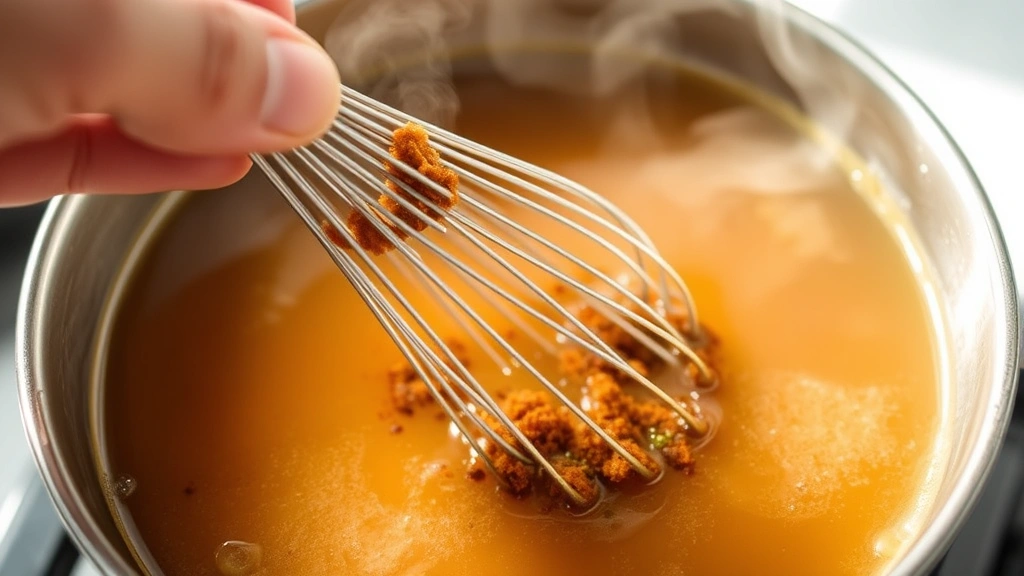
- While the broth is heating, prepare your miso paste by placing it in a small bowl. Once the broth reaches a gentle simmer, remove about ½ cup of the hot liquid and pour it slowly into the bowl with the miso paste. Using a small whisk or the back of a spoon, stir the miso paste and hot broth together until completely smooth and well combined. This technique, called ‘dissolving’ the miso, ensures that the paste distributes evenly throughout the soup and prevents lumps from forming.
- Reduce the heat under the saucepan to low, creating just the gentlest of simmers. Carefully pour the dissolved miso mixture back into the pot of broth, stirring gently and continuously. The key here is to maintain a low temperature and avoid boiling—you’re looking to integrate the miso smoothly without subjecting it to high heat that could compromise its complex flavor profile and beneficial enzymes.
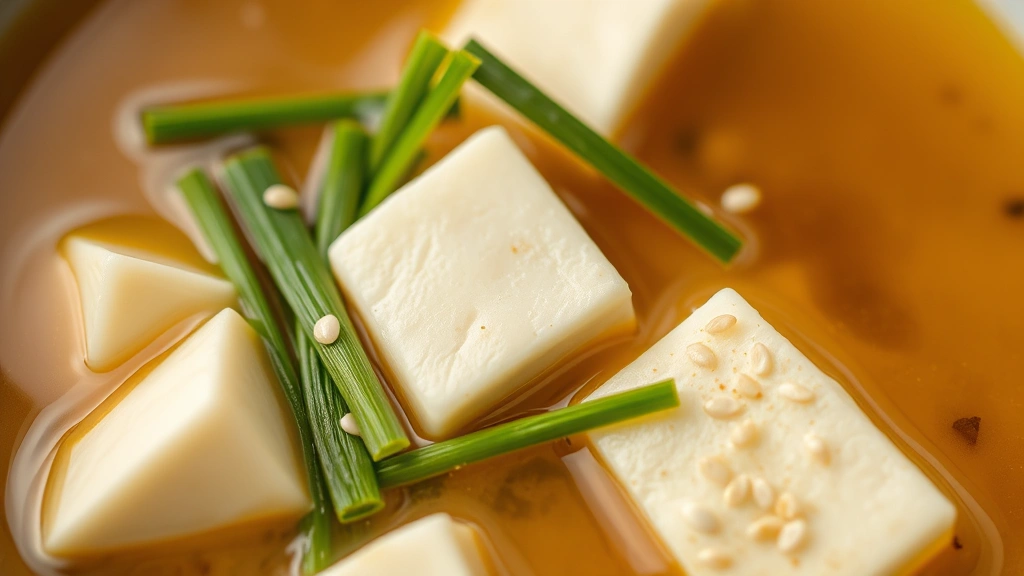
- Add the cubed silken tofu to the soup gently, using a spoon to carefully place each piece so it doesn’t break apart. The delicate texture of silken tofu is one of the joys of miso soup, so handle it with care. If you’re using fresh wakame instead of dried, add it now and let it soften for about 1-2 minutes. Taste the soup and adjust the seasoning with a pinch of sea salt if needed.
- If you’d like to add mirin for a subtle sweetness that balances the umami richness, stir it in now and let the soup simmer gently for another minute or two. The mirin will add depth and a slight gloss to the broth that’s quite appealing. Some cooks prefer their miso soup without it, so this is entirely a matter of personal preference.
- Ladle the hot miso soup into individual serving bowls, making sure each bowl receives an equal distribution of the tofu, wakame, and flavorful broth. The presentation matters in Japanese cuisine, and taking a moment to arrange your soup thoughtfully makes the eating experience more enjoyable. Leave a little room at the top of each bowl for the garnishes.
- Garnish each bowl generously with the sliced scallions, distributing them across the surface of the soup. The fresh, bright flavor of the scallions provides a wonderful contrast to the deep umami of the miso. Sprinkle sesame seeds over the top of each bowl—they add a nutty flavor, visual interest, and a pleasant texture that elevates the entire dish from simple to special.
- Serve the miso soup immediately while it’s hot and the flavors are at their peak. In Japanese tradition, miso soup is eaten with a small spoon for the solids and a small bowl held near your mouth for sipping the broth directly. This traditional method of eating allows you to fully appreciate all the subtle flavors in each component.
Pro Tips
- Quality matters with miso: Invest in authentic Japanese miso paste from a reputable source. The flavor difference between quality miso and generic brands is substantial. Look for miso that lists only a few simple ingredients.
- Dashi is non-negotiable: While you can use vegetable or chicken broth in a pinch, authentic dashi (made from kombu and bonito flakes) creates an incomparable depth of flavor. Making dashi takes just 15 minutes and the difference is remarkable.
- Temperature control is crucial: Never boil miso soup vigorously after adding miso paste. High heat can destroy the beneficial probiotics and create a bitter, metallic taste. Keep temperatures gentle and low.
- Tofu varieties matter: Silken tofu is traditional and creates the signature creamy texture, but you can experiment with soft tofu or even omit it if you prefer. Firm tofu will create a different textural experience.
- Wakame seaweed adds authentic flavor: If you can’t find wakame, nori (seaweed sheets) can be torn into pieces and added, though the flavor profile will be slightly different. Some people add other vegetables like mushrooms, spinach, or daikon radish.
- Make it your own: Once you master the basic recipe, feel free to add soft-boiled eggs, clams, different vegetables, or even a touch of ginger. Miso soup is flexible within its traditional framework.
- Storage and reheating: Leftover miso soup keeps for 3-4 days in the refrigerator. When reheating, warm gently and avoid boiling. You may need to redissolve a bit of miso if the flavors seem muted.
- Miso varieties create different flavors: White miso (shiro) is milder and slightly sweet, red miso (aka) is more robust and salty, and blended varieties offer middle ground. Experiment to find your preference.
- Timing your meal: Miso soup is best served immediately after preparation. The toppings maintain their integrity better, and the broth is at optimal temperature for both comfort and flavor appreciation.
- Pairing suggestions: Serve miso soup as part of a traditional Japanese breakfast with rice, pickles, and a grilled fish. It also makes an elegant first course before a larger meal.