
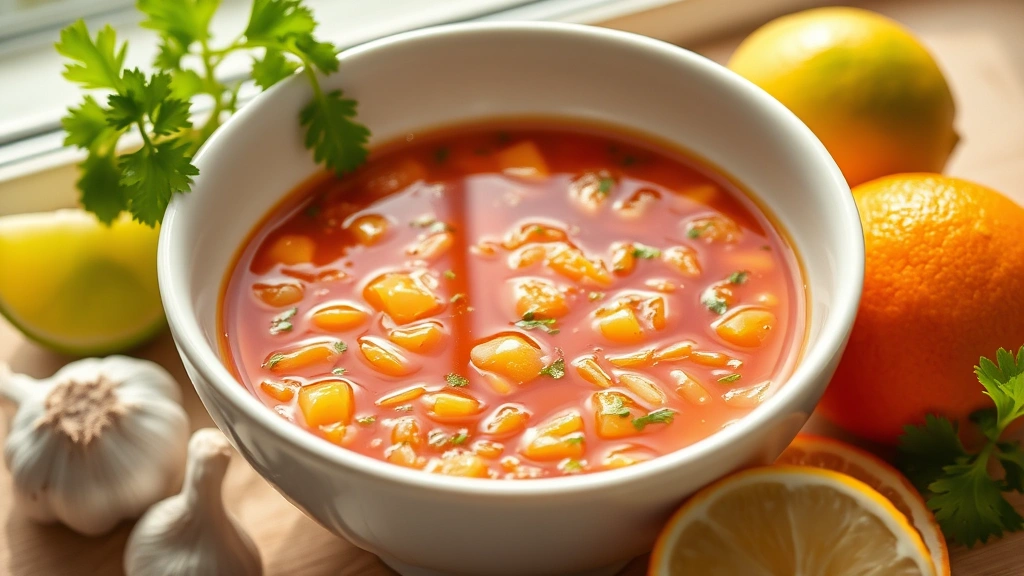
There’s something absolutely magical about mojo marinade that instantly transports you to the sunny streets of Cuba or the vibrant food culture of Miami. This classic Caribbean marinade is bursting with citrus brightness, garlicky depth, and herbaceous freshness that makes it the perfect companion for almost any protein you can imagine. Whether you’re planning a casual weeknight dinner or preparing for an impressive gathering, this mojo marinade recipe is your secret weapon to creating restaurant-quality dishes right in your own kitchen.
Mojo marinade has been a staple in Cuban and Caribbean cuisine for generations, and for good reason. The combination of fresh lime juice, bitter orange (or a blend of citrus), garlic, and aromatic herbs creates a flavor profile that’s both complex and approachable. What makes this marinade truly special is how it works its magic on whatever you’re cooking. The acidity from the citrus gently tenderizes the protein while infusing it with incredible flavor, while the garlic and spices create an irresistible crust when seared or grilled.
The beauty of this mojo marinade recipe lies in its versatility and simplicity. You don’t need fancy ingredients or complicated techniques to create something extraordinary. In fact, the best mojo marinades use straightforward, quality ingredients that let each flavor shine through. This recipe is perfect for marinating pork, chicken, beef, or even seafood, and it works beautifully whether you’re grilling, roasting, or pan-searing your main dish.
What I love most about preparing mojo marinade is how quickly it comes together. In just five minutes, you can have a vibrant, aromatic marinade ready to transform your protein. The garlic becomes fragrant and sweet, the citrus oils release their essence, and the herbs infuse the oil with their natural flavors. It’s truly one of those recipes that feels fancy but is actually incredibly simple to execute, making it perfect for both beginners and experienced home cooks.
If you’re looking to expand your marinade repertoire, you might also enjoy exploring our pickled red onion recipe, which makes an excellent accompaniment to mojo-marinated proteins. The acidity and slight sweetness complement the bold flavors beautifully. For those planning a complete meal, consider pairing your mojo-marinated protein with our chickpea salad recipe for a fresh, protein-packed side dish that won’t compete with your main course.
One of the reasons I keep coming back to this mojo marinade recipe is its incredible reliability. Every single time I make it, the results are consistently delicious. The marinade develops deeper flavors as it sits, but it’s also effective on a shorter timeline if you’re in a time crunch. I’ve successfully marinated chicken for just 30 minutes with fantastic results, though I typically prefer giving it a few hours or even overnight to really develop that signature mojo flavor.
The technique of making mojo marinade is straightforward, but there are a few tips and tricks that will elevate your results even further. First, always use fresh citrus juice rather than bottled if possible – the difference in flavor is genuinely noticeable. The bright, vibrant acidity of fresh juice creates a more complex and refined marinade than its shelf-stable counterpart. Second, don’t skip the toasting of the spices if you’re including them – this step releases their essential oils and deepens their flavor considerably.
Another important consideration is the ratio of acid to oil in your marinade. The citrus juice is what does the tenderizing work, but the oil helps distribute flavors evenly and prevents the protein from becoming too acidic on the outside while remaining raw inside. A good rule of thumb is to aim for roughly equal parts citrus juice and oil, though you can adjust based on your personal preferences and the type of protein you’re marinating.
For those interested in learning more about marinades and flavor development, I’d recommend checking out Serious Eats’ comprehensive guide to marinades, which offers scientific insights into how marinades work. Additionally, Bon Appétit’s collection of Caribbean recipes features numerous variations and complementary dishes that pair beautifully with mojo-marinated proteins.
When it comes to cooking your mojo-marinated protein, you have wonderful options. Grilling is perhaps the most traditional method, allowing the exterior to caramelize beautifully while the interior remains tender and juicy. However, pan-searing creates an equally impressive crust with more control over the cooking process, and roasting in the oven is perfect for larger cuts or when you’re cooking for a crowd. Regardless of your cooking method, always remember to let your protein come to room temperature before cooking and pat it dry for the best browning.
One final thought on this mojo marinade recipe: it’s not just for proteins. Try using it as a dressing for roasted vegetables, a base for rice dishes, or even as a dipping sauce for fresh bread. The versatility of this marinade means you can use it in countless ways throughout your cooking week, making it a truly valuable recipe to have in your collection. With its balance of bright citrus, pungent garlic, and aromatic herbs, mojo marinade represents everything wonderful about Caribbean and Cuban cuisine – bold flavors, simple techniques, and results that taste far more complicated than they actually are.
Ingredients
- 1 cup fresh orange juice (about 3-4 medium oranges)
- ½ cup fresh lime juice (about 4-5 fresh limes)
- ¾ cup extra virgin olive oil
- 10-12 garlic cloves, minced
- 2 tablespoons fresh cilantro, finely chopped
- 1 tablespoon fresh oregano (or 1½ teaspoons dried)
- 1 teaspoon ground cumin
- ½ teaspoon red pepper flakes (optional, for heat)
- 1 teaspoon kosher salt
- ½ teaspoon freshly ground black pepper
- ½ teaspoon ground coriander (optional but recommended)
- 2-3 bay leaves
Instructions
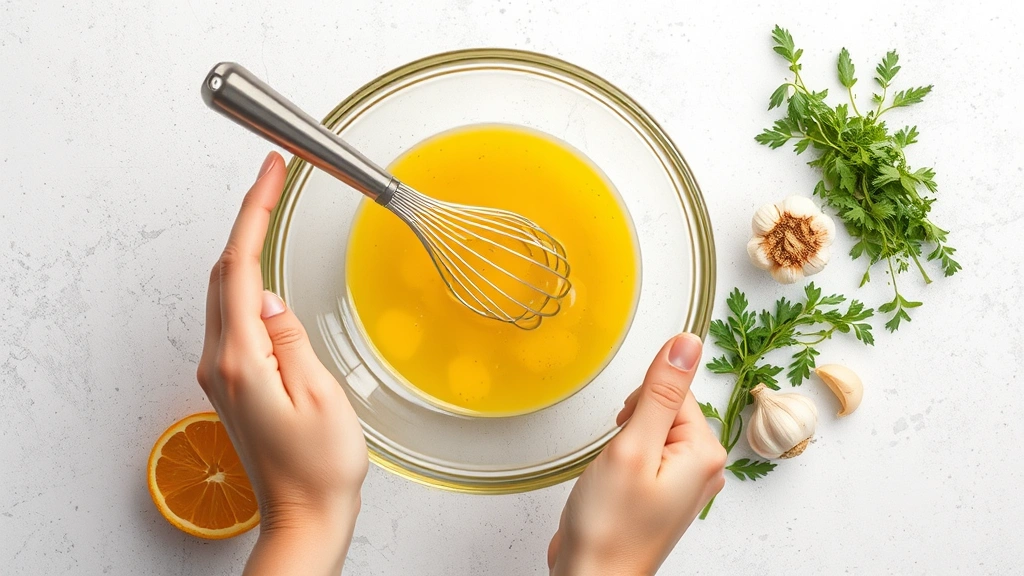
- In a medium bowl, whisk together the fresh orange juice and fresh lime juice until well combined. The citrus juices form the flavorful foundation of your mojo marinade.
- Add the extra virgin olive oil to the citrus mixture and whisk vigorously for about 30 seconds to help emulsify the ingredients slightly, creating a more cohesive marinade.
- Stir in the minced garlic, making sure to break up any clumps and distribute the garlic evenly throughout the mixture. The garlic will continue to release flavor as the marinade sits.
- Add the fresh cilantro and fresh oregano (or dried oregano if that’s what you have on hand), stirring to combine. If using fresh herbs, you can gently bruise them first to release more of their essential oils.
- Sprinkle in the ground cumin, ground coriander, kosher salt, freshly ground black pepper, and red pepper flakes if using. Stir thoroughly to ensure all the spices are evenly distributed and no clumps remain.
- Add the bay leaves to the marinade and stir one final time. Taste the marinade and adjust the seasoning as needed – it should taste bold and flavorful, as it will be distributed across your protein.
- Pour your mojo marinade into a shallow dish or resealable plastic bag, depending on what you’re marinating. If using a bag, it’s often easier to coat your protein evenly and saves refrigerator space.
- Place your protein (pork, chicken, beef, or seafood) into the marinade, making sure it’s completely covered or turned to coat evenly if in a shallow dish. If using a bag, try to remove as much air as possible before sealing.
- Refrigerate for at least 2 hours for best results, though overnight marinating is ideal for deeper flavor development. For quick cooking situations, even 30 minutes will add noticeable flavor.
- Before cooking, remove your protein from the refrigerator and let it come to room temperature for about 20-30 minutes, which ensures more even cooking throughout.
- Pat your marinated protein dry with paper towels before cooking to help achieve a beautiful golden-brown crust through proper browning and caramelization.
- Cook your mojo-marinated protein using your preferred method – grilling over medium-high heat, pan-searing in a hot skillet, or roasting in a 400°F oven – until cooked through to your desired doneness.
Pro Tips
- Fresh citrus is absolutely crucial for the best results – bottled juice simply won’t deliver the same bright, vibrant flavor that makes this marinade special
- The beauty of this marinade is its flexibility; you can adjust the heat level by increasing or decreasing the red pepper flakes, or omit them entirely if you prefer a milder version
- This marinade can be made up to 2 days in advance and stored in an airtight container in the refrigerator, allowing the flavors to deepen even further before using
- For a more authentic version, try to find bitter orange (naranja agria) at Latin markets, though the combination of regular orange and lime juice creates an excellent substitute
- The reserved marinade can be used as a sauce or dressing after cooking, but only if you set some aside before adding raw protein – never reuse marinade that’s been in contact with raw meat
- If you prefer a smoother marinade without visible garlic pieces, you can blend the entire mixture in a food processor before using
- This marinade works wonderfully with pork shoulder or pork chops, which are traditional pairings in Cuban cuisine, but it’s equally delicious with chicken thighs, beef skirt steak, or even shrimp
- For meal prep purposes, you can marinate your protein in the morning and it will be ready to cook by dinner time, making this recipe perfect for busy weeknights
- The spice profile can be customized based on your preferences – some people add a pinch of saffron for earthiness, while others include a touch of honey for subtle sweetness
- Always pat your protein dry before cooking, as excess moisture will steam rather than sear, preventing the development of that desirable golden crust