
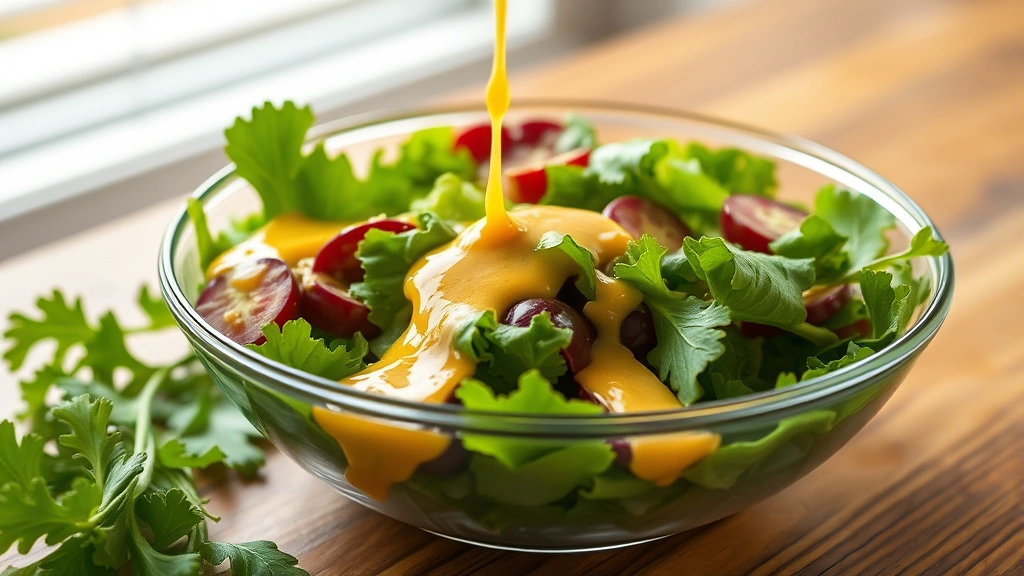
There’s nothing quite like a homemade mustard vinaigrette to elevate your salads, roasted vegetables, and grain bowls from ordinary to absolutely extraordinary! This classic French-inspired dressing is a staple in my kitchen, and honestly, once you taste the difference between store-bought and homemade, you’ll never go back. The beauty of a mustard vinaigrette lies in its simplicity—just a few quality ingredients whisked together create something truly magical.
I learned to make this dressing from my grandmother, who believed that a proper vinaigrette was the foundation of good cooking. She taught me that the ratio of oil to vinegar matters, that mustard acts as an emulsifier (which is just a fancy way of saying it helps everything stay together), and that the best vinaigrettes are made fresh, right before serving. This particular recipe uses Dijon mustard for that sophisticated, slightly tangy flavor that pairs beautifully with everything from delicate spring greens to hearty kale salads.
What makes this mustard vinaigrette so special is its versatility. Drizzle it over a fresh chickpea salad, use it to dress roasted vegetables, or even brush it over grilled fish before serving. The mustard adds depth and complexity, while the vinegar brings brightness and acidity that cuts through rich flavors beautifully. I’ve also been known to use this as a marinade for chicken or pork—it tenderizes the meat while infusing it with incredible flavor.
One of my favorite ways to serve this vinaigrette is alongside pasta dishes. It might seem unconventional, but a light drizzle of mustard vinaigrette over warm pasta creates an entirely different flavor profile than heavy cream sauces. Speaking of which, if you’re looking to create a complete meal, this vinaigrette pairs wonderfully with light pasta dishes or even as a finishing touch on chicken-based dishes.
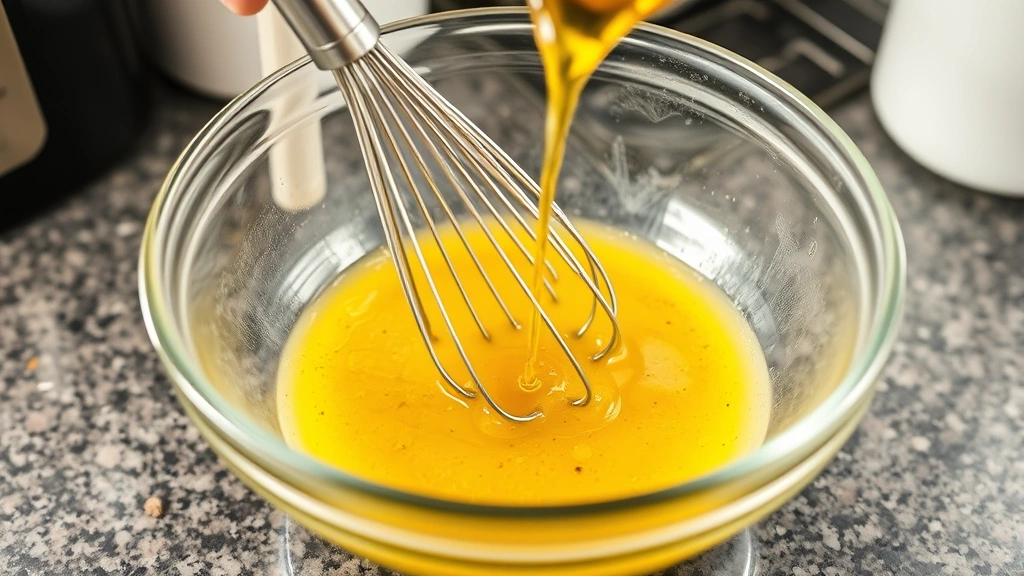
The technique for making this vinaigrette is just as important as the ingredients themselves. Whisking is key—it’s what creates that beautiful emulsification and ensures the dressing coats your salad evenly. I always recommend making this dressing in a glass bowl with a good whisk, though a mason jar works perfectly for shaking it all together. The mustard acts as a natural emulsifier, helping the oil and vinegar blend together in a way that creates a cohesive, creamy-looking dressing without any dairy.
What I love most about this recipe is that it comes together in less than five minutes, yet tastes like you spent hours perfecting it. It’s the kind of dressing that makes you feel sophisticated and put-together, even on the busiest weeknights. Plus, it stores beautifully in your refrigerator for up to a week, so you can make it ahead and have it ready whenever you need it.
For more inspiration on vinaigrettes and dressing techniques, check out Serious Eats’ comprehensive guide to vinaigrette basics or Bon Appétit’s classic vinaigrette recipe. If you’re interested in the chemistry behind emulsification, The New York Times has an excellent article on creating stable dressings.
I encourage you to make this recipe your own. If you prefer a sharper tang, add more vinegar. If you like your dressing more herbaceous, add fresh tarragon or thyme. The beauty of homemade vinaigrette is that you control every single element, creating something that’s perfectly tailored to your palate. This is cooking at its most fundamental and most rewarding—transforming simple ingredients into something that tastes infinitely better than anything you could buy at the store.
Ingredients
- 3 tablespoons Dijon mustard (the real deal, not yellow mustard)
- 3 tablespoons red wine vinegar (or white wine vinegar for a milder flavor)
- 1 tablespoon honey or ½ teaspoon sugar
- 1 clove garlic, minced very finely
- ¾ cup extra virgin olive oil (use your best quality)
- ¼ teaspoon sea salt, plus more to taste
- ¼ teaspoon freshly ground black pepper, plus more to taste
- 1 tablespoon fresh lemon juice (optional, for brightness)
- 1 tablespoon finely minced fresh shallot (optional, for complexity)
Instructions
- In a medium glass bowl, whisk together the Dijon mustard, red wine vinegar, honey, minced garlic, sea salt, and freshly ground black pepper until well combined. This mixture is your base, and whisking it together helps activate the mustard’s emulsifying properties.
- Add the optional fresh lemon juice and minced shallot if using, and whisk to combine. The lemon juice adds brightness while the shallot brings a subtle onion flavor that deepens the overall profile of the vinaigrette.
- Slowly add the extra virgin olive oil to the mustard mixture while whisking constantly. This is the most important step—the slow addition of oil, combined with vigorous whisking, creates an emulsification that keeps the dressing cohesive rather than separating into oil and vinegar.
- Continue whisking until the vinaigrette becomes creamy and slightly thickened, which usually takes about 2-3 minutes of consistent whisking. You’ll notice the color becomes lighter and the texture becomes more uniform.
- Taste the vinaigrette and adjust the seasonings as needed. Add more salt and pepper if desired, or a splash more vinegar if you want it tangier. Remember that flavors intensify slightly when dressing sits, so be conservative with your adjustments.
- Use the vinaigrette immediately over your favorite salad, roasted vegetables, or protein, or transfer it to a glass jar for storage. If making ahead, store in the refrigerator for up to one week.
- Before using stored vinaigrette, give it a good shake or whisk to re-emulsify, as it may separate slightly during storage. This is completely normal and doesn’t affect the taste or quality of the dressing.
Pro Tips
- **The Mustard Question**: Dijon mustard is essential here—it’s not just about flavor, it’s about function. The mustard acts as a natural emulsifier, helping the oil and vinegar combine into a cohesive dressing. Yellow mustard simply won’t do the job as effectively.
- **Oil Matters**: Use a high-quality extra virgin olive oil that you actually enjoy eating. Since this dressing is so simple, each ingredient shines through. A fruity, peppery olive oil will create a different flavor profile than a buttery, mild one. Taste a few and choose your favorite.
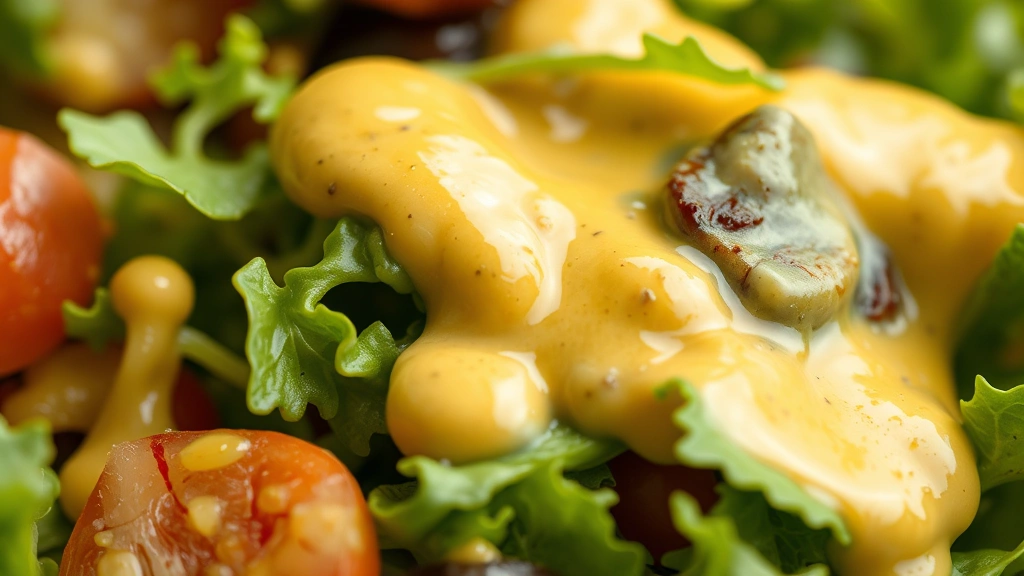
- **The Emulsification Process**: The key to a stable vinaigrette is slow, steady whisking as you add the oil. Think of it like making mayonnaise—if you add the oil too quickly, the emulsion breaks. Patience here pays off with a beautiful, creamy dressing.
- **Vinegar Variations**: Red wine vinegar gives this dressing a classic French character, but don’t be afraid to experiment. White wine vinegar creates a lighter version, apple cider vinegar adds slight sweetness, and sherry vinegar brings sophistication. Each creates a slightly different flavor profile.
- **Storage and Separation**: It’s completely normal for vinaigrette to separate slightly when stored. This is actually a sign that it’s a true emulsion and not a heavily stabilized commercial product. Simply give it a good shake or quick whisk before using, and it’ll come back together beautifully.
- **Make-Ahead Friendly**: This dressing is perfect for meal prep. Make a batch on Sunday and use it throughout the week on salads, grain bowls, roasted vegetables, and grilled proteins. It keeps for up to one week in an airtight glass jar in the refrigerator.
- **Flavor Boosters**: Once you master the basic recipe, try adding fresh herbs like tarragon, thyme, or parsley; a touch of Worcestershire sauce for depth; a teaspoon of Dijon mustard powder for extra mustard intensity; or even a tablespoon of balsamic vinegar for sweetness and complexity.
- **The Shallot Addition**: While optional, shallots add a sophisticated sweetness and onion flavor that elevates this vinaigrette from simple to special. Mince them very finely so they distribute evenly throughout the dressing.
- **Temperature Matters**: Some cooks prefer to make vinaigrette with room-temperature ingredients, as cold oil is thicker and harder to emulsify. If you’re having trouble getting a cohesive dressing, try bringing your ingredients to room temperature before whisking.
- **Quantity Guide**: This recipe makes about one cup of vinaigrette, which is enough to dress 8-10 servings of salad. A good rule of thumb is about 2 tablespoons of vinaigrette per 2-3 cups of mixed greens.
Pingback: How to Make Delicious Marinated Mushrooms Recipe! – Simple Recipe Finder