
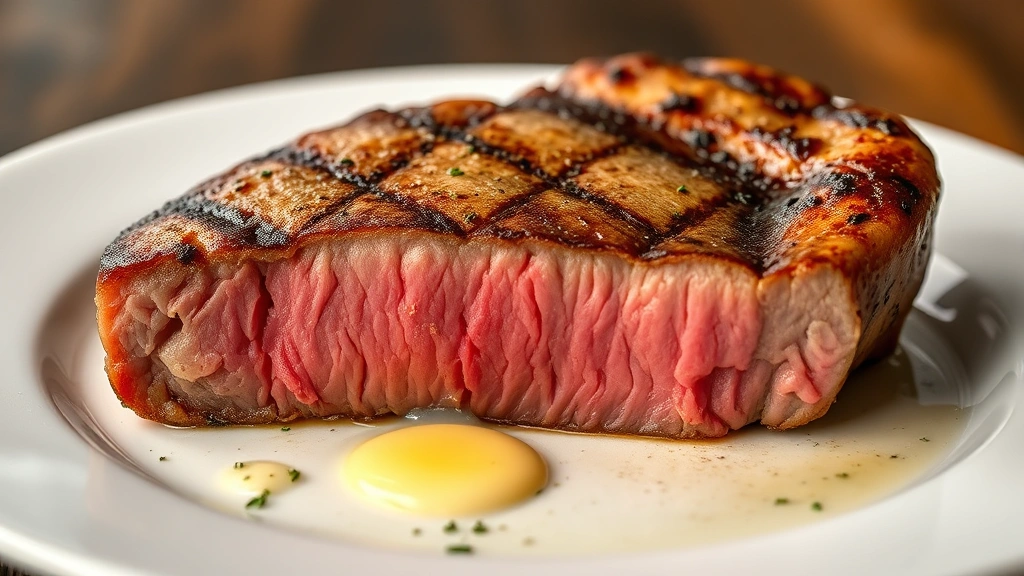
There’s something truly special about a perfectly cooked New York cut steak. This iconic cut, also known as a strip steak, is a favorite among steak enthusiasts for its beautiful marbling, tender texture, and rich, beefy flavor. Whether you’re cooking for a special occasion or just treating yourself to a restaurant-quality dinner at home, mastering the art of preparing a New York cut steak is easier than you might think.
The key to achieving the best New York cut steak lies in understanding a few fundamental principles: selecting a quality cut, bringing it to room temperature, seasoning it simply but generously, and cooking it with high heat to develop that coveted crust while keeping the inside perfectly pink and juicy. I’ve perfected this technique over years of cooking, and I’m excited to share my foolproof method with you.
What makes this recipe special is its simplicity combined with attention to detail. We’re not complicating things with fancy marinades or complicated techniques. Instead, we’re letting the quality of the steak shine through with proper preparation and cooking methods. This approach is similar to how I handle other proteins in my kitchen—like when I’m preparing the perfect creamy pasta sauce to complement grilled vegetables or squash and zucchini as delicious side dishes.
One of the most important aspects of steak cooking is understanding the science behind it. According to Serious Eats, the Maillard reaction—the chemical process that creates that delicious brown crust—requires high heat and a dry surface. This is why we pat our steaks completely dry before cooking. Additionally, New York Times Cooking emphasizes the importance of allowing meat to rest after cooking, which allows the juices to redistribute throughout the steak.
I always recommend investing in a good quality New York cut steak, ideally at least 1.5 inches thick. Thinner steaks tend to cook too quickly and are harder to get a perfect crust on without overcooking the inside. Look for steaks with good marbling—those white lines of fat throughout the meat that add flavor and juiciness. Your butcher can help you select the perfect cut for your needs.
The beauty of this recipe is that you can serve it with virtually any side dish. Pair it with creamy pesto for a sophisticated touch, or keep things simple with roasted potatoes and a fresh salad. For a complete steakhouse experience, consider adding pizza sides or a fresh green salad with olive garden dressing to round out your meal.
For those looking to understand more about steak preparation techniques, Bon Appétit offers excellent resources on cooking methods and temperature guidelines. Understanding the difference between rare, medium-rare, and medium is crucial for achieving your desired doneness level.
Ingredients
- Two 1.5-inch thick New York cut steaks (about 12-14 ounces each)
- Sea salt
- Freshly ground black pepper
- 2 tablespoons unsalted butter
- 4 cloves garlic, smashed
- 3-4 fresh thyme sprigs
- 2 rosemary sprigs
- 2 tablespoons high-heat oil (avocado or vegetable oil)
- Optional: fleur de sel for finishing
Instructions
- Remove your steaks from the refrigerator 20-30 minutes before cooking. This allows them to come to room temperature, which ensures even cooking throughout the steak.
- Pat the steaks completely dry with paper towels. This is crucial for developing a proper crust. Don’t skip this step.
- Season both sides of each steak generously with sea salt and freshly ground black pepper. Be liberal with your seasoning—the salt will help create that restaurant-quality crust.
- Heat a cast iron skillet or heavy-bottomed stainless steel pan over medium-high heat for about 2-3 minutes until it’s very hot. You should see a slight smoke beginning to form.
- Add the high-heat oil to the hot pan and swirl to coat evenly. The oil should shimmer and almost smoke.
- Carefully place one steak into the pan. You’ll hear a satisfying sizzle—this is what we want. Do not move the steak for at least 3-4 minutes to allow a proper crust to form.
- After 3-4 minutes, flip the steak to cook the other side. Cook for another 3-4 minutes for medium-rare, depending on thickness.
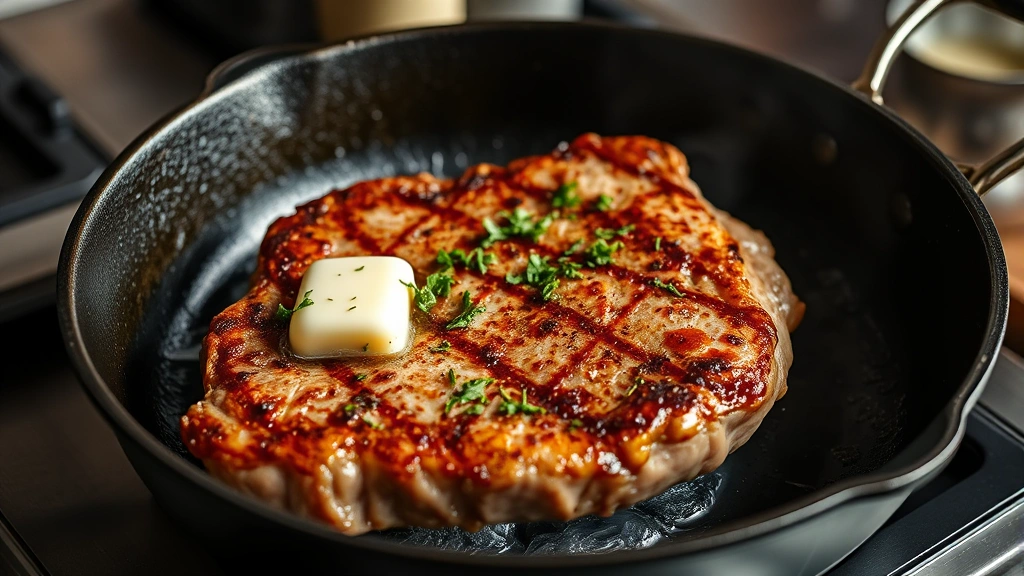
- Add the butter, smashed garlic, thyme, and rosemary sprigs to the pan. As the butter melts, tilt the pan and baste the steaks with the melted butter for about 1-2 minutes.
- Check the internal temperature with an instant-read thermometer. For medium-rare, aim for 130-135°F (54-57°C). For medium, aim for 135-145°F (57-63°C).
- Remove the steaks from the pan and place them on a clean cutting board. This is where patience becomes crucial.
- Tent the steaks loosely with foil and let them rest for 5-10 minutes. This allows the juices to redistribute throughout the meat, ensuring maximum tenderness and juiciness.
- Repeat the cooking process with the second steak if cooking one at a time, or cook both steaks simultaneously if your pan is large enough.
- Transfer the rested steaks to serving plates. Top with a pinch of fleur de sel if desired, or serve with your favorite steak sauce or compound butter.
Pro Tips
Temperature Precision: Invest in a good instant-read meat thermometer. This removes the guesswork from cooking and ensures you achieve your desired doneness level every single time. Remember that carryover cooking will raise the temperature about 5°F (3°C) after you remove the steak from heat.
Pan Selection: Cast iron is ideal for steak cooking because it retains heat exceptionally well and distributes it evenly. However, a heavy-bottomed stainless steel pan works beautifully too. Avoid non-stick pans for high-heat searing as they cannot withstand the necessary temperatures.
Basting Technique: The butter basting step is not just for flavor—it’s functional. The melted butter helps cook the top of the steak while keeping it moist and adds a luxurious flavor. Don’t skip this step even if you’re short on time.
Resting Period: This is absolutely non-negotiable. Cutting into a steak immediately after cooking causes all those delicious juices to run out onto the plate. Resting allows the muscle fibers to relax and reabsorb the juices.
Seasoning Timing: While some cooks prefer to season just before cooking, I recommend seasoning 40+ minutes before cooking. This allows the salt to dissolve slightly and penetrate the meat, enhancing flavor throughout. If you season less than 40 minutes before, the salt sits on the surface and can create a dry exterior.
Oil Choice: Use an oil with a high smoke point. Avocado oil, vegetable oil, or refined coconut oil all work well. Avoid olive oil, butter, or other low-smoke-point oils for the initial searing.
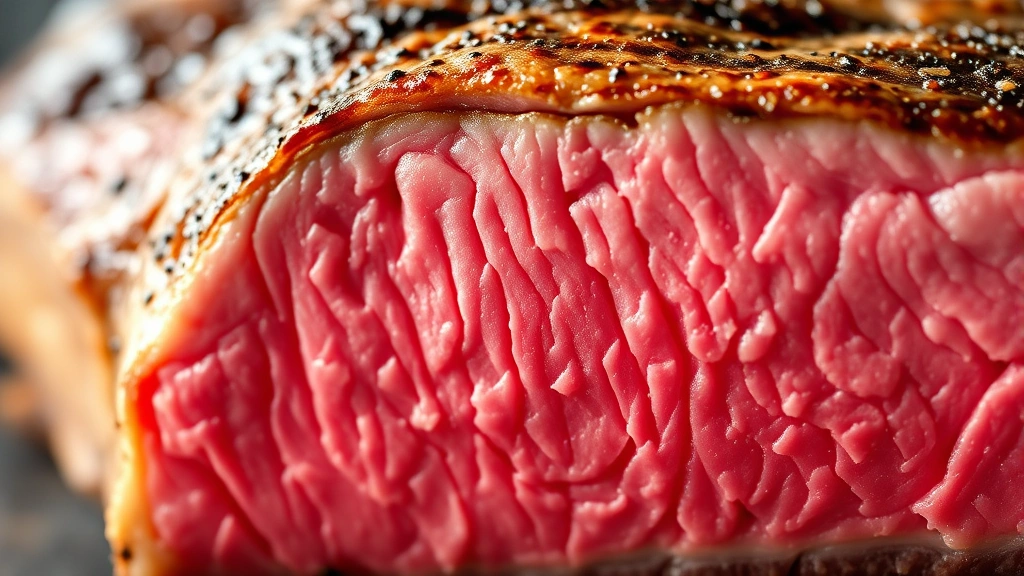
Doneness Guide: Rare is 120-125°F (49-52°C), medium-rare is 130-135°F (54-57°C), medium is 135-145°F (57-63°C). Most steak enthusiasts prefer medium-rare for New York cuts as it maintains the tender, juicy texture while developing a beautiful crust.
Serving Suggestions: Serve immediately after resting while the steak is still hot. Pair with classic sides like loaded baked potatoes, creamed spinach, or a simple green salad. A good red wine like Cabernet Sauvignon complements the rich, beefy flavors beautifully.
Leftovers: While best enjoyed fresh, leftover steak can be sliced thin and used in salads, sandwiches, or pasta dishes the next day. Store in an airtight container in the refrigerator for up to 3 days.